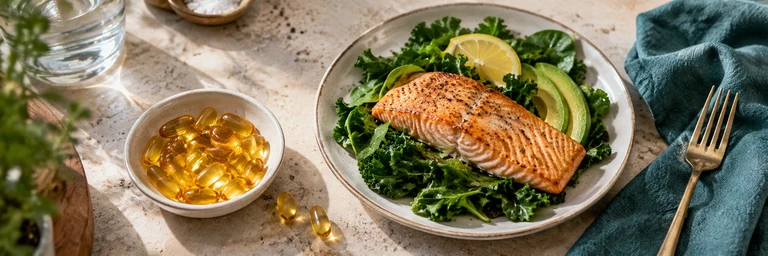

A useful CLA comparison starts with the label: what is supplied per serving, how many softgels that serving uses, what the directions say and what the bottle costs. A study amount, an oil concentration and a daily schedule are different pieces of information.
Four checks before you choose.
- Read the complete Supplement Facts and directions, not just the front number.
- Do not assume a 50:50 isomer ratio when the label does not state one.
- Compare cost per labeled serving separately from cost per day.
- Ingredient research does not guarantee a result from a particular product or stack.
Start with your reason for buying.
CLA means conjugated linoleic acid, a group of related fatty acids. It is different from caffeine, protein and omega-3. Before choosing it, distinguish your interest in an ingredient from an expectation of a guaranteed weight change.
Nutra Botanics CLA is a dedicated safflower-derived softgel formula with no added caffeine or stimulant ingredients. That is a concrete formula characteristic, not a claim that the product is suitable for everyone. Its gelatin shell matters if you avoid animal-derived ingredients.
Use the CLA overview for background. For questions about individual suitability, review the complete label with a qualified healthcare professional.
What does the research actually measure?
Researchers have measured body weight, fat mass and fat-free mass. These are different outcomes. The Asbaghi review, published in 2024, combined 70 trials involving 4,159 participants. Pooled changes were small; its higher-quality subgroup did not show lower fat mass or body-fat percentage.
This does not establish that every shopper will lose fat, preserve muscle during a calorie deficit or perform better in training. The NIH CLA review also puts human findings in the context of small effects and possible safety concerns. Neither source is a clinical trial of the current Nutra Botanics product.
Read the research review or our abdominal-fat discussion if an advertisement suggests a specific body area will change. A supplement cannot promise where an individual will lose fat.
Softgels, liquids and powders: what to compare
Nutra Botanics currently offers CLA as softgels. When comparing another format, use the listed CLA amount and its full directions rather than treating the format itself as proof of better results.
- Softgels: check how many make one serving and what the shell contains. Nutra Botanics uses a two-softgel Supplement Facts serving and lists gelatin, glycerin and water as other ingredients.
- Liquid: check the measured volume, listed CLA amount and the specific bottle’s storage and after-opening directions.
- Powder: check the serving weight and listed CLA amount. A scoop’s total weight can include other ingredients.
Do not assume that a liquid absorbs faster or that all powders have a shorter shelf life. Those are product-specific questions requiring relevant evidence. Choose a format you can use according to its directions.
An oil percentage is not an isomer ratio.
The NIH overview describes CLA isomers, including c9,t11 and t10,c12, and different preparations used in research. A study of one preparation is not automatically evidence for another.
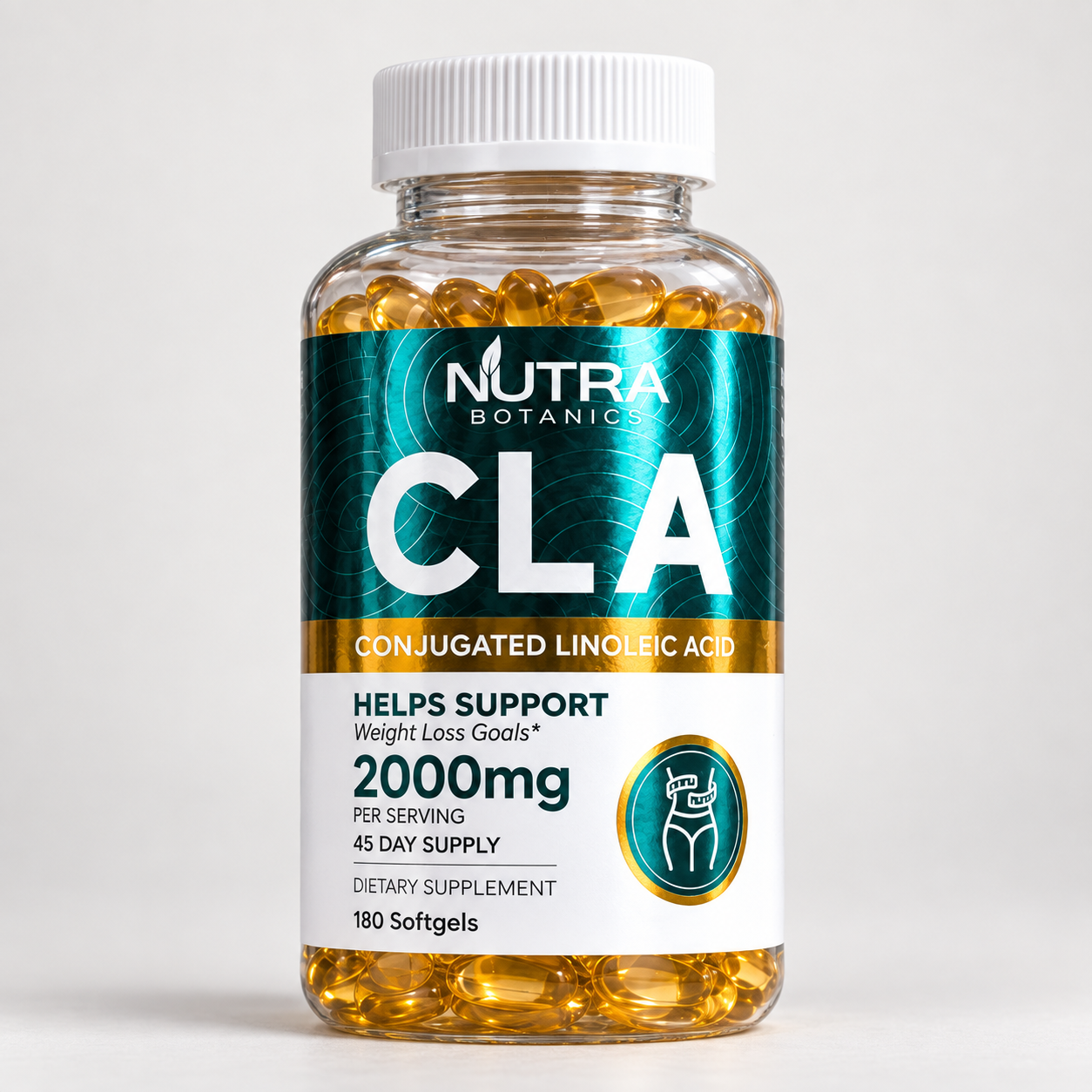
The approved Nutra Botanics label lists CLA from safflower oil with 78–81% CLA concentration. It does not give a c9,t11-to-t10,c12 ratio. Do not infer a 50:50 blend from the word CLA, or treat the concentration percentage as the ratio of those two isomers.
Read the printed amount per serving alongside the concentration description. Do not recalculate a personal dose from a purity percentage or use an unstated ratio to claim that a product matches a trial.
Serving size and daily directions are different.
The approved 2026 Nutra Botanics label lists 2,000 mg CLA per two-softgel serving, with 180 softgels and 90 labeled servings in the bottle. Its adult directions state two softgels two or three times daily before meals. Follow your current bottle and do not exceed its directions.
The two-softgel serving is the unit used in Supplement Facts. It is not automatically the whole daily schedule. The label’s four to six softgels daily mathematically makes a 180-softgel bottle last about 30 to 45 days. That is bottle-count arithmetic, not a recommended treatment course or a promise of results.
Do not replace these directions with a generic three-softgel schedule, a trial amount or instructions for another brand. Read the current label information and our serving and dose guide.
Do you need to combine CLA with something else?
A different ingredient mechanism does not prove that combining products produces a better result. CLA and L-carnitine are distinct ingredients. A logical-sounding pathway explanation is not a clinical test of the combination.
Before adding another product, compare its ingredients, directions, precautions and cost. Check CLA and Liquid L-Carnitine side by side, then use the individual product pages for the current purchase options. Have a healthcare professional review combinations with your medicines or other supplements.
You do not need to buy a stack to make a CLA purchase worthwhile. Food, activity and any personal care plan remain separate from the ingredient choice.
A study duration is not a results deadline.
CLA trials have followed people for different lengths of time. A measurement at 12 weeks does not mean that your result will appear by week 12. Nor does a longer study prove that benefits accumulate indefinitely.
Do not judge effectiveness by a stimulant feeling or assume that digestive symptoms mean an ingredient is working. Review your reason for use, tolerance and ongoing suitability rather than automatically extending use or increasing the amount.
Review the full precautions.
NIH lists digestive side effects and reports that some research raises concerns about blood lipids and glucose regulation. No added caffeine does not mean no possible adverse effects. If you have a medical condition or take medicine, review CLA with your healthcare professional before use.
The Nutra Botanics label also calls for physician consultation during pregnancy or nursing or when receiving treatment for a medical condition. Keep it out of children’s reach, do not exceed the recommended amount and do not use a bottle with a broken or damaged outer seal. Store the tightly closed container in a cool, dry place.
For additional context, read the side-effect guide. Do not change prescribed care or use CLA to treat a metabolic condition.
Compare the bottle you will actually buy.
| Buying check | Current label or offer |
|---|---|
| Amount and format | 2,000 mg CLA per two softgels, from safflower oil. |
| Bottle count | 180 softgels, 90 labeled two-softgel servings. |
| Concentration | 78–81% CLA concentration. An individual isomer ratio is not stated. |
| Shell and stimulants | Contains gelatin, so it is not vegetarian. No added caffeine or stimulant ingredients. |
| Price per serving | $29.99 one-time, about $0.33 per labeled serving before tax and shipping. |
| Planning by daily use | Four to six softgels daily in the label directions: about 30 to 45 days per bottle, about $0.67 to $1.00 per day at the one-time price. This is arithmetic, not a dosing recommendation. |
See the formula. Check the full label.
Review current directions, warnings and purchase options together.
Explore Nutra Botanics CLACompare the ingredients and any documented testing claim before comparing prices. Do not assume that a manufacturing-quality logo proves a specific independent batch analysis. For a broader serving-value comparison, use our current formula comparison.
Sources and label checks
The primary review and NIH guidance are linked beside the findings they support. Product facts were checked against the approved 2026 CLA label and current Nutra Botanics product page on October 11, 2026. This is an educational editorial check, not a qualified clinical review or a trial of the finished product. Read our sourcing and corrections policy.
Frequently asked questions
The approved label lists 180 softgels and 90 labeled servings of two softgels. Daily directions and serving count are separate; the label’s four to six softgels daily gives about 30 to 45 days per bottle.
The approved Supplement Facts lists 2,000 mg CLA from safflower oil per two-softgel serving. Read the current label’s amount and concentration description together.
No. It describes the CLA concentration of the source ingredient. The approved Nutra Botanics label does not state an individual isomer ratio, so a 50:50 ratio should not be assumed.
The approved 2026 label directs adults to take two softgels two or three times daily before meals. Follow your current bottle, do not exceed its directions and review suitability with your healthcare professional.
No. Its CLA source is safflower oil, but its softgel contains gelatin. The other listed ingredients are glycerin and water.
At the current $29.99 one-time price, 90 labeled servings cost about $0.33 each before tax and shipping. Cost per day differs because the daily directions use more than one serving.
Format alone does not establish better absorption or results. Compare the actual CLA amount, directions, shell or other ingredients, storage instructions and relevant evidence for the product.
No. Different ingredient roles do not prove that a combination gives a better result. Compare the full labels and have your medicines and other supplements reviewed before combining products.

Explore the formulas
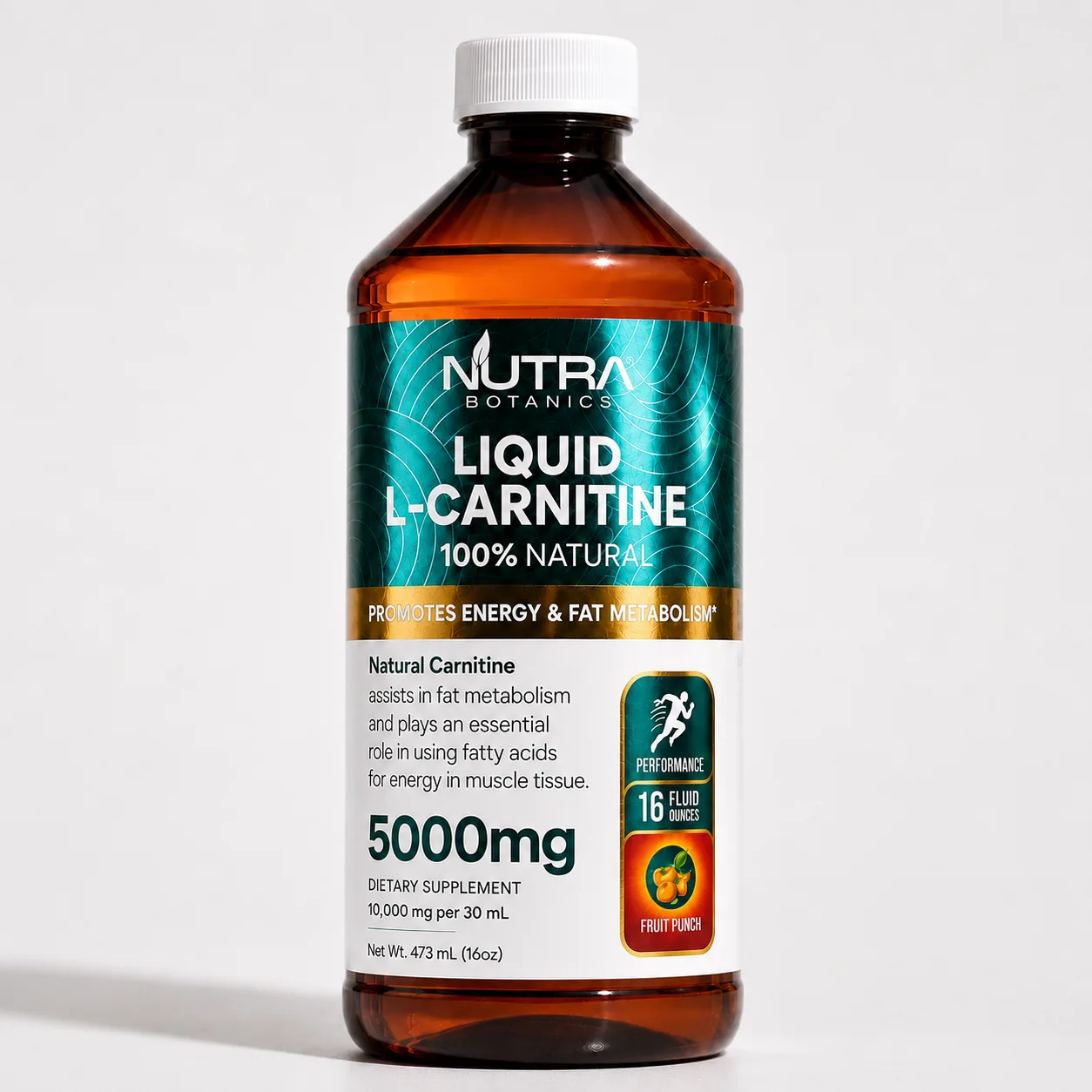
Use our weight-management comparison to compare ingredient roles and current labels, without assuming a finished-product combination has been proven.