
"Testosterone booster" is one of the most-marketed and least-honestly-described categories in supplements. The claims commonly implied — dramatic hormone spikes, TRT-like effects, a supplement that reliably turns a man's T-level graph upward regardless of what else is going on — are not what the peer-reviewed literature shows. At the same time, the cynical dismissal that "nothing works" overstates the other way. A short list of well-studied ingredients does produce measurable, modest hormonal shifts in specific populations under specific conditions.
This review summarizes what the published literature on zinc, magnesium, vitamin D, ashwagandha, fenugreek, D-aspartic acid, and tribulus actually reports. Where the research is solid, we say so. Where it is weak, inconsistent, or overstated by marketing, we say that too.
Key Takeaways
- Correcting a genuine deficiency of zinc, vitamin D, or magnesium produces the most reliable testosterone responses in the literature — supplementing on top of adequate levels produces little to none.
- Ashwagandha (KSM-66 and Sensoril standardized extracts) has the strongest adaptogen evidence for modest T increases, particularly in stressed or untrained men.
- Fenugreek shows mixed results — modestly favorable meta-analyses but significant between-trial variability. D-aspartic acid and tribulus have weak or null evidence in well-controlled trials.
- Pooled effect sizes are modest — typically 10 to 25 percent increases in men starting with low or low-normal T, smaller or null in men already within the normal range.
- No supplement combination approaches the magnitude of testosterone replacement therapy. Lifestyle factors (sleep, fat mass, training, chronic stress) have larger effects than any ingredient.
Related reading: Natural Testosterone Support: Studied Ingredients, Ashwagandha & Testosterone, Zinc & Testosterone, Signs of Low T.
What "Testosterone Boosters" Actually Are
The supplement-aisle category labeled "testosterone booster" is a grab-bag of ingredients with very different mechanisms and very different evidence bases. Some act by correcting a nutrient deficiency that was suppressing endogenous production. Some act on the HPA-axis (stress-hormone) system to reduce cortisol, which indirectly allows T to normalize. Some claim to act on luteinizing hormone or aromatase activity. Many claim to do something they do not appear to do in well-controlled trials.
Crucially, none of these ingredients are drugs. Their mechanisms are modulatory, not pharmacologic. The magnitudes they produce — even the well-studied ones — are orders smaller than medical testosterone replacement therapy (TRT), which typically moves a clinically-low patient from roughly 250 ng/dL into the 600 to 900 ng/dL range. A supplement trial that reports a 15 percent increase in a man starting at 380 ng/dL is pushing him toward 440 ng/dL — real, measurable, and meaningful near the threshold of low-normal, but not transformative.
Framing matters. Supplements in this category are useful as one input among several for a man whose biology has room to respond. They are not a standalone solution for clinically low T, and they are not a shortcut around sleep, body composition, training, and chronic-stress management.
The Research on Deficiency Correction (Zinc, D, Magnesium)
The strongest, most reliable testosterone responses in the published literature come from correcting an actual deficiency rather than supplementing on top of adequate levels. Three nutrients dominate this research track.
Zinc. Multiple trials in zinc-deficient men have shown meaningful testosterone increases after 4 to 12 weeks of repletion. The Prasad et al. work in marginally zinc-deficient young adults (Prasad et al. 1996) reported roughly doubled free testosterone after 20 weeks of supplementation. The same protocols in zinc-replete men show little to no effect. The distinction is central: zinc works as deficiency correction, not as a blanket booster.
Vitamin D. Observational data consistently link low serum 25(OH)D with lower testosterone. Intervention trials are more mixed, but the better-designed studies in men with baseline 25(OH)D below 30 ng/mL report measurable T increases after 12 weeks of repletion. Pilz et al. (2011) is the most-cited positive trial. Men already at sufficient D levels rarely respond.
Magnesium. The evidence is supportive but thinner than zinc or D. Cinar et al. (2011) reported increases in both total and free testosterone after 4 weeks of magnesium supplementation in sedentary and training groups, with the training group responding more strongly. Magnesium pairs particularly well with resistance training in the research.
The take-away: get baseline labs before investing heavily. A man who is actually low in one of these nutrients has a meaningful upside to repletion. A man already at adequate levels has a marginal one at best.
The Research on Ashwagandha and Adaptogens
Ashwagandha has built the strongest adaptogen evidence base for testosterone, and it is the non-mineral ingredient most likely to show a measurable response in replete men. The mechanism appears to be cortisol-mediated: chronic stress elevates cortisol, which antagonizes testosterone signaling. Reducing cortisol load allows T to normalize.
Three trials anchor most of the positive evidence: Lopresti et al. (2019) in overweight men aged 40 to 70, Wankhede et al. (2015) in resistance-training men, and Ambiye et al. (2013) in men with infertility workups. All used standardized extracts — primarily KSM-66 or Sensoril — and all reported statistically significant T increases of roughly 14 to 22 percent over 8 to 16 weeks. The effect was largest in stressed, overweight, or untrained men and smaller in lean, already-trained men.
Dosing in the positive trials clusters around 300 to 600 mg/day of standardized extract. Crude root powder at lower concentrations has a thinner evidence base. Standardization matters here in a way it does not for zinc or D.
Worth noting: ashwagandha's research base also includes real effects on sleep quality, anxiety scores, and perceived stress — any or all of which may be mediating the downstream hormonal shift. Either way, the T response is a replicated finding.
Fenugreek, D-Aspartic Acid, and Tribulus
Fenugreek. Fenugreek's published literature is mixed. Standardized extracts (Testofen, Furosap) have reported favorable effects on total and free testosterone in several 8- to 12-week trials, with effect sizes typically smaller than ashwagandha. Other trials have reported null findings, and one well-designed study in resistance-training men found no T effect beyond training alone. A conservative read: fenugreek may produce modest responses in some men but should not be the primary ingredient a stack is built around.
D-Aspartic Acid (DAA). DAA is a textbook example of the gap between early enthusiasm and replication. A 2009 trial reported significant testosterone increases, which touched off a wave of DAA products. Subsequent well-controlled trials in trained men failed to replicate the finding, and at least one trial reported paradoxical T suppression at higher doses. The current evidence does not support DAA as a reliable T booster in training populations.
Tribulus terrestris. Despite its prominence in marketing for three decades, tribulus has never developed a strong, replicated evidence base for testosterone. Most well-controlled trials report null effects on T levels, though some have reported modest libido improvements that may be independent of hormonal change. Tribulus should not be assumed to raise testosterone.
Where the Evidence Is Mixed or Weak
Four claims deserve honest skepticism regardless of the ingredient:
- "Double your testosterone naturally." No ingredient or stack in peer-reviewed research has produced T-level doublings in healthy men at replete baselines. Headline numbers of that magnitude typically come from trials in deficient men whose starting levels were abnormally suppressed.
- Acute pre-workout T spikes. Training itself produces short-lived T fluctuations; supplementing 30 minutes pre-workout to "spike" testosterone does not meaningfully shift circulating levels over a training block. Daily, consistent dosing across 8+ weeks is what the positive trials used.
- Tribulus and DAA as reliable boosters. The marketing remains ahead of the data. Current well-controlled trials do not support either as a reliable ergogenic T intervention in healthy training populations.
- "Proprietary blend" labeling. The positive trials used specific standardized extracts at specific doses. Proprietary blends that list an ingredient without the dose (especially below the studied threshold) cannot be assumed to match the research that branded them.
Who Sees the Best Results in the Research
Pooled across the literature, the men most likely to show measurable hormonal responses from supplementation are:
- Men actually deficient in zinc, magnesium, or vitamin D who correct those deficiencies with lab guidance.
- Men with elevated chronic stress or poor sleep patterns whose cortisol load is antagonizing T, particularly those responding to ashwagandha.
- Overweight or untrained men starting a structured resistance program alongside supplementation — training plus supplementation consistently outperforms either alone.
- Men over 40 with age-related gradual T decline who have room to respond, especially paired with sleep and body-composition improvements.
Lean, already-trained, mineral-replete, well-slept men in their 20s show the smallest responses. Their systems are already near the upper end of what their biology will produce without external hormones; marginal upside from supplementation is small.
The Bottom Line
Do natural testosterone boosters work? Some of them, modestly, in the right people. Correcting a real zinc, vitamin D, or magnesium deficiency produces the most reliable response. Ashwagandha has replicated evidence in stressed or untrained men. Fenugreek shows modest mixed results. D-aspartic acid and tribulus do not have strong, replicated evidence as reliable T boosters.
What none of them are: drug-like replacements for testosterone replacement therapy, or shortcuts around sleep, body composition, resistance training, and chronic-stress management — the lifestyle levers that have larger effects on T than any ingredient. Supplements work best as one input alongside those fundamentals, not instead of them. Get baseline labs, pick ingredients with a real evidence base, dose consistently across 8 to 16 weeks, and set expectations to match the data rather than the marketing.
These statements have not been evaluated by the Food and Drug Administration. This product is not intended to diagnose, treat, cure, or prevent any disease.
Frequently Asked Questions
Do natural testosterone boosters actually raise testosterone?
How much can a natural testosterone booster actually raise testosterone?
How long do testosterone boosters take to work in studies?
Which ingredients have the strongest research support?
Are natural testosterone boosters safe for long-term use?
Can testosterone boosters replace lifestyle changes?
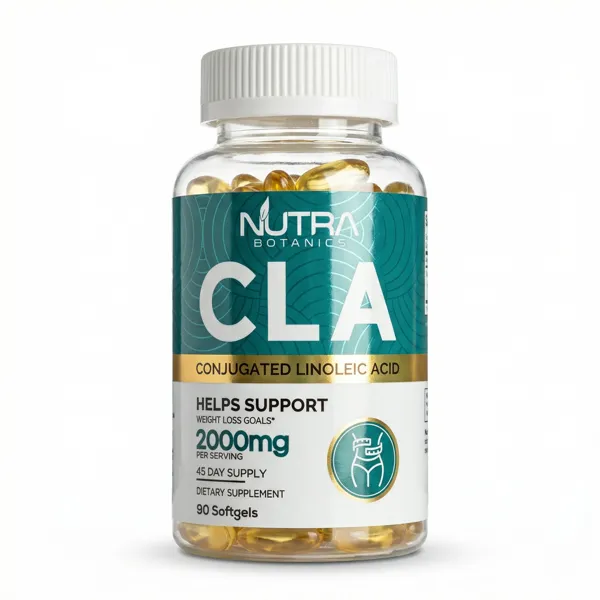
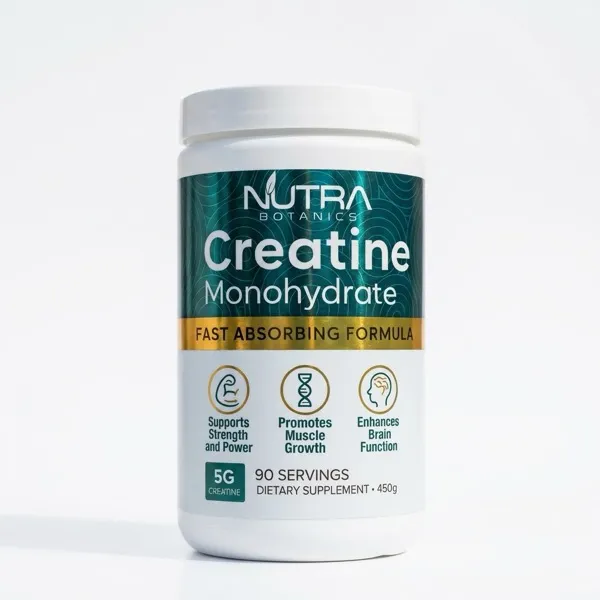
Pre-Workout Formula
Citrulline · Caffeine · 30 servings
- Supports training output for resistance work
- No proprietary blends · transparent dose labeling
- GMP & NSF certified · PhD-supervised testing
- Resistance training is one of the strongest lifestyle levers for healthy T
$34.95Free shipping over $75
Shop Pre-Workout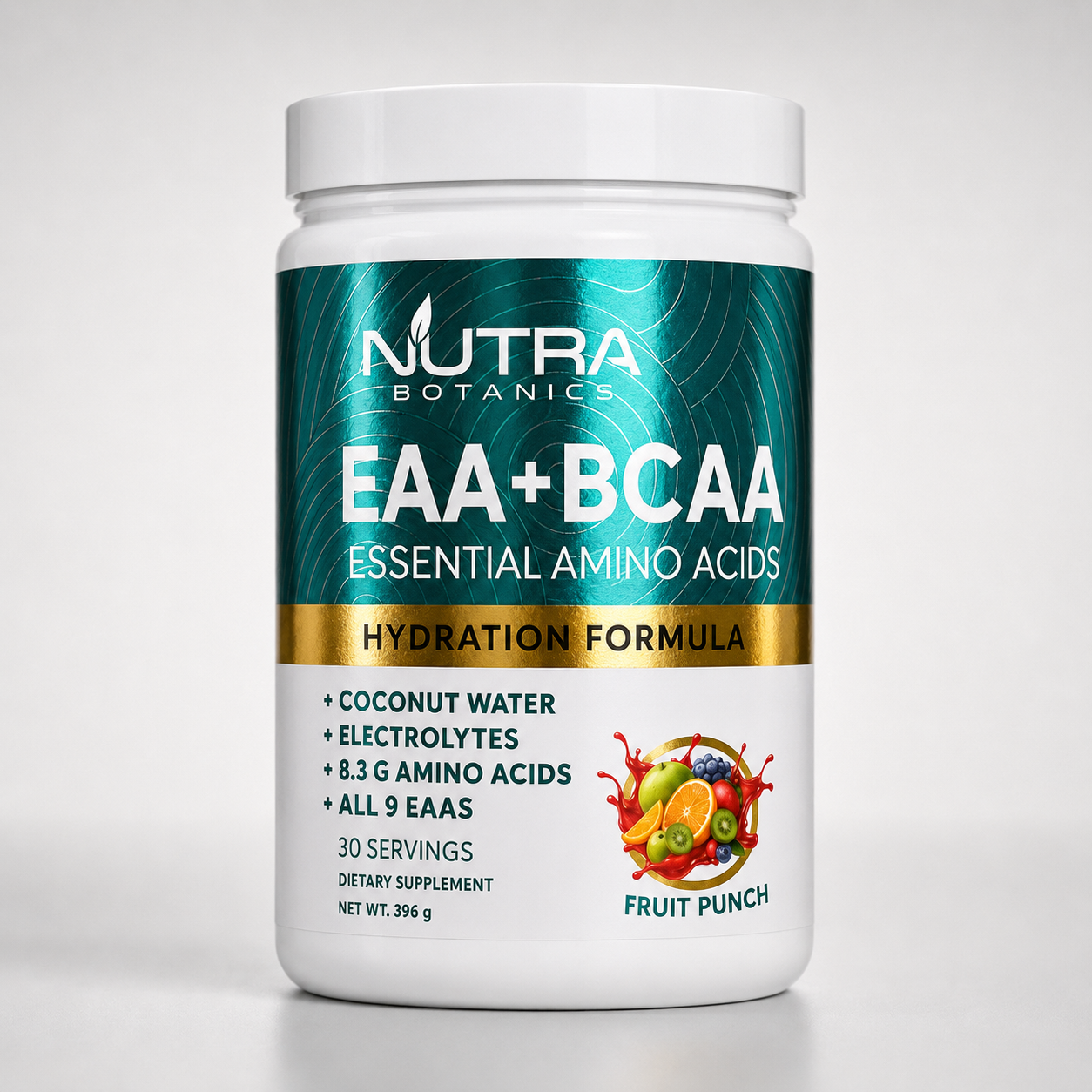
Men's Health Formulas
Ashwagandha · Minerals · Recovery
- Standardized ashwagandha (KSM-66 / Sensoril)
- Zinc, vitamin D, magnesium foundations
- Training recovery and sleep support
- Honest effect sizes, no "alpha" marketing
BrowseFull men's health category
Shop Men's Health