

Zinc matters for testosterone when zinc status is low. Small studies help explain this connection. They do not show that extra zinc raises testosterone in every man. Start with your usual food intake, the amount in a complete serving and whether there is a real nutritional gap.
Four checks before you buy
- Most people in the U.S. consume enough zinc. Do not assume that symptoms mean you are deficient.
- Adult men need 11 mg daily. The adult upper limit is 40 mg from food and supplements combined.
- Compare the elemental zinc amount per full serving, the named form and the complete formula.
- Persistent symptoms deserve an assessment instead of a self-prescribed high-dose course.
What does zinc do for testosterone?
Zinc is an essential mineral involved in protein production, cell signaling and other normal body functions. Adequate intake is part of a sound nutritional foundation. The NIH zinc guide explains these roles and how intake needs differ.
The important distinction is between correcting low zinc and adding more when your needs are already met. A proposed biological mechanism is not proof that a supplement raises your testosterone or improves a testosterone-to-estrogen ratio.
What the testosterone study actually measured
Prasad and colleagues’ 1996 study followed two small groups with different starting zinc status and different interventions. The results help explain why low zinc matters. They are not a prediction of your response to a retail supplement.
| Study group | Group size | Intervention | Before | After | Rounded change |
|---|---|---|---|---|---|
| Young men | 4 | Dietary zinc restriction for 20 weeks | 39.9 nmol/L | 10.6 nmol/L | 73% decrease |
| Older men with marginally low zinc | 9 | Zinc gluconate supplementation, six-month result | 8.3 nmol/L | 16.0 nmol/L | 93% increase |
These are study-group means. The rounded changes are calculated from those means, not an expected individual result or evidence for the finished Testo Boost formula. The two rows are not a zinc-versus-placebo comparison.
Who should look more closely at zinc intake?
NIH says most people in the United States consume enough zinc. Some people need a closer intake review, including those with certain digestive conditions, alcohol use disorder or diets that make zinc harder to absorb.
Meat, seafood, eggs, dairy and fortified cereals provide zinc. Beans, nuts and whole grains also contribute. Plant foods can contain phytates, compounds that bind zinc and reduce absorption. That makes meal composition relevant; it does not mean every person eating a plant-based diet needs a supplement.
The practical step: compare several typical days of eating, including fortified foods and supplements. The 11 mg adult male intake target is a nutritional planning value. It is not a testosterone-treatment dose or a reason to ignore a suspected deficiency.
Does hard training make zinc supplements essential?
A 2006 study in ten wrestlers measured hormones at rest and after exhaustive exercise, before and after four weeks of zinc sulfate use. Everyone received zinc. The abstract does not describe a placebo group.
Without an untreated comparison group, this study cannot show how much of the change came from the supplement. It does not establish that every athlete needs extra zinc. Review your food intake before adding another supplement.
How to compare zinc forms and serving amounts
Supplement Facts lists elemental zinc, the actual amount of zinc supplied. The form appears beside it, such as glycinate, gluconate or citrate. Read the full labeled serving rather than treating one capsule as the whole daily amount.
Absorption research tests specific preparations under specific conditions. One small study compared two formulations in twelve women after a single serving. Another study compared glycinate, gluconate and placebo in young women. These studies do not establish a six-form percentage ranking or identify a best form for testosterone.
- Serving: count the complete capsule or scoop serving.
- Amount: add the elemental zinc in every supplement you use.
- Form: look for its exact name, without assuming a hormone result.
- Whole formula: review the other vitamins, botanicals, directions and warnings.
When is a test or health review useful?
A symptom list cannot confirm zinc deficiency or low testosterone. NIH explains that blood zinc measurements have limitations and can be affected by factors such as timing and illness. A clinician considers the result alongside diet, health history and other findings.
For low testosterone, the Endocrine Society describes diagnosis using compatible symptoms and at least two low early-morning blood tests. A zinc supplement is not a substitute for finding the cause of persistent symptoms.
Keep the total intake and safety limits in view
The adult upper limit is 40 mg of zinc per day from food and supplements combined. It is a safety ceiling, not a target. Medical treatment can use different amounts under a physician’s care.
Too much zinc can cause digestive symptoms and interfere with copper absorption. Adding copper does not make a higher zinc intake automatically safe. Zinc can also interact with some antibiotics and other medicines. Ask a pharmacist or clinician to review the complete combination.
Your next step: check your meals, compare the complete serving and read the warnings. For broader ingredient choices, use the testosterone supplement guide. If symptoms continue, seek an assessment rather than increasing the amount on your own.
Questions about zinc and testosterone
Does zinc raise testosterone?
How much zinc do adult men need?
Which zinc form is best?
How quickly will zinc change testosterone?
Can food provide enough zinc?
Does zinc improve the testosterone-to-estrogen ratio?

Explore the formulas
Related Articles



Sources and label checks
- NIH: zinc intake, food sources, safety and medicine interactions
- Prasad 1996: small zinc-status and serum-testosterone study
- Kilic 2006: exercise measurements in ten zinc-supplemented wrestlers
- Gandia 2007: two zinc preparations and absorption
- DiSilvestro 2015: glycinate, gluconate and zinc-status measures
- Endocrine Society: low-testosterone diagnosis
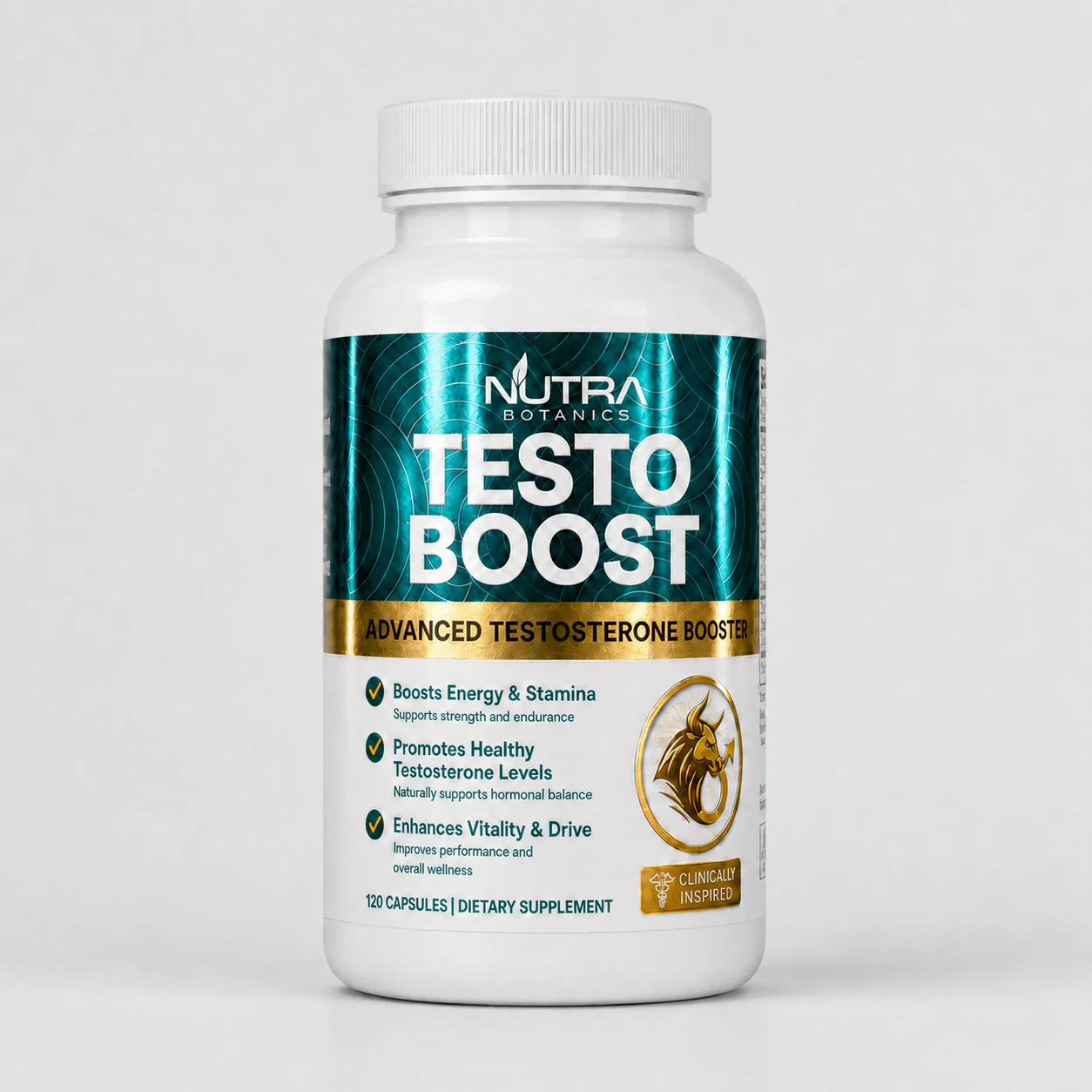
Reviewed October 13, 2026. Testo Boost facts were checked against the approved manufacturer label. Nutra Botanics sells the linked product. The label confirms its contents; it does not show that the finished formula was tested in these studies.