Possible low-testosterone symptoms are a reason to ask questions, not diagnose yourself. A change in sexual function, muscle health or everyday well-being deserves context. Record what has changed, then discuss whether testing is appropriate.
Keep these checks in mind
- No symptom count or birthday can diagnose testosterone deficiency.
- Sexual and physical changes deserve attention, but they can have different causes.
- A blood result needs its test details and your health context.
- Compare supplements separately from deciding whether you need treatment.
1. Persistent low energy
Low energy is worth describing when it affects your day. Note when it began, whether it comes and goes, and whether your sleep or routine changed. Avoid treating afternoon tiredness or one difficult week as proof of a hormone problem.
2. Changes in sexual desire or erections
A sustained change in sexual desire or difficulty getting or keeping an erection can be a reason to discuss testosterone testing. These changes can have other causes too. MedlinePlus lists symptoms considered when testing; a symptom alone does not determine the diagnosis.
3. Changes in muscle or strength
Notice a persistent change in muscle or strength, and explain what you have observed. Include any changes in training, food intake or health. A stalled gym session cannot identify your testosterone level or tell you that a supplement is the answer.
4. Changes in weight or body shape
Describe a change rather than assigning it to testosterone. The pattern and your health history matter. Do not use belly fat or a difficult fat-loss phase as a home diagnostic test or a reason to start a hormone treatment.
5. Changes in mood or motivation
Persistent mood changes deserve attention in their own right. Tell your provider what changed and how it affects daily life. An online low-testosterone checklist cannot explain depression or determine which care you need.
6. Changes in sleep
Bring sleep concerns into the conversation, including heavy snoring, unrefreshing sleep or reported pauses in breathing. They deserve assessment rather than an assumption that testosterone is the cause. Treating a sleep problem should not be presented as a guaranteed hormone increase. Read the MedlinePlus sleep-apnea guide.
7. Concentration or memory concerns
Difficulty concentrating or a noticeable memory change calls for a broader discussion. Do not assume that a testosterone supplement will resolve it. Research on prescribed testosterone and cognition has produced differing results; it does not establish a benefit for a botanical blend.
8. Bone health or other findings on a report
Bone loss is not something you can judge from how energetic you feel. If a clinician identifies low bone density or unexplained anemia, ask what evaluation is appropriate. These findings need medical context rather than a self-prescribed supplement plan.
Turn observations into a useful next step
| What you have | What it can tell you | Useful next step |
|---|---|---|
| A change you notice | What is different in your own routine or health | Record when it started and discuss possible causes. |
| A blood-test report | A measurement with a test name, units and reference range | Ask how to interpret it and whether confirmation is needed. |
| A supplement label | What a product supplies and its labeled serving | Check ingredients and suitability separately from diagnosing symptoms. |
Use the practical appointment checklist to prepare, or read the everyday habits guide for manageable routine changes. You do not need to complete months of supplements before discussing a persistent concern.
Compare the formula on its own terms
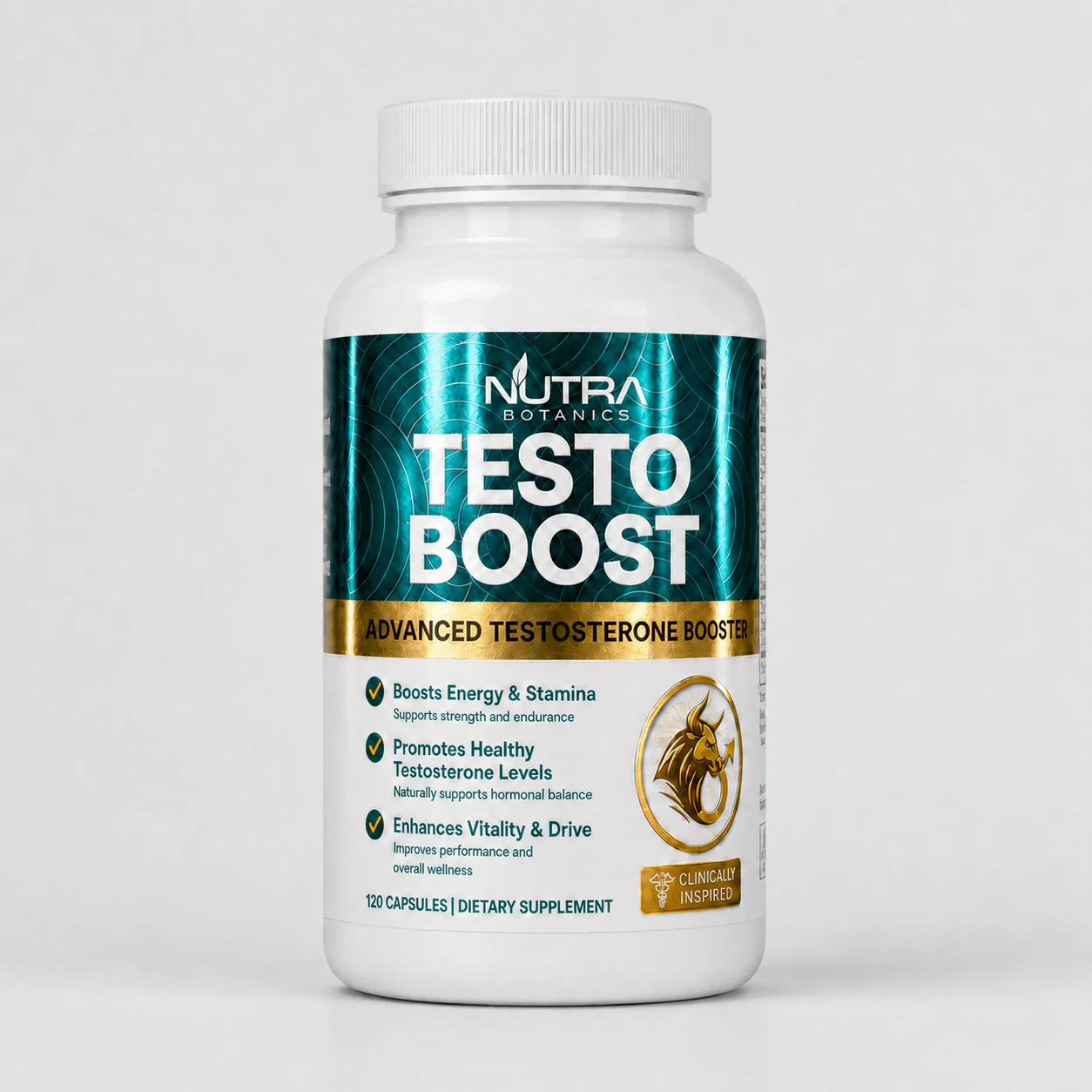
Testo Boost contains 120 capsules and lists four capsules per serving, giving 30 labeled servings. Read the complete ingredients, directions and warnings before choosing. Those facts are separate from whether testosterone deficiency explains your symptoms.
See Testo Boost ingredients and directionsEvidence and product context
The Endocrine Society guideline requires symptoms and consistently low results when diagnosing testosterone deficiency. Your clinician decides which tests and follow-up fit your situation.
This article is published by Nutra Botanics and links to our own product. Serving information was checked against the current approved label. It does not establish a tested treatment effect for Testo Boost.
See the sources and how to use them
Questions about possible symptoms
Can symptoms alone tell me that testosterone is low?
Should I wait until I have three symptoms?
Does low energy always mean low testosterone?
What testosterone number should I aim for?
Can Testo Boost diagnose or treat testosterone deficiency?
What should I bring when discussing symptoms?
Editor's Note · October 14, 2026