
Start by checking whether you need food, whether your meals satisfy you and whether sleep or stress is affecting your routine. A craving alone cannot diagnose low serotonin, high cortisol or a blood-sugar problem. There is no guaranteed instant fix.
Make the next step practical.
- Eat when you are hungry. A pause should not become a rule for ignoring hunger.
- Try a satisfying meal or snack that fits your preferences and dietary needs.
- Notice recurring patterns without assigning yourself a hormone diagnosis.
- Review supplements against their actual labels and medicine warnings.
A craving does not identify its cause
Wanting a particular food and needing to eat can happen together. Familiar routines, enjoyment, surroundings and recent meals can all be relevant. Feeling drawn to sweets after work does not identify a serotonin or cortisol level.
The NIDDK discussion of weight and health includes sleep, medicines and other factors. If appetite changes suddenly or worries you, discuss the pattern with a healthcare professional instead of treating a guessed cause.
Check whether your meals are enough
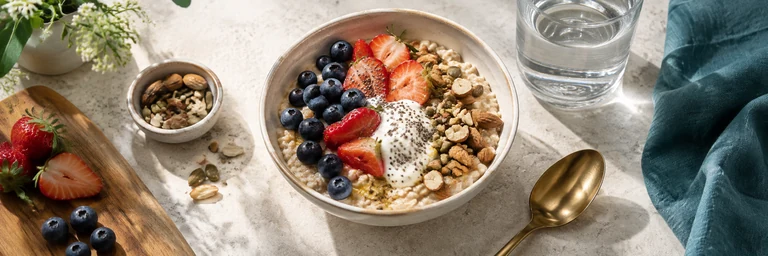
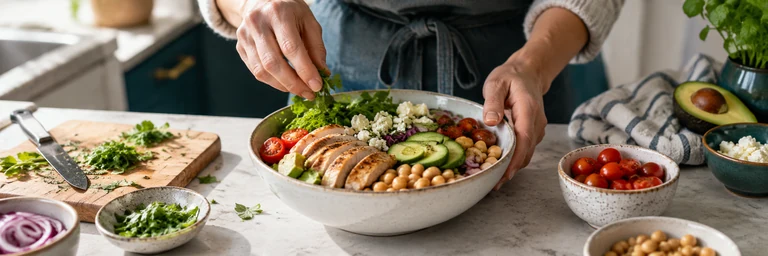
Look at the whole meal rather than banning one food. You might try yogurt with oats and berries, or a bean-and-rice bowl with vegetables. These are examples, not a universal recipe for preventing cravings.
If you are hungry between meals, consider a snack or a more substantial meal. Do not assume hunger means your blood sugar has crashed. If you have diabetes or use glucose-lowering medicine, follow your care plan. Chromium can interact with medicines; it is not a do-it-yourself way to manage suspected glucose problems.
Sleep matters, but percentages are not personal predictions
A review of sleep-restriction experiments found higher average energy intake without a clear change in energy expenditure. It does not establish the same hormone change or craving response after every short night.
Review whether your schedule allows enough rest. If sleep remains difficult, seek help with the underlying issue. The NIDDK sleep guidance gives age-specific context. A supplement cannot replace sleep.
What the breakfast study actually found
A small breakfast trial studied 20 late-adolescent girls who usually skipped breakfast. A higher-protein meal improved some fullness and evening-snacking measures, but daily energy intake did not differ. The findings do not prescribe the same breakfast or protein amount for all adults.
If a light breakfast leaves you hungry, try a more satisfying option that fits your needs. For the wider evidence, the protein review separates fullness findings from later food intake and long-term weight outcomes.
Why evening cravings are not a reason to self-prescribe 5-HTP
5-HTP is a serotonin precursor. Small studies do not show that an evening sugar craving identifies who will benefit. Memorial Sloan Kettering describes limited evidence and potentially serious interactions with medicines that affect serotonin.
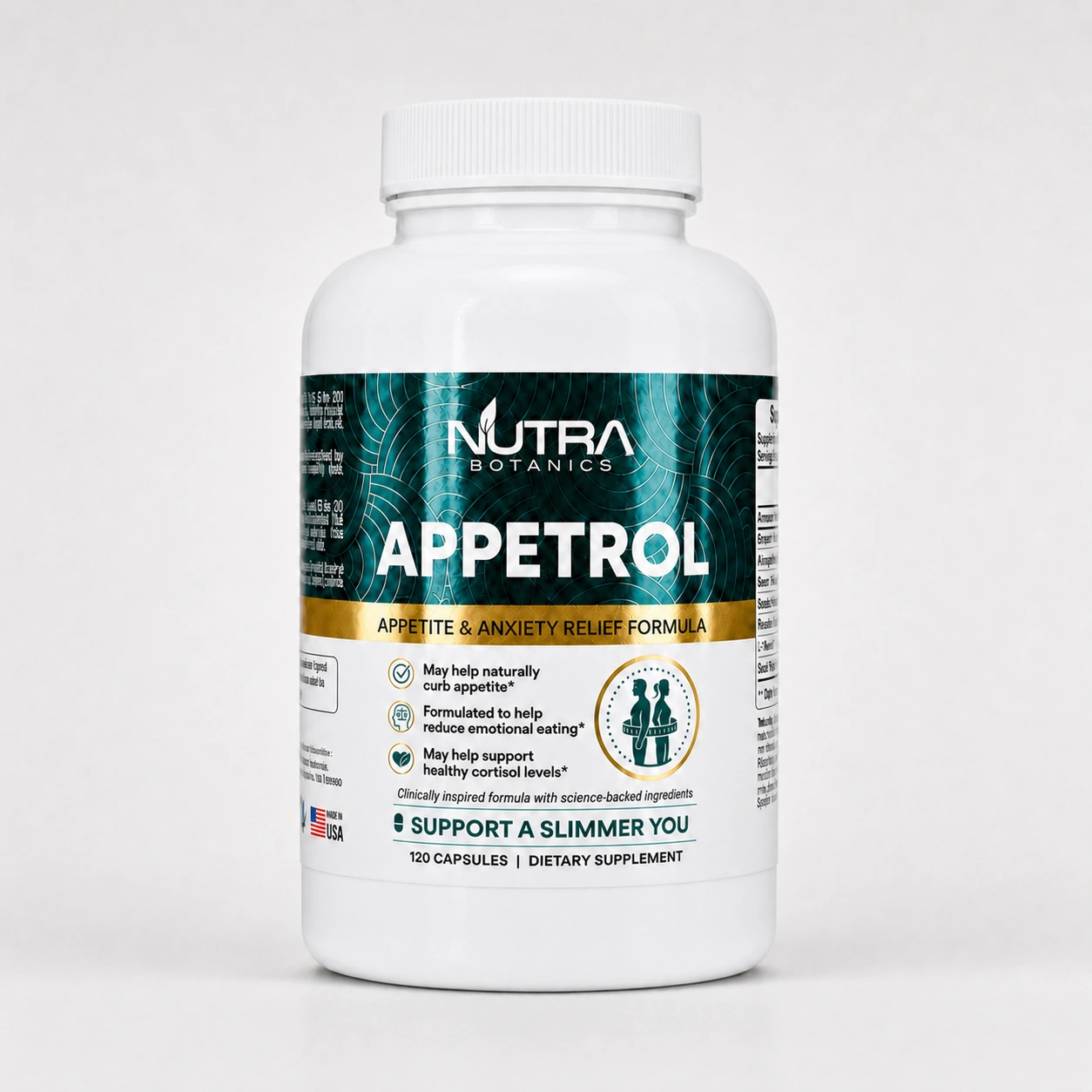
Do not add it to antidepressants or other serotonergic medicines without medical supervision. Appetrol does not list 5-HTP, and research about it does not prove an appetite-control effect from Appetrol.
A simple way to review recurring cravings
- Check hunger first. If you need food, eat. Choose something you enjoy and can access.
- Notice the setting. Record when a craving happens, recent meals, sleep and the situation. Look for a useful pattern rather than a diagnosis.
- Make one practical adjustment. Keep a satisfying snack available or allow time for a proper meal.
- Use a pause only if it helps. Changing activity or surroundings may be useful, but there is no universal timer that makes cravings disappear.
These are options to explore, not guaranteed treatments. Frequent loss-of-control eating, distress or a difficult relationship with food deserves qualified support.
Read the blend before you choose.
Current web label checked October 15, 2026. The labeled serving count is separate from daily directions.
- Labeled serving
- 3 capsules
- Container
- 120 capsules
- Labeled servings
- 40 per bottle
- One-time price
- $34.99 before tax and shipping
Green tea leaf is listed, but the current web facts do not specify total caffeine. Check all directions, warnings and medicine suitability.
Read Appetrol’s ingredients and warningsFor another view, compare complete metabolism formulas. This article does not establish an appetite or weight-loss effect from the finished blend.
Questions about food cravings
Why do I crave sugar all the time?
Meal adequacy, habits, enjoyment, sleep, stress and other factors may be relevant. The craving alone cannot identify low serotonin, high cortisol or a blood-sugar disorder. Discuss persistent or unusual changes with a healthcare professional.
How do I stop food cravings immediately?
There is no guaranteed instant method. If you are hungry, eat. A pause or change of setting may help with a cue-driven urge, but a fixed timer does not reliably eliminate cravings for everyone.
Does 5-HTP reduce cravings?
Small studies have explored appetite and intake, but they do not identify who should use 5-HTP based on the timing or type of a craving. Medicine interactions require professional review.
What should I eat when I am hungry?
Choose enough food and a mix that suits your needs. Yogurt with oats and fruit, or beans with rice and vegetables, are examples. Personal dietary targets depend on your circumstances and any relevant medical guidance.
Does poor sleep affect appetite?
Sleep restriction can affect food intake on average, but study results do not predict a fixed hormone change or craving response for every person. Review your sleep routine and seek help for persistent difficulties.
Does Appetrol contain the ingredients discussed here?
Its current eight-ingredient formula includes chromium and botanical ingredients, but not glucomannan or 5-HTP. An ingredient discussion is not a trial of the complete Appetrol formula.
Sources and scope
Original studies and official guidance are linked beside the topics they support. This educational review was updated October 15, 2026. Nutra Botanics sells Appetrol. Ingredient research and its current product label are separate sources. This article has not received independent medical or nutrition review.