Start with food, the situation and how you feel. If you are hungry, eat. If stress is part of the pattern, try one practical change and seek support when eating feels out of control. A craving alone cannot tell you your cortisol level.
A useful first response.
- Check whether you have eaten enough and have time for a proper meal.
- Notice recurring situations without judging yourself or assigning a hormone diagnosis.
- Use a pause or calming activity only if it helps. It should not become a way to ignore hunger.
- Review any supplement against its actual ingredients and warnings.
Why might eating and stress happen together?
Food can be enjoyable, comforting and part of a familiar routine. Stress and hunger can also happen at the same time. Not every episode has one cause, and eating during a stressful day does not identify a hormone problem.
Look at the setting: a missed lunch, a long workday or a difficult evening. Write down what seems useful to notice, without turning it into a strict food rule. NIDDK’s eating-disorder guidance explains that eating patterns can involve emotional, social and environmental factors as well as other influences.
Do cravings mean your cortisol is high?
No. Cortisol is involved in the stress response, but a preference for sweets cannot diagnose its level or show that it needs lowering. A laboratory measure, a stress questionnaire and an eating-behavior score are different outcomes.
This matters when reading supplement claims. An average change in a hormone during one trial does not predict your response or prove that a product treats stress eating.
What can mindful eating help you notice?
One option is to give a meal more of your attention: put a screen aside, notice the food and check how you feel. Use this as an experiment in awareness, not a test you can fail or a rule to stop eating.
A small randomized mindfulness study followed 47 women with overweight or obesity for four months. The program improved some awareness, anxiety and eating-in-response-to-cues measures. Groups did not differ on average cortisol response, weight or abdominal fat.
That exploratory study does not establish the best method for everyone or a fixed number of weeks to change a habit. It is also different from professional treatment for an eating disorder.
What do ashwagandha studies actually show?
A small trial in 52 adults with chronic stress tested a specific standardized root extract for eight weeks. It reported improvements in craving-related questionnaires and other measures. It did not test the finished Appetrol formula or immediate relief from one capsule.
Stress support and appetite suppression are different questions. Read our ashwagandha preparation and study guide for the trial details and why extract identity matters.
NCCIH’s safety overview says to avoid ashwagandha during pregnancy and breastfeeding. It is not recommended with thyroid or autoimmune disorders or before surgery. Review medicine interactions before use. Rare liver injury has been reported. A capsule is not a substitute for support with distressing eating.
Make one practical plan for the difficult moment
- Check hunger. If you need food, have a satisfying meal or snack.
- Name the situation. For example: “I have missed lunch and I am finishing a difficult workday.” That is more useful than guessing a hormone level.
- Choose an optional support. A break, a short walk, music or a breathing exercise may suit the moment. Eat as needed as well.
- Review what helped. Adjust the plan if it creates more pressure or makes you ignore hunger.
These are examples to try, not a promise that a craving will disappear. Different situations may need different kinds of support.
Keep food accessible and know when to get help
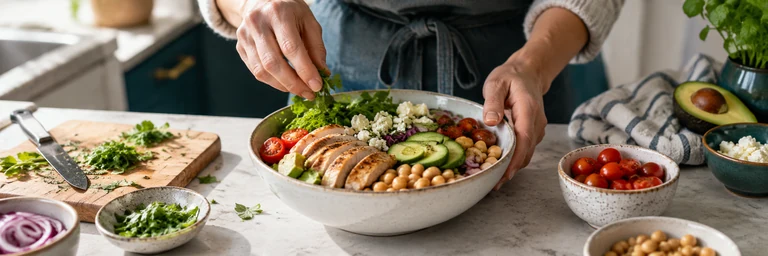
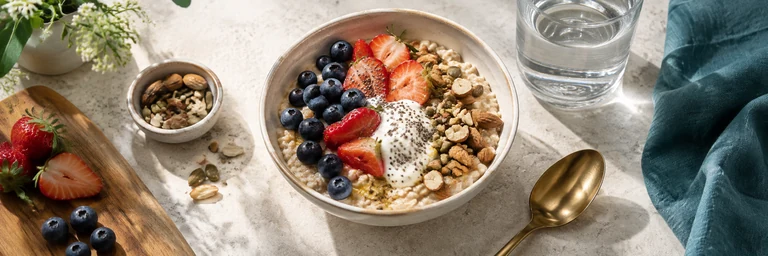
If work makes meals difficult, keep a suitable snack available or protect time for lunch. Yogurt and fruit, or toast with a topping you enjoy, are examples. Choose around your preferences, dietary needs and access.
Do not assume one food can correct cortisol or serotonin. A balanced routine is different from treating a diagnosed condition. Avoid making food forbidden as a self-treatment.
Stress eating is not automatically binge-eating disorder. Feeling unable to stop eating, recurrent episodes or significant distress deserve qualified help. NIDDK describes signs to discuss with a healthcare professional. This article cannot diagnose an eating disorder.
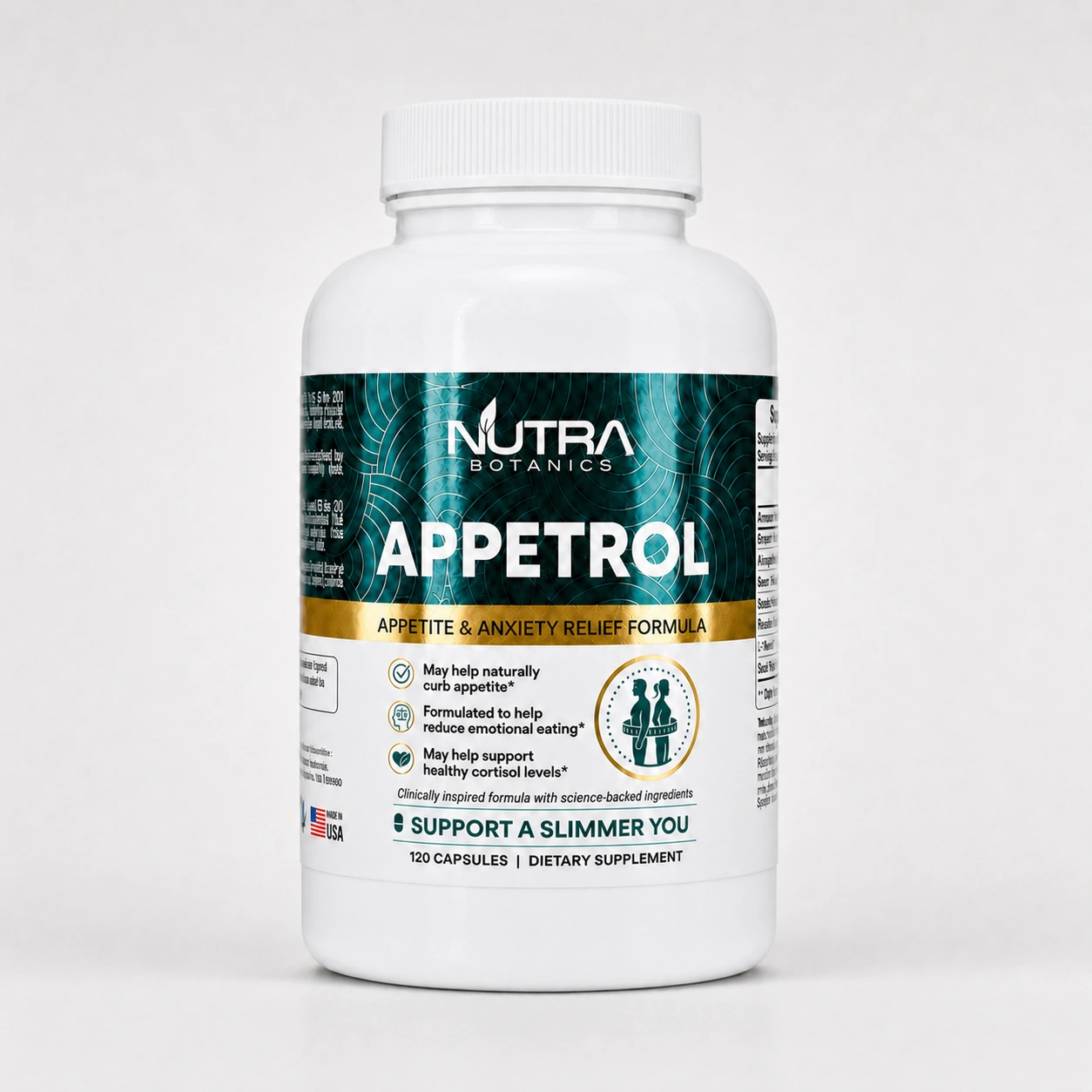
Read the blend before you choose.
Current web label checked October 15, 2026. The labeled serving count is separate from daily directions.
- Labeled serving
- 3 capsules
- Container
- 120 capsules
- Labeled servings
- 40 per bottle
- One-time price
- $34.99 before tax and shipping
Green tea leaf is listed, but the current web facts do not specify total caffeine. Check all directions, warnings and medicine suitability.
Read Appetrol’s ingredients and warningsFor another view, compare complete metabolism formulas. This article does not establish an appetite or weight-loss effect from the finished blend.
Questions about stress eating
Why do I eat when I am stressed?
Eating can relate to comfort, routine, hunger and the situation around you. Stress and hunger can happen together. The pattern alone does not diagnose a cortisol problem or identify one cause.
What can I do when a craving starts?
First check whether you need food. If you do, eat. A brief pause or calming activity may be useful, but it should not become a rule for ignoring hunger. Look for a practical change that fits the situation.
Does ashwagandha stop stress eating?
A small trial reported improvements in craving-related measures with one specific extract. It does not establish immediate relief, the same result for everyone or an effect from the finished Appetrol blend.
Is stress eating an eating disorder?
Not automatically. Recurrent loss-of-control eating or significant distress should be discussed with a qualified professional. An article cannot determine whether you meet the criteria for an eating disorder.
Is there a food that lowers cortisol or stops cravings?
No single food in this guide is a treatment for a hormone problem. Choose enough food and options you enjoy and tolerate. The snack and meal suggestions are examples, not prescribed ways to change a hormone level.
How long will changing the pattern take?
There is no universal timetable. Research programs and everyday habits differ. Review what is helping and seek qualified support if the pattern remains distressing or feels out of control.
Sources and scope
Original studies and official guidance are linked beside the topics they support. This educational review was updated October 15, 2026. Nutra Botanics sells Appetrol. Ingredient research and its current product label are separate sources. This article has not received independent medical or nutrition review.