
Ashwagandha has been studied for stress-related food cravings, but the evidence does not establish a fast appetite suppressant or the same result from every blend. Check the extract, measured outcome and complete label before choosing a product.
Before you choose
- Look at the kind of extract, the people studied and the complete product.
- Appetrol combines several ingredients; it is not the single-extract preparation tested in that trial.
- Check directions and suitability before adding a formula to your routine.
Stress eating has more than one driver.
When cravings arrive, it helps to look at your whole day: meals, rest, stress and the situations where snacking becomes automatic. A supplement is one possible part of a routine, not a replacement for regular nutrition or care. Describing hunger as purely hormonal overlooks the many reasons people eat.
Where ashwagandha fits.
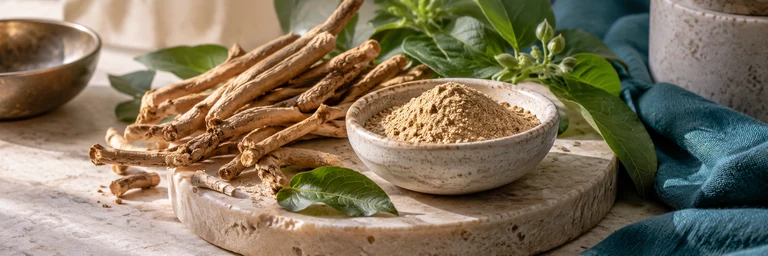
Ashwagandha, or Withania somnifera, is an ingredient in some stress-support formulas. Its preparations differ: root powder, root extracts and root-and-leaf extracts are not interchangeable. NCCIH’s overview describes evidence for some preparations in stress and sleep, while noting that studies often use small samples and different extracts.
What did the appetite study actually measure?
The Choudhary trial enrolled 52 adults with chronic stress and overweight. Participants received a standardized root extract, 300 mg twice daily, or placebo for eight weeks. Researchers measured food-craving questionnaires, perceived stress, eating behavior and body weight. Improvements were reported in several craving-related measures.
This small trial tested one extract over weeks, not immediate hunger relief. Its results do not establish Appetrol’s effects.
A separate Lopresti study tested a different standardized extract in 60 adults over 60 days. It evaluated stress, anxiety scores and hormone measures, not food cravings. That distinction matters: a stress result should not be presented as an appetite result. These studies used different preparations, and their amounts are research details, not personal dosing instructions.
Stress support or a different approach?
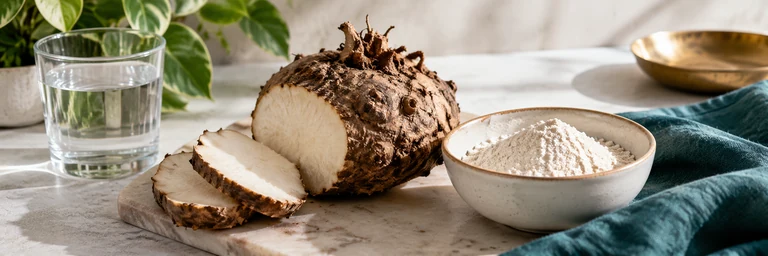
Start with the question you want answered. A stress-support botanical, a dietary fiber and a stimulant formula have different ingredients and directions. Do not treat them as interchangeable because their marketing mentions appetite.
- Stress-related snacking: review the botanical extract and full formula alongside the situations where cravings happen.
- Fiber products: check the actual fiber, directions and water requirement. Read the glucomannan guide for a separate comparison.
- Multiple formulas: check overlapping actives and stimulant ingredients before combining them.
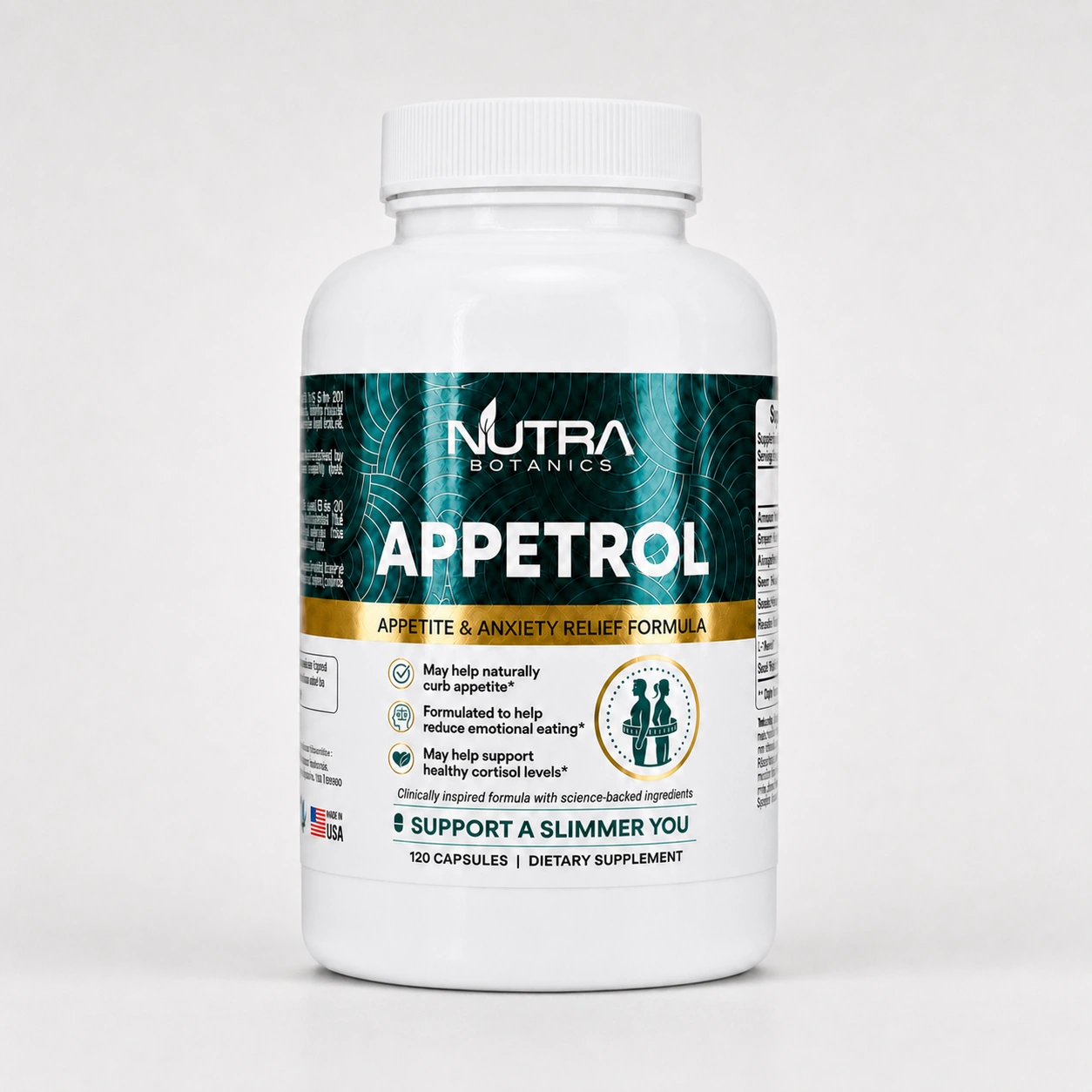
Inside Appetrol: compare the whole formula.
Appetrol’s current web formula lists chromium, garcinia, ashwagandha, green tea, bacopa, rhodiola, L-theanine and black pepper. It does not list glucomannan or 5-HTP. The label does not establish that its ashwagandha matches the standardized extract tested in either trial.
Use the complete Appetrol formula panel to review ingredients, Supplement Facts, directions and warnings together. Check the current one-time price and purchase terms on the same page. A headline ingredient amount alone does not identify the extract or establish that it matches a published trial.
Check suitability first.
According to NCCIH, ashwagandha should be avoided during pregnancy and breastfeeding. Thyroid or autoimmune conditions, upcoming surgery and medication use can also affect suitability. Side effects and interactions are possible, and rare liver injury has been reported. Ask a healthcare professional about your circumstances before using it. Read NCCIH’s safety guidance.
Read the blend before you choose.
Current web label checked October 15, 2026. The labeled serving count is separate from daily directions.
- Labeled serving
- 3 capsules
- Container
- 120 capsules
- Labeled servings
- 40 per bottle
- One-time price
- $34.99 before tax and shipping
Green tea leaf is listed, but the current web facts do not specify total caffeine. Check all directions, warnings and medicine suitability.
Read Appetrol’s ingredients and warningsFor another view, compare complete metabolism formulas. This article does not establish an appetite or weight-loss effect from the finished blend.
Questions about ashwagandha and appetite
Can ashwagandha help with food cravings?
A small eight-week trial in adults with chronic stress measured craving-related outcomes and reported improvements. It does not establish an immediate appetite-suppression effect, an effect for everyone or the same results from a different finished formula.
Is stress support the same as appetite suppression?
No. Stress scores and food-craving questionnaires measure different outcomes. Check what a study actually measured before interpreting a claim about appetite.
Should I follow a study dose?
A trial dose describes a particular preparation and study, not personal directions. Use the product’s current label and discuss suitability with a healthcare professional.
Does Appetrol contain only ashwagandha?
No. Appetrol combines ashwagandha with L-theanine, chromium and other botanicals. Review its complete Supplement Facts and directions rather than comparing only the headline ingredient.
Can I combine several appetite formulas?
Check the ingredients and precautions together with a healthcare professional. Overlapping stimulants or botanicals can change suitability.
Sources and scope
Original studies and official guidance are linked beside the topics they support. This educational review was updated October 15, 2026. Nutra Botanics sells Appetrol. Ingredient research and its current product label are separate sources. This article has not received independent medical or nutrition review.