
Key Takeaways
- Cruciferous vegetables (broccoli, cauliflower, Brussels sprouts) support phase II liver detoxification pathways
- Garlic, onions, and leafy greens provide sulfur compounds and glutathione precursors
- Beets, artichoke, and dandelion greens specifically support bile flow and liver clearance
- Adequate hydration (64+ oz daily) is non-negotiable for kidney-driven clearance
- Whole foods consistently outperform juice cleanses — fiber is part of the detox mechanism, not an obstacle to it
Related reading: Choosing a Gut Cleanse, Detox vs Cleanse, 7 Signs Your Gut Needs a Detox, Best Supplements for Liver Health.
Cruciferous Vegetables: The Detox Powerhouse
Broccoli, cauliflower, Brussels sprouts, kale, and cabbage are some of the most researched foods for liver detox support. They contain glucosinolates, which are metabolized into sulforaphane and indole-3-carbinol — compounds that upregulate phase II liver detoxification enzymes, which are responsible for making neutralized toxins water-soluble for excretion.
A 2011 study found that eating broccoli sprouts significantly increased urinary excretion of benzene and acrolein (common environmental carcinogens) — a direct measurable detox effect. Aim for at least one serving of cruciferous vegetables daily during any detox period. Light steaming preserves enzyme activity better than boiling.
Beets: Glutathione and Bile Flow Support
Beets contain betaine (trimethylglycine), which supports methylation — a critical step in phase II liver detoxification. Betaine helps the liver process and excrete fat-soluble toxins that have been neutralized by phase I enzymes. Beets also contain betalain pigments with strong antioxidant and anti-inflammatory properties.
Beet juice has been shown in research to protect against oxidative-stress-induced liver damage and to support bile flow. Regular consumption (½ cup cooked beets or 4–8 oz beet juice daily) provides meaningful support for liver detox pathways, particularly for people with high environmental chemical exposure.
Garlic and Allium Vegetables
Garlic, onions, leeks, and shallots contain organosulfur compounds — particularly allicin and diallyl disulfide — that activate liver detox enzymes and increase glutathione production. Garlic has been shown in animal and human studies to protect the liver from oxidative damage caused by heavy metals, alcohol, and toxic compounds.
Garlic also has potent prebiotic properties, feeding beneficial gut bacteria that support the gut's own detox functions. The catch: cooking reduces allicin content significantly. Lightly cooked or raw garlic in dressings, dips, or added to food after cooking preserves more of its detox-supporting compounds.
Green Tea: EGCG and Liver Protection
Green tea contains epigallocatechin gallate (EGCG), a potent catechin that has been extensively studied for its effects on liver health. EGCG supports glutathione synthesis, reduces liver inflammatory markers, and has shown hepatoprotective effects in both animal and human studies.
However, there's an important nuance: very high doses of green tea extract (in supplement form, not brewed tea) have been associated with rare cases of liver toxicity. This is a dose-dependent effect — brewed green tea (2–4 cups/day) is consistently safe and beneficial. If using green tea extract supplements, stay within recommended doses.
This is a dose-dependent effect — brewed green tea (2–4 cups/day) is consistently safe and beneficial.
Lemon and Citrus: Hydration and D-Limonene
The popularity of "lemon water for detox" isn't entirely unfounded, though the mechanism is more modest than wellness culture suggests. Citrus fruits contain d-limonene, a compound found in the peel that has been shown to induce phase II detoxification enzymes and support bile flow in animal models. Lemon juice also mildly stimulates bile production and supports adequate hydration — a critical component of kidney-based toxin elimination.
The more impactful role of lemon water in a detox protocol is simply as a vehicle for hydration. Starting the day with 16–24 oz of water (with or without lemon) jumpstarts kidney filtration and bile flow after overnight fasting. Aim for 2–3 liters of total daily water intake.
Turmeric: Liver Enzyme Support and Anti-Inflammation
Curcumin, the active compound in turmeric, has well-documented anti-inflammatory and antioxidant effects that extend to the liver. Studies show curcumin reduces liver inflammatory markers, protects hepatocytes from oxidative damage, and supports bile production. It's also been shown to reduce liver fat accumulation in non-alcoholic fatty liver disease.
The key limitation is bioavailability — curcumin is poorly absorbed on its own. Look for turmeric with piperine (black pepper extract, which increases curcumin absorption by up to 2,000%) or in phospholipid-bound forms (like Meriva or BCM-95). Cooking turmeric with fat also improves absorption.
NutraBotanics Detox & Cleanse Support
Milk thistle, NAC, artichoke leaf, and dandelion root — the research-backed ingredients your liver actually needs.
Shop Detox Support →Frequently Asked Questions
What are the best foods for liver detox?
Does lemon water actually detox your body?
How much broccoli should I eat for detox benefits?
Is garlic good for liver health?
Can food alone be enough for a detox?
What foods should I avoid during a detox?
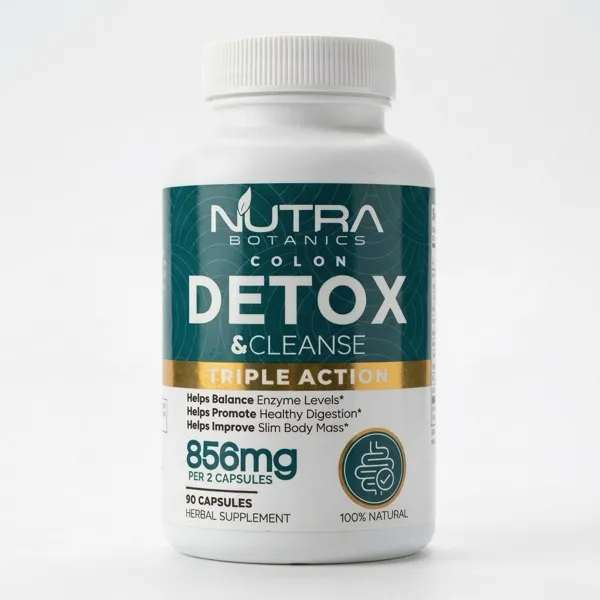
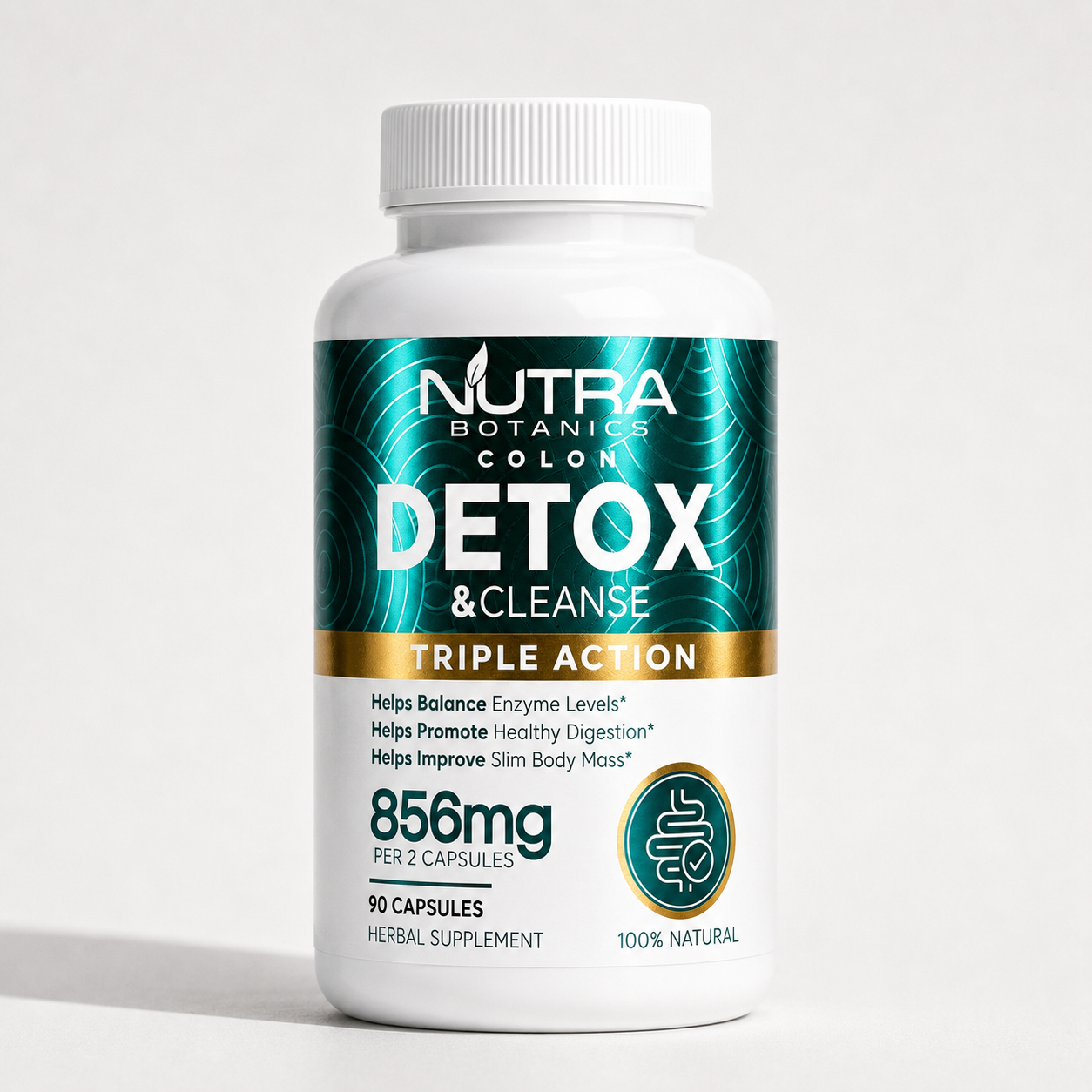
Colon Detox & Cleanse
14-ingredient herbal blend · fiber + probiotics
- 856mg proprietary blend with traditional botanicals
- Fiber and probiotic support for digestive balance
- Gentle daily use · no harsh laxatives
- GMP & NSF certified · PhD-supervised testing
See pricingFree shipping over $75
Shop Colon Detox & Cleanse
Explore Detox & Cleanse
Browse the Nutra Botanics detox range
- Colon, herbal, and digestive-support options
- Compare formats, dosing, and ingredient stacks
- Daily-use formulas · no harsh cleanses
- GMP & NSF certified · PhD-supervised testing
Shop the rangeSubscribe & save 20%
Browse Detox