
Key Takeaways
- At clinically studied doses of 3–6g/day, CLA is generally well tolerated — most reported effects are mild GI discomfort
- Taking CLA with a meal containing fat reduces the most common side effects
- Some trials have observed changes in insulin sensitivity at very high doses; moderate dosing avoids this
- Those on blood-thinning medication or with liver conditions should consult a healthcare provider first
- Pregnant or nursing individuals should not supplement with CLA
Related reading: CLA Dosage, Does CLA Actually Work, CLA Benefits for Men, CLA for Women Over 40.
Most Common Side Effects
The most frequently reported side effects from CLA are gastrointestinal in nature. These include nausea (especially when taken on an empty stomach), loose stools or diarrhea, stomach cramping, and bloating. These effects are dose-dependent — they're more common at higher doses (5g+) and significantly less common when CLA is split into smaller doses taken with meals.
In clinical trials, GI side effects are most common in the first 1–2 weeks of use and often diminish as the body adapts. Starting with a lower dose (1–2g) and building up to 3–4g over 2 weeks can help minimize early digestive discomfort.
CLA and Insulin Sensitivity
This is the most scientifically debated concern around CLA safety. Some human studies have found that the t10,c12 isomer of CLA may reduce insulin sensitivity in certain populations — specifically overweight individuals and those with existing insulin resistance. A few studies have noted increased fasting blood glucose or reduced insulin secretion with high doses of the t10,c12 isomer.
However, other research has found no negative effect on insulin sensitivity at standard doses (3–4g), and several studies found mixed isomer formulas (containing both c9,t11 and t10,c12) had a more neutral effect on glucose metabolism than t10,c12 alone.
Lipid and Liver Markers
Early research raised concerns about CLA potentially increasing C-reactive protein (CRP) and LDL cholesterol. More recent and higher-quality trials have largely not replicated this finding at standard doses. Long-term studies (12–24 months) in healthy adults have shown no clinically meaningful changes in lipid panels or liver enzymes at 3–4g per day.
Early research raised concerns about CLA potentially increasing C-reactive protein (CRP) and LDL cholesterol.
Who Should Be Cautious
People with type 2 diabetes or insulin resistance should discuss CLA with their doctor and monitor blood glucose markers. Pregnant and breastfeeding women should avoid CLA supplementation due to insufficient safety data in these populations. People on blood-thinning medications should note that CLA may have mild antiplatelet effects at high doses.
Try NutraBotanics CLA
Our CLA uses high-purity safflower oil extract — tested for potency and manufactured to strict quality standards.
Shop CLA →Frequently Asked Questions
Is CLA safe to take long-term?
Why does CLA upset my stomach?
Can CLA affect blood sugar?
Can I take CLA if I have diabetes?
CLA Softgels
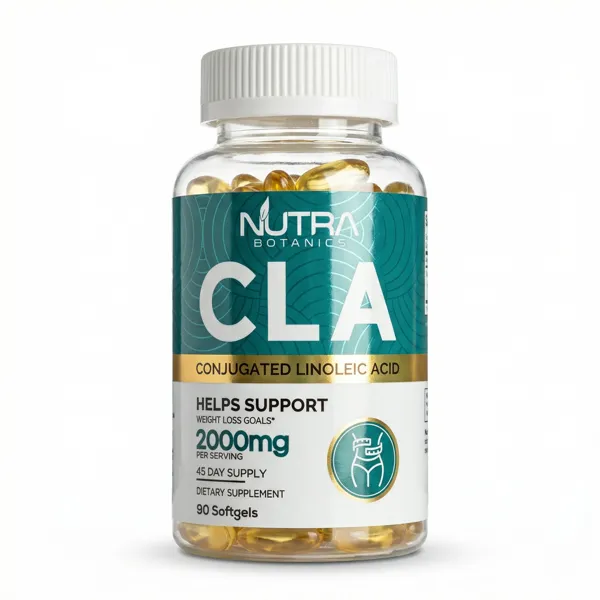
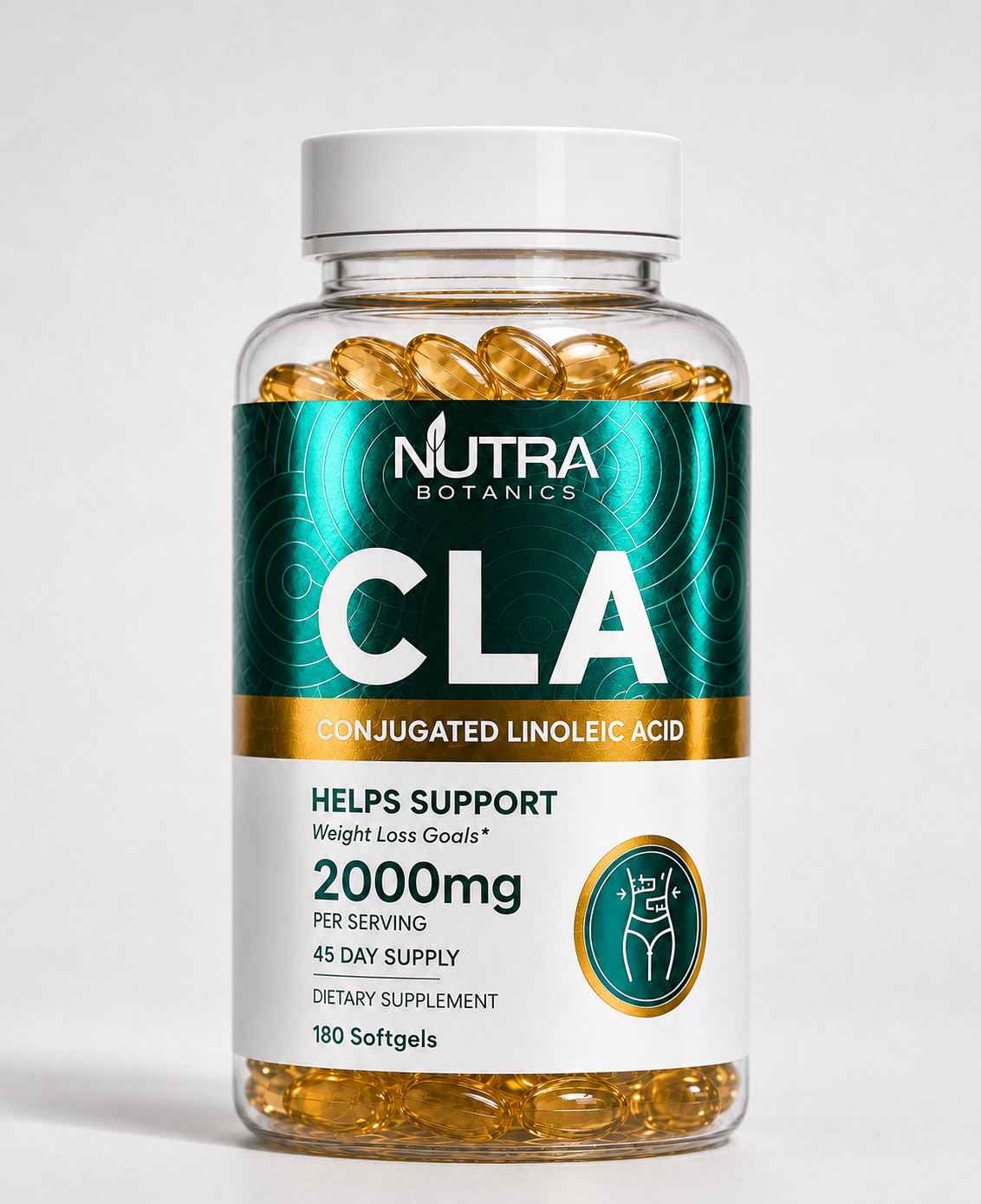
Safflower-derived · 90 softgels
- 1,000mg Conjugated Linoleic Acid per softgel
- Supports body composition goals alongside training
- Non-stimulant · appropriate for long-term use
- GMP & NSF certified · PhD-supervised testing
$24.95Free shipping over $75
Shop CLA Softgels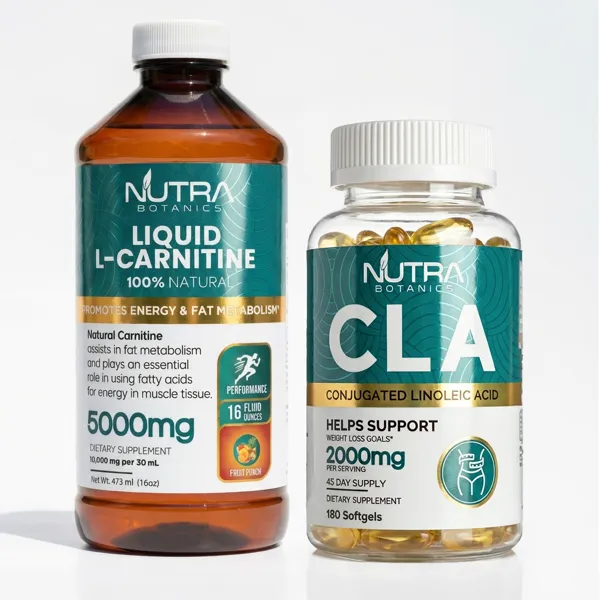
Explore Weight Management
Browse the Nutra Botanics weight management range
- CLA, L-carnitine, appetite support, and bundles
- Compare formats, dosing, and stack partners
- Find the right fit for your composition goals
- GMP & NSF certified · PhD-supervised testing
Shop the rangeSubscribe & save 20%
Browse Weight Management