Choose a metabolism supplement by its ingredient, label and purpose. A role in your body's energy processes does not automatically mean a supplement causes weight loss. Look for a clear fit with your routine, rather than a promise to burn a fixed percentage more calories.
What to know before you buy
- Compare the ingredient amount per serving, the daily directions and any caffeine.
- Keep normal roles in the body separate from demonstrated supplement results.
- Choose food and activity habits you can maintain. A supplement adds a separate buying decision.
A useful starting point is a sustainable eating plan and regular physical activity, as explained by NIDDK's weight-management guidance. Our guides to daily metabolism habits, metabolism after 40 and possible signs of a slow metabolism explore those questions further.
Green tea extract: check the caffeine and concentration
Green tea contains plant compounds called catechins, including EGCG. Products with catechins and caffeine may have a small effect on body weight; results vary with the formula and the person. A tea leaf amount does not tell you the exact EGCG or caffeine content. NCCIH explains green tea's evidence and safety.
For your shopping list: read the caffeine information alongside any coffee, pre-workout or other stimulant you use. Concentrated green tea extracts can cause digestive upset, and uncommon liver injuries have been reported. Check medication use with a healthcare professional.
Our green tea extract guide goes deeper. The thermogenics guide explains the term for ingredients studied for effects on heat production and energy use.
L-carnitine: a role in using fat for energy
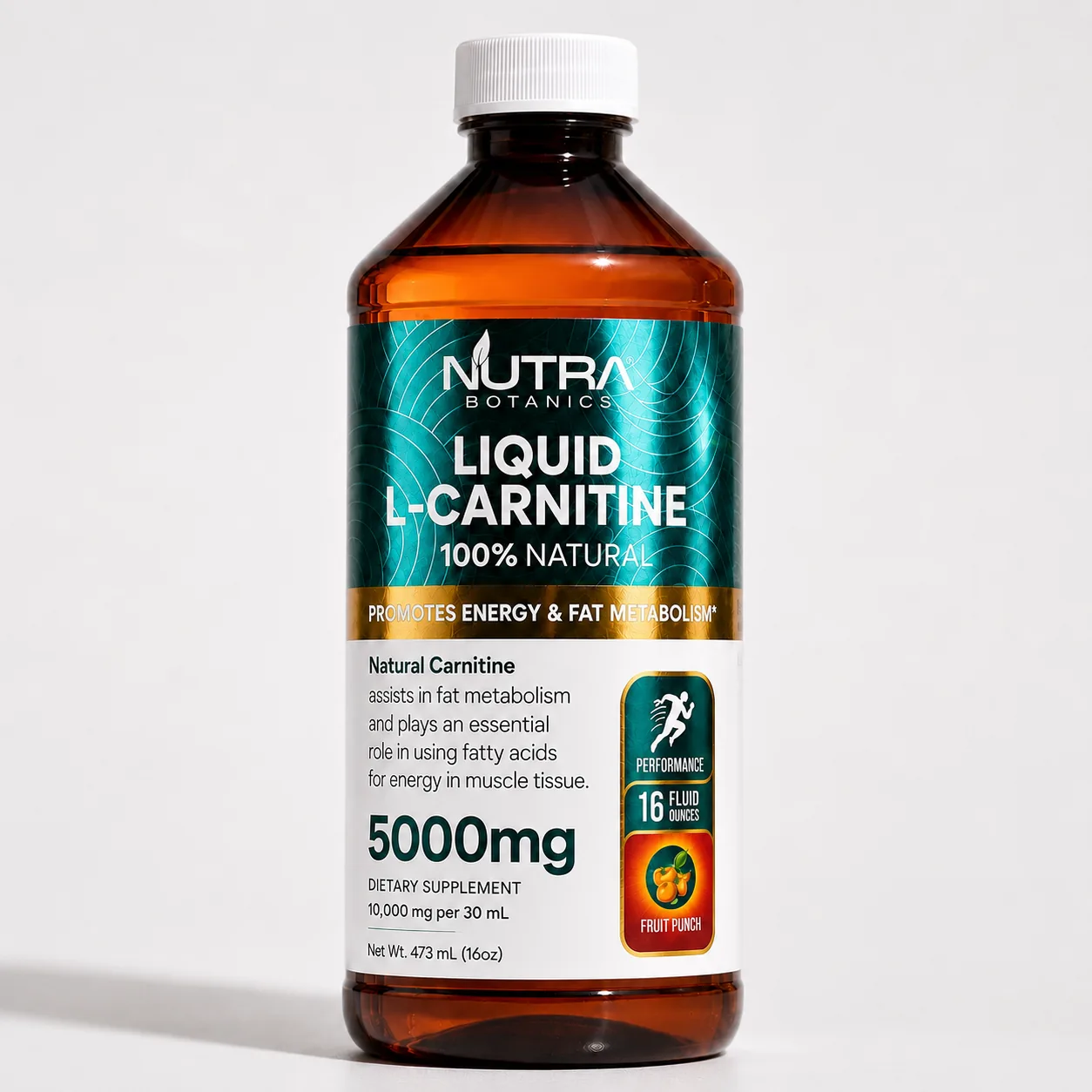
L-carnitine helps move fatty acids into the parts of cells that use them for energy. Most healthy people make enough carnitine. Supplement studies have found mixed weight-loss results, so this normal transport role is not a promise that taking more will burn more body fat. NIH's carnitine review distinguishes the two.
For your shopping list: compare liquid volume, ingredient amount and measuring directions. Larger supplemental amounts can cause nausea, cramps, diarrhea or a fishy body odor. Read the warnings, especially with medication or a seizure disorder.
The current Nutra Botanics Liquid L-Carnitine label lists 5,000 mg per 15 mL serving. The front's 10,000 mg per 30 mL describes twice that volume, not an instruction to double your serving. Use your current bottle directions. For more context, read L-carnitine's role and practical label checks.
Chromium: distinguish a mineral from a craving solution
Chromium is studied for possible effects on insulin action, appetite and body weight. Reported weight changes are very small. That does not establish chromium as a dependable way to control cravings, treat blood sugar problems or increase everyday energy. NIH's chromium review explains the findings.
For your shopping list: check chromium across all your supplements rather than stacking products with the same mineral. It can interact with insulin, other diabetes medicines and levothyroxine. A higher number on the label is not a reason to increase use.
If appetite is your main concern, our appetite and fullness guide covers that separate buying question.
CoQ10: cell energy is a different goal from fat loss
CoQ10 occurs naturally in the body and helps cells make energy, as described in the National Cancer Institute's CoQ10 definition. This explains its biological role; it does not establish a weight-loss benefit from taking a supplement.
For your shopping list: choose CoQ10 for a specific, informed reason. Being over 40 or taking a statin does not automatically make it necessary. NCCIH reports that the overall evidence does not support CoQ10 for statin-related muscle pain. It can also interact with warfarin and insulin. See NCCIH's CoQ10 guidance before combining it with treatment.
B vitamins: address an intake gap, not a bigger burn
Vitamin B12 contributes to normal energy metabolism. Extra B12 does not improve performance or endurance when your B12 status is already adequate. Foods fortified with B12 or supplements can help people following a vegan diet meet their needs. NIH's B12 guidance explains intake and absorption.
For your shopping list: do not choose a B12 product solely because it says “methylated.” NIH finds no evidence that absorption differs by the supplement's B12 form. Persistent fatigue deserves a proper assessment instead of guessing which vitamin you need.
Before buying: look past the big promises
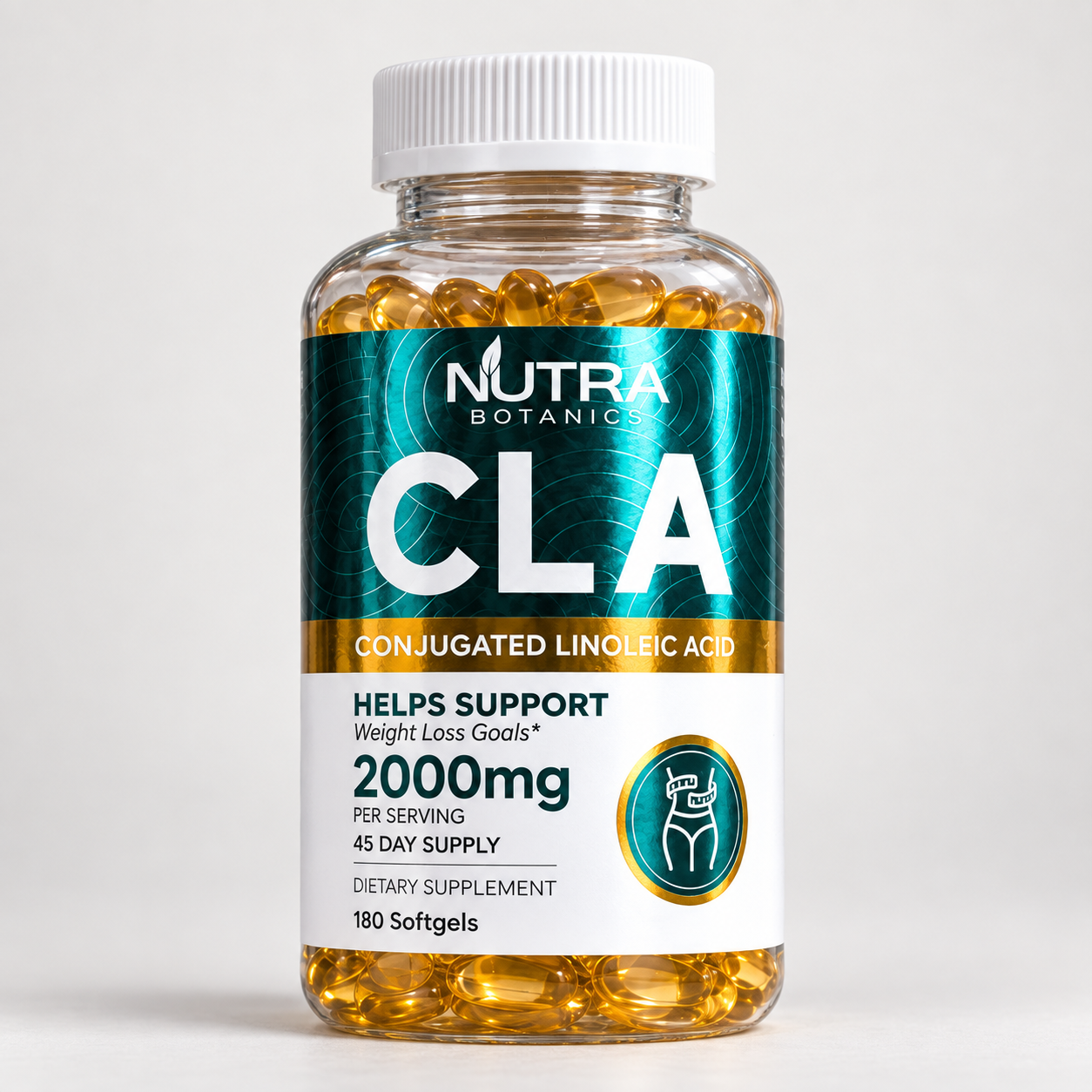
NIH's weight-loss ingredient review reports limited or small effects for many popular ingredients. CLA has minimal average effects on weight and body fat. Garcinia has little or no weight-loss effect. Research on raspberry ketones does not establish a benefit when used alone.
Studies also use different ingredients, amounts, groups and outcomes. A short-term calorie-use measurement and a months-long weight change cannot be ranked on the same percentage bar. Combining ingredients does not prove that their effects add together.
- Read the complete label: ingredient amounts, serving size, directions and warnings.
- Check the research match: the studied extract and amount may differ from the product in your cart.
- Choose a manageable routine: format, dietary preferences and directions matter more than a long ingredient list.
For practical habits and warning signs in marketing, see NIDDK's guide to choosing a weight-loss program. Our supplement-combination guide provides additional context; check each bottle separately before combining products.
Frequently Asked Questions
What is the best supplement to boost metabolism?
Do metabolism supplements actually work?
What is L-carnitine good for?
Is CoQ10 good for metabolism?
Does chromium help with weight loss?
Should I take a B-complex for metabolism?