Turning 40 does not automatically put your metabolism into a lower gear. Changes in movement, muscle, meals, sleep and health can affect your weight and energy. Start with what has changed in your own routine, then build habits you can maintain.
Key takeaways
- Research does not support a sudden metabolic drop at 40 for everyone.
- Strength training, regular movement and balanced meals give you useful places to start.
- Persistent fatigue or unexplained weight changes deserve attention, rather than a supplement chosen by age alone.
Related reading: Practical metabolism habits, Compare metabolism ingredients and labels, Slow metabolism symptoms and next steps and Green tea extract and metabolism.
What changes after 40?
In a large study of energy use across the lifespan, expenditure adjusted for fat-free mass was broadly stable between ages 20 and 60. That is a population finding, not a promise that your calorie needs stay unchanged.
A desk job, an injury, different meals or less sleep can change your daily pattern. Medicines and health conditions can also affect weight. NIDDK explains these influences. Age alone cannot tell you which one matters most for you.
| Habit | Why it matters | Your first step |
|---|---|---|
| Strength training | Helps you build strength and supports muscle as you age. | Plan manageable sessions that work the major muscle groups. Build up gradually. |
| Daily movement | Walking and everyday activity count alongside planned workouts. | Choose a repeatable walking break or active errand. Track it against your current routine. |
| Balanced meals | Protein foods and a varied eating pattern support your nutritional needs. | Include a protein food, vegetables or fruit, and other foods that fit your needs. |
| Sleep | Too little sleep can affect hunger, food choices and how you feel. | Keep a regular bedtime and note problems that make restful sleep difficult. |
| Health and medicines | Some conditions and medicines influence weight or energy. | Discuss persistent or unexplained changes with your clinician. Do not stop prescribed medicine yourself. |
Build strength you can use
Strength training can support muscle and make everyday tasks easier. A review of resistance exercise in adults aged 50 and older found gains in lean body mass. It does not establish a fixed calorie boost or the same result for everyone.
CDC adult activity guidance includes muscle-strengthening activity on at least 2 days each week, working all major muscle groups. Choose movements you can perform comfortably and progress with suitable guidance.
Keep aerobic movement too. Walking, cycling and other activities have their own benefits. You do not need to choose between strength and cardio, or treat a workout as a guaranteed weight-loss result.
Give protein a regular place in meals
Protein supplies the building blocks your body uses for muscle. A practical starting point is to include protein foods throughout your day, rather than leaving most of them for dinner. Eggs, dairy, fish, beans, lentils and tofu can all contribute.
There is no single high-protein target that becomes mandatory on your 40th birthday. A study of muscle response to a protein meal compared healthy men averaging about 71 and 22 years old. It did not establish a daily prescription for everyone over 40.
Your needs depend on your eating pattern, training and health. If you have kidney disease or a prescribed diet, discuss changes with your care team. A dietitian can help you choose a suitable amount without turning every meal into a calculation.
Make movement part of your day
Everyday movement includes walking to an errand, housework and taking a break from sitting. Researchers often call the energy used outside planned exercise NEAT. You do not need the acronym to benefit from a more active routine.
CDC guidance includes at least 150 minutes of moderate activity each week, such as brisk walking. Shorter sessions can contribute, and some activity is better than none. Start from your ability and build up. This is a general health guideline, not a metabolism test or a personal calorie-burning estimate.
Use a route or activity you enjoy. A regular walk with a friend may be easier to maintain than chasing a step count that does not fit your day.
Put hormone changes in context
Midlife can bring changes in body composition as well as weight. In the SWAN menopause-transition study, fat gain accelerated and lean mass declined during the transition, without a matching acceleration in total weight gain. The scale did not tell the whole story.
That does not mean every midlife change has the same cause. Sleep problems, medicines and health conditions also deserve a look. Persistent fatigue or unexplained weight changes are reasons to discuss your symptoms and history with a clinician.
Do not use an age-based supplement plan to self-treat thyroid problems or a suspected hormone deficiency. Decisions about testing or hormone treatment need personal assessment.
Build a routine that fits your week
Pick one manageable change in meals, movement or sleep. Write down what you actually do, then review whether it fits your schedule. Track useful signs such as strength, activity and energy alongside weight, without expecting a daily change on the scale.
If weight loss is your goal, aim for an eating and activity plan you can maintain. NIDDK's weight-management guidance explains that calorie needs change as body weight changes. A plateau is not proof that your metabolism is permanently damaged.
Before choosing a supplement
Choose by your goal, the full label and suitability for your health, rather than the words “after 40.” A serving amount describes what is in the product; it does not tell you how much weight you will lose.
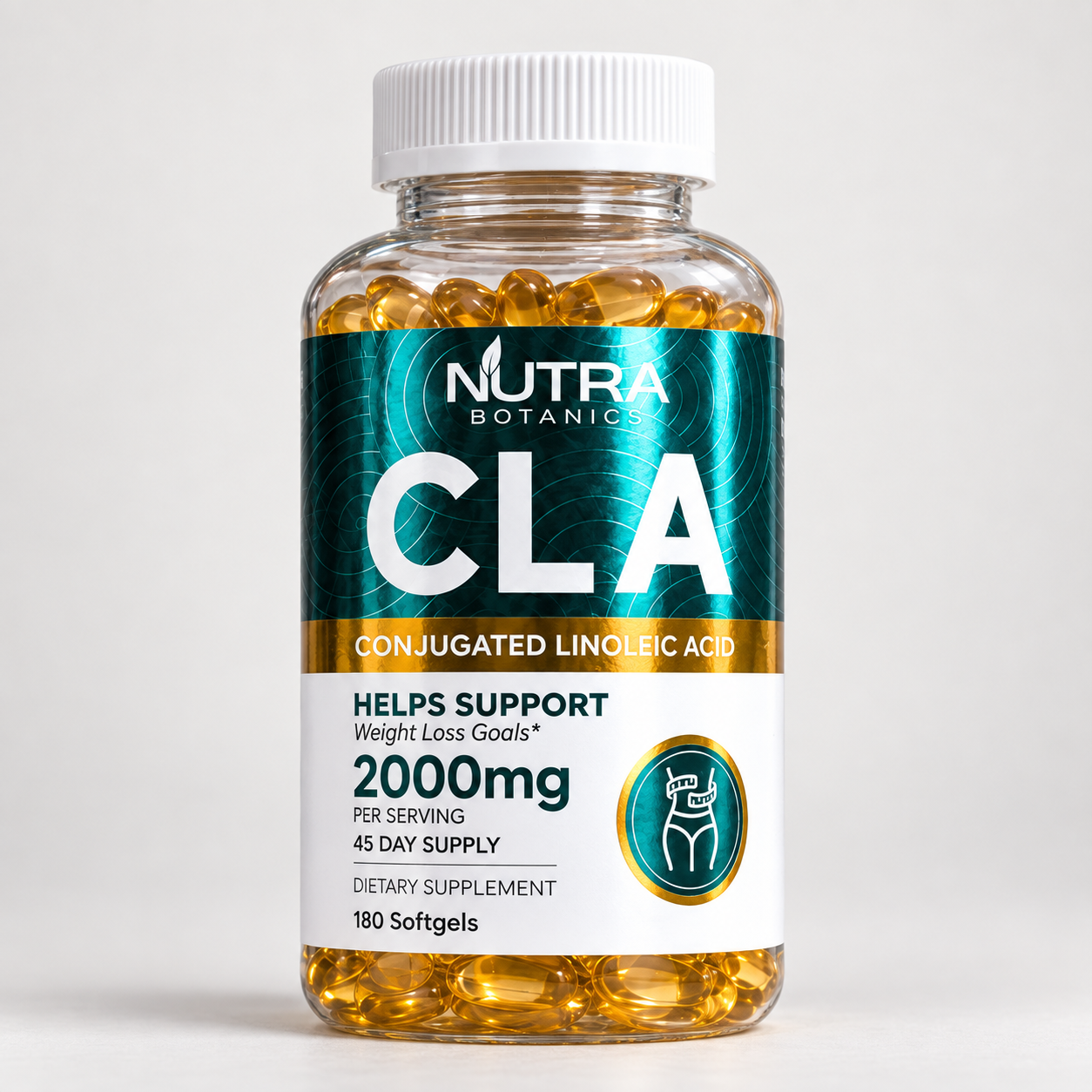
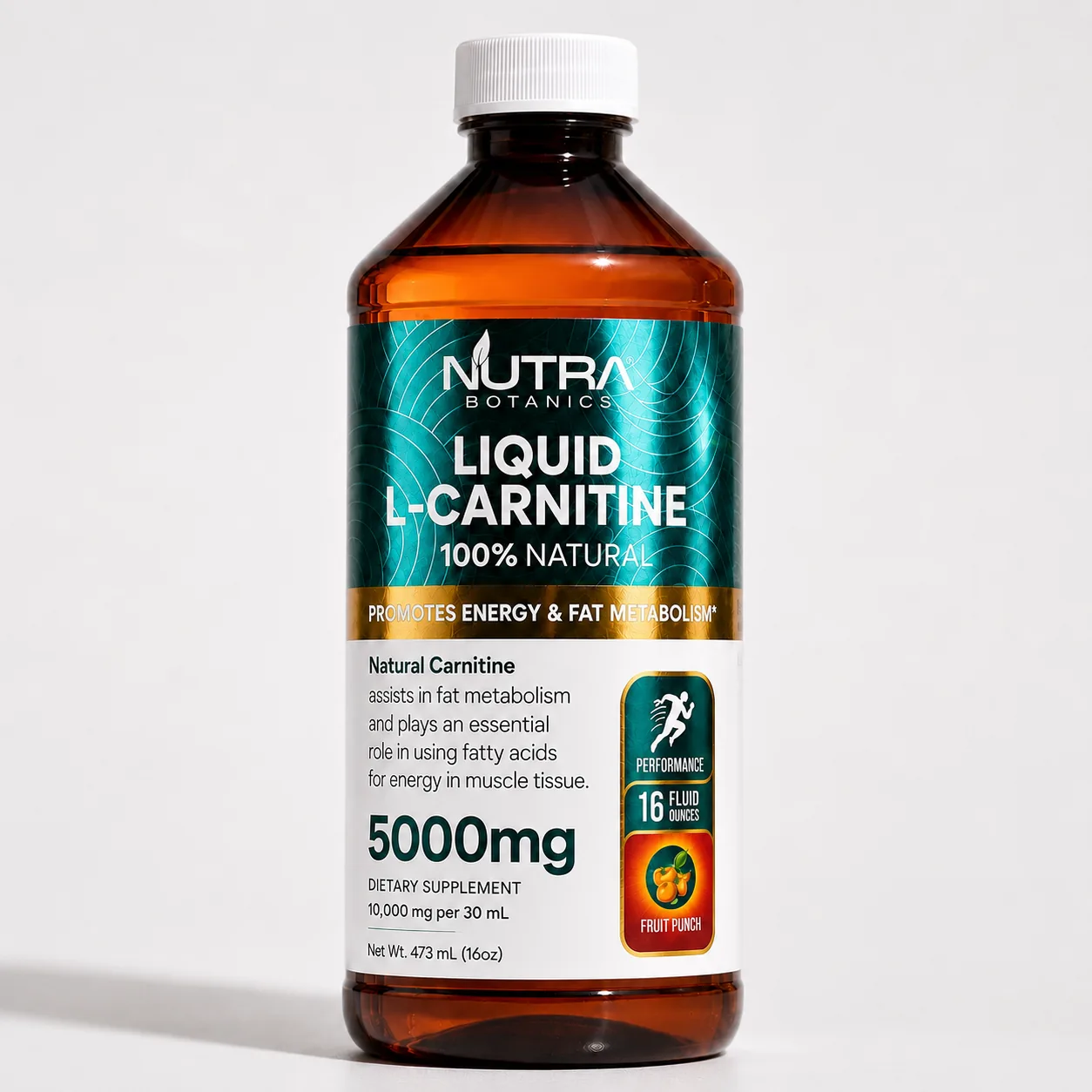
Liquid L-Carnitine lists 5,000 mg per 15 mL measuring tablespoon. CLA lists 2,000 mg per two-softgel serving. Compare directions, warnings and format before deciding. These are different ingredients, so matching the milligrams would not make their effects equivalent.
NIH's weight-loss supplement review separates ingredient roles from weight-loss evidence. Neither a normal role in fat metabolism nor an age-focused headline establishes a guaranteed result from a finished product.
Use the evidence for your next step
Population research can guide useful habits, but it does not diagnose your symptoms or predict a product result. Keep your health history and prescribed care in view when changing your routine.
Questions about metabolism after 40
Does metabolism slow after 40?
Not automatically. Research found broadly stable energy expenditure adjusted for fat-free mass between ages 20 and 60. Individual needs can still change with body composition, activity, health and medicines.
How do I lose weight after 40?
Start with an eating pattern and activity plan you can maintain. Include strength training, regular movement and adequate sleep. Seek personal guidance if symptoms, medicines or a health condition complicate the picture.
Why is it harder to lose weight after 40?
Changes in activity, meals, sleep, body composition and health can all matter. Hormonal transitions can also affect body composition. Age alone does not identify the cause, and a plateau is not proof of permanent metabolic damage.
What is the best exercise for metabolism after 40?
Use a mix you can sustain. CDC guidance includes aerobic activity and muscle strengthening, rather than naming one best workout. Build gradually from your ability and adapt for injuries or health conditions.
Does protein help metabolism after 40?
Protein provides building blocks for muscle and belongs in a balanced eating pattern. Your suitable amount depends on training, food intake and health. A study in older men does not set one high-protein target for everyone over 40.
What supplements support metabolism after 40?
Choose for a specific need, not age alone. Check the ingredient, serving amount, directions and warnings. Metabolism-related ingredient roles do not establish a personal weight-loss result, and supplements do not replace a medical assessment of persistent symptoms.