Want to support your metabolism? Start with regular movement, strength training, balanced meals and enough sleep. These habits help you use energy and maintain muscle. A food or supplement cannot promise a permanent metabolism boost or a set amount of fat loss.
Key takeaways
- Build a routine you can repeat. A manageable plan is more useful than chasing a daily calorie-burn promise.
- Keep the whole day in view. Workouts, everyday movement, meals and sleep all deserve attention.
- Choose supplements by the actual label. Ingredient roles, serving sizes and research results answer different questions.
For a closer look, read Metabolism After 40, the metabolism ingredient comparison, signs to discuss with a healthcare professional or green tea extract research and label checks.
How your body uses energy
Your body uses energy to keep you alive, digest food and move. Resting energy use covers jobs such as breathing and keeping organs working. Movement includes both a planned workout and the walking, carrying and other activity in your day.
Those parts vary with your body size, activity and health. Everyday movement belongs within physical activity, so adding separate percentage ranges can give a misleading total. A personal calorie target needs more context than a chart of averages.
A large 2021 study of energy use across the lifespan found that expenditure adjusted for body composition was broadly stable from ages 20 to 60. That population finding does not promise unchanged energy needs for every adult. Changes in activity, body composition, health or eating can still affect your weight.
| Focus | Why it matters | Try this |
|---|---|---|
| Strength training | Helps you maintain muscle. | Make space for regular sessions suited to your ability. |
| Daily movement | Activity uses energy beyond a planned workout. | Choose a walking break or an active errand you can repeat. |
| Balanced meals | Food provides the energy and nutrients your body uses. | Plan a protein food with vegetables, fruit or whole grains. |
| Sleep | Too little sleep can make hunger and food choices harder to manage. | Protect a regular bedtime and allow enough time to sleep. |
| Supplement labels | Format, amounts and precautions help you judge the fit. | Read the serving, directions and complete ingredient list. |
Train for strength you can build
Strength training gives you something useful to work toward: maintaining muscle and getting stronger at the activities you practice. It can use weights, resistance bands or your own body weight. NIDDK's activity guidance recommends muscle-strengthening activity on at least two days a week, with a gradual start when you are new to exercise.
Choose a plan that fits your current ability, and build up as you learn the movements. Measure progress with the sessions you complete and the exercises you perform, rather than expecting each pound of muscle to deliver a fixed daily calorie bonus.
Make everyday movement count
NEAT means the energy used for movement outside deliberate exercise. Think of walking to an errand, doing household tasks or carrying shopping. The term describes part of your day, not a guaranteed extra 300 or 800 calories.
Look for an opportunity you already have: a short walking break, an active chore or stairs when they suit your mobility. Start small and repeat it. NIDDK's eating and activity guidance supports regular activity as part of reaching and maintaining a healthy weight.
Build meals around balance and protein
Digesting and using food takes energy. This is called the thermic effect of food. Protein generally takes more energy to process than carbohydrate or fat, as explained in the review of diet-induced thermogenesis. That does not make a protein-rich meal calorie-free or justify subtracting a fixed percentage from a food label.
Make the idea practical: include a protein food you enjoy, such as beans, tofu, eggs, fish or poultry, alongside other nutritious foods. Plan portions and meals around your overall needs. You do not need a universal high-protein percentage to start eating more thoughtfully.
Where supplements fit
Green tea contains catechins, including EGCG, and may contain caffeine. Researchers have studied effects on short-term energy use and on body weight. Those are different outcomes. NIH's weight-loss supplement review describes small and variable weight findings, rather than a reliable daily calorie bonus.
Read the green tea label guide before choosing an extract. Check the actual amounts, caffeine and precautions. Adding another stimulant does not establish a better result.
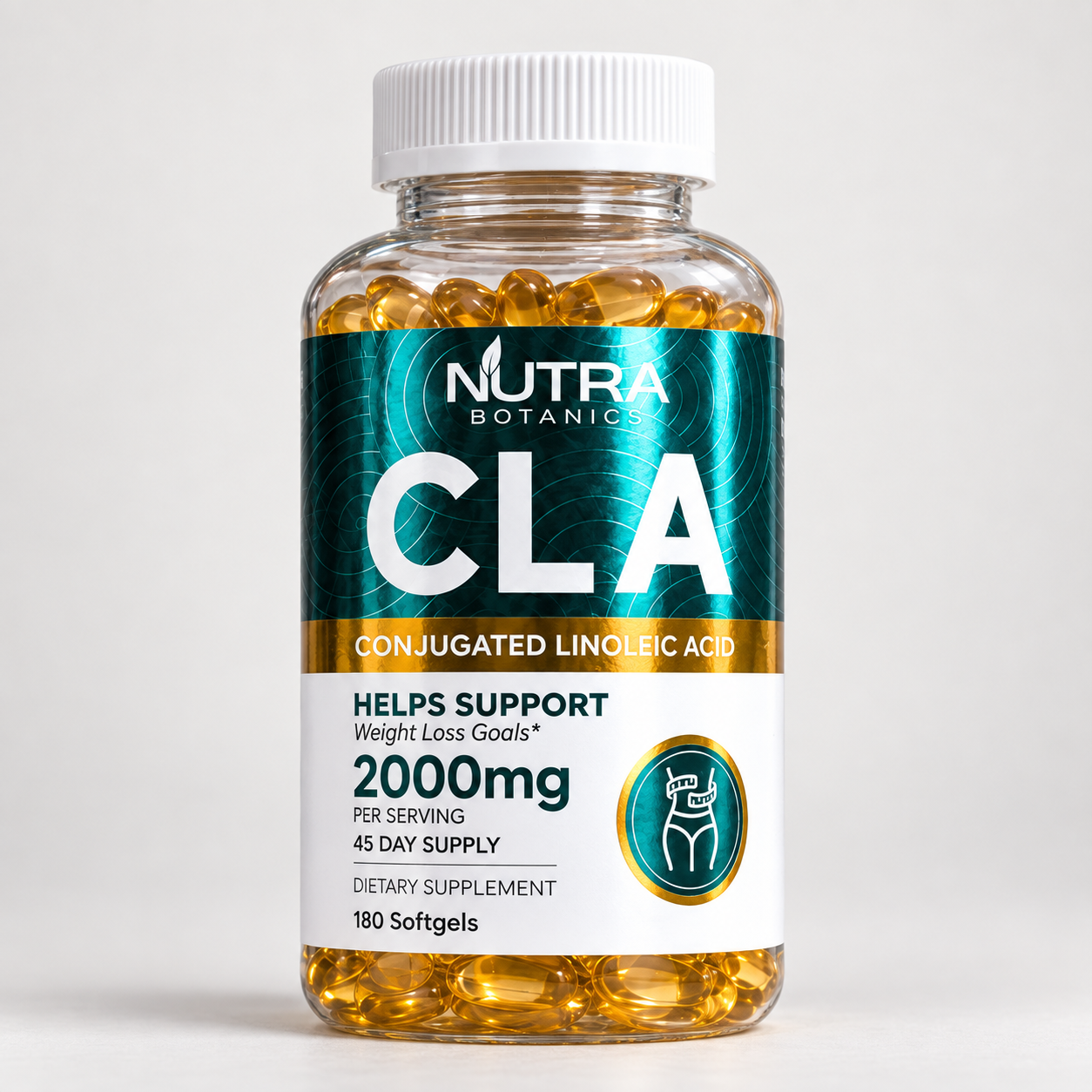
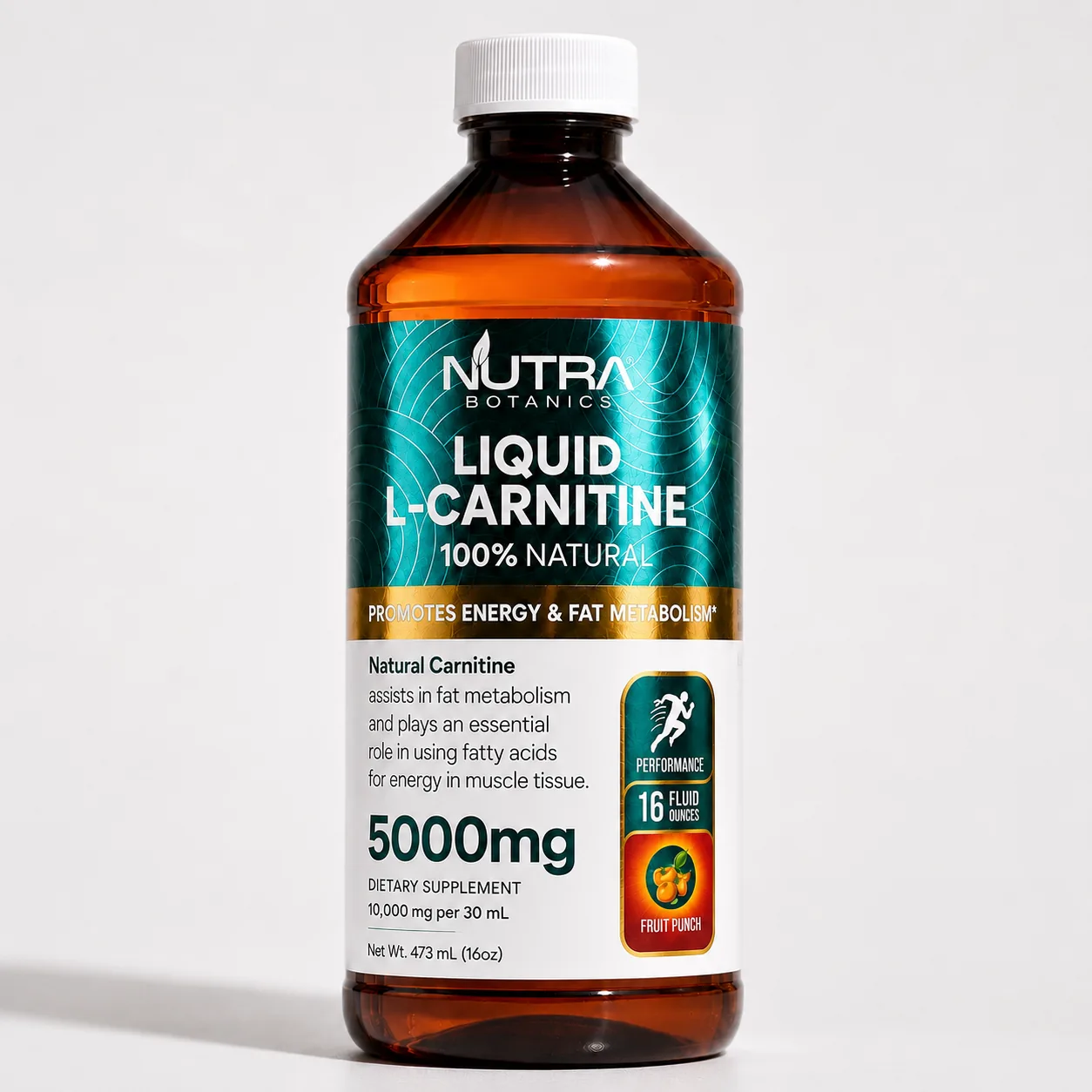
Carnitine helps transport fatty acids to the parts of cells that use them for energy. This normal role, also described by NIH, does not mean a bottle guarantees extra fat loss. If you are comparing formats, the current Nutra Botanics labels list 5,000 mg L-carnitine per 15 mL tablespoon in the liquid and 2,000 mg CLA per two softgels. Use each product's directions; a labeled serving count is not a daily-use schedule.
The CLA and Liquid L-Carnitine bundle currently lists a one-time price of $54.99. The individual one-time prices are $29.99 and $36.99, totaling $66.98. That is $11.99 less before tax and shipping. Check current prices, availability and terms on the product page. Buying both together establishes a price difference, not an additive fat-loss effect.
Give your routine room for sleep
Sleep matters because it affects how you feel and can influence hunger and food choices. NIDDK's weight and health guidance notes that too little sleep may increase hunger and make higher-calorie choices more likely.
Protect a regular sleep schedule where possible. If sleep remains difficult, look for help with the cause. Two poor nights do not establish a predictable percentage drop in your metabolism, and a supplement does not replace sleep.
Choose your next step
Pick the part of your routine that needs the most attention, then make one manageable change. Keep track of what you can repeat. For weight management, consider eating patterns and activity together rather than chasing a single metabolism number.
Unexplained changes in weight or persistent symptoms deserve a healthcare conversation. Health conditions, medicines and other factors can affect weight. Before starting a supplement, review the full label and discuss its suitability if you take medicines, are pregnant or nursing, or have a health condition.
Frequently asked questions
How can I speed up my metabolism?
Does exercise boost metabolism?
What foods boost metabolism?
Do metabolism supplements actually work?
Why is my metabolism so slow?
How much does muscle mass affect metabolism?