Feeling tired, cold or frustrated by weight changes does not tell you how fast your metabolism is. These changes deserve attention, but they can have several causes. Start with the pattern, then choose the right next step instead of guessing from a symptom checklist.
What to check first
- Look at changes in sleep, meals, activity and medicines alongside the scale.
- Persistent symptoms are a reason to seek an assessment, not proof of a slow metabolism.
- A weight-loss plateau and an underactive thyroid are different questions.
- Choose supplements by their actual labels. A metabolism formula is not thyroid treatment.
Related reading: Practical habits that support your metabolism, Metabolism after 40, Compare metabolism ingredients and labels and Green tea research and label checks.
What does a slow metabolism mean?
Your body uses energy to keep you alive, digest food and move. Resting metabolic rate describes energy use at rest; daily energy use also includes your activity. Feeling low on energy is a different thing from measuring how much energy your body uses.
Weight can change for several reasons, including activity, sleep, medicines and health conditions. That is why the most useful question is often, “What has changed for me?” rather than, “Is my metabolism broken?” NIDDK explains the factors that affect weight.
| Notice | Keep in mind | Next step |
|---|---|---|
| Unexplained weight change | Weight alone cannot identify the cause. | Note changes in your routine and discuss a persistent unexplained change. |
| Ongoing fatigue | Feeling tired does not measure metabolic rate. | Track sleep and when fatigue affects your day; seek assessment if it persists. |
| Feeling unusually cold | Cold sensitivity can occur with an underactive thyroid, but is not diagnostic. | Mention it alongside any other new symptoms. |
| Thinning hair or dry skin | These changes can have more than one cause. | Record when they began and ask about persistent changes. |
| A weight-loss plateau | Energy needs can fall as body weight falls. | Review your current plan before cutting food further. |
The symptom examples reflect NIDDK's thyroid guidance. The plateau context comes from its weight-management guidance. The next steps above are practical ways to organize what you have noticed.
Weight changes: look at the whole pattern
A change on the scale is useful information, but it is not a test of your metabolism. Think about your recent routine: a new medicine, less movement, shorter nights or different meals. Avoid assuming that weight gain has one cause.
If the change is persistent and unexplained, bring that history to a healthcare professional. A brief record is more useful than trying to reconstruct months of changes from memory. Do not stop a prescribed medicine on your own.
Fatigue: notice how it affects your day
Being exhausted after a short night and feeling persistently tired despite rest call for different conversations. Note when fatigue started, how you are sleeping and whether it is changing what you can do.
An underactive thyroid can cause fatigue, but fatigue alone does not establish thyroid disease. The American Thyroid Association explains why symptoms need testing. Adding caffeine is not a way to find the cause.
Cold sensitivity: one clue, not a verdict
Thyroid hormones help your body use energy and stay warm. Feeling unusually cold can be a symptom of an underactive thyroid, particularly when it is part of a new pattern.
Tell a healthcare professional what you have noticed. The American Thyroid Association describes TSH and free T4 as the main blood tests used to assess hypothyroidism. These tests answer a thyroid question; they do not count your daily calorie use.
Hair and skin: changes worth discussing
Dry skin and thinning hair can occur with hypothyroidism, but they do not confirm it. NIDDK notes that these symptoms are common and can have other causes.
Record when the changes began and whether other symptoms appeared at the same time. Share your medicines and supplements, too. That gives your clinician a clearer starting point than a label such as “slow metabolism.”
Build a routine you can keep
During weight loss, metabolism can slow and a smaller body needs fewer calories. A plateau does not, by itself, show permanent damage. NIDDK recommends a sustainable eating plan and regular activity.
- Move in ways you enjoy. Choose walking, swimming or another activity you can return to, and include strength work that suits your ability.
- Keep meals workable. Build around a variety of foods, including protein foods, vegetables, fruit and whole grains.
- Check your current routine. If progress has stalled, review it rather than automatically making it more restrictive.
Compare formulas with a clear purpose
L-carnitine helps transport fatty acids into the parts of cells that use them for energy. That normal role does not prove that a supplement will solve fatigue or an underactive thyroid. NIH's ingredient review separates that role from weight-loss research.
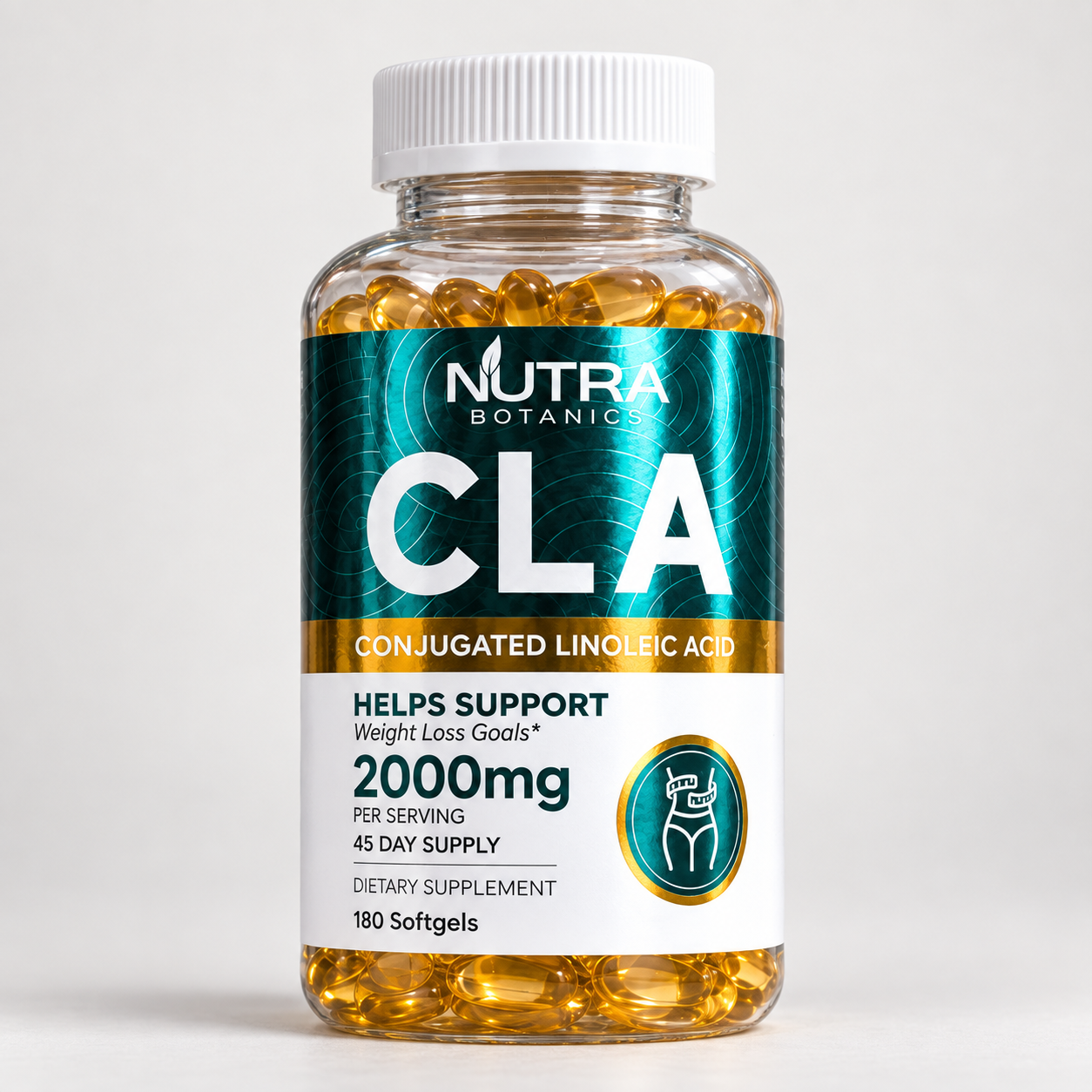
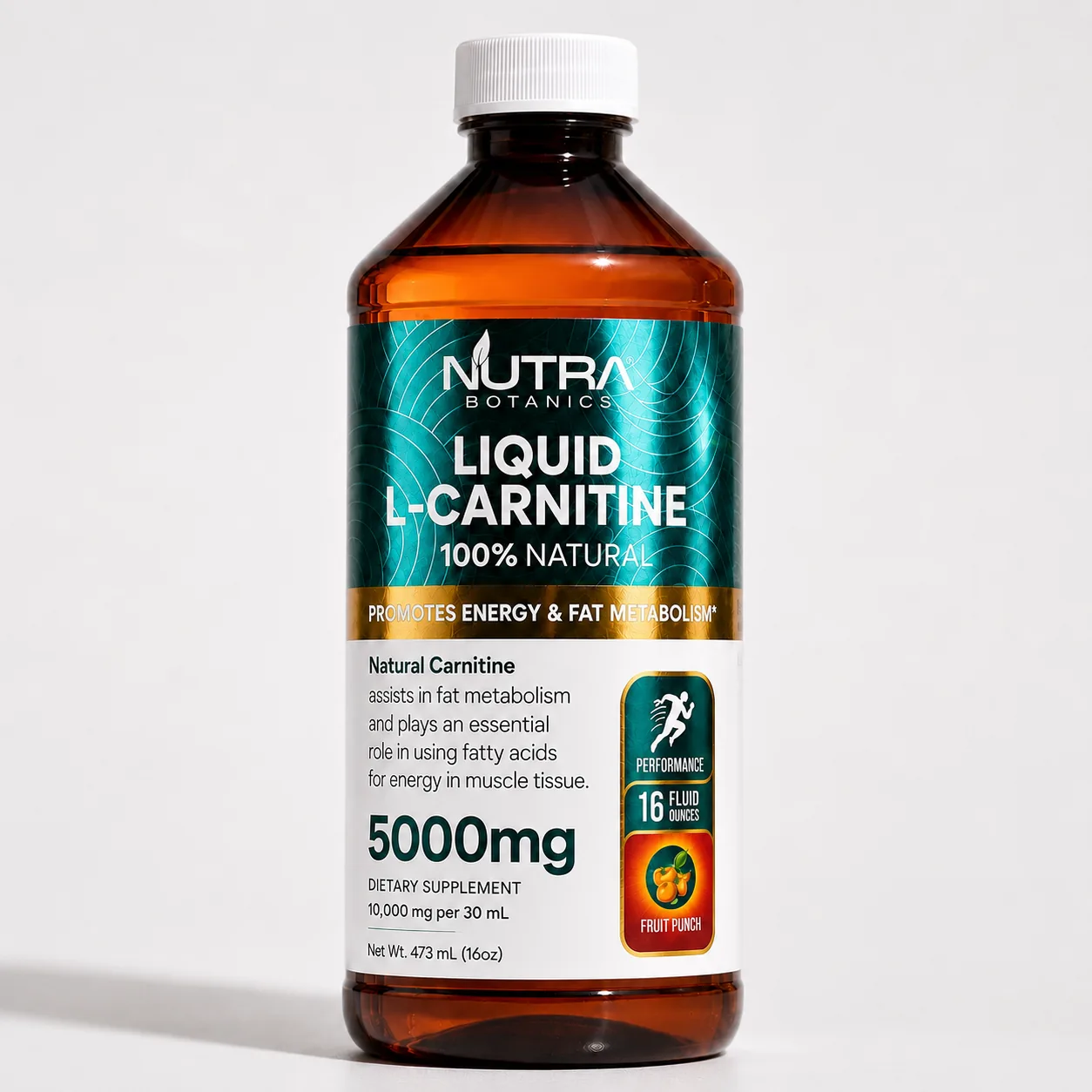
If you are comparing formats, Liquid L-Carnitine lists 5,000 mg per 15 mL measuring tablespoon. CLA lists 2,000 mg per two-softgel serving. These are label facts, not an equivalent dose or a promise of the same result.
The CLA and L-Carnitine bundle puts both formats together. Open each Supplement Facts panel and check its separate directions and warnings before choosing.
Know what a test can tell you
Symptoms do not diagnose hypothyroidism. A healthcare professional can review your history, examine you and choose appropriate tests. NIDDK explains thyroid blood tests, including TSH and T4. A thyroid result is not a personal calorie target.
Supplements do not replace treatment for a diagnosed thyroid condition. Share your full supplement list when discussing persistent symptoms or test results.
Frequently Asked Questions
How do I know if I have a slow metabolism?
Can I test my metabolism?
Does dieting slow your metabolism?
Can metabolism be permanently damaged by dieting?
What are the best supplements for slow metabolism?
Does thyroid affect metabolism?