
Some ingredients can briefly increase energy use. That does not tell you how much body fat a bottle will reduce. The useful question is what the research measured: calories used, food eaten, body weight or body fat. Those are different results.
This guide separates those outcomes, then shows what to check before choosing a formula. Start with the complete ingredient list, serving size and total caffeine, rather than a headline about a faster metabolism.
What matters before you buy
- Match the claim to the measurement. A one-day energy test is not a long-term weight-loss trial.
- Match the ingredient to the label. A blended total does not reveal the amount of every ingredient.
- Keep the result in context. Research averages do not predict your personal progress or prove the effect of a different finished formula.
Choose your next read: Compare metabolism supplement ingredients, Understand green tea extract or Build practical daily habits.
What a metabolism claim actually means
Your body uses energy to keep you alive, digest food and move. A supplement study may measure one part of that process. To judge the result, look for the outcome and how long it was measured.
Energy expenditure means calories used. Fat oxidation means using fat for fuel during the test. Body composition means the amounts of fat and lean tissue in the body. Using more fat for fuel during a short test does not establish lasting body-fat loss.
| Ingredient | What research measured | What to check on the label |
|---|---|---|
| Green tea and caffeine | Short-term energy use and fat used for fuel. These measurements are separate from weight loss. | Extract type, any stated catechin amount and total caffeine per serving. |
| Capsaicinoids | The review discussed below measured food eaten at a meal, not extra calories burned. | The specific pepper ingredient and extract amount. Different extracts are not interchangeable. |
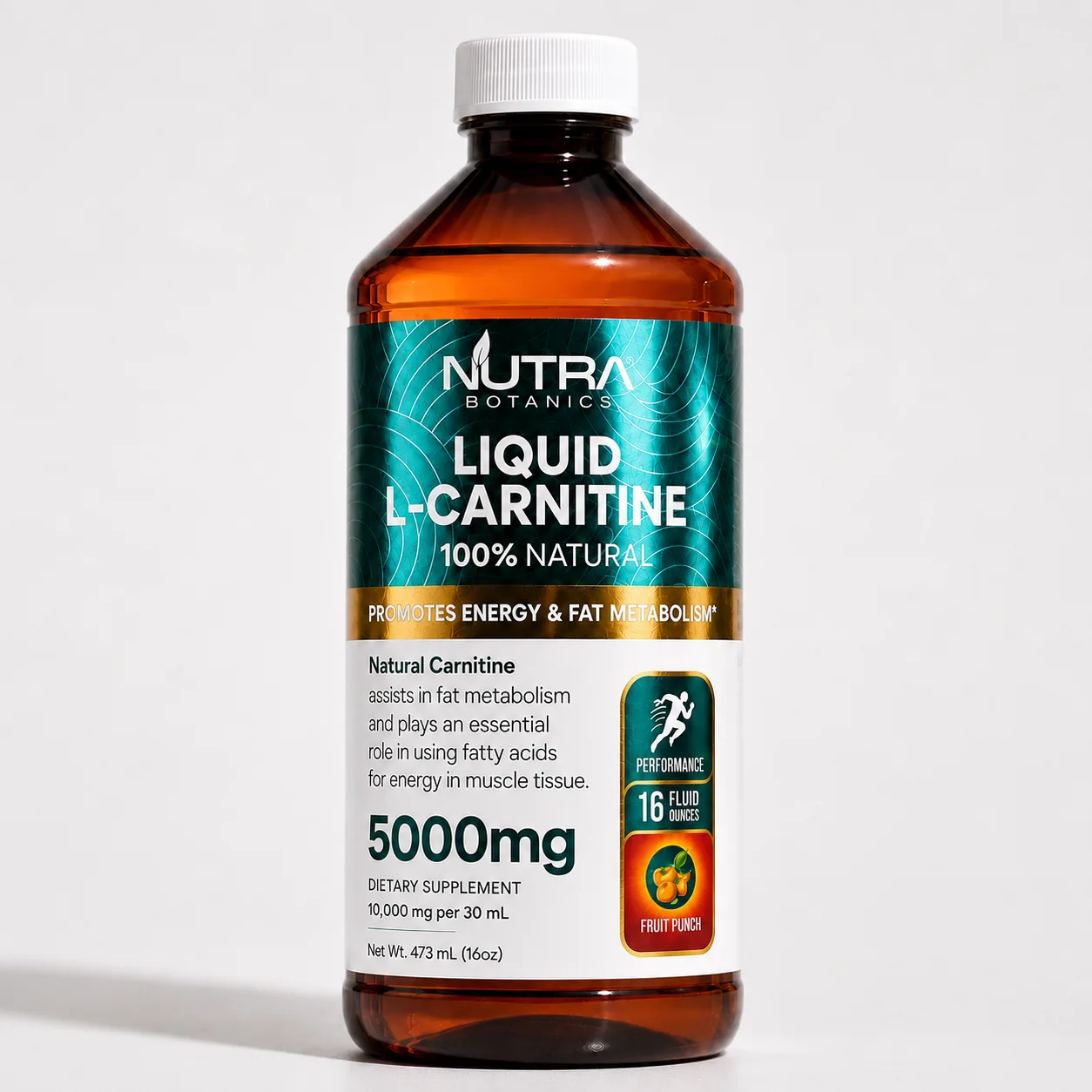
| L-carnitine | Body weight and body composition across trials, rather than a universal increase in metabolic rate. | L-carnitine amount, liquid or capsule format, and the measured serving. |
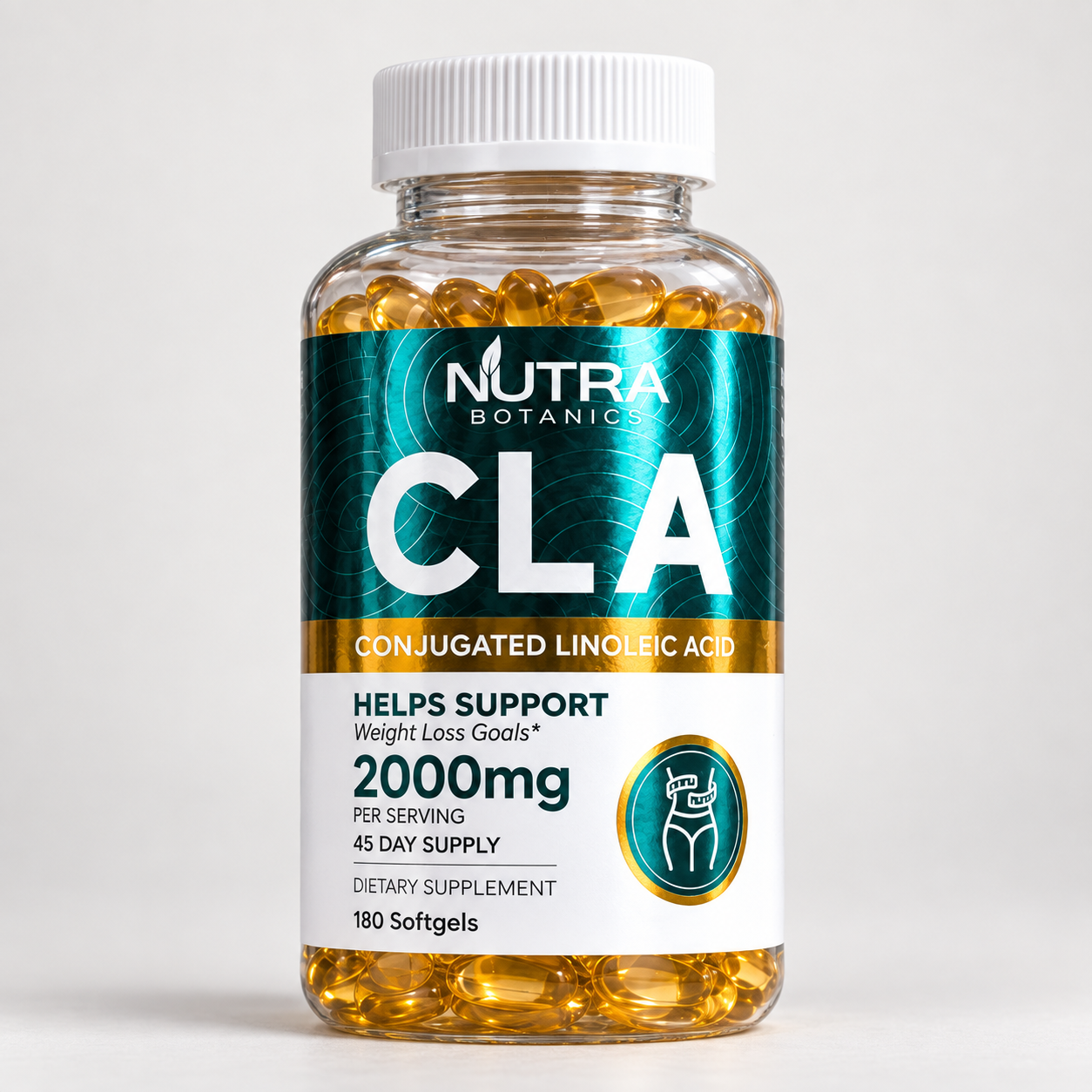
| CLA | Body fat and weight. Higher-quality studies in the newer review did not show reduced fat mass. | CLA amount per serving, softgel count and daily directions. |
| Chromium | Body weight, with a small pooled difference. This is not proof of faster calorie burning. | Chromium form and amount, listed in micrograms rather than milligrams. |
| Forskolin, garcinia and raspberry ketones | Small or mixed-ingredient trials, which do not establish a dependable weight-loss result for each ingredient. | The complete formula. Results from a blend cannot be assigned to one ingredient. |
Green tea and caffeine: short-term energy use
A 1999 trial in ten healthy men tested a green tea extract in a controlled breathing chamber. The daily total was 270 mg EGCG, a green tea compound, plus 150 mg caffeine, split across three meals. Energy use over 24 hours was 4% higher than with placebo.
That is a measured one-day result in a small group. The study did not establish how many pounds someone would lose over months, or the effect of another product containing green tea.
A 2011 review of six research articles also examined short-term energy use and fat oxidation. Those results concern energy use, rather than measured weight loss. A 2021 review of 15 studies found the evidence insufficient for a clear overall conclusion about resting metabolic rate or energy expenditure.
Pepper ingredients: food intake is a different outcome
Capsaicinoids are compounds associated with the heat in chili peppers. In a 2014 review, eight pooled trials involving 191 participants found that people ate about 74 fewer calories at the tested meal, on average, after capsaicinoids. Results varied substantially between studies.
The number describes food eaten at a meal, not 74 additional calories burned. It also does not establish lasting weight loss. Check which pepper ingredient is listed before comparing a product with that research.
L-carnitine and CLA: compare body-composition research
L-carnitine helps move fatty acids into the parts of cells that produce energy. That is its normal role in the body. Healthy adults generally make enough carnitine themselves; adding more is a separate question from explaining that role.
A 2020 review of 37 trials found a modest average body-weight difference, mainly relevant to people with overweight or obesity. The higher-quality subset supported a body-weight effect, while not confirming all the pooled body-composition outcomes. It did not establish a faster metabolism for everyone.
CLA is a group of fatty acids studied for body composition. An earlier review reported modest fat-loss findings. A 2023 review of 70 trials found small overall changes, but its higher-quality studies did not show a reduction in fat mass or body-fat percentage. That distinction matters more than an impressive-looking mechanism.
For the fuller comparisons, read what L-carnitine research measured and what CLA research measured. Compare populations, duration and outcomes before applying a trial result to your own routine.
Chromium and other popular ingredients
A 2013 chromium review found a small average body-weight difference of about 0.5 kg versus placebo. The authors questioned its clinical importance. It is not evidence of a large increase in metabolic rate.
The NIH weight-loss supplement fact sheet explains other common claims: forskolin trials are small, garcinia findings are inconsistent, and human raspberry-ketone research used a multi-ingredient supplement. A blend's result cannot show what raspberry ketones did on their own.
When a claim promises a percentage increase or a specific amount of weight loss, look for the exact finished formula and the outcome it measured. An ingredient name alone does not establish that result.
Choose by label, caffeine and fit
Start with the question you can actually answer: does this formula fit your preferences, directions and health needs? A dramatic ingredient headline is less useful than a complete label.
- Check the serving. The current Nutra Botanics CLA label lists 2,000 mg per two softgels. Two softgels are a serving, not the complete daily directions.
- Measure liquids. The current Liquid L-Carnitine label lists a tablespoon serving, 15 mL. Follow the label's measuring and use directions rather than treating a kitchen sip as a serving.
- Add up caffeine. Include coffee, tea, energy drinks and any supplements. The FDA cites 400 mg a day for most adults as an amount not generally associated with negative effects. It is not a target or a guarantee for everyone. Sensitivity, medications and health conditions matter.
- Check safety before stacking. Concentrated green tea extract is different from a cup of tea; the NIH notes reports of liver injury with extracts. Ask a healthcare professional about supplement use if you take medications, have a health condition, or are pregnant or nursing.
The product pages show the complete Supplement Facts and directions. These checks help you compare what is actually in the bottle; they do not establish a weight-loss effect for either formula.
Make the claim match the evidence
Some metabolism ingredients have measured effects, but the outcome matters. Short-term energy use, eating less at one meal and changes in body weight cannot be treated as the same result. None gives you a reliable personal calorie-burning or fat-loss forecast.
Use the comparison above to narrow your choice. Then read the complete label and select a format and routine you can follow. For a practical starting point beyond supplements, explore daily habits that support your routine.
These statements have not been evaluated by the Food and Drug Administration. This product is not intended to diagnose, treat, cure, or prevent any disease.
Frequently Asked Questions
Do metabolism boosters actually raise metabolic rate?
How much of a metabolic boost can I actually expect from supplements?
How long do metabolism supplements take to work?
Which metabolism-boosting ingredients have the strongest evidence?
Are metabolism boosters safe for long-term use?
Can metabolism supplements replace exercise or dieting?