

Key Takeaways
- CLA is a trans-fat isomer found in ruminant meat and dairy; omega-3s are polyunsaturated fats primarily from fish and algae
- CLA is studied for body composition; omega-3s (EPA/DHA) are studied for cardiovascular and cognitive support
- Their mechanisms are complementary, not competing — many research protocols pair them
- Omega-3s have a far larger evidence base; CLA is more targeted to specific body-composition goals
- If choosing one, start with omega-3s for general health; add CLA if body-composition is the primary goal
What Is CLA?
Conjugated linoleic acid (CLA) is an omega-6 fatty acid naturally found in dairy products and the fat of grass-fed ruminants like cattle and sheep. "Conjugated" refers to the arrangement of its double bonds, which distinguishes it from standard linoleic acid and gives it different metabolic properties.
CLA supplements are typically derived from safflower oil using a chemical process that produces the active isomers (c9,t11 and t10,c12) responsible for its effects on body composition. Human studies have documented modest but statistically significant reductions in fat mass with doses of 3–4g per day over 8–12 weeks.
What Are Omega-3s?
Omega-3 fatty acids — primarily EPA (eicosapentaenoic acid) and DHA (docosahexaenoic acid) from marine sources — are among the most researched supplements in existence. They're known for anti-inflammatory effects, cardiovascular protection, cognitive support, and joint health. ALA (alpha-linolenic acid) from plant sources like flaxseed is also an omega-3, but converts poorly to EPA and DHA in the body.
How Their Mechanisms Differ
CLA works primarily by influencing fat cell metabolism. Its t10,c12 isomer inhibits an enzyme called lipoprotein lipase, which stores fat in adipose tissue. It also appears to promote fat oxidation and support lean mass retention, particularly during caloric restriction.
| Feature | CLA (Conjugated Linoleic Acid) | Omega-3 (EPA/DHA) |
|---|---|---|
| Primary Source | Grass-fed beef, dairy, supplements | Fatty fish, algae, fish oil supplements |
| Main Mechanism | Modulates fat metabolism & cell signaling | Reduces systemic inflammation via eicosanoids |
| Fat Loss Support | Modest (−0.5–1.5 lbs over 12 weeks in trials) | Indirect via insulin sensitivity improvement |
| Heart Health | Mixed evidence; some studies show neutral effect | ✓ Reduces triglycerides 15–30% |
| Inflammation | Minimal direct anti-inflammatory effect | ✓ Strong anti-inflammatory (EPA/DHA) |
| Muscle Preservation | ✓ May preserve lean mass during caloric deficit | Supports via reducing muscle protein breakdown |
| Brain Health | — No significant data | ✓ DHA is structural component of brain tissue |
| Best For | Body composition, combined with exercise | Overall health, inflammation, cardiovascular |
| Can Stack Together? | ✓ Yes — complementary mechanisms, no conflict | |
Omega-3s work primarily through anti-inflammatory pathways. EPA and DHA serve as precursors to anti-inflammatory compounds (resolvins and protectins) and reduce production of pro-inflammatory cytokines. They also beneficially affect triglycerides, blood pressure, and platelet aggregation.
Do You Need Both?
Since CLA and omega-3s target largely different outcomes, they can complement each other rather than overlap. If your goals include body composition optimization and general cardiovascular/inflammatory support, using both makes sense. They don't compete for absorption or interfere with each other's mechanisms.
A practical stack: 3–4g CLA daily (for body composition) + 1–3g combined EPA/DHA daily (for inflammation, heart, and brain health). Take both with meals for best absorption.
A practical stack: 3–4g CLA daily (for body composition) + 1–3g combined EPA/DHA daily (for inflammation, heart, and brain health).
Try NutraBotanics CLA
Pair CLA with a quality omega-3 for comprehensive fatty acid support and body composition benefits.
Shop CLA →Frequently Asked Questions
Can I take CLA and omega-3 together?
Which is better for weight loss, CLA or omega-3?
Is CLA an omega-6 or omega-3?
Do I need to supplement CLA if I eat grass-fed dairy?
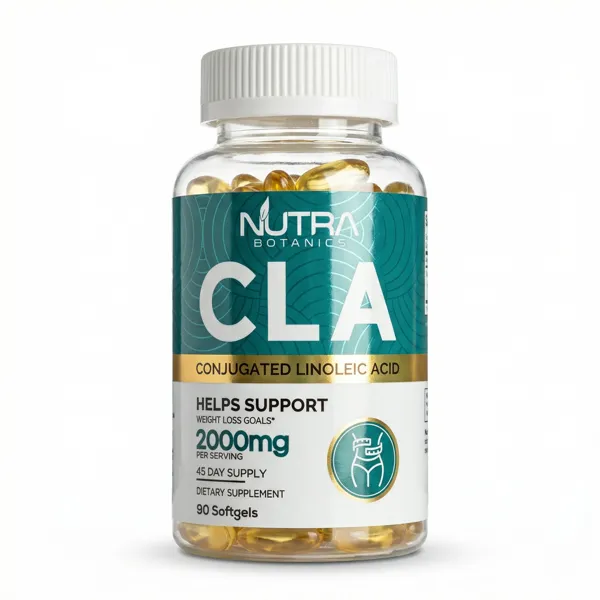
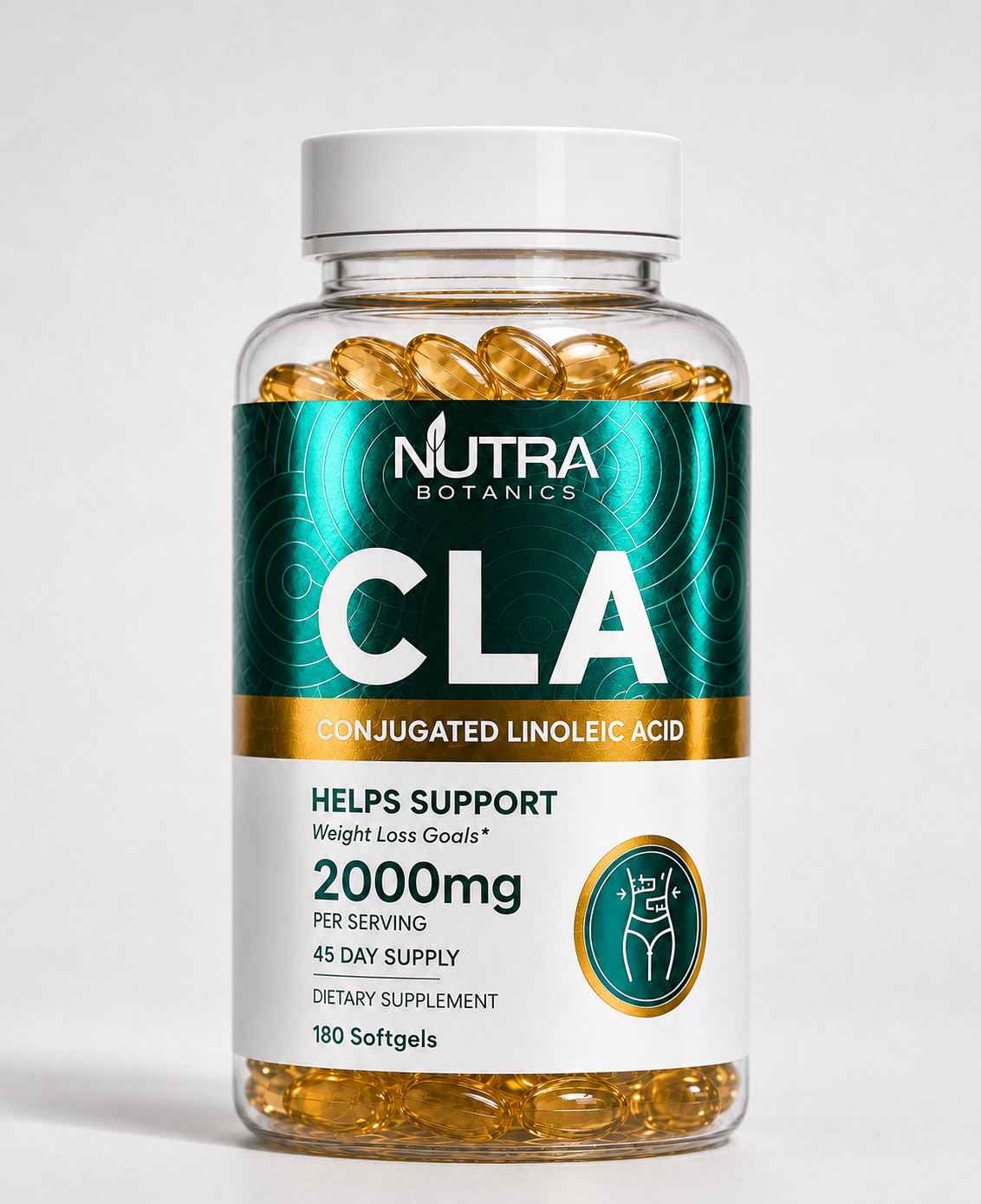
CLA Softgels
Safflower-derived · 90 softgels
- 1,000mg Conjugated Linoleic Acid per softgel
- Supports body composition goals alongside training
- Non-stimulant · appropriate for long-term use
- GMP & NSF certified · PhD-supervised testing
$24.95Free shipping over $75
Shop CLA Softgels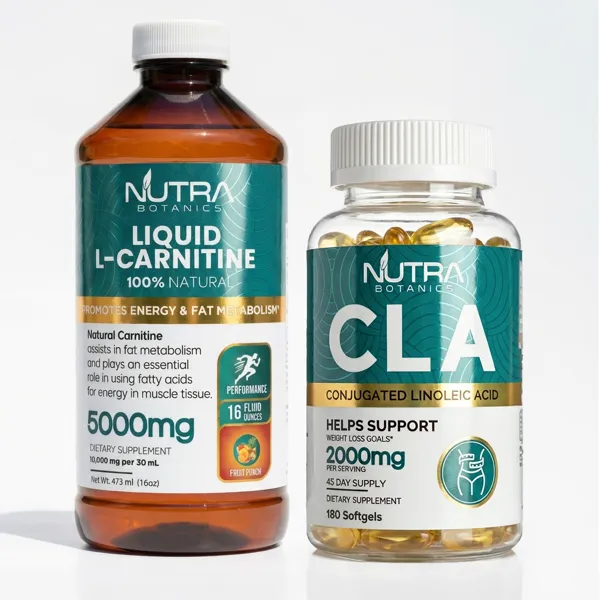
Explore Weight Management
Browse the Nutra Botanics weight management range
- CLA, L-carnitine, appetite support, and bundles
- Compare formats, dosing, and stack partners
- Find the right fit for your composition goals
- GMP & NSF certified · PhD-supervised testing
Shop the rangeSubscribe & save 20%
Browse Weight Management