
Women's hormonal health is one of the most oversold topics in the supplement industry. The dominant marketing — all empowerment language and vague promises about balance — tends to talk around the actual evidence rather than engage with it. This guide takes a different approach: what the research actually supports, what effect sizes look like in real trials, and where the responsible answer is to see a physician rather than buy a product.
What you will not find here: framing of supplements as alternatives to hormone replacement therapy, promises that any botanical will "restore balance," or language that treats normal life-stage transitions as conditions to be fixed. What you will find: honest information about what changes, what research supports, and a clear framework for knowing when to involve a medical professional.
Key Takeaways
- Perimenopause typically spans 4–10 years and is a normal life-stage transition — not a disease
- Vitex (chasteberry), 20–40 mg standardized extract over 2–3 cycles, has shown modest PMS symptom reduction in multiple RCTs
- Black cohosh trials for vasomotor symptoms are mixed — some show modest reductions in hot flash frequency, others find null results
- Maca research is limited and small-sample; effects on perimenopausal symptoms are preliminary, not established
- Hormone replacement therapy (HRT) is a medical decision; supplements are not alternatives and this guide does not compare them
- Sleep, strength training, body composition, and stress management produce the largest effects on symptoms and long-term health
- Several conditions (PCOS, endometriosis, thyroid dysfunction, premature ovarian insufficiency) require medical evaluation — not supplements
- See a provider for heavy bleeding, severe mood changes, persistent cycle irregularity under 40, or symptoms that meaningfully affect daily function
Related reading: Women's Hormonal Health: Estrogen, Progesterone, Cortisol, Perimenopause Support, PMS Relief Supplements, Vitex (Chasteberry), Maca Root for Women.
Understanding the Female Hormonal System
The female hormonal system is an interacting network, not a single number. Estrogen, progesterone, luteinizing hormone, follicle-stimulating hormone, testosterone (at lower levels than in men), DHEA, cortisol, and thyroid hormones all interact across the menstrual cycle and across the life span. Marketing that reduces this to "estrogen dominance" or "balance your hormones" is leaving out most of the system.
Across life stages, the broad pattern is this: reproductive-age cycling → perimenopause (irregular cycles as ovarian function changes) → menopause (12 consecutive months without a period) → post-menopause. None of these are conditions. They are physiological transitions. Symptoms that occur during transitions are real and worth addressing, but the framing matters — normalizing the transition is different from pathologizing it.
Overlaying the whole system are factors that affect every hormone: sleep quality, chronic stress, body composition, physical activity, inflammation, thyroid status, and nutrient adequacy. These factors produce larger effects on day-to-day experience than any single supplement studied so far.
Perimenopause: What It Is and What to Expect
Perimenopause is the transition leading up to menopause, during which ovarian hormone production becomes irregular before gradually declining. The STRAW+10 reproductive aging staging system (Harlow 2012, Journal of Clinical Endocrinology & Metabolism) describes it in stages based on cycle variability and FSH changes. Typical duration is 4–10 years, with most women entering perimenopause in their mid-40s — though onset varies considerably.
Common experiences during perimenopause can include:
- Irregular or changing menstrual cycles (shorter, longer, skipped)
- Hot flashes and night sweats (vasomotor symptoms)
- Sleep changes (often preceding or accompanying other symptoms)
- Mood variability, anxiety, or low mood
- Changes in libido
- Memory or concentration changes ("brain fog")
- Joint and connective-tissue changes
- Shifts in body composition, particularly abdominal
Not every woman experiences every symptom, and severity varies widely. Symptoms that are mild and tolerable may not need intervention at all. Symptoms that meaningfully affect daily function deserve attention — and in many cases, that attention is medical rather than supplemental.
PMS and Menstrual Cycle Support
Premenstrual symptoms — mood changes, irritability, bloating, breast tenderness, cramps, cravings — are common, cyclical, and real. They respond to both lifestyle factors and, in some cases, targeted supplementation. Severe PMS or premenstrual dysphoric disorder (PMDD) is a separate condition that warrants medical evaluation, not supplement trial-and-error.
The best-studied supportive options for ordinary PMS:
- Magnesium — reviews consistently find modest reductions in cyclical mood and physical symptoms, with typical doses of 200–400 mg/day of glycinate or citrate.
- Vitamin B6 (pyridoxine) — earlier meta-analyses found benefit for PMS mood symptoms at 50–100 mg/day; doses above 100 mg/day for prolonged periods can cause peripheral neuropathy and should be avoided.
- Calcium — Thys-Jacobs 1998, American Journal of Obstetrics and Gynecology found 1,200 mg/day reduced PMS symptom scores versus placebo over three cycles.
- Omega-3 fatty acids — some trials support modest benefit for PMS-associated mood symptoms and cramping.
- Vitex (chasteberry) — covered in the botanicals section below.
For menstrual cramps specifically, NSAIDs taken early are considerably more effective than any supplement studied. This is a case where pharmacology outperforms nutrition, and the honest answer reflects that.
Menopause: Transition vs Post-Menopause
Menopause itself is defined as 12 consecutive months without a menstrual period — a single point in time, typically occurring in the late 40s to early 50s. Post-menopause is everything after.
The symptoms most women associate with "menopause" are largely the symptoms of the transition into it — especially vasomotor symptoms (hot flashes, night sweats), sleep disruption, and mood changes. These tend to peak during late perimenopause and early post-menopause and gradually moderate for most women, though some have longer courses.
Long-term post-menopausal considerations are a separate conversation focused on cardiovascular health, bone density, metabolic health, and cognitive aging. These are the areas where evidence-based lifestyle interventions (resistance training, cardiovascular exercise, protein adequacy, sleep, stress management) produce the largest, most durable benefits. Supplements have supportive roles but do not replace the fundamentals.
For women experiencing severe or persistent vasomotor or genitourinary symptoms, hormone therapy is a medical option to discuss with a physician. This guide does not compare HRT to supplementation, because they operate at different scales and serve different purposes.
Nutrients for Hormonal Health
As with men's endocrine health, the dominant rule in women's hormonal nutrition is: deficiency matters, surplus mostly does not. When a nutrient required for normal endocrine or bone health is low, correcting it can produce measurable benefit. Supplementing well above normal rarely pushes the system further.
- Vitamin D. Widely under-consumed and frequently insufficient, particularly at higher latitudes. Status supports bone health, immune function, and mood. Test 25-hydroxyvitamin D and correct a true deficiency rather than blanket-dosing.
- Calcium. Critical for bone health during and after perimenopause. Prioritize food sources; combined daily intake (food + supplement) of 1,000–1,200 mg is a reasonable adult target per major guidelines.
- Magnesium. Relevant for PMS symptoms, sleep, bone health, and broader metabolic function. 200–400 mg/day of glycinate or citrate.
- Iron. Menstruating women lose iron monthly; deficiency is common and under-diagnosed. Symptoms overlap heavily with perimenopause and thyroid dysfunction. Test ferritin before supplementing — too much iron is harmful.
- B vitamins. B6 specifically has modest PMS evidence (capped dosing, as noted above). Folate and B12 are foundational for women of reproductive age and for broader metabolic function.
- Omega-3 fatty acids. Support cardiovascular and cognitive health; may support mood stability.
None of these are transformative on their own. They support a well-functioning system; they do not build one.
Vitex, Maca, Black Cohosh: What the Research Actually Shows
These three are the most-marketed botanicals for women's hormonal health. The research is most developed for vitex, mixed for black cohosh, and genuinely limited for maca.
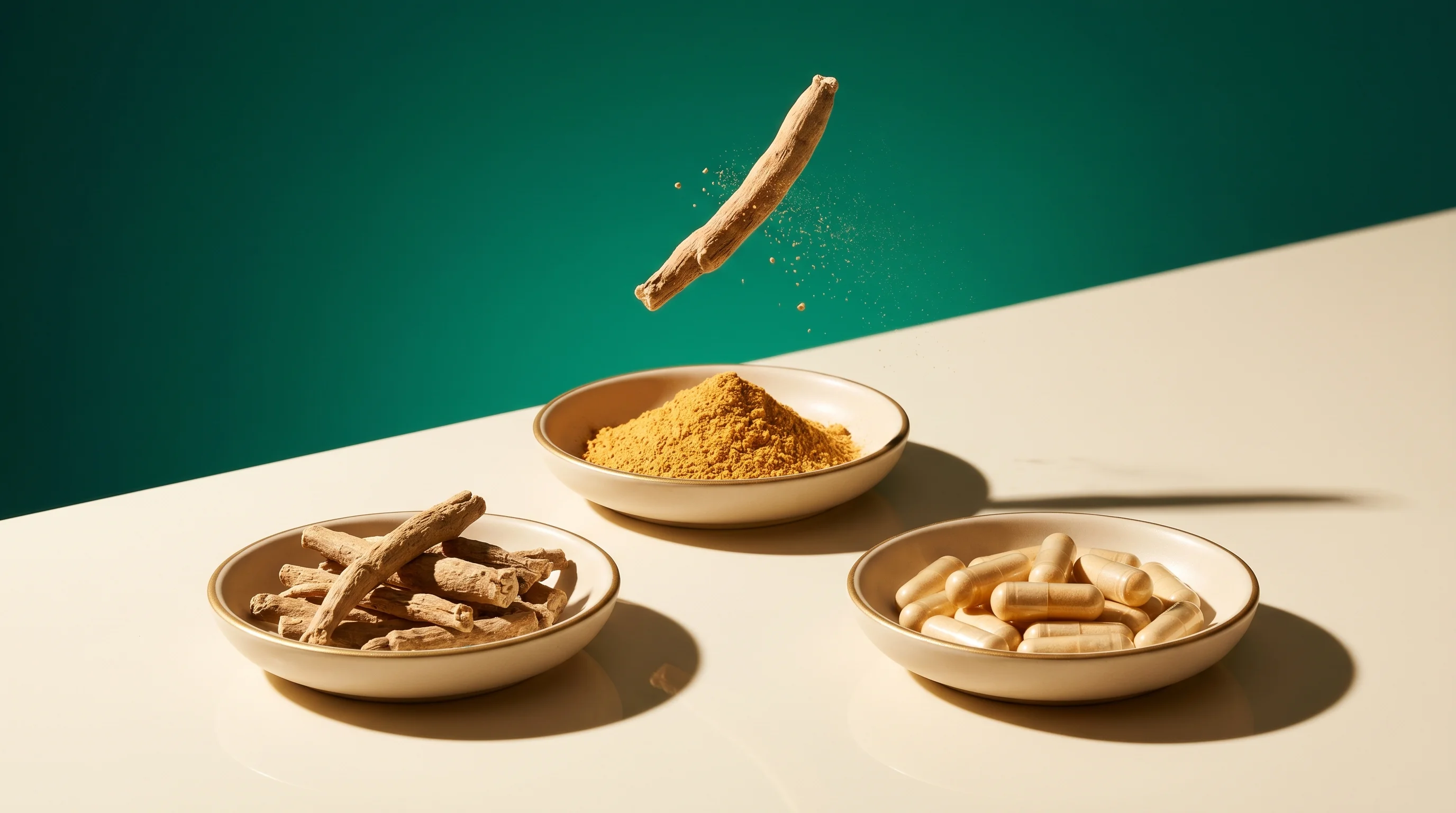
Vitex agnus-castus (chasteberry). Milewicz 1993, Arzneimittelforschung reported that a standardized vitex extract significantly reduced hyperprolactinemic menstrual-phase abnormalities over three cycles. Schellenberg 2001, BMJ found significant improvement in PMS symptoms versus placebo in a larger RCT using 20 mg/day of a standardized extract. Systematic reviews generally conclude that vitex at 20–40 mg/day of a standardized extract shows modest benefit for PMS over 2–3 cycles, with a reasonable safety profile. It is not appropriate during pregnancy or in combination with hormonal contraceptives or dopamine-active medications without medical supervision.
Black cohosh (Cimicifuga racemosa). Shahmohammadi 2019 and several earlier trials have reported modest reductions in hot flash frequency and severity with standardized black cohosh extract over 8–12 weeks. Other trials and the 2012 Cochrane review (Leach & Moore 2012, Cochrane Database of Systematic Reviews) found insufficient evidence to support black cohosh for menopausal vasomotor symptoms when pooled across heterogeneous studies. The honest summary: results are inconsistent, some women experience benefit, and it is not a replacement for HRT in severe symptoms. Rare hepatic safety signals have been reported; women with liver conditions should consult a physician.
Maca root (Lepidium meyenii). Meissner 2006 and related small trials in perimenopausal women have reported reductions in self-reported symptoms, but sample sizes are small and methodology is variable. The current evidence base is preliminary rather than established. Maca is generally well-tolerated.
None of these should be presented as equivalent to pharmacological therapy. They are supportive options with modest, sometimes variable effects, and they belong in a stack only where expectations match the evidence.
Collagen, Bone Health, and Connective Tissue During Perimenopause
Estrogen decline during perimenopause and post-menopause is associated with accelerated bone mineral density loss and changes in connective tissue. The response framework has four legs: resistance training, protein adequacy, calcium and vitamin D sufficiency, and — as a supportive addition — collagen peptides.
- Resistance training is the single most impactful intervention for bone density and lean mass retention. 2–4 sessions per week emphasizing compound lifts with progressive load.
- Protein intake at 1.2–1.6 g/kg body weight supports lean mass and bone integrity, particularly during perimenopause and post-menopause.
- Calcium and vitamin D adequacy (food first, supplement to fill gaps) supports bone mineralization.
- Hydrolyzed collagen peptides (10–15 g/day, typically paired with vitamin C) have RCT support for connective tissue outcomes; some trials have reported benefits on bone markers and skin hydration in peri- and post-menopausal women.
Collagen is an adjunct, not a foundation. The foundation is training and protein. If those are missing, adding collagen does little; if those are in place, collagen can meaningfully support connective-tissue outcomes.
Sleep, Stress, and Lifestyle Foundations
The highest-leverage interventions for women's hormonal symptoms during perimenopause and beyond are lifestyle-level. They are unglamorous, which is why they get less marketing attention than botanicals. They also produce larger effects.
- Sleep. 7–9 hours with consistent timing. Sleep disruption both causes and amplifies vasomotor, mood, and cognitive symptoms. Address sleep before layering other interventions.
- Resistance training. 2–4 sessions per week. Protects bone density, muscle mass, insulin sensitivity, and metabolic rate.
- Protein. 1.2–1.6 g/kg body weight, distributed across the day.
- Stress management. Chronic cortisol elevation interacts with every other hormonal system. Meditation, time outdoors, therapy for persistent issues, and boundaries around work and digital stimulation are real levers.
- Body composition. Maintaining lean mass and healthy body fat levels supports metabolic and hormonal function throughout post-menopause.
- Alcohol. Alcohol worsens hot flashes and sleep disruption for many women; moderation is typically more impactful than any supplement added on top.
Supplements amplify a good foundation. They do not create one.
Building a Support Stack Honestly
A realistic, evidence-aware stack for women during perimenopause or menstrual-cycle support looks modest:
- Correct deficiencies first. Test vitamin D and ferritin; assess calcium and magnesium intake; fix what is low.
- If targeting PMS: magnesium and/or B6 within safe dosing first; standardized vitex extract (20–40 mg/day) for 2–3 cycles is the most-studied botanical.
- If targeting vasomotor symptoms: prioritize sleep, alcohol moderation, and body-composition basics. Black cohosh is an option with mixed but non-zero evidence; set expectations accordingly.
- For bone and connective tissue: resistance training, protein, calcium + vitamin D adequacy, and hydrolyzed collagen peptides (10–15 g/day) as an adjunct.
- Track meaningful outcomes. Sleep quality, symptom frequency, energy, and periodic bloodwork — not the label on the bottle.
- Avoid stacks promising "balance" or "restoration." Honest labels look boring because the real effect sizes are modest and additive.
If a product positions itself as a replacement for HRT, as a "reset" for hormonal health, or uses empowerment language in place of evidence, put it down and keep looking.
When to See a Healthcare Provider
Medical consultation is the right step — not a backup plan — for any of the following:
- Severe or persistent symptoms that meaningfully affect daily function (severe hot flashes, significant mood changes, debilitating PMS or suspected PMDD, persistent sleep disruption)
- Heavy menstrual bleeding (soaking through protection in under two hours, bleeding longer than seven days, or passing large clots)
- Cycle irregularity in women under 40, which may indicate premature ovarian insufficiency, PCOS, thyroid dysfunction, or other conditions
- Signs of PCOS (irregular cycles, androgen-related symptoms, metabolic changes, infertility concerns)
- Signs of thyroid dysfunction (unexplained weight changes, temperature intolerance, hair/skin changes, energy changes)
- Pelvic pain, especially severe cyclical pain (possible endometriosis)
- Bleeding after menopause, which always warrants evaluation
- Consideration of hormone therapy for severe vasomotor or genitourinary symptoms
A proper workup typically involves a thorough history, physical exam, and targeted labs (which may include TSH, FSH, LH, estradiol, prolactin, ferritin, CBC, metabolic panel, and others depending on the clinical picture). This is medicine, not supplementation — and seeking medical care is a positive, evidence-aligned step, not a failure of natural approaches.
What Supplements Can't Do (Honest Limitations)
Being clear about the ceiling protects you from overpromising products:
- Supplements cannot prevent menopause. Menopause is a normal biological transition, not a deficiency state.
- Supplements cannot reverse the underlying decline in ovarian hormone production that defines the menopausal transition.
- Supplements cannot replace hormone replacement therapy for severe vasomotor or genitourinary symptoms. HRT operates at a different scale and is a medical decision.
- Supplements cannot treat PCOS, endometriosis, primary ovarian insufficiency, or thyroid conditions. Those are medical diagnoses requiring medical management.
- Supplements show modest, variable effects on specific symptoms — they do not produce transformation, and marketing claims that imply otherwise are not matched by the underlying evidence.
What supplements can do, within their ceiling: correct nutritional deficiencies, modestly support PMS or vasomotor symptoms in some women, support bone and connective-tissue outcomes as an adjunct to training and protein, and contribute to broader health when paired with the lifestyle foundations that produce the largest effects.
Frequently Asked Questions
Can supplements really "balance" my hormones?
"Hormonal balance" is marketing language, not a clinical target. Hormones fluctuate by design across the cycle and across life stages. Supplements can support specific symptoms (PMS, modest vasomotor support, bone and connective tissue) with modest, evidence-based effect sizes. They cannot "restore" or "reset" hormones. Products that promise to do so are overselling.
Is vitex safe, and how long should I try it?
Standardized vitex extract at 20–40 mg/day has a reasonable safety profile in otherwise healthy women and has the most research support for PMS. Trials typically run 2–3 cycles to assess effect. It is not appropriate during pregnancy, while breastfeeding, alongside hormonal contraceptives, or with dopamine-active medications without medical supervision.
Does black cohosh work for hot flashes?
Evidence is mixed. Some RCTs report modest reductions in hot flash frequency with standardized extracts over 8–12 weeks; others — and pooled Cochrane reviews — find insufficient evidence across heterogeneous trials. Some women experience benefit; others do not. It is not a replacement for HRT in severe symptoms, and women with liver conditions should consult a physician.
Are supplements an alternative to HRT?
No. Hormone therapy is a medical intervention that operates at a scale and specificity that supplements do not approach. If you have significant vasomotor or genitourinary symptoms, the right conversation is with a physician. This guide does not compare the two because they are not comparable.
What's the single highest-impact thing I can do during perimenopause?
For most women, a combination of resistance training, protein adequacy, and sleep produces larger effects on symptoms and long-term health than any supplement studied. These are the foundation. Supplements are additive on top of that foundation; they do not substitute for it.
How do I know if my symptoms are "normal" perimenopause or something else?
Self-assessment is unreliable because symptoms overlap heavily with thyroid dysfunction, iron deficiency, depression, sleep disorders, and other conditions. If symptoms are severe, persistent, or meaningfully affect function — or if you are under 40 with cycle irregularity — a proper medical workup is the appropriate next step. That is not a failure of natural approaches; it is medicine doing what medicine does.
Is collagen worth it during perimenopause?
As an adjunct, yes. Hydrolyzed collagen peptides at 10–15 g/day (typically with vitamin C) have RCT support for connective-tissue outcomes, and some trials show benefits for bone markers and skin hydration in peri- and post-menopausal women. Collagen is most effective paired with resistance training and adequate overall protein — it is not a substitute for either.
Should I get hormone testing?
For most women, clinical evaluation of symptoms is more useful than blanket hormone panels — hormones fluctuate significantly across the cycle and during perimenopause, so a single draw is rarely diagnostic. Your physician can order targeted labs (often TSH, FSH, ferritin, and others) based on your specific picture. Direct-to-consumer hormone panels are often uninterpretable without clinical context.
Grounding & Evidence Audit
This guide cites the following peer-reviewed studies. PMID verification is pending in Phase 4.5; citations here are in author-year-journal format for transparency.
| Claim | Source | Status |
|---|---|---|
| STRAW+10 reproductive aging staging (perimenopause definition) | Harlow 2012 · J Clin Endocrinol Metab | PMID pending (Phase 4.5) |
| Vitex standardized extract for menstrual-phase abnormalities | Milewicz 1993 · Arzneimittelforschung | PMID pending (Phase 4.5) |
| Vitex 20 mg/day significantly improved PMS vs placebo | Schellenberg 2001 · BMJ | PMID pending (Phase 4.5) |
| Black cohosh — modest reductions in some trials | Shahmohammadi 2019 · J Menopausal Med | PMID pending (Phase 4.5) |
| Pooled evidence for black cohosh — insufficient when heterogeneous | Leach & Moore 2012 · Cochrane Database of Systematic Reviews | PMID pending (Phase 4.5) |
| Maca — preliminary evidence in perimenopausal symptoms | Meissner 2006 · Int J Biomed Sci | PMID pending (Phase 4.5) |
| Calcium 1,200 mg/day reduced PMS symptom scores over 3 cycles | Thys-Jacobs 1998 · Am J Obstet Gynecol | PMID pending (Phase 4.5) |
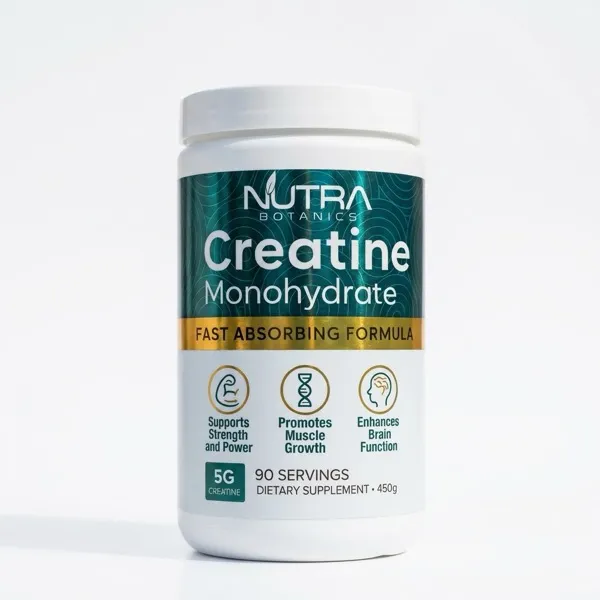
Collagen Joint Complex
Hydrolyzed collagen · 30 servings
- Supports bone and connective tissue during perimenopause
- Hydrolyzed collagen peptides with vitamin C for synthesis
- Third-party tested · GMP certified
- Adjunct to training and adequate protein — not a replacement
$39.95Free shipping over $50
Shop Collagen Joint
Women's Wellness Formulas
Vitex · Minerals · Bone Support
- Standardized vitex extract for PMS support
- Calcium, magnesium, vitamin D foundations
- Collagen and bone-health formulas
- Honest effect sizes, no empowerment-marketing filler
BrowseFull women's wellness category
Shop Women's Wellness