
CLA — conjugated linoleic acid — has been one of the most studied weight-management ingredients of the last 25 years. Some headlines call it a fat-loss breakthrough; others call it overhyped. The honest answer sits between the two extremes, and it depends on what you mean by "work."
This guide reviews more than 20 clinical studies and meta-analyses to give you a straight answer: what CLA does, what it doesn't, and who actually benefits.
Key Takeaways
- Meta-analyses of human trials show modest fat-mass reductions of roughly 0.5–1.5 lbs over 6–12 weeks at 3–4g/day
- The active isomer (t10,c12) is responsible for most measured body-composition effects in research*
- Effects are most consistent when CLA is paired with regular exercise and adequate protein intake
- CLA is not a stimulant and won't replace caloric awareness — it's a small contributor, not a magic bullet
Related reading: CLA Dosage, CLA Benefits for Men, CLA for Women Over 40, CLA Side Effects.
What CLA Is and How It Works
CLA is a naturally occurring fatty acid found in grass-fed beef, dairy, and lamb. Supplements concentrate the active forms (primarily the t10,c12 isomer) into doses far higher than dietary intake — typically 3–4g per day vs. less than 1g from food.
The proposed mechanism: CLA appears to influence enzymes involved in fat storage and fat oxidation, potentially reducing the activity of lipoprotein lipase (which stores fat) while modestly supporting fat-burning pathways in muscle and liver tissue.*
The Research on Body Composition
The largest meta-analysis of CLA in humans (Whigham et al. 2007) pooled 18 studies and found an average fat loss of about 0.2 lbs per week of supplementation — small but statistically significant. Gaullier et al.'s 1-year trial (Gaullier et al. 2004) reported 1–2 lbs of fat mass reduction over 12 weeks at 3.2–6.4g/day, with continued modest effects at 12 months.*
The clearest pattern across the literature: CLA's effect is consistent but modest. It is not comparable to a quality diet and exercise plan, but it can act as a small additive lever when those fundamentals are already in place.
Where the Evidence Is Mixed
Not every study has shown a benefit. Some shorter trials (under 4 weeks) found no measurable effect, and a handful of trials in lean, athletic populations showed minimal or null results. Two factors likely explain this: dose and duration. Studies using less than 3g/day, or running fewer than 8 weeks, are far less likely to detect changes.
There's also a smaller body of research suggesting that high-dose CLA in already insulin-resistant individuals may modestly reduce insulin sensitivity (Risérus et al. 2002). This is the strongest "be cautious" finding in the literature.
Who Sees the Best Results
CLA appears to work best for: overweight or moderately overweight adults beginning a structured exercise program, people in a slight caloric deficit, and individuals taking CLA consistently for at least 8–12 weeks. Lean, already-trained populations tend to see smaller responses because their fat-loss "ceiling" is closer.
The Bottom Line
Does CLA work? Yes — modestly, predictably, and best as a supplement to (not a replacement for) the foundational habits of caloric awareness, protein intake, and resistance training. Set realistic expectations, give it 8–12 weeks, and pair it with the rest of the picture.
Frequently Asked Questions
How much CLA do I need to see results?
How long until CLA shows results?
Does CLA work without exercise?
Are CLA results permanent?
Is CLA safe for long-term use?
Does CLA work better with cardio or weights?
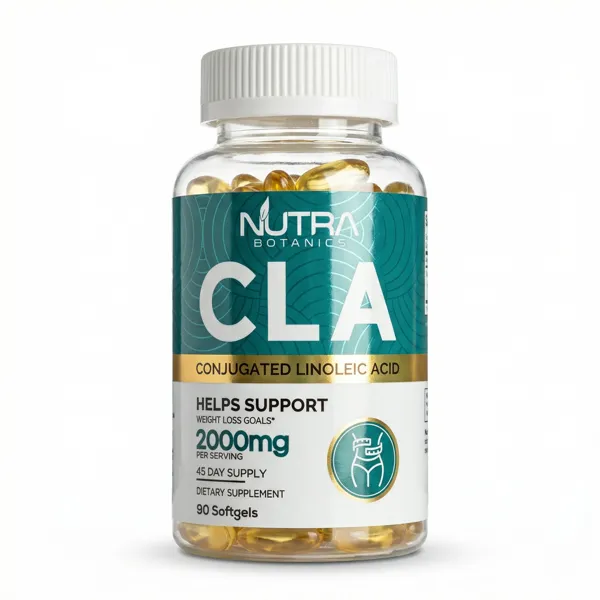
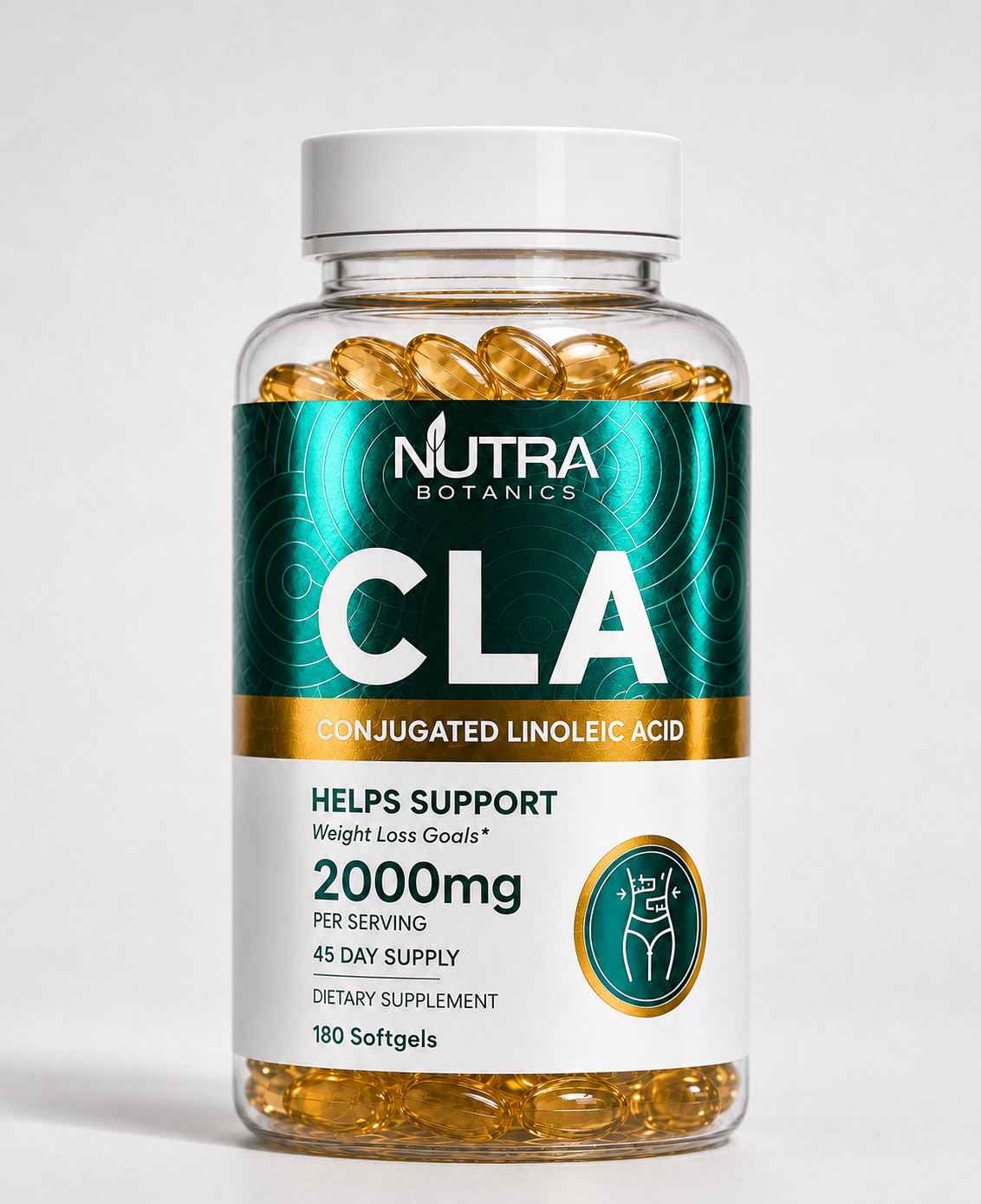
CLA Softgels
Safflower-derived · 90 softgels
- 1,000mg Conjugated Linoleic Acid per softgel
- Supports body composition goals alongside training
- Non-stimulant · appropriate for long-term use
- GMP & NSF certified · PhD-supervised testing
$24.95Free shipping over $75
Shop CLA Softgels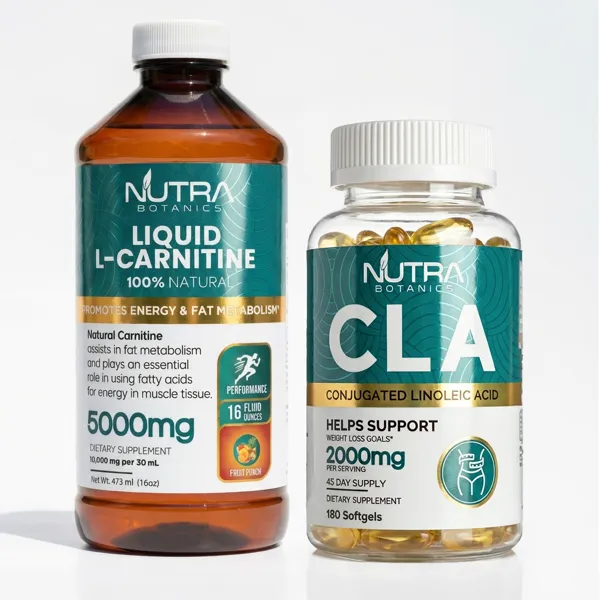
Explore Weight Management
Browse the Nutra Botanics weight management range
- CLA, L-carnitine, appetite support, and bundles
- Compare formats, dosing, and stack partners
- Find the right fit for your composition goals
- GMP & NSF certified · PhD-supervised testing
Shop the rangeSubscribe & save 20%
Browse Weight Management