
Key Takeaways
- 1–3g per day is the clinically studied range; higher doses have not shown additional benefit
- Take with a carbohydrate-containing meal — insulin drives muscle uptake of L-carnitine
- Split dosing (500mg–1g, 2–3 times daily) may produce better plasma levels than a single large dose
- L-carnitine L-tartrate is the most studied form for exercise endpoints; acetyl-L-carnitine is studied for cognitive endpoints
- Expect 2–3 months of consistent use before measurable effects emerge
Related reading: L-Carnitine Benefits, L-Carnitine for Women, L-Carnitine and Exercise, Liquid vs Capsule L-Carnitine.
Standard Research Doses by Goal
The dose that works best depends on your primary goal. Here is a breakdown based on the research literature:
Fat metabolism support: 1,500–2,000mg daily, ideally 30–60 minutes before exercise.*
Exercise performance and recovery: 2,000–3,000mg daily, split between pre- and post-workout.*
General energy and metabolic support: 1,000–2,000mg daily, taken in the morning or before activity.*
Cardiovascular support (under physician guidance): 2,000–3,000mg daily in divided doses.*
Most healthy adults do well starting at 1,500–2,000mg and adjusting from there. Higher doses (above 3g) may cause mild GI upset in some people and do not appear to produce meaningfully better results.
Liquid vs. Capsule: Which Absorbs Better?
Form matters significantly for L-carnitine. Liquid L-carnitine is absorbed much faster than capsules or tablets. Research shows liquid formulations reach peak plasma concentrations in approximately 30 minutes, while solid oral forms take 2–3 hours.
For pre-workout use, this difference is meaningful — you want carnitine available in your bloodstream before and during exercise, not hours afterward. If you train in the morning, liquid L-carnitine taken 30 minutes before your workout is the most practical approach.
Our Liquid L-Carnitine 5000mg delivers a full 5,000mg per tablespoon, giving you flexibility to use a half tablespoon (2,500mg) or a full tablespoon depending on your goal.
The Insulin Connection: Why Carbs Help
One of the more interesting findings in L-carnitine research is the role of insulin in muscle carnitine uptake. A landmark 2011 study in the Journal of Physiology found that carnitine delivery to muscle is insulin-dependent — meaning that taking L-carnitine alongside carbohydrates (which spike insulin) significantly increases the amount of carnitine that actually gets into muscle tissue.
Practical implication: if you train fasted or on a very low-carb diet, your L-carnitine may be less effectively transported into muscle. Taking it with a small amount of carbohydrate (fruit, oats, a sports drink) can improve uptake significantly.*
If you are on a strict ketogenic diet, this is less relevant — but it is worth knowing that fat-adapted metabolic states change how carnitine supplementation works.
Timing Strategies for Different Goals
Pre-workout (fat burning and performance): Take 1,500–2,500mg of liquid L-carnitine 30–60 minutes before training. This puts carnitine in circulation when muscle uptake is highest and fat oxidation demand is greatest.*
Morning (daily metabolic support): Take 1,000–2,000mg with breakfast, especially if breakfast contains some carbohydrates. This supports all-day fat metabolism and energy.*
Post-workout (recovery): Some research supports post-workout dosing to reduce muscle soreness and oxidative stress. A dose of 1,000–2,000mg with your post-workout meal works well.*
How Long Until It Works?
L-carnitine is not immediate like caffeine. Building muscle carnitine stores takes time. Research consistently shows meaningful benefits emerging at 4–8 weeks of daily supplementation, with the clearest body composition effects visible at 12–24 weeks.
Daily consistency matters more than any single large dose. Your body can only absorb and use so much carnitine at once — splitting your dose between morning and pre-workout, rather than taking it all at once, may improve overall effectiveness.*
Frequently Asked Questions
Can I take too much L-carnitine?
Should I take L-carnitine every day or only on training days?
Can I take L-carnitine with coffee?
Is 5,000mg of L-carnitine too much?
When should I take L-carnitine for weight loss?
Does L-carnitine need to be cycled?
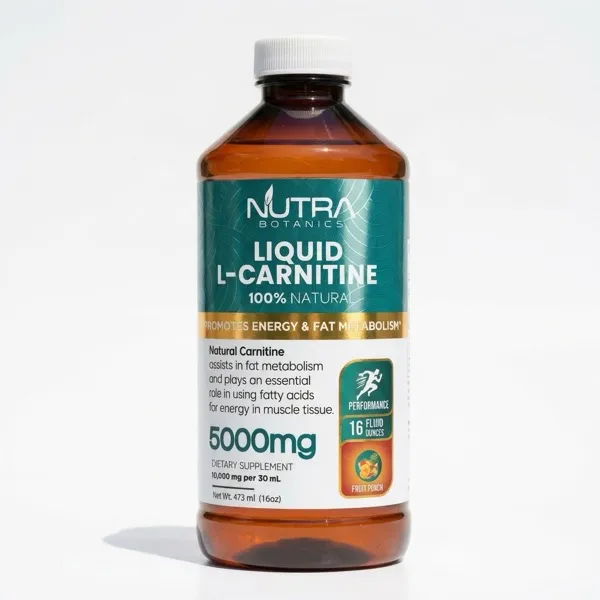
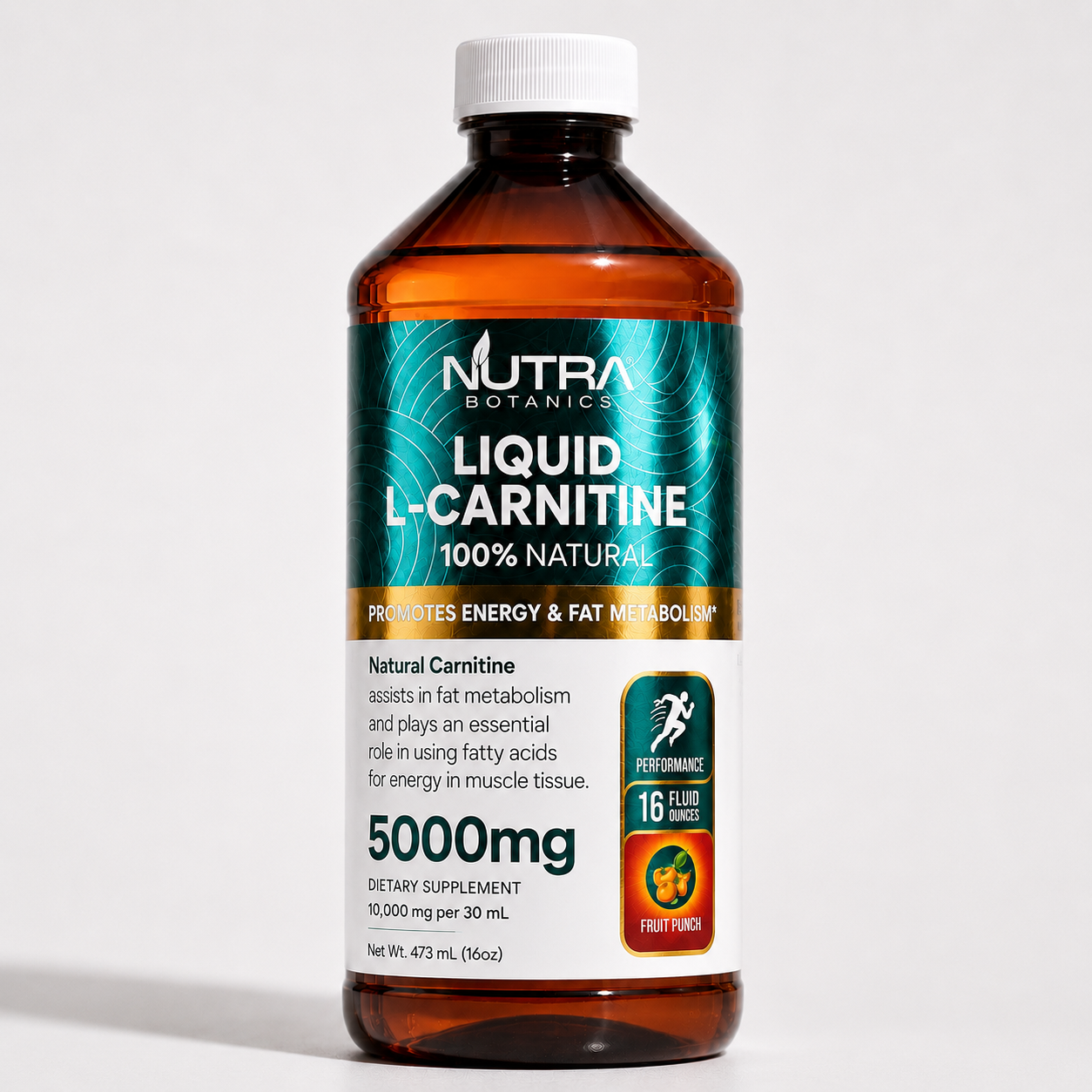
Liquid L-Carnitine 5000
5000mg per serving · 32 servings
- 5,000mg L-Carnitine per 1-tablespoon serving
- Supports fat transport into mitochondria for energy use
- Non-stimulant · pairs well with training days
- GMP & NSF certified · PhD-supervised testing
$22.95Free shipping over $75
Shop Liquid L-Carnitine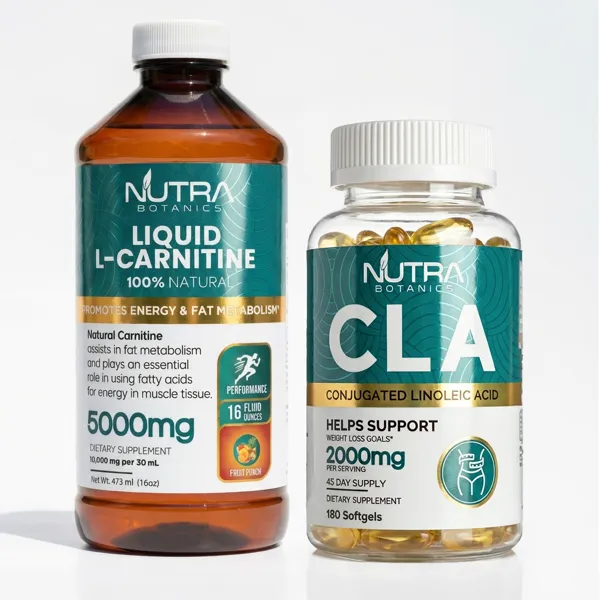
Explore Weight Management
Browse the Nutra Botanics weight management range
- CLA, L-carnitine, appetite support, and bundles
- Compare formats, dosing, and stack partners
- Find the right fit for your composition goals
- GMP & NSF certified · PhD-supervised testing
Shop the rangeSubscribe & save 20%
Browse Weight Management