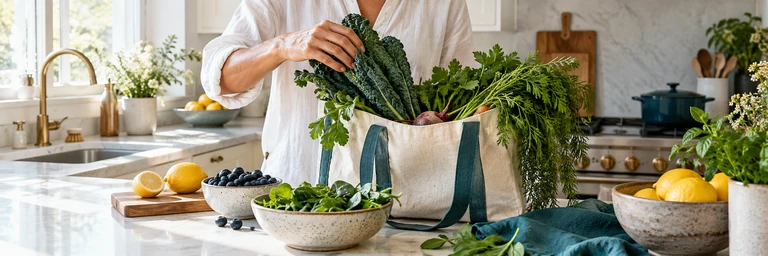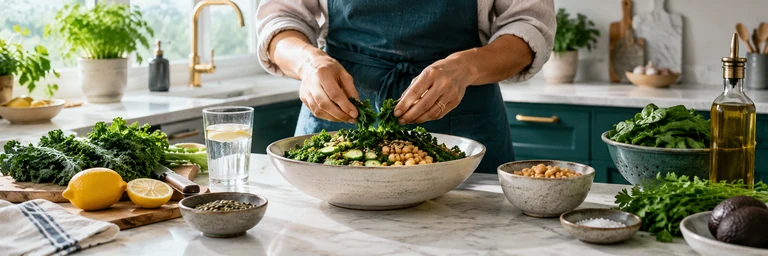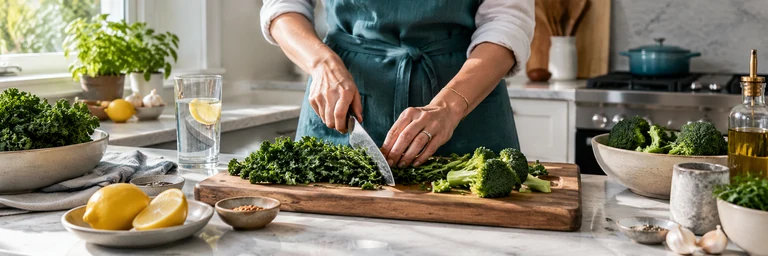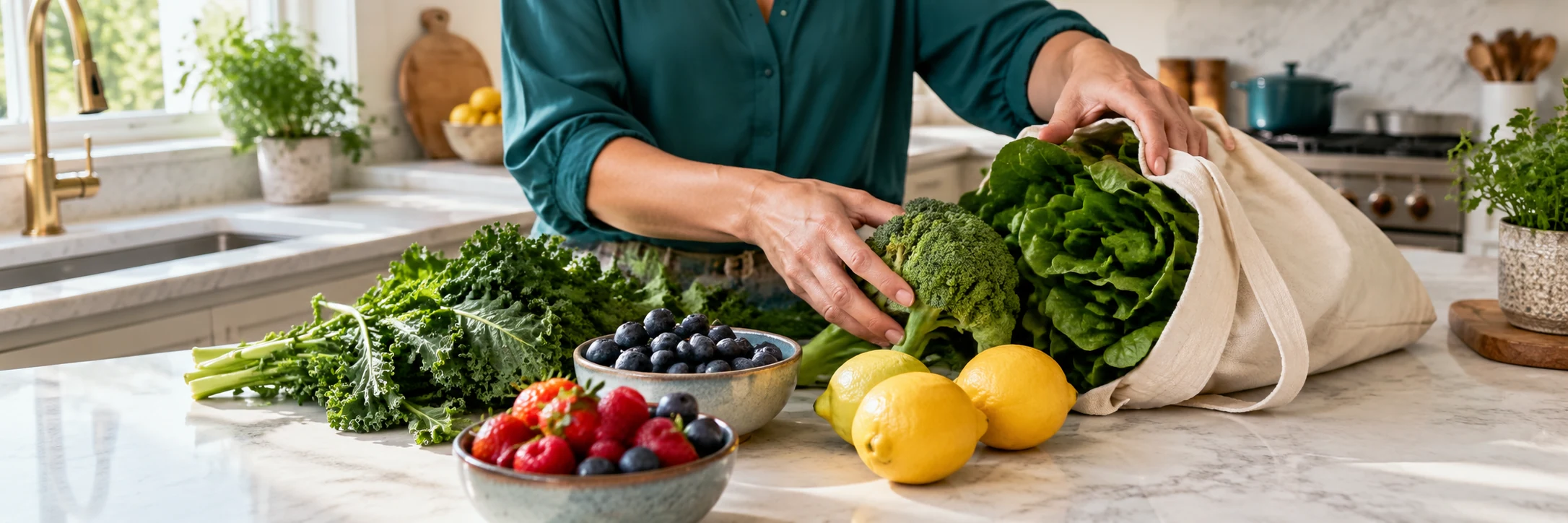
A useful food-first routine starts with ordinary meals: vegetables, beans, whole grains and whole fruit. Add drinks that fit your needs. These choices can help you get fiber and stay hydrated. A juice-only cleanse or a special “detox food” is not required.
Start here
- Choose meals you can keep making, rather than a short cleanse.
- Add fiber gradually, with enough liquid to help it work.
- Use herbs, tea and citrus for meals and drinks you enjoy.
- Read a supplement's actual label before deciding whether it fits.
Healthy kidneys remove waste and extra fluid as part of their normal work. NIDDK explains that process. This is different from proving that a food or commercial cleanse removes a particular toxin.
NCCIH's review of detox programs found no compelling research for toxin removal or lasting weight management. The practical goal here is better everyday food choices, not a promise to “flush” your body.
Broccoli and cabbage: make vegetables easy
Broccoli, cauliflower and cabbage give you several ways to build a meal. Pick the form you will use: frozen florets for a quick dinner, shredded cabbage for a bowl, or roasted vegetables prepared ahead.
Try this: roast broccoli with olive oil, then serve it with chickpeas and brown rice. Finish with lemon. Keep extra portions for tomorrow's lunch. This is a meal idea, not a tested detox protocol.
Broccoli research needs context. A 2014 trial tested a specially prepared broccoli-sprout beverage for 12 weeks. It measured increased urinary removal of compounds linked to benzene and acrolein exposure. It did not establish an everyday broccoli portion as a treatment for toxin exposure.
Beets: a colorful addition to your plate
Build a dish around beets instead of treating beet juice as a cleansing prescription. Roasted or ready-cooked beets are easy to use in a lunch bowl, a side dish or a salad.
Try this: combine chopped beets, chickpeas and leafy greens. Add a lemon dressing and a food you enjoy for protein. Make a small batch first so you can decide whether it suits your routine.
People prone to certain kidney stones may need to limit high-oxalate foods, including beets. NCCIH highlights this concern with some juice cleanses. Follow your own dietary guidance rather than adopting a daily beet-juice rule.
Garlic and onions: flavor that makes meals work
Garlic, onions and leeks can make an ordinary meal more appealing. Use them in a dish you already like, instead of forcing down raw garlic for a supposed cleansing effect.
Try this: cook onions and garlic as the base for a lentil soup. Add the vegetables you have, then season to taste. Or stir chopped garlic into a dressing for a grain bowl. Adjust the amount and preparation to what you tolerate.
These cooking ideas do not establish protection against alcohol damage or heavy-metal exposure. If your concern is liver disease or a possible toxic exposure, food choices should not delay appropriate care.
Green tea: choose the drink, check the extract
A brewed tea and a concentrated supplement are different choices. NCCIH's green tea guidance notes that tea contains caffeine and that uncommon liver injuries have been reported with green tea extracts, mainly in tablets or capsules.
Choose tea because you enjoy it, not as a prescribed liver cleanse. Consider caffeine, medicines and any personal restrictions. There is no universal two-to-four-cup detox rule in this guide.
Try this: keep a favorite unsweetened tea alongside your usual water or meals. If you are considering an extract, read the full product label and discuss it with your healthcare professional when medicines or health conditions are involved.
Lemon and citrus: make your drink inviting
Lemon slices can make water more enjoyable. They do not establish a special kidney-filtering or bile-flushing effect. You can choose plain water or a citrus drink without turning either into a detox ritual.
NIDDK advises liquids to help fiber work. The amount you need depends on your size, health, activity and surroundings. Keep a drink available, and follow any fluid limit you have been given.
Try this: add a slice of lemon to water at lunch, or choose an orange as part of your meal. A routine that works for you matters more than a required glass size or a rule about drinking before breakfast.
Turmeric: build flavor, avoid treatment promises
Turmeric works well as a spice in soups, rice dishes and roasted vegetables. Use it to make a meal you enjoy. That cooking role is different from taking a concentrated curcumin supplement.
NCCIH's turmeric guidance notes that enhanced-absorption products have been linked to liver injury. More absorption does not automatically make a supplement a better choice. A “2,000%” headline is not a reason to treat a food or capsule as liver treatment.
Try this: season a vegetable-and-lentil soup with turmeric and the spices you normally use. There is no required pepper extract or branded absorption system for this cooking suggestion.
Turn the list into a routine
NIDDK lists whole grains, beans, fruits and vegetables among useful fiber sources. Add fiber a little at a time. Increasing everything at once can make a new routine harder to stick with.
- Pick one breakfast. Try oatmeal with berries, or another familiar meal you can repeat.
- Build one lunch bowl. Pair beans or lentils with vegetables and a grain you enjoy.
- Make dinner do double duty. Roast vegetables or cook a soup that also works for tomorrow.
- Keep the plan flexible. Choose food you like, can afford and can prepare. These are examples, not a personal diet prescription.
Handle produce safely. FDA recommends rinsing produce under running water, without soap or detergent. Keep it separate from raw meat. Washing helps reduce bacteria; it does not make every food completely risk-free.
Considering Colon Detox & Cleanse?
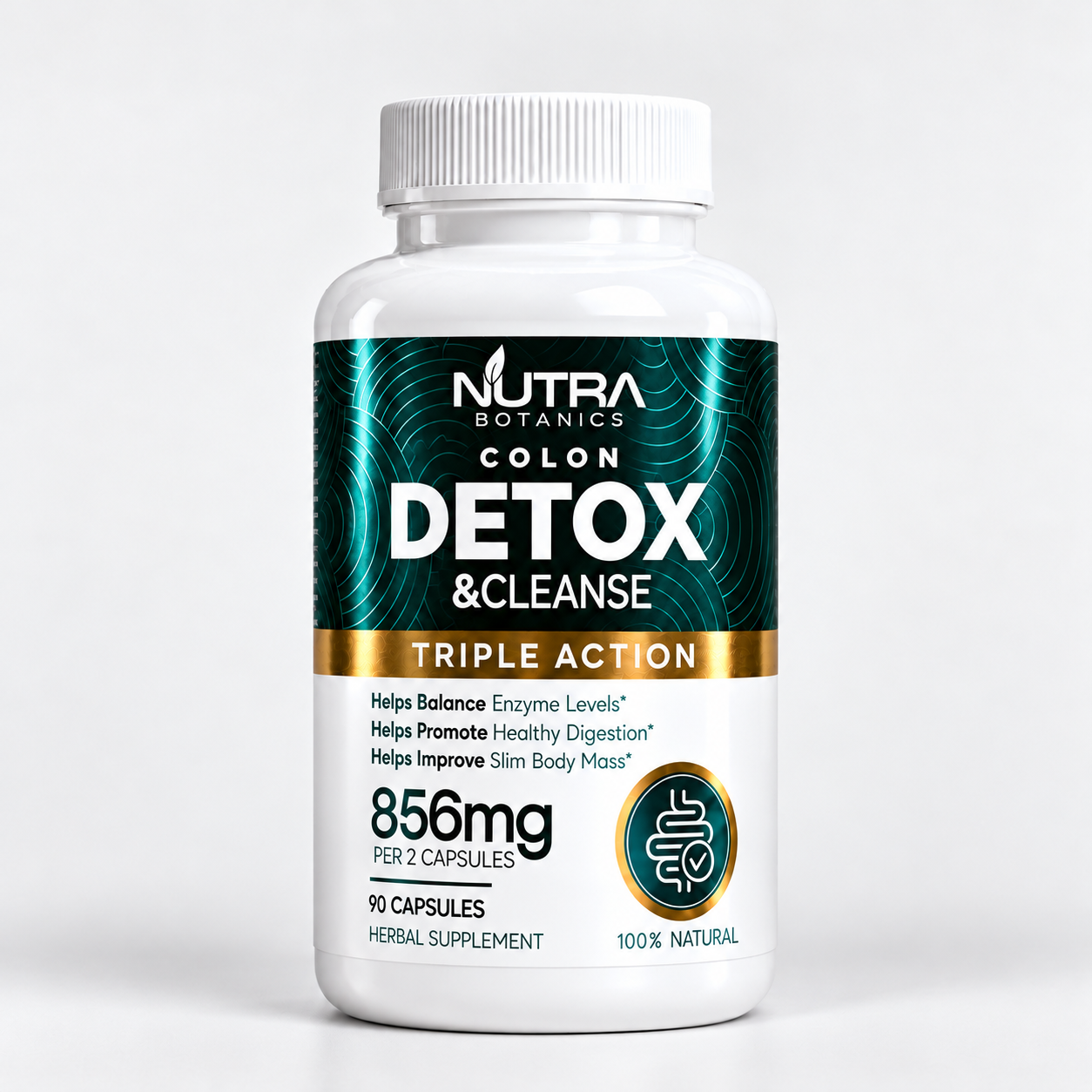
Compare the actual blend with your goal. Nutra Botanics Colon Detox & Cleanse contains psyllium, fennel, root botanicals and Bacillus coagulans. It also contains cascara sagrada and aloe ferox, stimulant-laxative herbs. It should not be presented as a liver-toxin flush.
- What the label discloses: 2 capsules per serving, 45 servings, and an 856 mg combined proprietary blend.
- What that number means: 856 mg is the total blend, not an amount for each ingredient or a fiber total. Individual amounts and a probiotic CFU count are not disclosed.
- Before choosing: read the current directions and warnings. A 45-serving bottle is not advice to use stimulant-laxative herbs continuously for 45 days. Ask a healthcare professional about an appropriate duration.
The current one-time price is $32.99, about $0.73 per labeled serving before tax and shipping. The capsule shell contains gelatin. Check these facts and the complete label against what matters to you.
Keep the goal clear
A balanced meal plan and a commercial cleanse answer different questions. See the complete detox guide for normal liver and gut functions, and the cleanse research review before evaluating a supplement.
For related questions, compare detox and cleanse terminology, recurring digestive changes, liver supplement evidence and weight management approaches. Possible toxic exposure or a diagnosed condition needs its own care plan.
Questions about natural detox foods
What are the best foods for liver detox?
Does lemon water actually detox your body?
How much broccoli should I eat for detox benefits?
Is garlic good for liver health?
Can food alone be enough for a detox?
What foods should I avoid during a detox?