

Notice the change. Choose a useful next step.
- Describe your symptoms before choosing a “gut reset” product.
- Add food-based fiber gradually and keep fluids suited to your needs.
- Compare a plain fiber, probiotic or enzyme with the complete formula.
- Get advice when symptoms persist, worsen or interfere with daily life.
Does your gut need a reset? Bloating, bowel changes or a tired day cannot answer that question on their own. Start by noting what changed, when it happens and how it affects you. A clearer description helps you choose a practical next step.
This guide explains everyday digestive care and the differences between supplement types. It also shows what to check on the current Colon Detox & Cleanse label before buying.
What your digestive system already does
Your digestive system breaks food into parts the body can absorb and use. Bacteria in the digestive tract help with digestion, alongside the organs, nerves and hormones that keep food moving. NIDDK explains the digestive process.
The microbiome is the community of microorganisms living in and on the body. Researchers are studying how it relates to health. That does not make every skin, mood or energy change evidence of an imbalance that a supplement can identify or fix.
A useful goal is specific: understand a bowel change, build a tolerable fiber routine or check a food-related pattern. “Improve everything through the gut” gives you less to work with.
Seven changes worth describing clearly
These are things to note, not a checklist that diagnoses a gut imbalance. Record when a change began and whether it is occasional, persistent or getting worse.
- Bloating: note the feeling of pressure and whether your belly visibly changes.
- Hard or difficult stools: describe what changed in your usual bowel pattern.
- Loose stools: note frequency and any recent medicines or supplements.
- Discomfort after meals: record foods, portions and timing.
- A new food-related pattern: describe it before cutting out several food groups.
- Persistent fatigue or brain fog: bring it up with a healthcare professional rather than assuming a cleanse is the answer.
- Skin or mood changes: discuss them on their own terms; they do not identify a digestive cause.
A short food and symptom diary can help make a conversation more useful. Our practical bloating guide has a notes checklist and explains when an enzyme choice needs a specific reason.
Review recent changes before adding more
Think about new foods, larger portions, a sudden increase in fiber, medicines and supplements. Bring a complete list to your appointment. Several medicines and supplements can contribute to constipation, so adding another product may miss the reason for the change.
Do not stop a prescribed medicine or try to “restore” your microbiome on a fixed schedule after antibiotics. Ask the prescriber about symptoms and the next step. This guide does not assign a universal recovery time or probiotic amount.
For bloating, stress and the way the gut senses or moves gas can also matter. Persistent symptoms need individual assessment. AGA explains bloating and home care.
Make everyday digestive care manageable
“Gut reset” is a wellness phrase, not a medical diagnosis. Use it, if at all, to describe returning to habits you can maintain. It should not mean forcing a cleanse or treating every symptom as accumulated toxins.
For a fiber routine, start with foods you enjoy: oatmeal, beans, fruit, vegetables or nuts. Add fiber a little at a time. Fluid needs depend on your health, size and activity, so use personal guidance where needed. NIDDK gives practical fiber and fluid advice.
Keep meals unhurried and regular movement in your day. If fizzy drinks or chewing gum are part of your routine, note whether changing them affects bloating. Choose one manageable change so you can describe what happened.
Compare the type of product first
Fiber, probiotics, enzymes and mixed cleanse formulas answer different questions. Compare their ingredients and purpose before you compare the number of capsules in a bottle.
| Product type | What it tells you | What to check |
|---|---|---|
| Plain fiber | A named fiber ingredient, rather than a mixed cleanse. | The exact fiber amount, fluid directions and suitability for your needs. |
| Probiotic | Live microorganisms with effects that depend on the preparation. | Species, strain, viable count and the specific purpose. More CFUs alone is not a reason to choose it. |
| Lactase enzyme | An enzyme that breaks down lactose, the sugar in milk. | Whether lactose intolerance is relevant. Lactase is not a general answer to every digestive symptom. |
| Mixed cleanse | A combination that may include fiber, herbs, minerals or a culture. | The complete blend, any bowel-stimulating ingredients, warnings and appropriate duration. |
Different probiotics can have different effects. CFU is a unit used to count microorganisms that can grow. A species name and a large CFU number do not establish a gut-reset result. NCCIH explains probiotic differences. For lactose intolerance, NIDDK describes the specific role of lactase.
Commercial detox diets have not been supported by compelling research for eliminating toxins or managing weight. Laxative-containing programs can cause diarrhea and dehydration. Read NCCIH's cleanse evidence and precautions.
Pick a clear next step
For an occasional pattern, keep simple notes and make a manageable habit change. For persistent or worsening symptoms, seek an assessment. For a supplement purchase, read the complete label and ask what specific need it addresses.
Get prompt medical attention for blood in stool, severe or constant abdominal pain, persistent vomiting or unexplained weight loss. Constipation with an inability to pass gas needs care right away. NIDDK lists constipation warning signs.
Read Colon Detox & Cleanse as a combined blend
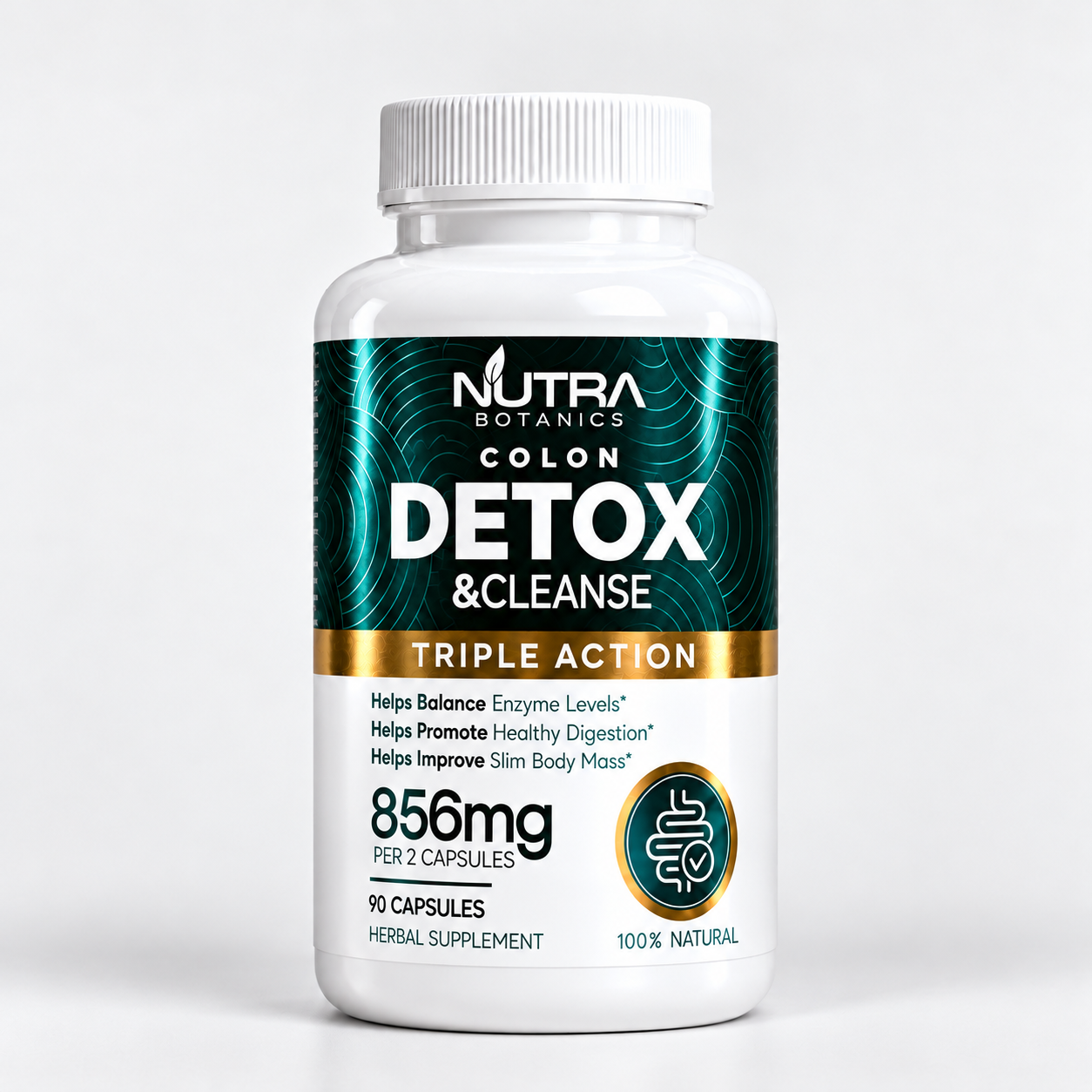
The current formula includes psyllium husk, fennel, root botanicals, bentonite and Bacillus coagulans, along with cascara sagrada and aloe ferox. It is a mixed botanical, fiber, mineral and live-culture formula. The capsule shell contains gelatin.
- Label serving
- 2 capsules
- Combined blend
- 856 mg per serving
- Labeled servings
- 45 per container
The 856 mg is a combined amount, not an amount for each ingredient. The current facts do not give an individual psyllium amount, probiotic strain identifier or viable CFU count. Compare the formula as a whole rather than treating it as a specified standalone fiber or probiotic product.
Cascara is a laxative botanical with precautions, including possible cramps and other adverse effects with inappropriate or prolonged use. Ask about suitability and duration, and follow the full current bottle directions and warnings. Forty-five labeled servings do not establish a complete cleanse cycle. NIH's cascara overview explains precautions.
Questions before choosing a gut product
Do bloating or skin changes prove my gut needs a reset?
How can I start a manageable fiber routine?
Is a higher probiotic count always better?
Does a mixed cleanse work like a lactase enzyme?
Do 45 servings mean a complete cleanse cycle?
When should digestive symptoms be assessed?
Editor's note: October 14, 2026
This revision replaces symptom-based diagnoses, fixed microbiome recovery targets and cleanse-cycle marketing. It adds a practical product-type comparison and current manufacturer label checks.

Explore the formulas
Related Articles


Sources and product context
Nutra Botanics sells the formula discussed here. The linked guidance explains general digestive care and ingredient distinctions; it does not establish a finished-product gut-reset result. This is an editorial source and label check, not a personal treatment plan.