

Track the pattern. Choose the next step.
- Try eating more slowly and limiting fizzy drinks.
- Note food portions, bowel habits and recent changes.
- Match an enzyme or supplement to a specific need, rather than a “gut reset” promise.
- Get advice for symptoms that persist, worsen or affect daily life.
To reduce bloating, start with the pattern: when it happens, what you ate and whether your bowel habits have changed. Slower meals, fewer fizzy drinks and gradual fiber changes may help. Persistent or worsening symptoms need a clearer explanation before you add supplements.
This guide gives you practical starting points, a simple notes checklist and current label checks. Bloating alone cannot identify a bacterial imbalance, low stomach acid or an enzyme deficiency.
Bloating has more than one possible cause
Bloating is the feeling of fullness or pressure in your belly. It is different from a visible increase in belly size. Some gas during or after meals is normal, but symptoms that bother you deserve attention.
Swallowed air, food choices and constipation can contribute. Other digestive conditions can also be involved. The timing of symptoms is useful information, but it does not tell you which condition you have. Read NIDDK's gas and bloating overview.
For everyday meal ideas, explore our food-first routine guide. If you are comparing supplements, use our ingredient and label buying checks, keeping digestive symptoms separate from weight-management goals.
Gas does not automatically mean “bad bacteria”
Gut bacteria normally produce gas when they break down carbohydrates that reach the large intestine. That normal process is not, by itself, a sign that your gut needs a cleanse.
Some people have conditions that require assessment, including small intestinal bacterial overgrowth, often called SIBO. Constant bloating is not enough to diagnose it. A healthcare professional decides whether your history and symptoms call for testing.
Probiotics are not a general fix for bloating. The American Gastroenterological Association's expert update advises against using probiotics to treat abdominal bloating and distention. Do not assume a mixed probiotic product will reset your gut within a set number of weeks. Read the AGA expert guidance.
An enzyme choice needs a specific reason
Lactase is one clear example. It helps break down lactose, the sugar in milk. Lactase products can help some people with lactose intolerance, alongside changes in how much lactose they consume. NIDDK explains lactase products.
That does not mean everyone with bloating needs a broad digestive-enzyme blend. Symptoms after a meal do not establish that you lack amylase, lipase or another enzyme. Ask what problem a proposed product addresses and how that need was identified.
Check with a healthcare professional before using enzyme products, particularly during pregnancy, breastfeeding or for a child. A product's ingredient list should match the specific question you are trying to answer.
Food portions matter, and restriction needs a plan
FODMAPs are certain carbohydrates that can contribute to gas and digestive discomfort in a sensitive gut. Foods and portion sizes matter. The name is a diet category, not a diagnosis or a reason to cut every carbohydrate.
A low-FODMAP approach can be useful for selected digestive conditions, including IBS. It is not a permanent diet or a weight-loss plan. A dietitian can guide a short trial, bringing foods back and finding the amounts you tolerate. See AGA's low-FODMAP explanation.
Do not treat a reaction to wheat as proof that gluten is the cause. Likewise, low-FODMAP does not automatically mean dairy-free. Ask for help before making broad food exclusions.
Start with small, specific changes
Eat and drink more slowly. If you often have fizzy drinks, chew gum or eat on the run, try changing one habit and note what happens. These steps can reduce swallowed air. Read NIDDK's practical gas-symptom advice.
If you are increasing fiber, add it gradually. Include appropriate fluids, with personal guidance if a health condition affects how much you should drink. A sudden jump in fiber is different from building a routine your body can tolerate. See NIDDK's fiber and fluid guidance.
Keep regular movement in your routine. Stress-management techniques may help some people alongside their care plan. There is no universal fasting window or fixed post-meal walk time that this guide prescribes for bloating.
| What you notice | What to record | Useful next step |
|---|---|---|
| Frequent burping | Fizzy drinks, gum and how quickly you eat or drink. | Try a slower pace and fewer fizzy drinks. Note whether the pattern changes. |
| Symptoms after dairy | The food, portion and timing of symptoms. | Ask whether lactose tolerance is relevant, rather than assuming you need several enzymes. |
| A recent fiber change | New foods, powders or supplements and how much you added. | Discuss a gradual adjustment that suits your needs. |
| Hard or difficult stools | Bowel changes and all medicines or supplements you use. | Ask about constipation before choosing a cleanse or laxative. |
| New or worsening symptoms | When they started, other symptoms and how they affect daily life. | Seek medical advice instead of waiting for a supplement-results deadline. |
These notes help describe a pattern. They are not a test or a self-diagnosis tool. A brief food and symptom diary can make an appointment more useful. AGA explains home care and assessment.
When to get medical advice
Talk with a healthcare professional if symptoms persist, worsen, change suddenly or disrupt your daily life. Do not wait through weeks of supplement trials before asking for help.
Get prompt medical attention for severe or constant abdominal pain, blood in your stool, persistent vomiting or unexplained weight loss. If you are constipated and cannot pass gas, seek care right away. NIDDK lists constipation warning signs.
Bring your notes and the labels of everything you take. Testing and treatment depend on your history and symptoms; not everyone needs the same tests.
Before choosing Colon Detox & Cleanse
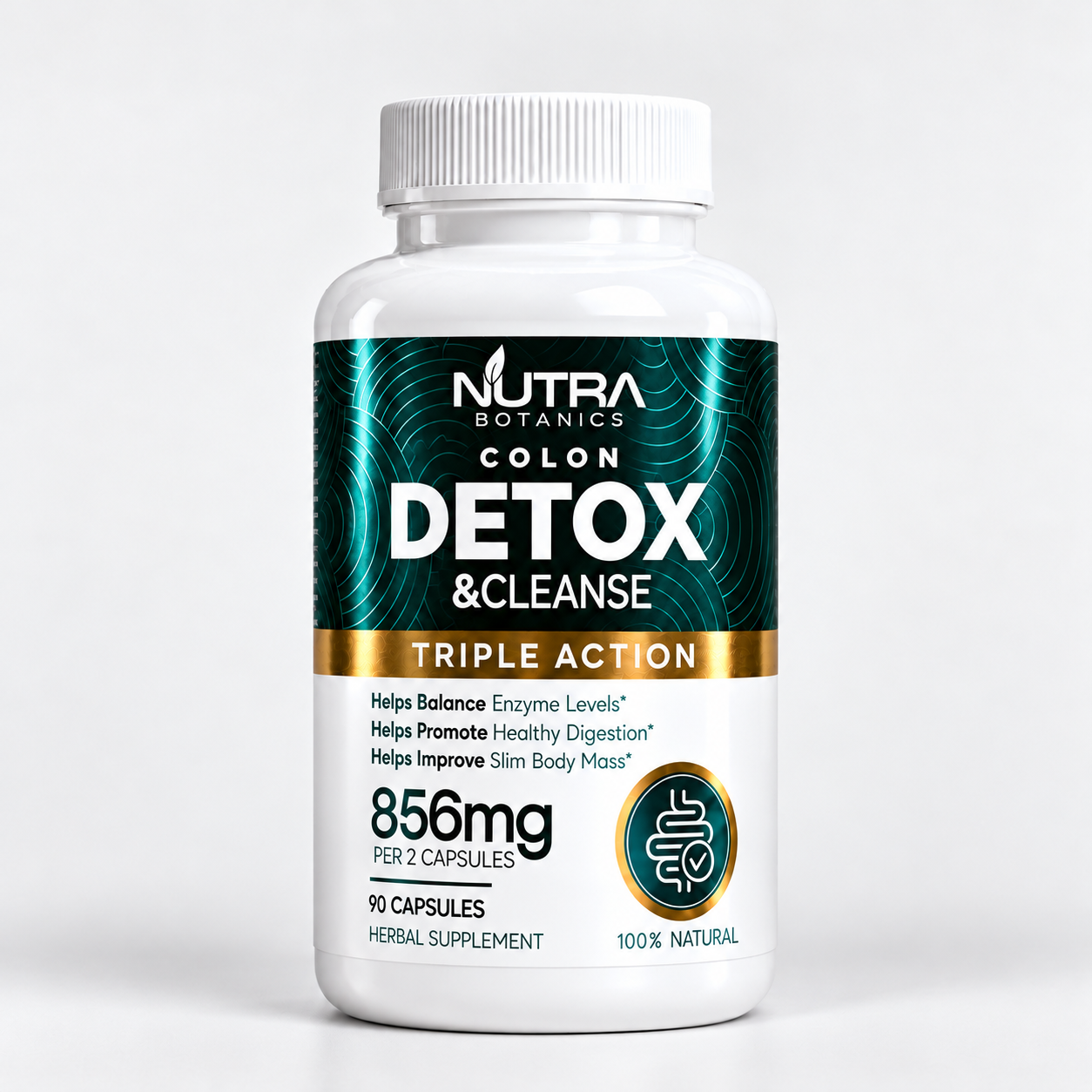
Our current manufacturer label lists a combined botanical, fiber and probiotic blend. It includes psyllium husk, cascara sagrada, aloe ferox and Bacillus coagulans. It does not list milk thistle, NAC or artichoke leaf.
- Label serving
- 2 capsules
- Combined blend
- 856 mg per serving
- Labeled servings
- 45 per container
The 856 mg is the blend's combined amount, not the amount of each ingredient. Individual psyllium and probiotic amounts are not disclosed. This is not a plain fiber or lactase product.
Cascara is a laxative botanical that can cause cramps and other adverse effects, particularly with inappropriate or prolonged use. Review the current bottle directions and warnings and ask about suitability and duration. The serving count is not a recommendation for 45 days of continuous use. NIH's cascara overview explains precautions.
Common bloating questions
Why am I bloated after meals?
What can I try for occasional bloating?
Do probiotics help everyone with bloating?
Can digestive enzymes reduce bloating?
Should I stay on a low-FODMAP diet?
Is Colon Detox & Cleanse a plain fiber or enzyme supplement?
Editor's note: October 14, 2026
This revision removes symptom-based diagnoses, fixed supplement timelines and unverified product scores. It corrects the formula's named ingredients and separates current label facts from medical assessment.

Explore the formulas
Related Articles



Sources behind the guidance
Open the source list
- AGA expert update: assessment, dietary guidance and probiotics
- AGA patient guide: home care and when to get help
- AGA patient guide: what low-FODMAP means
- NIDDK: gas symptoms and causes
- NIDDK: practical gas-symptom steps
- NIDDK: lactase and lactose intolerance
- NIDDK: gradual fiber and suitable fluids
- NIDDK: constipation warning signs
- NIH LiverTox: cascara use and precautions