
Key Takeaways
- Restrictive diets raise ghrelin and suppress leptin — driving the compensatory hunger that causes long-term regain
- Protein at 20–30g per meal triggers the strongest GLP-1 and PYY satiety response per calorie consumed
- Fiber at 25–35g daily slows gastric emptying and feeds gut bacteria that produce appetite-regulating short-chain fatty acids
- Sleep deprivation increases ghrelin 28% and decreases leptin 18%, adding roughly 385 extra daily calories of hunger drive
- Sustainable fat loss comes from a modest deficit paired with high-satiety foods — not extreme restriction
Related reading: How to Control Food Cravings, Natural Appetite Suppressants, Stress Eating: How to Stop, Glucomannan for Appetite Control.
Why Most Diets Fail: The Compensatory Hunger Problem
When caloric intake drops significantly, the body responds with a predictable biological defense: hunger increases, metabolism slows, and the brain's reward response to food amplifies. This is called adaptive thermogenesis and compensatory hyperphagia — and it's why the vast majority of people who lose weight on restrictive diets regain it within 1–5 years.
A landmark study following contestants from The Biggest Loser found that 6 years after the competition, participants not only regained most of their weight — their metabolic rate was significantly lower than predicted for their body size, and their ghrelin levels were chronically elevated. The extreme restriction had permanently altered their hunger biology. The lesson isn't that weight loss is impossible — it's that extreme restriction is counterproductive for long-term outcomes.
The Hormonal Hierarchy of Hunger
Appetite is controlled by four primary hormones that must be addressed for sustainable weight loss. Ghrelin: produced in the stomach before meals, rises with restriction and drops after eating. Chronic caloric restriction raises ghrelin chronically — keeping you perpetually hungry. Leptin: produced by fat cells, signals long-term energy sufficiency. Fat loss reduces leptin, signaling the brain that starvation is occurring and driving compensatory hunger.
GLP-1 and PYY: satiety hormones released by the gut in response to food, especially protein and fiber. These are the most actionable in the short term — food choices that maximize GLP-1 and PYY release per calorie consumed give you more satiety per calorie of food. This is the mechanism behind why high-protein, high-fiber diets produce less hunger at the same or lower calorie levels.
The Protein-First Strategy
Of all dietary strategies for appetite management, increasing protein is the most powerful and well-supported. Protein produces the highest GLP-1 and PYY response per calorie of any macronutrient. It has the highest thermic effect of feeding (25–30% of calories burned in digestion). And it reduces ghrelin more effectively than carbohydrates or fat at the same caloric load.
In practice: aiming for 25–35% of total calories from protein (approximately 1.6–2.2g per kg of bodyweight) reliably reduces total calorie intake without hunger by 300–450 calories per day in research studies. Starting each meal with protein before eating carbohydrates amplifies the satiety hormone response. A high-protein breakfast (35g+) specifically reduces cravings and snacking throughout the entire subsequent day.
Fiber's Role in Appetite Management
Dietary fiber is second only to protein in its appetite-suppressing effects — and most people eat a fraction of the recommended 25–35g/day. Soluble fiber forms a viscous gel in the gut that slows gastric emptying, prolongs satiety hormone release, and blunts post-meal blood sugar spikes. Insoluble fiber adds bulk and volume to meals without calories.
Glucomannan (1g before meals) is the most concentrated soluble fiber supplement, with multiple RCTs supporting its appetite and weight loss effects. Psyllium husk (5–10g with water before meals) is an alternative. For food-based fiber, legumes, oats, vegetables, and berries provide the highest amounts per serving. Increasing fiber gradually (adding 5g/day per week) prevents the digestive adjustment discomfort that causes many people to abandon high-fiber diets.
Psyllium husk (5–10g with water before meals) is an alternative.
Sleep and Stress: The Non-Negotiables
No dietary or supplement strategy can fully compensate for chronic sleep deprivation or untreated stress when it comes to appetite regulation. Seven hours or fewer of sleep raises ghrelin 28%, lowers leptin 18%, and increases next-day calorie intake by an average of 385 calories — while also shifting food preferences toward calorie-dense options.
Chronic psychological stress elevates cortisol, which directly increases appetite, promotes abdominal fat storage, and activates the brain's food reward circuitry. Ashwagandha (300–600mg/day) and sleep optimization are the highest-leverage interventions for this pathway. A weight loss strategy that includes sleep and stress management consistently outperforms one that relies on diet alone — because these factors are operating at the hormonal level that dietary choices can't fully override.
Building a Sustainable Caloric Deficit
The most effective caloric deficit for fat loss is the smallest one that produces consistent progress — typically 300–500 calories below maintenance. This is large enough to produce 0.5–1 lb/week of fat loss but small enough that compensatory hunger doesn't spiral into binge-restrict cycling.
At this moderate deficit, strategic protein and fiber intake can reduce subjective hunger to manageable levels. Appetite-supporting supplements (glucomannan, chromium, 5-HTP) fill the remaining gaps. The result is a deficit that can be maintained for months rather than abandoned in weeks — and the difference between 8 weeks and 6 months of adherence is the entire difference between meaningful body composition change and returning to baseline.
NutraBotanics Appetrol
Smarter appetite management with chromium, garcinia cambogia, ashwagandha, and adaptogenic botanicals — support that works with your biology.
Shop Appetrol →Frequently Asked Questions
Why am I always hungry on a diet?
How do I lose weight without being hungry all the time?
What is the best diet for appetite control?
Does drinking water help with appetite?
How important is sleep for weight loss?
What supplements help with appetite control for weight loss?
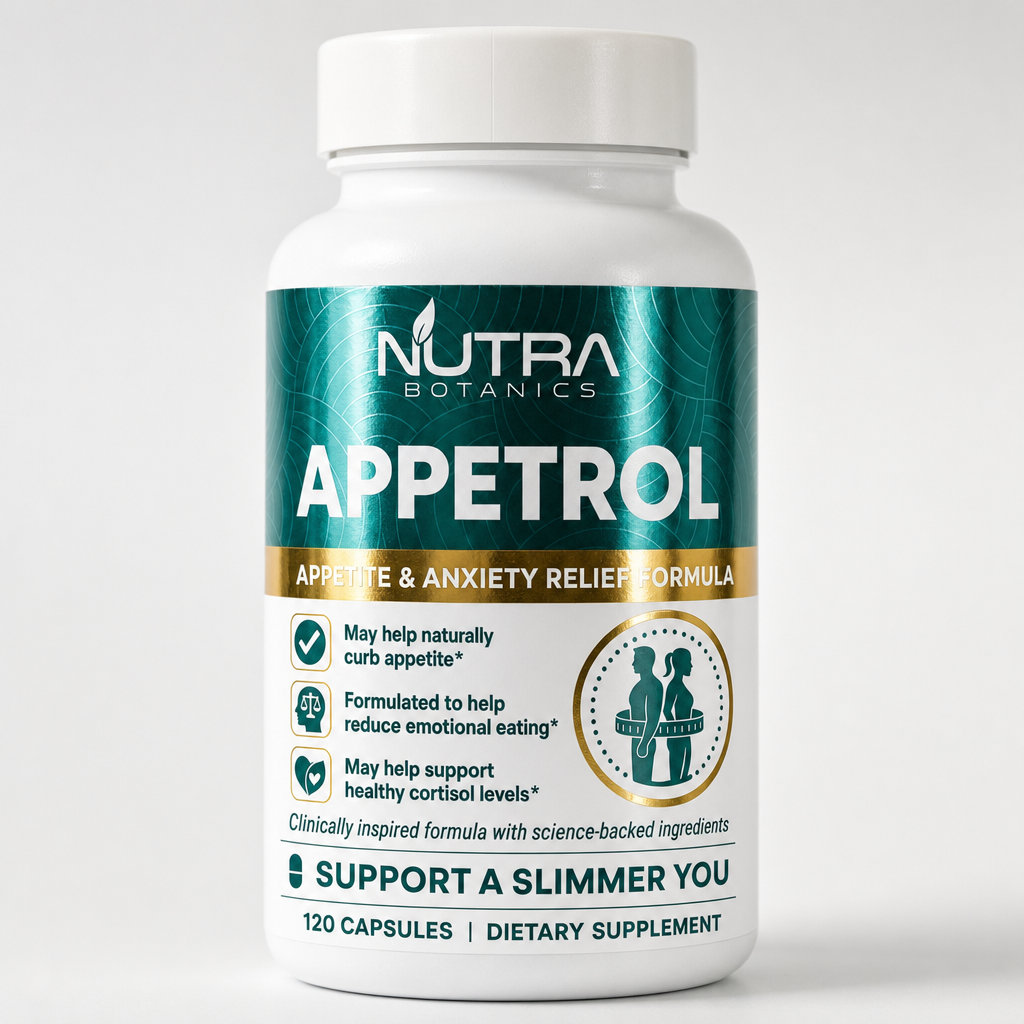
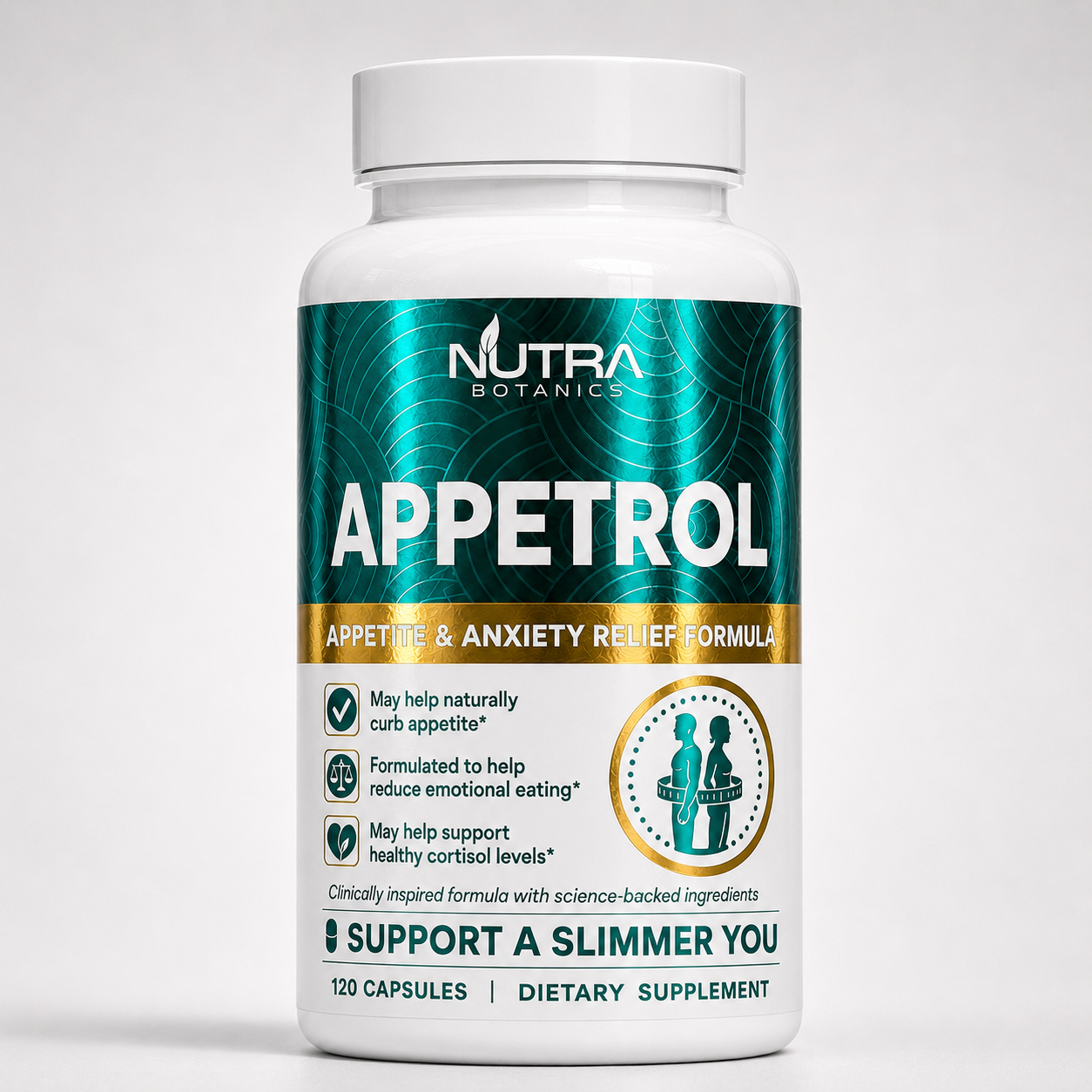
Appetrol Appetite Support
Adaptogen-based · 40 servings
- Ashwagandha, rhodiola, and L-theanine for stress-pathway support
- Garcinia cambogia and green tea in a daily-use formula
- Designed for stress-linked and emotional eating patterns
- GMP & NSF certified · PhD-supervised testing
See pricingFree shipping over $75
Shop Appetrol
Explore Weight Management
Browse the Nutra Botanics weight management range
- Appetite, metabolism, and body-composition options
- Compare formats, dosing, and stack partners
- Adaptogen and non-stimulant pathways
- GMP & NSF certified · PhD-supervised testing
Shop the rangeSubscribe & save 20%
Browse Weight Management