
Related reading: BCAAs vs EAAs vs Whey, BCAA Benefits, BCAA Dosage, EAA vs BCAA, When to Take BCAAs.
Do BCAAs work? Research supports specific short-term findings, including a post-exercise muscle protein synthesis response and reduced soreness in some studies. That does not establish that BCAAs outperform complete protein, accelerate long-term muscle growth or improve every measure of recovery. The useful question is what was actually measured.
Read the result accurately
- A four-hour synthesis measurement is not a months-long muscle-growth result.
- A lower soreness score does not automatically mean stronger performance.
- A placebo comparison is not a head-to-head comparison with whey or EAAs.
- These studies did not test the current Nutra Botanics finished formulas.
What the supplement supplies
BCAAs are leucine, isoleucine and valine, three of the nine essential amino acids. Complete protein and EAA formulas supply the full essential set. This matters when a claim about leucine signaling is presented as proof of a complete muscle-building result. Wolfe’s 2017 review explains the difference between a signal and the amino acids needed to make proteins.
The ratio on the bottle describes composition. In a 2:1:1 blend, leucine is twice the amount of either isoleucine or valine. The ratio is not, on its own, evidence that one brand or serving produces superior results.
The 2017 synthesis study: what it tested
Jackman and colleagues studied 10 resistance-trained young men in a crossover trial. After exercise, participants received a drink containing 5.6 g BCAAs or a placebo. Muscle protein synthesis measured over four hours was 22% higher with BCAAs. Read the original trial.
What that means: The trial detected an acute difference under controlled conditions. It did not include a whey or EAA treatment arm, measure months of muscle gain, or test Nutra Botanics capsules. Its 22% finding should not be turned into “22% more muscle” or a guaranteed product effect.
The recovery reviews: keep the endpoints separate
| Source | Finding | What it does not establish |
|---|---|---|
| 2017 trial, 10 men | Higher synthesis over four hours versus placebo | Long-term muscle gain or a whey comparison |
| 2024 analysis, 18 studies | Lower soreness at selected post-exercise times | The same result from every dose or blend |
| 2024 overview, 11 reviews | Soreness benefit; no muscle performance recovery benefit | Faster return of strength or better next-session performance |
The 18-study analysis examined soreness and muscle-damage biomarkers. Its findings differed by measurement and time after exercise; not every marker improved. The overview of 11 reviews separated soreness from muscle performance recovery and identified methodological weaknesses in the reviews.
These are useful findings when the goal is soreness. They should not be combined into a broader claim that BCAAs improve strength, endurance, muscle growth and fat loss at once. Reviews may also include overlapping trials, so 18 studies plus 11 reviews is not a count of 29 independent experiments.
BCAAs, whey and EAAs answer different questions
Whey is a complete protein source. An EAA formula supplies all nine essential amino acids without being a whole protein food. A BCAA-only formula supplies three. The NIH performance-supplement fact sheet reports inconsistent evidence of added benefits from BCAAs beyond sufficient high-quality protein.
That is a reason to examine your existing protein intake, not to claim an unverified matched-leucine trial proved one current product beats another. Compare the actual formats in our EAA and BCAA buying guide. It includes the labeled servings and current cost per serving.
Fasting, endurance and fat-loss claims
NIH finds little evidence for an endurance-performance benefit. It also notes that the effect of taking BCAAs before versus after exercise on protein synthesis or breakdown is unclear. That does not support presenting one workout window as a guaranteed advantage.
The sources reviewed here do not establish that the current Nutra Botanics formulas protect muscle during a calorie deficit, burn fat or work best during fasting. Those claims would need their own relevant evidence. See our consumer guide to these claims for the shopping implications.
Who should compare an amino formula?
Begin with the decision you can verify: do you want a capsule format, all nine EAAs in a drink, or a complete protein source? Convenient format, flavor and ingredient amounts are genuine product differences. They do not identify a research-proven “best responder” or promise better results than meals.
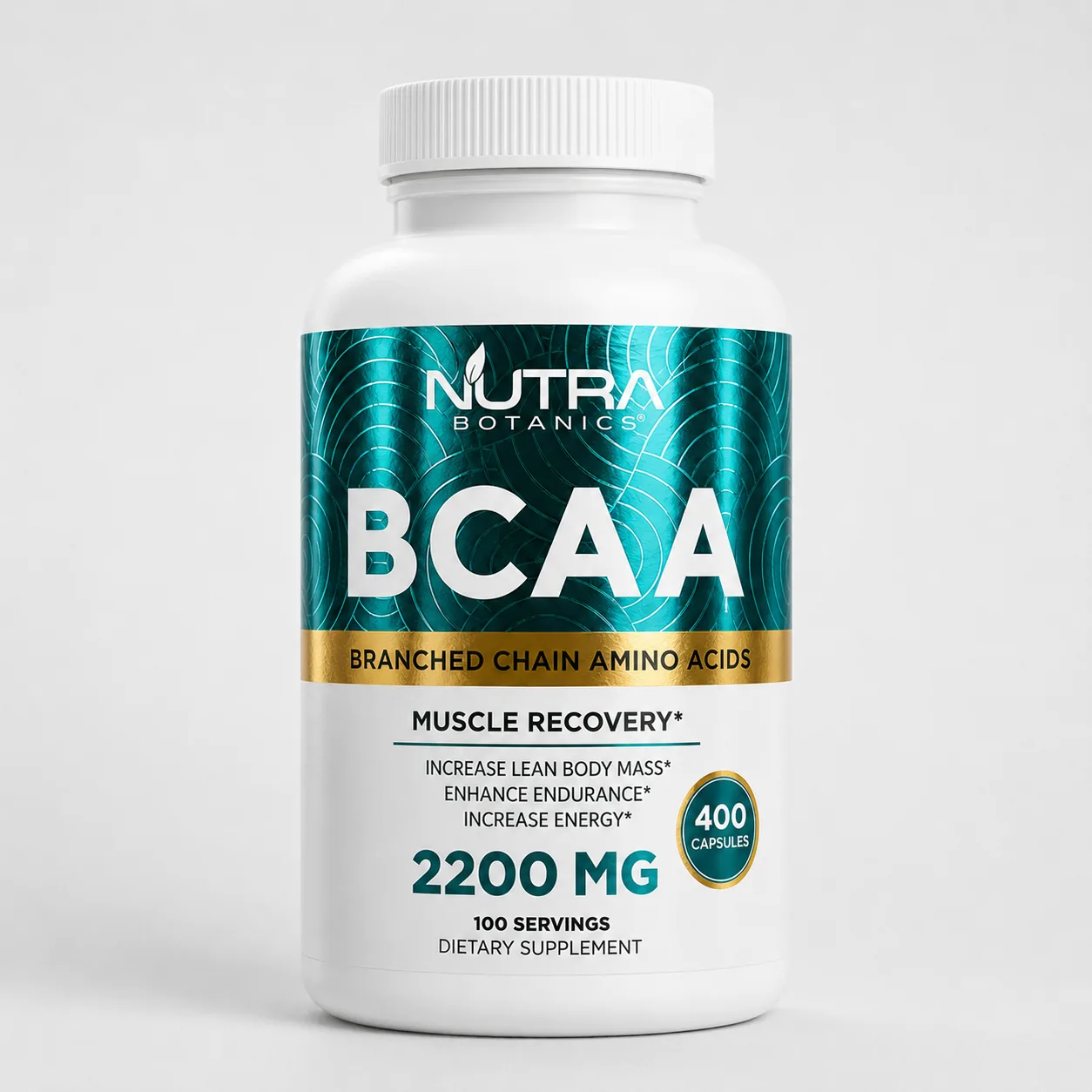
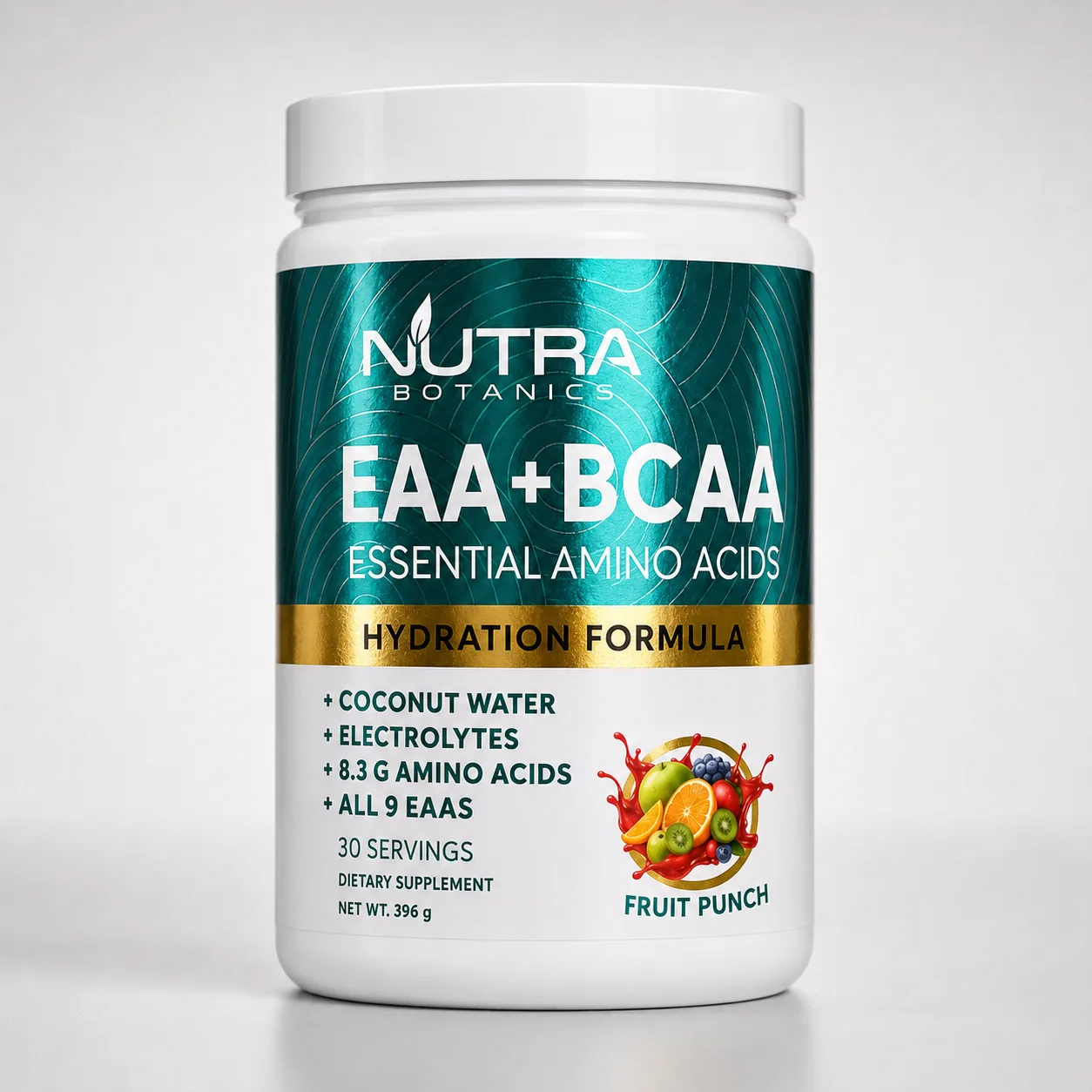
Current Nutra Botanics BCAA Capsules list 2.2 g BCAAs per four capsules and 100 servings. EAA + BCAA Hydration lists 5 g BCAAs plus the other six EAAs per approximately 13.2 g scoop, with 30 servings. Neither serving matches the 2017 study drink exactly. The capsule label lists gelatin; the powder includes sweeteners. Read the capsule label or read the powder label before choosing.
A decision based on the actual evidence
BCAAs have research findings worth understanding. The most useful distinction is between an acute synthesis response, post-exercise soreness and long-term training outcomes. Choose a supplement for its verified composition and practical fit, while keeping complete dietary protein in the picture.
Follow the current product’s directions and warnings. NIH’s safety discussion relies on short-term studies, so it should not become a blanket promise that indefinite daily use is suitable for everyone. Medical conditions, pregnancy, medicines and other supplements can change the decision.
Frequently asked questions
Do BCAAs actually build muscle?
Are BCAAs better than whey protein for muscle growth?
Do BCAAs reduce muscle soreness?
How much BCAA should I take and when?
Who actually benefits from BCAA supplementation?
Are BCAAs safe for long-term use?

Explore the formulas
Compare the full labels, capsule material and mixing directions. These research findings do not report a trial of either finished formula.