Related reading: BCAA Dosage, BCAA for Women, Best Time to Take BCAAs, EAA vs BCAA.
What are the benefits of BCAAs? Leucine, isoleucine and valine are essential amino acids used to make proteins. Supplemental BCAAs have shown a benefit for post-workout soreness in research, but that is different from proving faster muscle growth or fat loss. Start with what you want from your training nutrition: adequate protein, an amino-acid supplement or a convenient workout format.
The useful distinction
- BCAAs supply three essential amino acids. An EAA formula supplies all nine.
- Less soreness, more strength and more muscle are separate outcomes.
- Capsules and a scoop can contain different amounts, even when both say BCAA.
- Compare the full serving, ingredients and cost before choosing.
Three amino acids your body needs
“Branched-chain” describes the chemical structure of leucine, isoleucine and valine. They are essential because you need to obtain them through your diet. Protein foods already provide BCAAs; supplements offer a separate, measured serving. NIH’s consumer guide explains their role and the limits of the performance evidence.
For shopping, distinguish an ingredient’s normal role from a result demonstrated by a particular product. A bottle containing leucine does not, by itself, establish how much muscle someone will gain.
Muscle protein synthesis: the building process
Leucine helps signal muscle protein synthesis, the process of making muscle proteins. The other essential amino acids are also needed as building material. BCAAs supply three of the nine, so they are not a complete protein replacement. Read the amino-acid mechanism review.
A small post-exercise study found a higher short-term synthesis response with BCAAs than with placebo. That result does not establish greater muscle growth over a training program. For the trial conditions and measured outcomes, see our BCAA research review.
Performance: choose the outcome that matters
NIH reports little evidence that BCAA supplements improve endurance performance. A product’s amino-acid content should not be read as a promise of more repetitions or longer sessions.
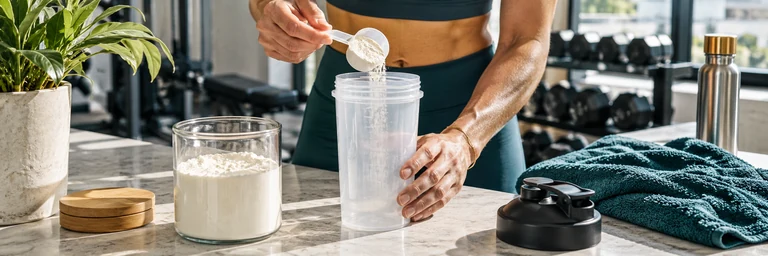
Practical choice: If you want a flavored drink, compare the amino acids, electrolyte amounts and mixing directions. If you prefer taking capsules with water, compare the capsule count and amount per full serving. Those format differences are useful without assuming the products deliver the same result.
Soreness: a more specific research finding
A 2024 analysis of 18 studies found lower delayed-onset muscle soreness at several times after exercise. Read the soreness meta-analysis. A separate overview of 11 reviews found soreness benefits but no improvement in muscle performance recovery. Read the recovery overview.
That distinction makes the buying question clearer: “less sore” is not the same claim as “ready to lift more tomorrow.” The findings do not establish an identical effect for every serving size, blend or shopper.
Cutting or training fasted: check the promise
A BCAA product is not a fat burner. The research above does not establish that either Nutra Botanics amino formula prevents muscle loss during a calorie deficit or provides a special benefit for fasted training. An amino-acid serving is also not the same as a water-only fast; whether it fits a fasting routine depends on that routine’s purpose.
For a clear comparison of amino-acid scope, see EAA versus BCAA. Choose the format and ingredient profile you actually want instead of relying on an unverified “fasted muscle protection” promise.
Complete protein first, then compare formats
Complete protein supplies all nine essential amino acids. BCAAs do not replace that full set or regular meals. NIH notes that additional performance benefits from BCAA supplements are not clear when enough quality protein is already consumed.
Compare the current Nutra Botanics options
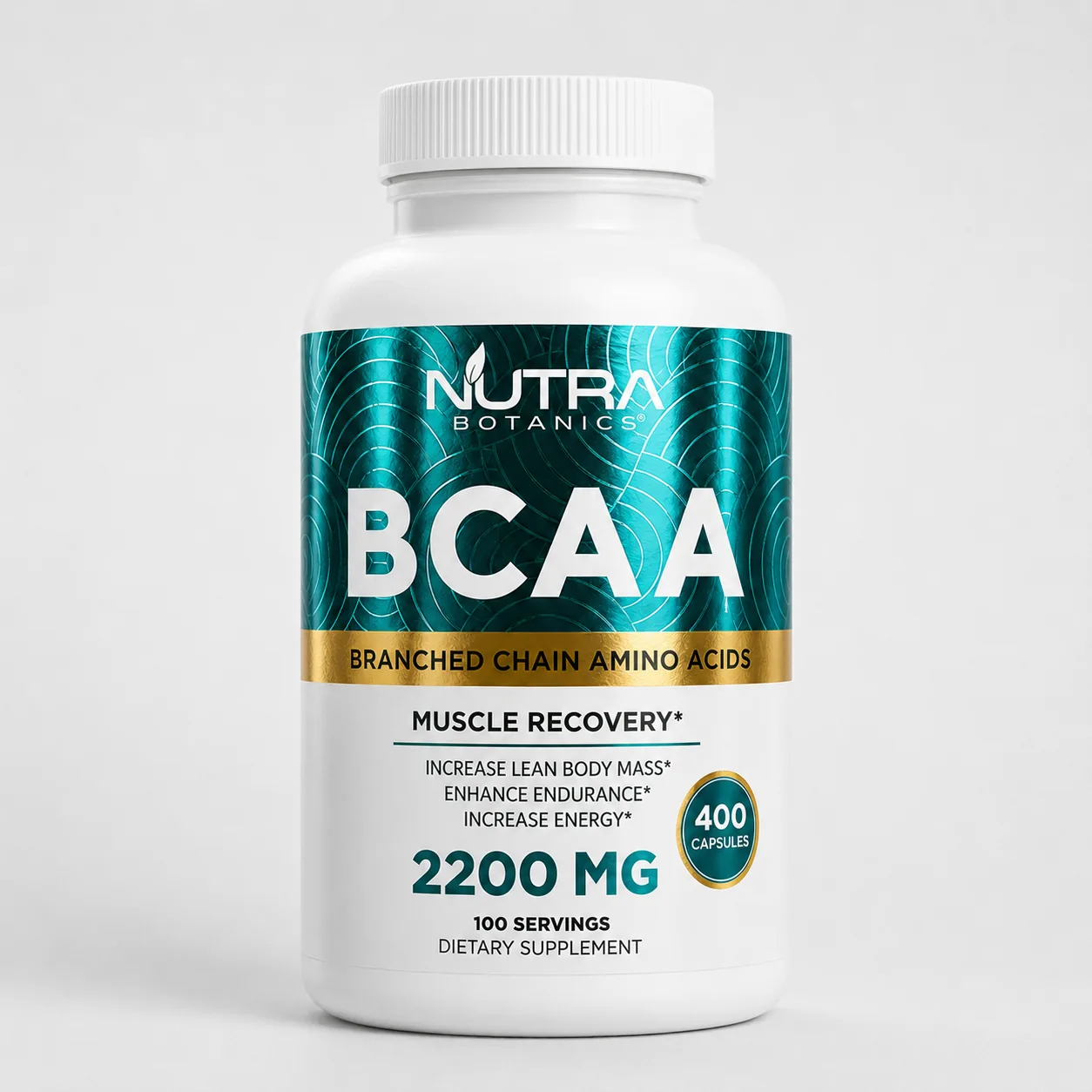
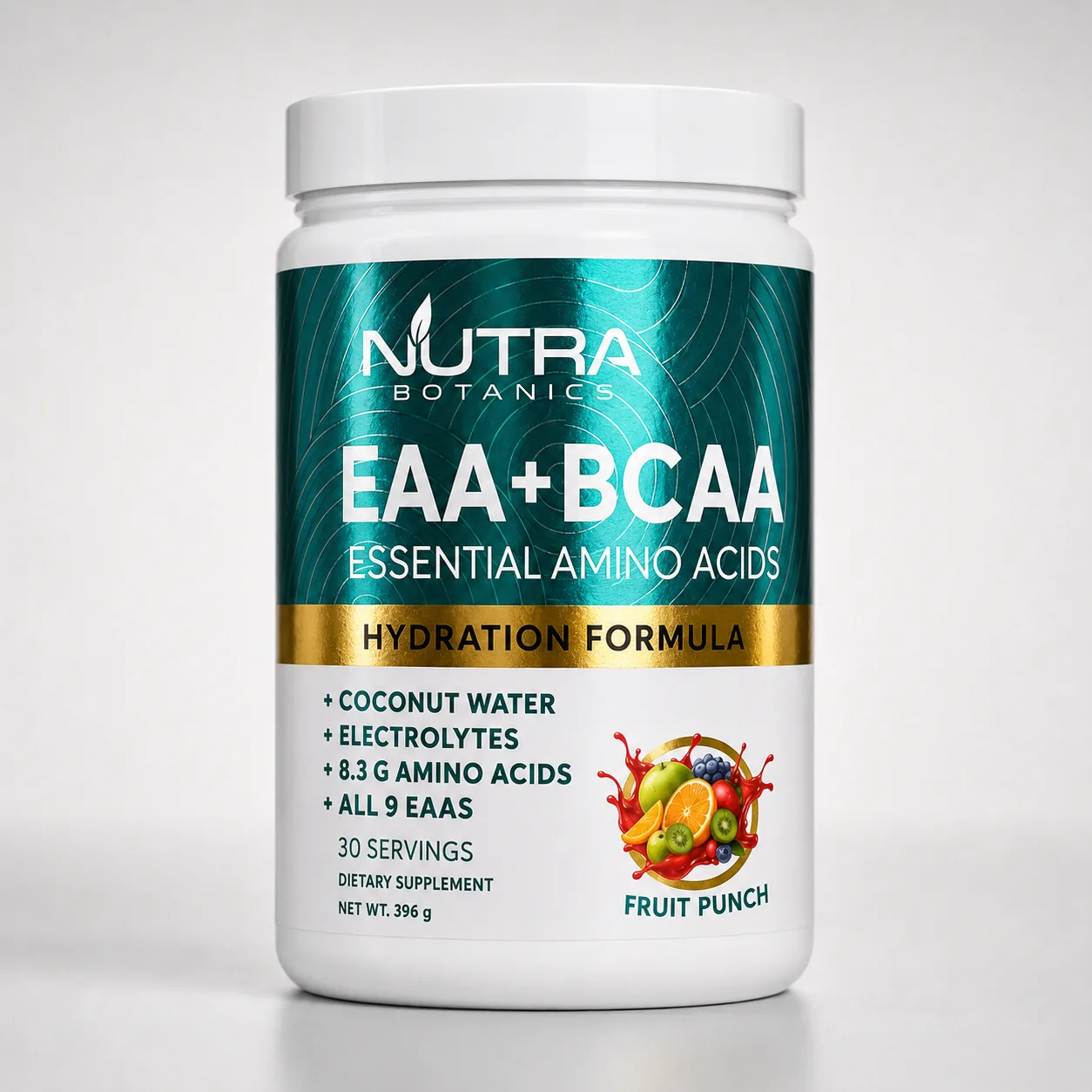
| Check | BCAA Capsules | EAA + BCAA Hydration |
|---|---|---|
| Format | Capsules taken with water | Fruit-punch powder mixed with water |
| Labeled serving | 4 capsules | About 1 scoop, 13.2 g |
| BCAAs per serving | 2.2 g | 5 g, plus the other six EAAs |
| Other listed ingredients | Vitamins C, B2 and B6; gelatin | Electrolytes, taurine, coconut water powder and vitamin C |
| Servings per container | 100 | 30 |
| One-time price | $32.99 | $39.99 |
| Cost per labeled serving | About $0.33 | About $1.33 |
Cost is container price divided by labeled servings, before shipping or discounts. These servings are not equal amounts of BCAAs. The capsule label lists gelatin; the powder’s other ingredients include sucralose and stevia leaf extract. Check those details if capsule material or sweeteners affect your choice.
Choose by fit: BCAA Capsules offer a portable capsule format with three essential amino acids. EAA + BCAA Hydration offers all nine in a flavored drink with electrolytes. Read the current bottle’s directions and warnings, especially if you take medicines or have a health condition. Our serving-size guide explains how to compare capsules and scoops without treating a research amount as a personal instruction.
Frequently asked questions
What do BCAAs do?
When should I take BCAAs?
Do BCAAs help with weight loss?
How much BCAA should I take?
Can I take BCAAs every day?
Do I need BCAAs if I eat enough protein?

Explore the formulas
Compare the full labels, capsule material and mixing directions. These research findings do not report a trial of either finished formula.