BCAAs, or branched-chain amino acids, supply three building blocks used in muscle proteins. Women can compare them as a nutrition option, but a supplement is not automatically necessary because you train, diet or notice cycle changes.
The useful question is: what would this product add to your routine? Compare the amino acid list, the format you prefer and the actual serving before buying.
Three useful checks for your training routine
- Look beyond three. BCAAs are three of the nine essential amino acids. Complete protein provides the full group.
- Choose your format. Capsules offer portability; a powder gives you a flavored drink. Read each complete blend.
- Use your label. A study dose is not an instruction to add capsules or extra scoops.
Do women need a separate BCAA supplement?
Start with your food intake. Leucine, isoleucine and valine are the three BCAAs. They occur in protein foods and complete protein powders, alongside the other essential amino acids.
NIH's exercise nutrition guide explains why adequate protein matters. Adding isolated BCAAs is not the same as filling a gap in complete protein.
If your meals already meet your protein needs, an amino acid supplement is an optional addition. Choose for a useful format and ingredient profile, rather than assuming women need an extra dose.
For the full comparison, read EAAs versus BCAAs: all nine or three?.
What has been studied in women?
A 2010 trial in 12 untrained young women tested BCAAs before a squat session. The women reported less soreness than after placebo on the following days.
The study used 100 mg per kilogram of body weight and a particular blend. It did not test a universal 5 g serving, long-term muscle gains, dieting or cycle-related symptoms.
A broader 2024 overview of 11 reviews found reduced soreness across the included research, but no improvement in recovery of muscle performance. The authors also identified weaknesses in review methods.
Less soreness and better performance are different outcomes. Neither source establishes the same result for every finished formula. Our BCAA benefits guide explains those distinctions.
Capsules or a drink: read the serving first
There is no single women-specific BCAA serving established by the sources above. Follow the amount and frequency on your current package, including its warnings.
| Label detail | BCAA Capsules | EAA + BCAA Hydration |
|---|---|---|
| Amino acid group | Three BCAAs | All nine EAAs |
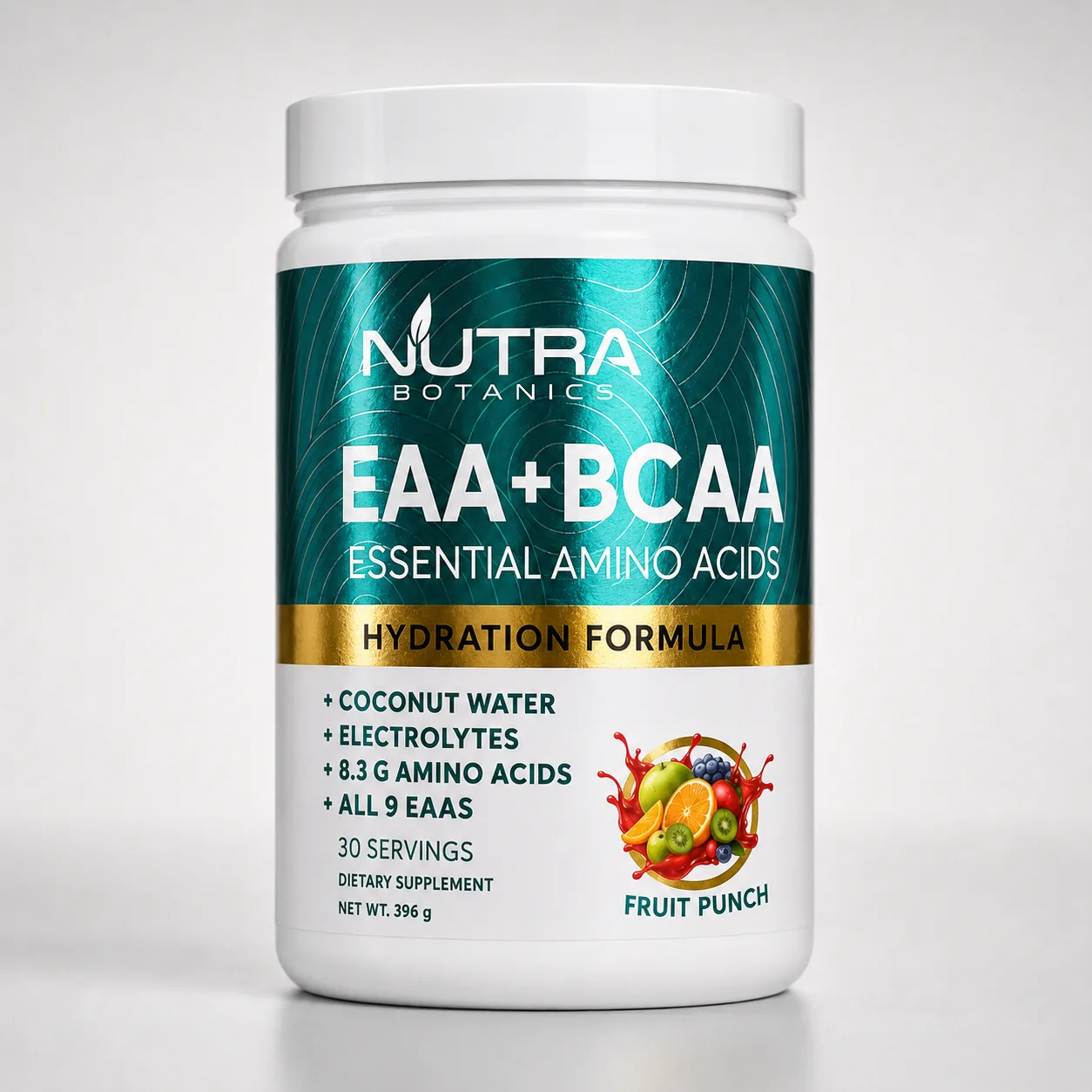
| Labeled serving | Four capsules | About one 13.2 g scoop |
| BCAA amount | 2.2 g | 5 g |
| BCAA ratio | 2:1:1 | 2:1:1 |
| Preparation | Take with water | Mix with 8–16 oz water |
The capsules list 1,100 mg leucine, 550 mg isoleucine and 550 mg valine. The powder's 13.2 g scoop includes the whole drink mix, not 13.2 g of EAAs.
That ratio describes the amounts of leucine, isoleucine and valine. It does not give a BCAA-only supplement the other six essential amino acids.
The capsule shell contains gelatin. The fruit-punch powder includes electrolytes, sweeteners and other ingredients. Compare those details with your preferences, and read our BCAA label and serving guide.
For timing, follow your directions rather than copying another product's schedule. The BCAA timing guide covers how to fit a labeled serving into your routine.
What if you are training while dieting?
An amino acid supplement does not replace meals or establish protection against muscle loss. Consider your overall food intake and training plan before adding another product.
The ISSN female-athlete nutrition guidance emphasizes getting enough dietary energy and protein. A BCAA serving alone cannot meet those broader needs.
If your goal is changing body composition, compare how each purchase fits your nutrition plan. Do not use a study's soreness result as proof of fat loss or guaranteed muscle retention.
Cycle changes and perimenopause: keep the goal clear
Hormonal changes can affect your training experience. The female-athlete guidance discusses those differences, while identifying gaps in research on protein requirements across the menstrual cycle.
That does not establish a special BCAA dose for a cycle phase. The soreness trial above also did not test menstrual symptoms or perimenopause support.
For recurring fatigue, cycle concerns or changing symptoms, get individual guidance. Choose an amino acid product for its nutrition and format, rather than as a hormone treatment.
Choose what makes your routine easier
- Prefer no mixing? Compare BCAA Capsules, their four-capsule serving and full label.
- Prefer a flavored drink? Compare EAA + BCAA Hydration, its all-nine amino acid list and fruit-punch blend.
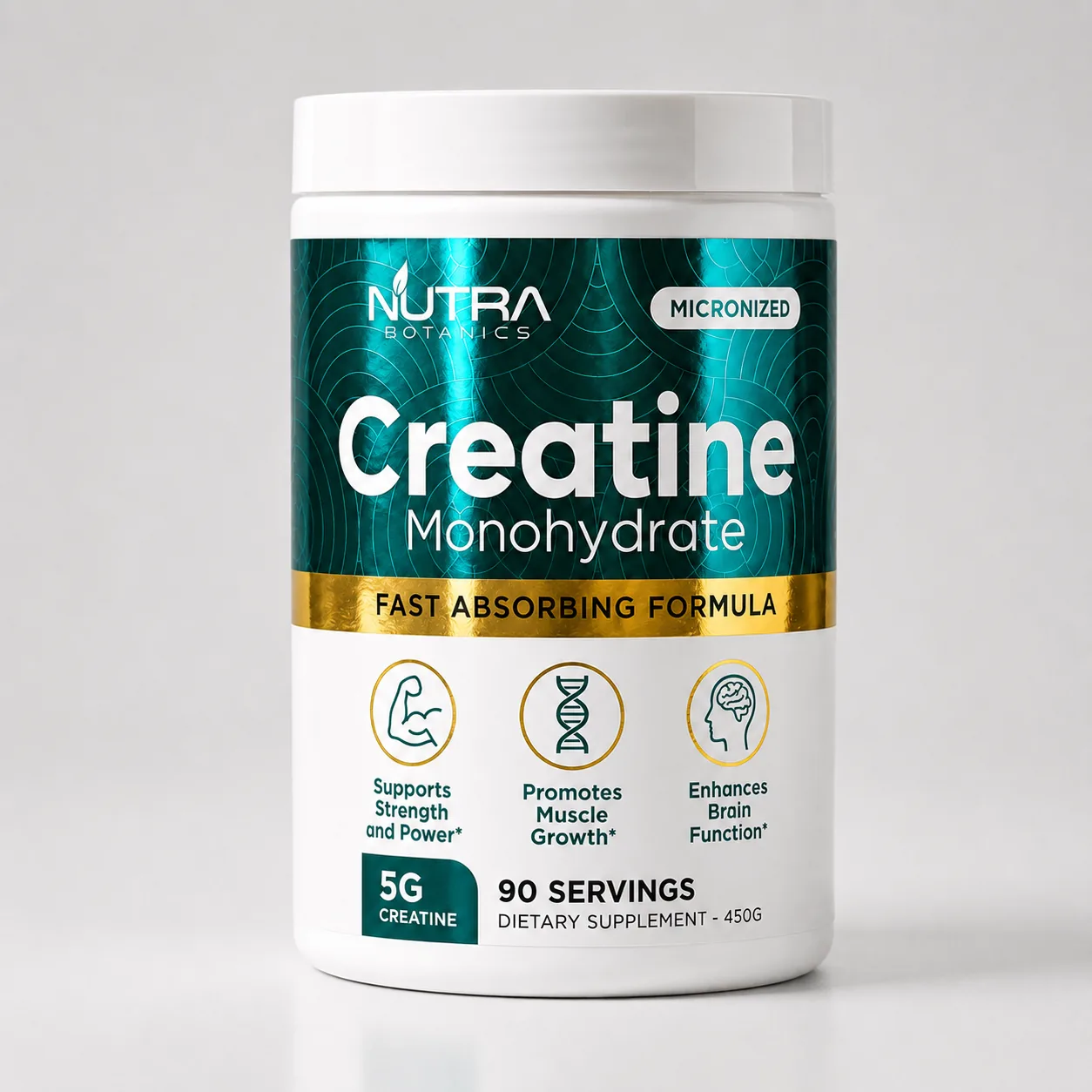
- Comparing other training products? Explore creatine separately. It is a different ingredient, so do not treat the products as interchangeable.
Read the whole blend, including warnings
A familiar amino acid does not make every supplement suitable for everyone. Follow the current label and check the other ingredients, including vitamins, flavorings and the capsule shell.
Discuss use with a healthcare professional if you take medicines, have a medical condition, are pregnant or nursing. FDA's supplement guidance explains why that review matters.
Quick answers before you choose
Are BCAAs safe for women?
Will BCAAs make me bulky?
Can women take BCAAs while dieting?
Can I take BCAAs while pregnant or breastfeeding?
When should women take BCAAs?
Do BCAAs help with hormonal fluctuations and energy?
Research and label sources
Nutra Botanics publishes this guide and sells supplements. Ingredient studies do not establish the same result for our finished formulas.