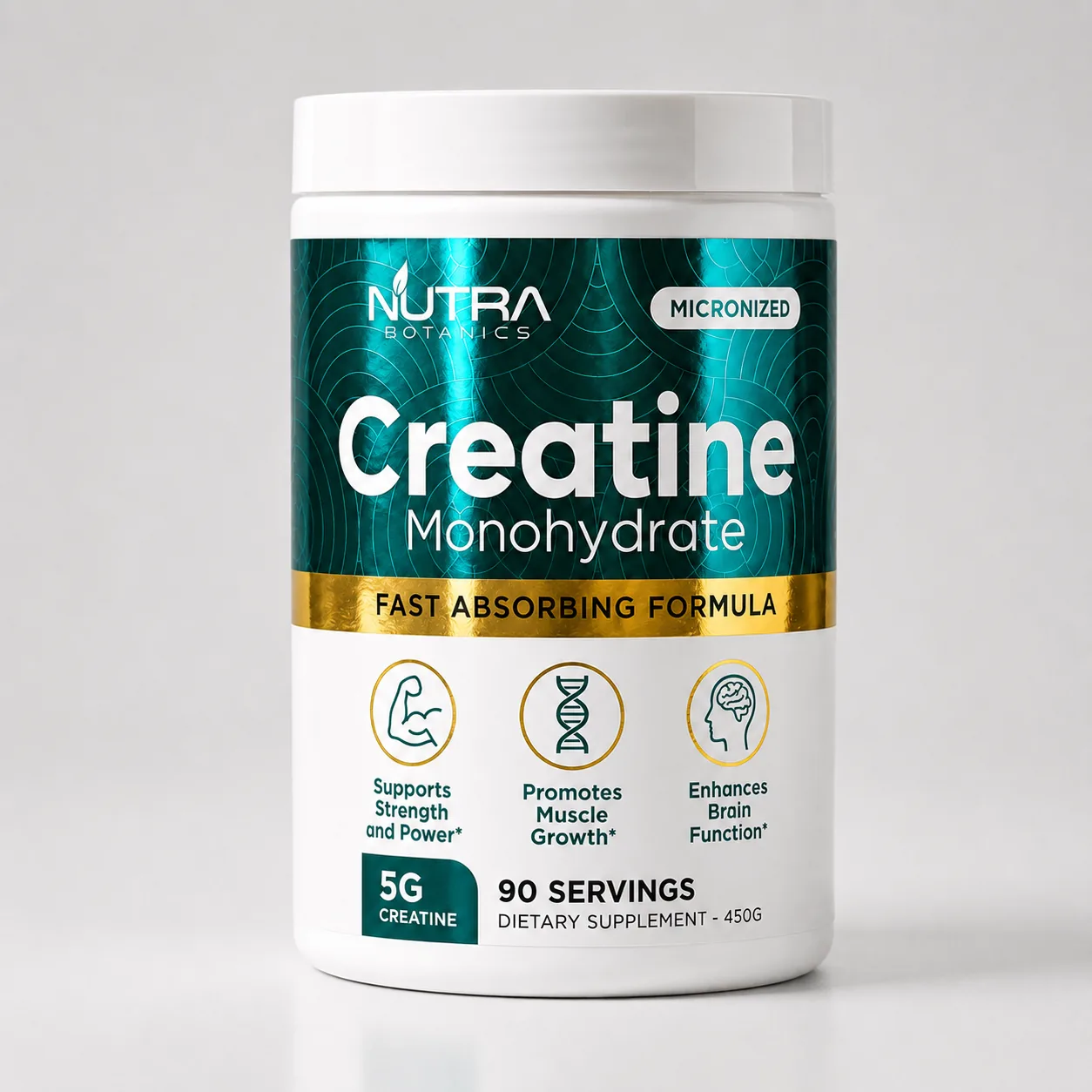
Choose by the gap you want to fill. Whey supplies complete protein. An EAA blend supplies all nine essential amino acids in a drink. BCAAs supply only three of those nine. If you need more protein in your day, start with meals or a complete protein option before adding a separate amino drink.
Use the comparison below to understand the formats, then check the amount in a real serving. A bigger scoop, a higher leucine ratio or faster absorption does not automatically mean better training results.
Three useful checks before you buy
- The job: are you filling a protein gap or choosing a convenient workout drink?
- The contents: BCAAs are part of the EAA group. A combined formula is not two unrelated ingredients.
- The serving: compare the listed amino amounts, sweeteners and servings, not the total weight of the scoop alone.
What amino acids are
Amino acids are the building blocks of protein. Your body uses them to maintain and renew tissues, including muscle. Nine are called essential because you need to obtain them from your diet.
The BCAAs are leucine, isoleucine and valine. They are three of those nine essentials. Whey, other complete proteins and a varied diet can supply the full group. The NIH exercise-supplement guide explains how protein foods and supplements contribute these amino acids.
BCAA vs EAA vs whey, at a glance
| Format | What it supplies | Your buying check |
|---|---|---|
| BCAA | Leucine, isoleucine and valine. It does not supply all nine essential amino acids. | Check the total BCAA amount and how it fits alongside the protein already in your meals. |
| EAA | All nine essential amino acids in a free-form blend. It is different from a complete protein meal. | Look for all nine names and their amounts. Other ingredients also contribute to the scoop. |
| Whey | A complete milk protein that includes EAAs and BCAAs. | Compare protein grams per serving, milk allergens, tolerance and how it fits your food intake. |
A practical way to use this comparison is to separate more daily protein from a convenient amino drink. Neither the category name nor the number of ingredients proves that a particular formula will produce greater gains. Read more in our EAA and BCAA comparison.
How they support muscle building
Muscle protein synthesis means making new muscle protein. Leucine helps signal that process, but the body also needs the other amino acids to build the protein. Think about the full supply, not a single trigger.
The Wolfe review explains why the missing essentials can limit what BCAAs alone provide. This is a biological explanation, not a prediction of your muscle gain.
What the research can tell you
A small trial in ten resistance-trained men found a higher muscle-protein-building response after BCAAs than after placebo. It measured the hours after exercise, not months of muscle growth, and did not test Nutra Botanics.
The 2023 ISSN EAA position paper supports the role of complete EAA blends in stimulating muscle protein synthesis. It also identifies gaps in long-term athletic outcomes. That supports a role for the ingredients without guaranteeing the effect of every blend.
For a shopper, the useful question is what the supplement adds to your actual diet. A short-term muscle measurement does not establish a fixed improvement in strength, soreness, endurance or body composition.
Serving size and timing
Follow the directions for the product you choose. Research amounts are not automatic instructions for a different formula, and scoop weight is not the same as protein or EAA content.
The ISSN protein position paper emphasizes daily protein intake, quality and meal distribution. It gives a general range of 1.4 to 2.0 g/kg/day for most exercising adults. That is research guidance for healthy adults, not a personal prescription or a target for someone with a medical condition.
Choose a time that fits the label and your meals. An amino drink should not displace the food, fluid or training fuel your routine needs. See BCAA timing questions and how BCAAs differ from pre-workout.
What to check in a BCAA formula
Read the combined BCAA amount and the amounts of leucine, isoleucine and valine. A ratio such as 2:1:1 describes their proportions, not proof of better performance.
NIH notes that BCAA research has not consistently shown added performance or recovery benefits. If your goal is to add all nine essentials, choose on that basis. Explore BCAA benefit questions, BCAA serving questions or BCAAs and women's training.
What to check in an EAA blend
Look for leucine, isoleucine, valine, lysine, threonine, phenylalanine, methionine, tryptophan and histidine. Then distinguish those essentials from taurine, electrolytes, flavoring and other ingredients.
A clear label makes the comparison easier. It does not establish that the finished product matches a studied blend. Use the EAA benefit guide for more context, and keep your full nutrition plan in view.
Safety and tolerance
Read the complete label before using any amino or protein supplement. Check allergens, sweeteners and overlapping ingredients in other products. Stop using a product if you develop adverse reactions, and seek appropriate medical advice.
If you have kidney disease, protein and electrolyte choices need to fit your healthcare team's plan. The National Kidney Foundation explains why those needs differ between people. An EAA drink is not a self-directed substitute for a prescribed medical diet.
People with phenylketonuria (PKU) cannot process phenylalanine normally. EAA blends may contain it; use only products that fit your specialist's plan. See the MedlinePlus PKU explanation.
If you are pregnant, nursing, take medication or have a medical condition, ask your healthcare professional before use. Do not interpret a small study in healthy adults as universal long-term safety.
Choose for your actual routine
- You struggle to get enough protein: review your meals and complete protein options first.
- You want an amino drink: compare the full EAA profile, taste preferences, directions and other ingredients.
- You already use a protein shake: check what it supplies before buying a second product for the same job.
- You train before breakfast: decide whether you mean training before a meal or maintaining a strict fast. Consuming amino acids is not a zero-nutrient fast.
- You have a medical nutrition plan: take the label to your healthcare team before choosing.
Read a real label before choosing
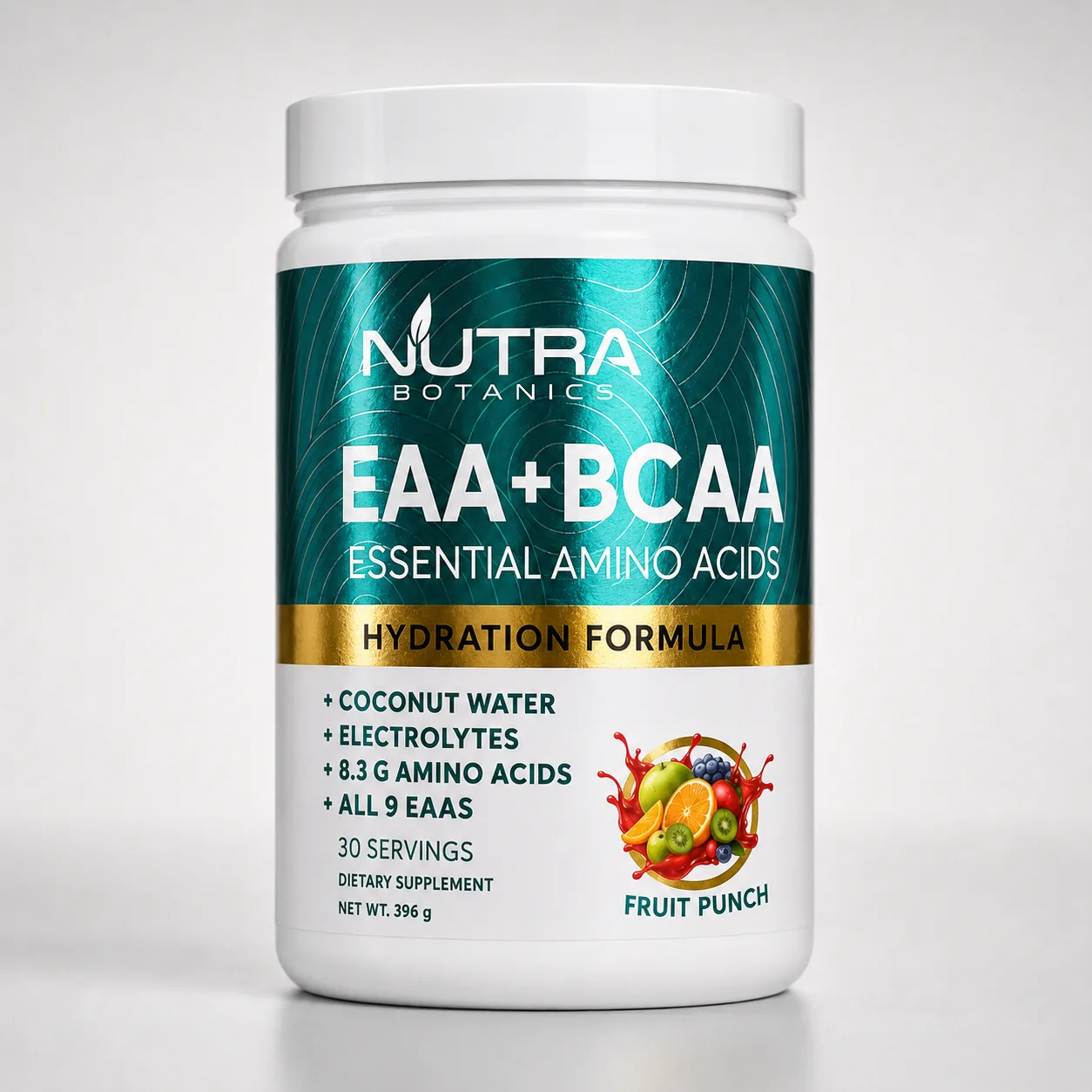
The current Nutra Botanics EAA + BCAA Hydration label lists one 13.2 g scoop and 30 servings. The scoop includes a 5 g BCAA blend, with 2,500 mg leucine, plus the other six essential amino acids.
It also contains taurine, coconut water powder, vitamin C and electrolytes. Those ingredients contribute to the drink's total weight. The Other Ingredients list includes both sucralose and stevia leaf extract, along with citric acid, natural flavor and beet root powder.
The original directions say to mix one scoop with 8 to 16 ounces of water. Check your container for the current directions and warnings. The full scoop is not 13.2 g of EAAs.
Compare value without guessing: divide the current purchase price by the labeled serving count. Then compare what each serving actually supplies. Use the formula comparison and the product page for current prices and purchase options.
Frequently asked questions
Should I take BCAAs or EAAs?
Choose by the job. EAAs supply all nine essential amino acids; BCAAs supply three. If you need more daily protein, meals or a complete protein supplement may be the more direct choice. Compare the full serving and your current diet before adding an amino drink.
Do I need amino acid supplements if I already eat enough protein?
They are not required simply because you train. Complete protein foods already supply EAAs and BCAAs. Check whether a supplement fills a specific gap or adds a format you prefer, rather than assuming more products will improve your results.
Will BCAAs or EAAs break a fast?
Amino acids are nutrients. Taking them is different from a strict no-nutrient fast. If you mean exercising before a meal, plan your food and drink around your routine. If you follow a medical fasting instruction, ask the healthcare team responsible for it.
How much leucine do I actually need?
There is no single leucine amount that guarantees muscle growth for everyone. Research responses depend on the whole amino profile, age, meals and exercise. The current Nutra Botanics EAA + BCAA scoop lists 2,500 mg leucine within 5 g BCAAs; follow the full label rather than adding scoops to chase a threshold.
Can I take amino acids on rest days?
Follow the product directions and consider your meals on rest days too. A workout schedule alone does not establish a need for a separate amino supplement. Review whether it still serves a useful purpose in your nutrition plan.
Are amino acid supplements safe long-term?
Short studies do not establish universal long-term safety. Check the full formula, warnings and other supplements you use. Ask your healthcare professional before use if you have kidney or liver disease, take medication, are pregnant or nursing, or have an amino-acid metabolism condition such as PKU.
Can I mix amino acids with protein powder?
First check what both products supply. A complete protein powder already contains EAAs and BCAAs, so a second supplement may overlap. Review serving directions, allergens, sweeteners and your total intake instead of assuming the combination is better.
What's the difference between amino acids and protein powder?
Protein powder supplies protein that your body digests into amino acids. A free-form EAA or BCAA blend supplies selected amino acids directly. Whey is a complete milk protein; an EAA blend contains all nine essentials, while BCAAs contain three. Compare the actual serving, not just the format.