
Key Takeaways
- Fenugreek and tongkat ali address different upstream targets. Fenugreek (~aromatase + 5α-reductase inhibition) preserves existing testosterone from conversion to estrogen and DHT; tongkat ali (HPG-axis + SHBG modulation) increases free, bioavailable testosterone and supports endogenous synthesis
- Fenugreek 500mg/day for 8 weeks increased total and bioavailable testosterone vs placebo in resistance-trained men (Wilborn 2010); a 2020 meta-analysis of 4 RCTs confirmed a significant pooled effect on total testosterone (Mansoori 2020)
- Tongkat ali 200mg/day normalized testosterone in 90.8% of late-onset hypogonadal men in Tambi 2012; a 2021 6-month RCT confirmed significant improvements in testosterone and erectile function (Leitão 2021)
- The strongest evidence is in two cohorts: resistance-trained men with normal-but-suboptimal testosterone, and aging men with late-onset hypogonadism (ADAM)
- Use standardized extracts — Wilborn used a fenugreek glycoside extract; Tambi/Leitão used Physta tongkat ali. Generic ground root powder is not what the trials tested
- Skip if: hormone-sensitive cancer history, pregnancy/breastfeeding, on glucose-lowering medication (fenugreek), or with liver/kidney disease
Related reading: Ashwagandha for Testosterone, Testosterone After 40, 8 Signs of Low Testosterone, Zinc and Testosterone.
Why Stack Fenugreek and Tongkat Ali
The two botanicals get stacked because they target non-overlapping pieces of the testosterone pathway — and stacking complementary mechanisms is how single ingredients deliver more than their individual effect sizes. Fenugreek seed extract appears to act downstream of testosterone synthesis, slowing the conversion of testosterone into estradiol (via aromatase inhibition) and into DHT (via 5α-reductase inhibition). That preserves more of the testosterone you already produce.
Tongkat ali (Eurycoma longifolia, sometimes called "longjack") appears to act upstream, on the HPG axis itself — reducing SHBG (which binds and inactivates circulating testosterone) and supporting LH-driven Leydig cell synthesis, particularly in men whose endogenous testosterone is suppressed by stress or aging. The stack covers both ends of the equation: more free, bioavailable testosterone (tongkat ali) plus less of it lost to estrogen/DHT conversion (fenugreek). This is why the two are often paired in formulas rather than treated as alternatives.
The Fenugreek Evidence: Wilborn 2010 + Mansoori Meta-Analysis
The most-cited fenugreek + testosterone RCT is Wilborn 2010, published in the International Journal of Sport Nutrition and Exercise Metabolism. Thirty resistance-trained men were randomized to 500mg/day of a standardized fenugreek extract (positioned as an aromatase + 5α-reductase inhibitor) or placebo, alongside an 8-week supervised resistance training program. Significant Group × Time interactions emerged for percent body fat, total testosterone, and bioavailable testosterone — the fenugreek arm improved on all three vs placebo.
The 2018 RCT by Rao et al. in the Journal of Sport and Health Science extended the picture: 60 male subjects on 300mg twice daily of a fenugreek glycoside extract during 8 weeks of resistance training showed improvements in both testosterone and strength markers vs placebo. The strongest summary comes from Mansoori 2020, a meta-analysis of 4 RCTs in Phytotherapy Research that confirmed a significant pooled effect of fenugreek extract on total testosterone vs placebo. Notably, the trials use different proprietary extracts (Wilborn used a generic standardized extract, Rao used a glycoside-rich fraction, others have used Testofen), so dose-response comparisons across brands are limited.
The Mansoori 2020 meta-analysis of 4 RCTs confirmed a significant pooled effect of fenugreek extract on total testosterone — but proprietary extracts vary, so cross-brand dose comparisons are limited.
The Tongkat Ali Evidence: Tambi 2012 + Leitão 2021
The flagship tongkat ali trial is Tambi 2012, published in Andrologia. Seventy-six men with late-onset hypogonadism received 200mg/day of a standardized water-soluble Eurycoma longifolia root extract (Physta) for 1 month. The Aging Males' Symptoms (AMS) score normalized in 71.7% of patients (vs 10.5% pre-treatment), and serum testosterone normalized in 90.8% (vs 35.5% pre-treatment). This is the most-cited tongkat ali outcome in the literature.
The longest-duration tongkat ali RCT is Leitão 2021, published in Maturitas — a 6-month, double-blind, placebo-controlled trial in 45 men (average age 47) with androgen deficiency of the aging male (ADAM). Participants received 200mg/day Eurycoma longifolia ± concurrent resistance training. Erectile function and testosterone improved across the active arms, with the largest effect in the supplementation + training arm. A 2022 systematic review and meta-analysis (Leisegang/Talbott 2022) of 5 RCTs confirmed a significant pooled effect of E. longifolia on total testosterone in both healthy and hypogonadal men.
Mechanism Comparison: Conversion-Block vs HPG-Axis Modulation
Fenugreek (downstream conversion-block): The Wilborn 2010 framing was an "aromatase + 5α-reductase inhibitor" — meaning the extract slows the enzymatic conversion of testosterone into estradiol (E2) and dihydrotestosterone (DHT). The clinical signature of this mechanism: rising bioavailable testosterone and (in some trials) modestly falling DHT, even when total testosterone moves only slightly. This is most useful when you produce adequate testosterone but lose too much to conversion — common in men with higher body fat (which upregulates aromatase) or with elevated DHT-driven concerns.
Tongkat ali (upstream HPG-axis): The mechanism is broader — eurycomanone and other quassinoids appear to reduce SHBG (sex hormone binding globulin), freeing previously bound testosterone, and to support LH-driven Leydig cell synthesis. The clinical signature: rising free and total testosterone, normalization of the AMS symptom score, and improved erectile function — most pronounced in cohorts with already-suppressed endogenous testosterone (aging, chronic stress, late-onset hypogonadism). Stacking the two: fenugreek protects the testosterone tongkat ali helps you make and free, instead of losing it to estradiol/DHT conversion.
The Stack Protocol
Doses (matching trial protocols): 500mg/day of a standardized fenugreek seed extract (Wilborn 2010 dose) plus 200mg/day of a standardized Eurycoma longifolia water-soluble root extract — Physta or equivalent (Tambi 2012 + Leitão 2021 dose). Take with a meal containing some fat to support absorption. Both can be taken together in the morning, or split morning + early evening if preferred.
Timeframe: Plan an 8-week minimum trial, with reassessment at 12 weeks. Wilborn 2010 measured fenugreek's effect at 8 weeks; Tambi 2012 at 4 weeks; Leitão 2021 at 6 months. If after 12 weeks you don't notice meaningful changes in libido, training recovery, body composition, or morning erections, the bottleneck is upstream of botanical support — typical culprits are sleep deprivation (more than diet), chronic caloric deficit, very low body fat, or untreated low T that requires clinical workup.
Foundation first: Botanicals do not substitute for sleep ≥7 hours, resistance training, and adequate dietary fat (testosterone is synthesized from cholesterol). Stack on top of those foundations, not in place of them. Pair with zinc if dietary intake is low and consider an ashwagandha protocol in parallel if cortisol/stress is the primary suppressor.
Safety, Contraindications, and Quality
Fenugreek-specific: Lowers blood glucose — relevant for diabetics and anyone on glucose-lowering medications (combine cautiously, monitor BG). Can interact with anticoagulants (mild antiplatelet activity). Maple-syrup-smelling sweat and urine is a documented benign effect (the same compounds responsible for fenugreek's flavor). Avoid in pregnancy (uterine stimulant) and in those allergic to peanuts/chickpeas (cross-reactivity reported).
Tongkat ali-specific: Avoid in men with hormone-sensitive cancers (breast, prostate) — increased free testosterone is contraindicated. Avoid in pregnancy/breastfeeding. Quality matters: poorly-sourced tongkat ali has been associated with mercury contamination in some product testing — buy from brands that publish third-party heavy-metal testing or use standardized branded extracts (Physta has a clean safety record in clinical trials).
Both: Skip the stack if you have liver or kidney disease, are on multiple prescription medications without medical clearance, or have a history of late-onset hypogonadism that hasn't been clinically evaluated — supplements are not a substitute for an endocrinology workup. Choose extracts that list standardized active marker content (Wilborn-style fenugreek glycosides; Physta-grade tongkat ali) — generic ground root powder is not what the trials tested and shouldn't be assumed to deliver the same outcomes.
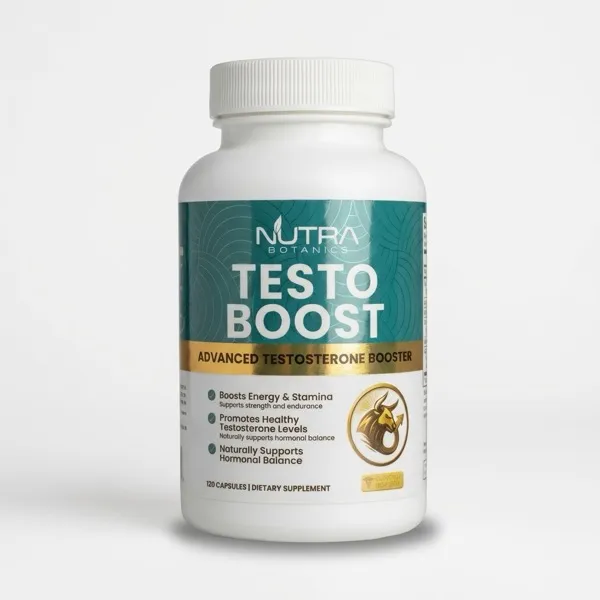
NutraBotanics Testo Boost
Botanical-stack approach to testosterone support — formulated around the same conversion-block + HPG-axis logic, with standardized extracts at trial-supported doses.
Shop Testo Boost →Frequently Asked Questions
Does the fenugreek + tongkat ali stack actually raise testosterone?
How does the fenugreek + tongkat ali stack work mechanistically?
What is the best dose for the fenugreek + tongkat ali stack?
How long until I see results from the fenugreek + tongkat ali stack?
Who is this stack appropriate for?
Are there any safety concerns with the fenugreek + tongkat ali stack?
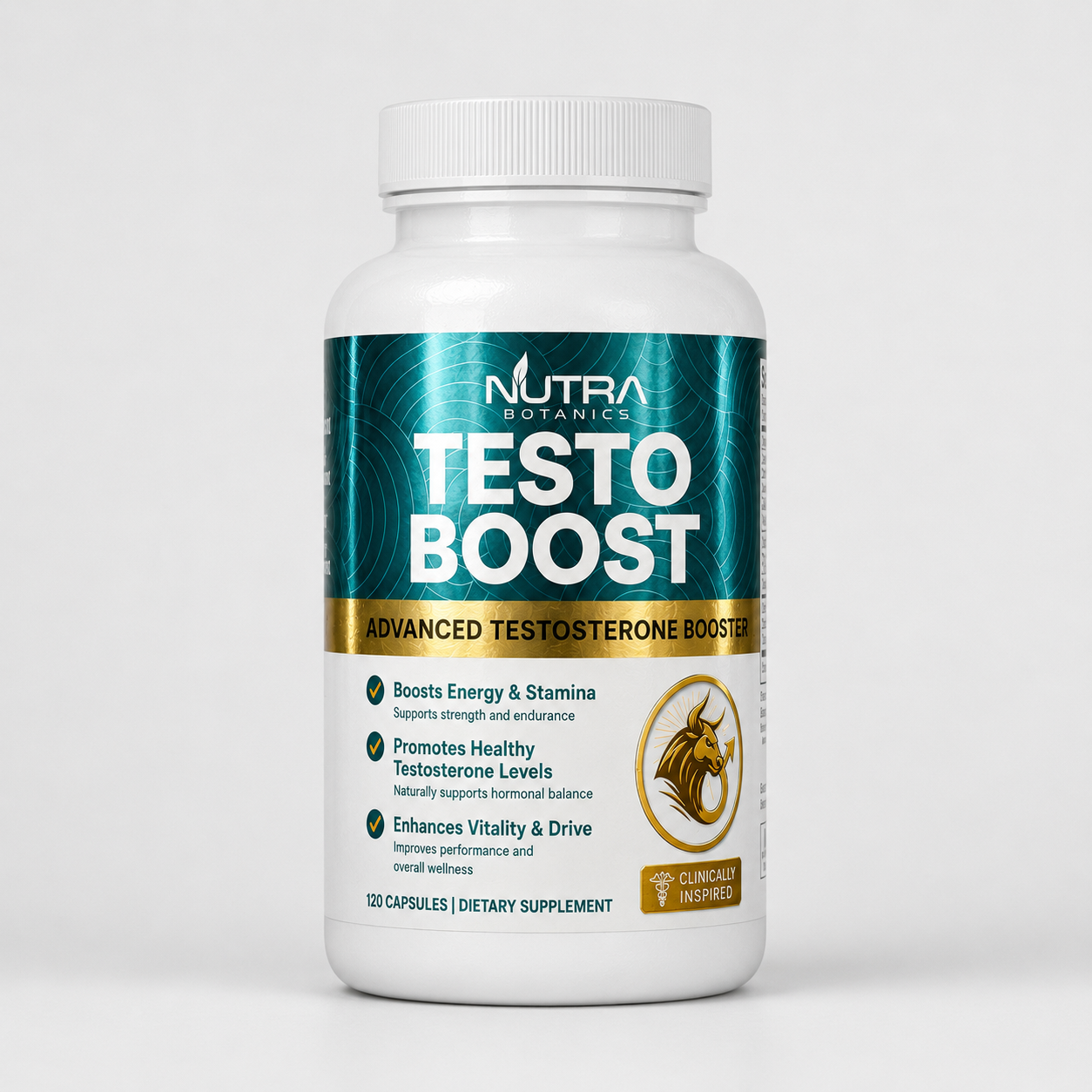
Testo Boost
Botanical-stack approach to testosterone support
- Standardized fenugreek and Eurycoma longifolia at trial-supported doses
- Stacks the conversion-block + HPG-axis pathways covered above
- Pairs with sleep, training, and dietary fat foundations
$34.95Free shipping over $75
Shop Testo Boost
Testosterone Support Range
Compare botanical, mineral, and adaptogen formulas side by side
- Zinc + D3 for synthesis cofactor coverage
- Adaptogens (ashwagandha) for cortisol-pathway suppression
- Filter by mechanism, not marketing
Browse the categorySubscribe & save 20%
Shop Performance