Key Takeaways
- Hunger during fasting is hormonally patterned — ghrelin spikes at usual meal times, then drops if you don't eat
- The first 7–14 days are typically the hardest; hunger patterns adapt as ghrelin learns the new rhythm
- Adequate protein (20–30g per meal within the eating window) blunts the next day's hunger curve
- Hydration, electrolytes, and black coffee or tea can reduce perceived hunger during fasting windows
- Most people find 16:8 sustainable after 2–3 weeks; longer fasts should be approached more gradually
Related reading: Appetite Control for Weight Loss, How to Control Food Cravings, Natural Appetite Suppressants, Stress Eating: How to Stop.
The Conditioned Hunger Problem
When you eat at the same times every day for months or years, your body begins anticipating meals — releasing ghrelin (hunger hormone) on a schedule that aligns with your habitual meal times. This is called conditioned ghrelin release, and it explains why you feel hungry at noon even if you ate a large breakfast, or at 7pm even if you're not physiologically depleted.
When you start intermittent fasting, you encounter this conditioned hunger during your fasting window. Your body expects food at the times it's used to receiving it, and it signals hunger accordingly — even though you don't actually need calories. The good news: ghrelin patterns adapt. Research shows that within 2–4 weeks of consistent fasting, the ghrelin peak during the fasting window diminishes significantly as the body reconditions to the new meal timing.
What Happens to Hunger During Extended Fasting
Counterintuitively, research on fasting shows that total daily hunger doesn't increase as much as most people expect — and often decreases after the adaptation period. A study comparing 16:8 intermittent fasting to three-meal eating found no significant difference in total daily hunger between the two groups after 12 weeks — despite the fasting group eating in a compressed window.
Another study found that alternate day fasting (more extreme than typical IF) did not increase subjective hunger ratings over 12 weeks. The explanation: fat oxidation (using stored body fat for fuel) and ketone production during fasting provide a stable fuel source for the brain that reduces the urgency of hunger signals. As fat adaptation increases, fasting becomes subjectively easier.
The Role of Electrolytes in Fasting Comfort
Many unpleasant fasting side effects — headaches, fatigue, brain fog, irritability, muscle cramps — are not caused by lack of food. They're caused by electrolyte depletion. When insulin falls during fasting, the kidneys excrete more sodium — and as sodium goes, potassium and magnesium follow. This rapid electrolyte loss in the first few days of fasting is responsible for most of the acute discomfort.
Supplementing with sodium (a pinch of sea salt in water or electrolyte drink), potassium (from electrolyte supplements or foods at the eating window), and magnesium (200–400mg, particularly at night) resolves the vast majority of fasting side effects. Many people who quit fasting due to 'feeling terrible' would have had a completely different experience with proper electrolyte management.
Breaking the Fast Strategically
How you break your fast significantly affects appetite management for the rest of the day. Breaking the fast with high protein is the most effective strategy. Protein consumed at the first meal triggers the most robust GLP-1 and PYY satiety hormone response, reduces post-fast ghrelin more effectively than carbohydrates, and maintains satiety through the eating window.
Broken fasts that begin with high-carbohydrate or high-sugar foods (like fruit juice, cereal, or pastries) produce rapid blood sugar spikes followed by crashes — reigniting hunger within 1–2 hours and undermining the appetite-suppression advantage that fasting creates. A first meal of 35–40g protein with vegetables and healthy fat is the evidence-backed approach for maximum satiety through the eating window.
A first meal of 35–40g protein with vegetables and healthy fat is the evidence-backed approach for maximum satiety through the eating window.
Tools That Make Fasting Easier
Several practical tools reduce fasting-window hunger without breaking the fast (assuming plain versions without calories). Black coffee: caffeine suppresses ghrelin and reduces appetite acutely. Multiple studies show coffee consumption during a fasting window reduces hunger ratings significantly over the following 3–4 hours. Plain sparkling water: the carbonation provides stomach volume (similar to a mini-glucomannan effect) and satisfies the oral desire for something beyond plain water.
Electrolyte drinks (zero-calorie, unsweetened): as discussed above, electrolyte management is one of the most impactful fasting tools. Glucomannan: some fasting protocols allow glucomannan (0 net calories in some definitions, or used as needed) as it primarily provides volume and satiety without significant calorie contribution. Green tea: provides EGCG and modest caffeine for appetite suppression with zero calories.
Accelerating the Fasting Adaptation
The 2–4 week adaptation to intermittent fasting can be accelerated. Starting with a shorter fasting window (12–14 hours) and extending gradually (to 16 hours over 3–4 weeks) prevents the acute hunger shock of jumping straight to 16:8. Ensuring adequate protein and fat in the eating window (not a low-fat, low-calorie approach) supports fat adaptation faster.
Carbohydrate reduction in the eating window (though not elimination) accelerates ketone production during fasting, which is one of the primary mechanisms by which fasting hunger decreases over time. A moderate lower-carbohydrate approach (100–150g/day) during the adaptation period significantly reduces fasting hunger within the first 2 weeks compared to a standard higher-carbohydrate eating pattern.
NutraBotanics Appetrol
Appetite support for fasting windows — ashwagandha, rhodiola, L-theanine, and chromium to help manage hunger and stay focused during fasting.
Shop Appetrol →Frequently Asked Questions
Why am I so hungry during intermittent fasting?
Does intermittent fasting get easier over time?
What can I drink during intermittent fasting?
Why do I get headaches when fasting?
How do I stop hunger during intermittent fasting?
Is it normal to feel hungry during a 16:8 fast?
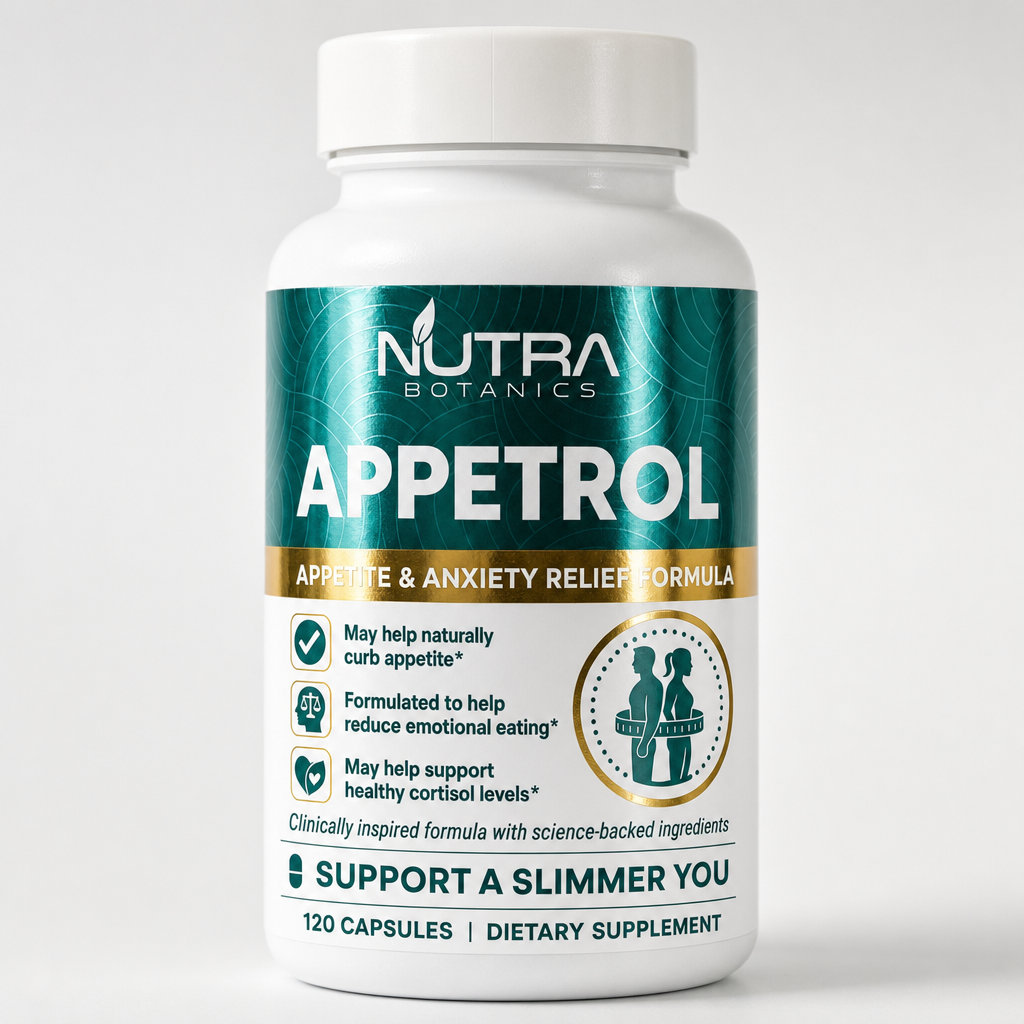
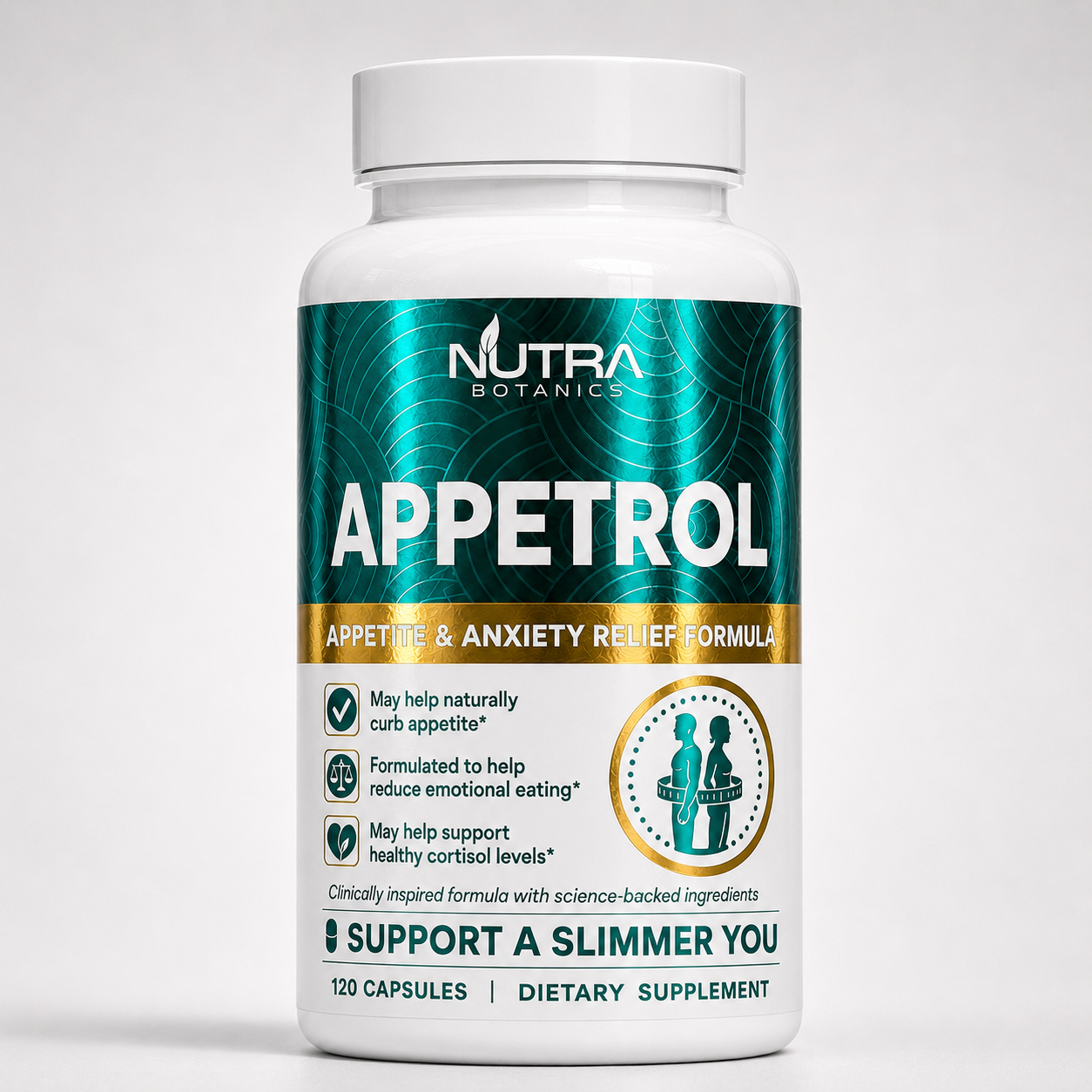
Appetrol Appetite Support
Adaptogen-based · 40 servings
- Ashwagandha, rhodiola, and L-theanine for stress-pathway support
- Garcinia cambogia and green tea in a daily-use formula
- Designed for stress-linked and emotional eating patterns
- GMP & NSF certified · PhD-supervised testing
See pricingFree shipping over $75
Shop Appetrol
Explore Weight Management
Browse the Nutra Botanics weight management range
- Appetite, metabolism, and body-composition options
- Compare formats, dosing, and stack partners
- Adaptogen and non-stimulant pathways
- GMP & NSF certified · PhD-supervised testing
Shop the rangeSubscribe & save 20%
Browse Weight Management