
Key Takeaways
- Perimenopause symptoms are driven by fluctuating (not just declining) estrogen and progesterone — which causes the variability many women notice
- Sleep disruption, hot flashes, mood shifts, and weight redistribution are the most common signals
- Strength training, protein intake, and sleep prioritization are the highest-impact foundational interventions
- Magnesium, B6, ashwagandha, and vitex have moderate research support for symptom management
- Persistent symptoms deserve a healthcare conversation — supplements support lifestyle, they do not replace medical evaluation
Related reading: Hormonal Balance for Women, Best Supplements for Women Over 40, Perimenopause, PMS & Menopause Guide, Maca Root for Women.
What Is Perimenopause and When Does It Start?
Perimenopause is the phase during which the ovaries gradually reduce estrogen and progesterone production, leading to irregular ovulation and eventually to the cessation of menstruation (menopause, defined as 12 consecutive months without a period). Average age of menopause is 51 in the US, but perimenopause can begin 4–10 years earlier.
Early perimenopause is often marked by subtler symptoms: worsening PMS, shorter or longer cycles, sleep changes, and increased anxiety. As the transition progresses, hot flashes, night sweats, vaginal changes, and more significant mood disruption become more common. Understanding the phase you're in helps guide appropriate support strategies.
Hot Flashes and Night Sweats: What Helps
Hot flashes (vasomotor symptoms) are the most common perimenopause complaint, affecting approximately 75% of women. They result from the hypothalamus becoming hypersensitive to small temperature changes due to falling estrogen, triggering inappropriate vasodilation.
Black cohosh (Actaea racemosa) has the most evidence of any botanical for reducing hot flash frequency and severity. A 2012 Cochrane-adjacent systematic review found meaningful reductions in vasomotor symptoms with black cohosh versus placebo. It's typically dosed at 20–40mg of standardized extract twice daily. Red clover isoflavones (40–160mg/day) also have multiple RCTs showing hot flash reduction. Maca root reduces hot flashes through a different mechanism — modulating hypothalamic-pituitary signaling — and has 4 randomized trials supporting its use.
Sleep Disruption: The Most Underaddressed Symptom
Sleep disruption in perimenopause has multiple drivers: night sweats interrupt sleep architecture, falling progesterone reduces GABA activity (progesterone's metabolite allopregnanolone is a potent GABA-A agonist — essentially the body's own sleep aid), and rising cortisol patterns shift awakenings earlier in the night.
Magnesium glycinate (300–400mg before bed) supports both GABA activity and sleep quality. L-theanine reduces sleep latency and nighttime cortisol. Ashwagandha (KSM-66 form, 300–600mg/day) has been shown in an RCT of perimenopausal women to significantly improve sleep quality and reduce anxiety scores over 8 weeks. Addressing hot flashes that disrupt sleep is equally important.
Mood Changes, Brain Fog, and Cognitive Support
The cognitive and emotional symptoms of perimenopause are often the most distressing: irritability, anxiety, depression, and brain fog. These are not psychological weaknesses — they have clear neurobiological drivers. Estrogen is neuroprotective and modulates serotonin, dopamine, and acetylcholine systems. As it fluctuates and declines, mood and cognitive function are directly impacted.
Omega-3 fatty acids (particularly EPA) have the strongest evidence for perimenopausal mood support and are recommended by multiple professional organizations for mild-to-moderate mood symptoms. Saffron extract has emerging RCT evidence for mood support in perimenopausal women. Choline and phosphatidylserine support cognitive function and may help with the word-finding difficulties and memory lapses common in this transition.
Saffron extract has emerging RCT evidence for mood support in perimenopausal women.
Phytoestrogens: Do They Work?
Phytoestrogens are plant compounds that bind estrogen receptors with much weaker activity than endogenous estrogen. They're found in soy (isoflavones: genistein, daidzein), red clover, flaxseed, and certain other plants. In populations with high soy intake (like Japan), perimenopausal symptoms are significantly less prevalent — which has driven decades of research interest.
Soy isoflavones (40–80mg/day) have modest but consistent evidence for reducing hot flash frequency in multiple RCTs — about a 25–30% reduction compared to placebo. Red clover isoflavones show similar effects. The evidence is strongest for women who are 'equol producers' — a subset who metabolize isoflavones more efficiently — though testing for this isn't widely available. Phytoestrogens are generally safe; concerns about estrogen-sensitive conditions should be discussed with a physician.
Research Snapshot
Evidence-Based Perimenopause Interventions
Measured symptom improvements vs. placebo across published RCTs.
Effects strongest when combined with sleep, stress, and strength-training fundamentals. Not medical advice.
Lifestyle Factors That Significantly Modify Symptom Severity
Lifestyle choices during perimenopause have outsized effects on symptom burden. Resistance training preserves bone density (accelerated loss begins in perimenopause) and lean muscle mass, reduces hot flash frequency in some studies, and improves mood and sleep. Women who exercise regularly consistently report milder perimenopause symptoms than sedentary women.
Alcohol and spicy foods are common hot flash triggers. Smoking significantly worsens vasomotor symptoms and accelerates bone loss. Stress management is critical — cortisol dysregulation worsens sleep, amplifies mood symptoms, and accelerates bone and muscle loss. A consistent sleep schedule, stress reduction practices, and 150+ minutes/week of exercise are the most impactful non-supplement interventions available.
Frequently Asked Questions
What are the first signs of perimenopause?
What supplements help with perimenopause?
Does maca help with hot flashes?
How long does perimenopause last?
Is it safe to take supplements during perimenopause?
Can lifestyle changes reduce perimenopause symptoms?
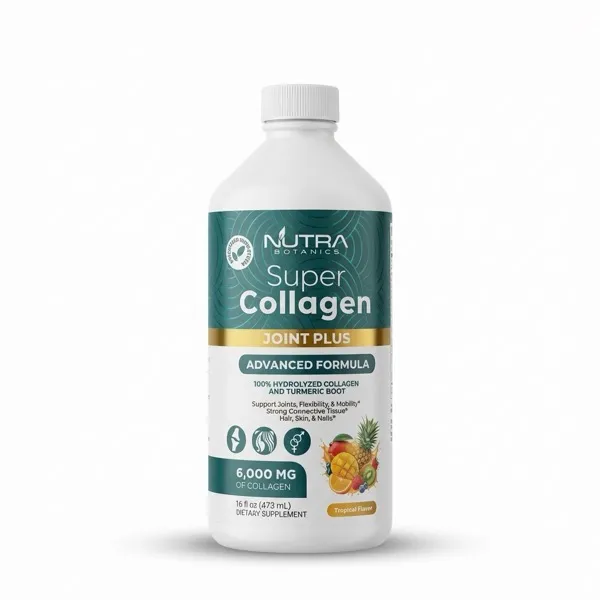
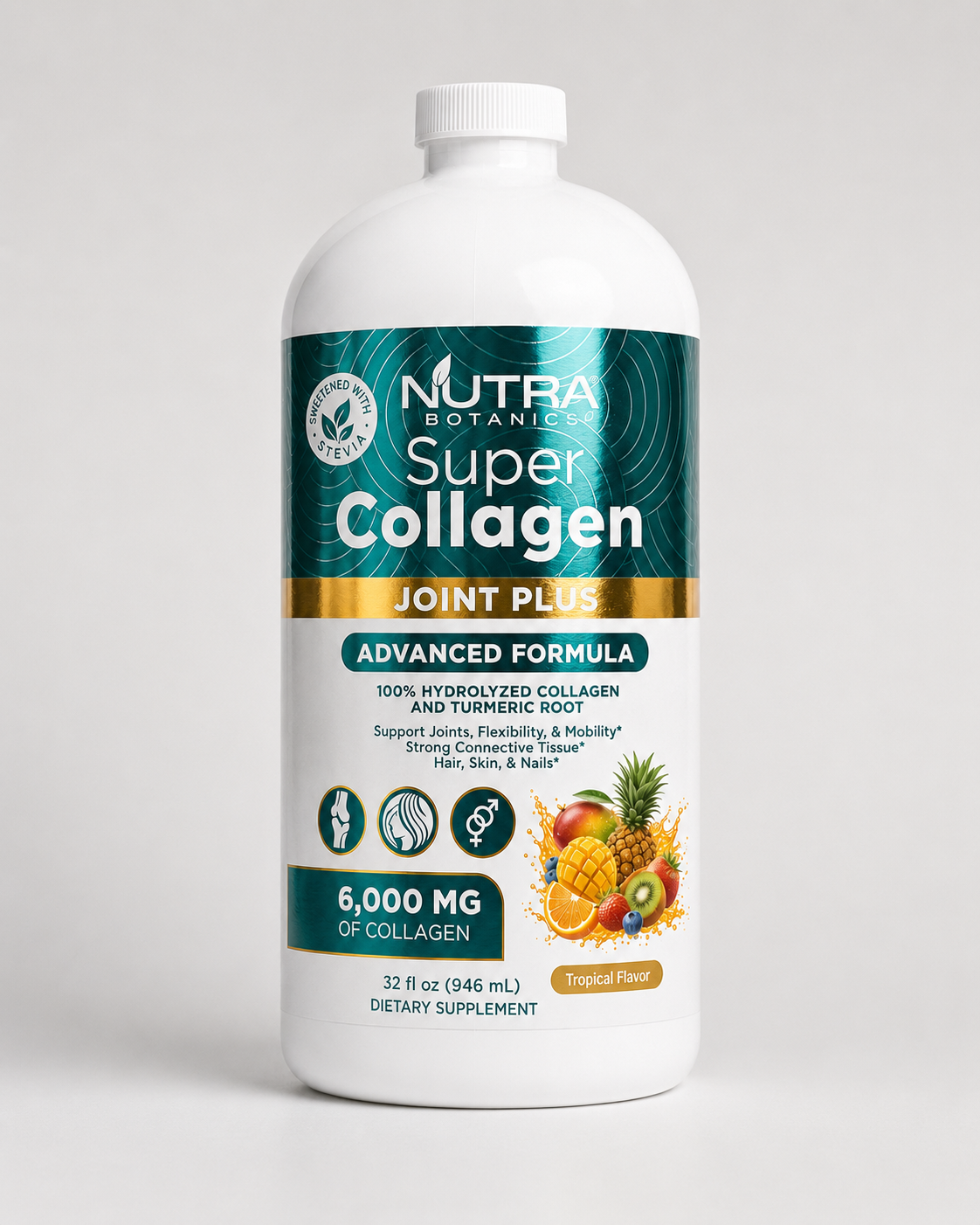
Super Collagen Joint Plus
Daily wellness · 16 fl oz
- A women-first daily formula many readers pair with the hormonal-wellness habits discussed here — collagen, joint, and skin support in one liquid.
$28.95Free shipping over $75
Shop Super Collagen Joint Plus
Explore the Full Catalog
Browse every Nutra Botanics formula
- Compare products, ingredients, and dosing across the full line
Shop the rangeSubscribe & save 20%
Shop All Products