
Which vitamins are useful during perimenopause?
Start with what you need, not a bottle that promises to balance every hormone. Calcium and vitamin D matter for bone health; B12 deserves attention when intake or absorption is low; iron belongs in the conversation when blood loss or a confirmed deficiency is a concern. A multivitamin can help fill dietary gaps, but it is not a treatment for hot flashes or a hormone reset.
The useful choice depends on your diet, age, symptoms, medicines and existing supplements. This guide separates nutritional needs from premenstrual syndrome (PMS) and menopause claims so you can compare labels with a clear purpose.
Perimenopause changes the question, not every nutrient need
Perimenopause is the transition before menopause. Hormone levels fluctuate, periods may change, and symptoms can include hot flashes, night sweats, vaginal dryness or disrupted sleep. The ACOG menopause overview explains these changes and the role of medical treatment.
Symptoms do not automatically identify a vitamin deficiency. Before comparing supplements, ask whether you are trying to fill a dietary gap, support bone health, address recurring PMS, or get help with persistent menopausal symptoms. Those are different decisions.
| Your question | What to check | What not to assume |
|---|---|---|
| Am I getting enough for bone health? | Calcium from food and supplements, vitamin D intake and your individual risk. | A menopause blend automatically supplies enough of either nutrient. |
| Could my fatigue involve a deficiency? | Diet, menstrual blood loss, medicines and whether a clinician recommends iron or B12 assessment. | More iron or a high-dose B complex is the right answer for everyone. |
| Are symptoms tied to my period? | Track their timing and use PMS-specific evidence. | PMS findings prove that the same ingredient treats hot flashes. |
| Are hot flashes or sleep disruption affecting daily life? | Discuss menopause-specific treatment options. | Vitamins or herbal blends are equivalent replacements for effective medical care. |
Vitamins and minerals worth comparing
Calcium: count the whole day. NIH lists 1,000 mg daily for adults ages 19 to 50 and 1,200 mg for women age 51 and older. These are total-intake targets from food plus supplements, not an instruction to buy that amount in tablets. Check dairy, fortified alternatives and other food sources first, then compare the elemental calcium, the amount of calcium itself, on a label. NIH calcium guidance also explains interactions with medicines, including thyroid medication.
Vitamin D: a bone-health nutrient, not a hormone fix. It helps your body absorb calcium. NIH lists 15 mcg (600 IU) daily for adults ages 19 to 70 and 20 mcg (800 IU) at 71 and older. Those reference amounts include all sources; an individual deficiency may need clinician-directed care. Read NIH’s vitamin D fact sheet before adding overlapping products.
B12: look at intake and absorption. It supports normal blood and nerve functions. Vegan diets, some medicines and absorption problems can make it relevant. NIH advises people over 50 to obtain most B12 from fortified foods or supplements because absorption of food-bound B12 may decline. That does not mean a high-dose B12 product treats perimenopause or improves energy when you already have enough. NIH B12 guidance gives the details.
Iron: match it to an established need. Heavy periods can increase concern about iron deficiency, but fatigue has many possible causes. Ask about appropriate assessment before buying iron solely for energy. Excess iron can be harmful, and products can interact with medicines. NIH’s iron overview explains who is more likely to need it.
Magnesium: compare the actual amount. It contributes to normal muscle, nerve and bone functions. Check elemental magnesium, the amount of magnesium itself, rather than the weight of its compound, and add up overlapping products. The U.S. adult upper limit is 350 mg daily from supplements and medicines, excluding food, unless a healthcare professional advises otherwise. Higher supplemental amounts can cause digestive symptoms. NIH magnesium guidance does not establish a universal perimenopause treatment dose.
B6: more is not automatically better. PMS research has limitations, and prolonged high intake can damage nerves. NIH reports a U.S. adult upper limit of 100 mg daily and the lower 2023 European Food Safety Authority (EFSA) limit of 12 mg. Neither limit is a target dose. Count B6 in multivitamins, B complexes, drinks and symptom blends before combining them. Read the B6 evidence and safety guidance.
PMS evidence is not menopause evidence
Recurring symptoms before a period deserve their own assessment. Calcium, magnesium, B6 and chasteberry have been studied for PMS, but findings and preparations differ. Do not transfer those results to hot flashes, menopause or every product marketed for women.
Our PMS supplement evidence guide compares the research and label questions in more detail. If mood symptoms, bleeding or pain interfere with daily life, seek evaluation rather than building a larger supplement stack.
For hot flashes, use menopause-specific guidance
Natural menopause is identified after 12 months without a period when there is no other obvious cause or clinical intervention. Perimenopause and postmenopause have different practical concerns, so a product’s use of the word “menopause” is not enough to establish its fit.
The 2023 Menopause Society nonhormone position statement does not recommend supplements or herbal remedies for treating hot flashes and night sweats. That is guidance about these symptoms, not a reason to ignore genuine nutrient needs. Hormonal and nonhormonal medical options are available; discuss suitability rather than assuming the choice is a supplement or nothing.
Chasteberry, black cohosh and maca: check the exact purpose
Chasteberry: some research suggests a reduction in PMS symptoms, but NCCIH describes the evidence as low to moderate quality and says stronger research is needed. A standardized extract is not interchangeable with the same weight of whole herb. Its PMS findings do not establish broad hormone balancing or reliable menopause relief. Pregnancy, breastfeeding, hormone-sensitive conditions and medicines require particular attention. Read NCCIH’s chasteberry guidance.
Black cohosh: NCCIH notes that a 2023 review found possible benefits for some menopause symptoms, while evidence and preparations vary. This does not override the Menopause Society’s recommendation against supplements for hot-flash treatment. Products labeled black cohosh have also raised quality and liver-safety concerns. Talk with a healthcare professional before choosing, especially with liver conditions or medicines. Read the current NCCIH overview.
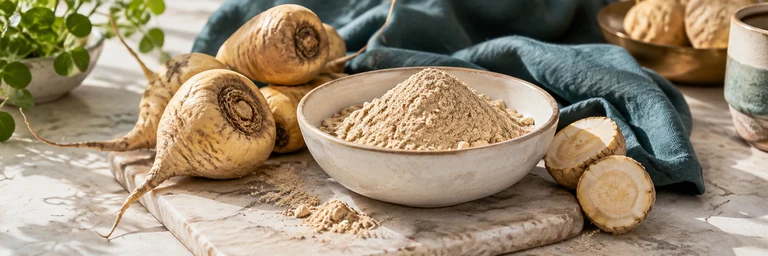
Maca: a 2011 systematic review found favorable symptom scores in four trials, but their size and quality were too limited for firm conclusions. It also did not establish safety. This is a reason to check the research behind a preparation, not to treat maca as a proven hormone-restoration product.
Where collagen fits, and where it does not
Collagen is a protein ingredient, not a replacement for calcium, vitamin D or menopause treatment. Do not buy it to raise estrogen, stop hot flashes or reverse menopause. A connective-tissue formula should be compared for its own ingredient amounts and directions.
If collagen is your separate shopping goal, compare the actual bottle sizes and full blend in our 16 oz and 32 oz liquid collagen comparison. The current Super Collagen Joint Plus page provides its Supplement Facts and purchase options. Ingredient research does not establish a finished-formula menopause or bone-density effect.
Keep general health separate from a symptom-treatment promise
Regular activity, strength work appropriate to your abilities, adequate food and consistent sleep routines remain useful foundations. They do not make a supplement work automatically, and they should not be presented as universally stronger than medical treatment for hot flashes.
Track what is actually affecting your day, such as night sweats, sleep disruption, bleeding or mood changes. That information makes a clinical appointment more useful and helps distinguish a dietary question from a treatment question.
A practical label checklist before you buy
- Name the goal. A nutrient gap, bone-health intake and recurring PMS are different from hot-flash treatment.
- Read the complete serving. Two or four capsules may be required to supply the amounts shown in Supplement Facts.
- Add up overlapping nutrients. Review B6, vitamin D, magnesium, iron and calcium across products.
- Check the preparation. Whole herb, extract weight and a standardization percentage do not automatically match a trial ingredient.
- Check medicines and quality evidence. Ask about interactions and a verifiable batch-specific report when independent testing matters.
- Compare purchase terms. Divide the current price by labeled servings; check whether the option is one-time or recurring.
“Hormone balance” on the front label does not identify a measured clinical outcome. A useful product page should let you read ingredients, full servings, directions and warnings before choosing. Use our formula comparison tool for current Nutra Botanics label and price information.
When a clinical conversation matters
Get medical advice for heavy or unusual bleeding, bleeding after menopause, persistent or severe pain, substantial mood changes or symptoms that disrupt daily life. New menstrual changes before age 45 also deserve discussion. Do not assume a vitamin deficiency or add supplements to mask an unexplained change.
ACOG explains that many people do not need routine hormone testing to identify perimenopause; age, symptoms and period changes often guide assessment. Testing may be appropriate for younger people or a different suspected condition. This does not justify ordering a blanket hormone panel or ignoring symptoms.
Choose a specific benefit instead of a broad hormone promise
A supplement can supply a nutrient you are missing. Research on an ingredient may also help you evaluate a particular purpose. Neither establishes that a blend resets hormones, treats a medical condition or produces the same result for every shopper.
Start with the actual need and the full label. If your main problem is a persistent menopause symptom, use medical guidance for that symptom. If your goal is comparing a collagen format or another routine supplement, use its own formula facts.
Related reading: Perimenopause, PMS & Menopause Guide, Perimenopause Support, PMS Relief Supplements, Vitex (Chasteberry), Maca Root for Women.
Questions before you choose
Which vitamins are best for perimenopause?
Will a multivitamin balance my hormones?
Are vitamins or herbal supplements recommended for hot flashes?
Should I take high-dose vitamin B6 for PMS?
Should every woman in perimenopause take iron?
Does collagen replace calcium or vitamin D?
Do I need a hormone test before choosing supplements?
Editor’s Note · October 11, 2026

Explore the formulas
Explore current ingredients, directions and Supplement Facts before choosing your formula.
Browse all formulasRelated Articles





Sources and scope
- NIH calcium: total intake, age and interactions
- NIH vitamin D: amounts, roles and safety
- NIH vitamin B12: intake and absorption
- NIH iron: need, precautions and interactions
- NIH magnesium: functions and supplemental upper limit
- NIH vitamin B6: PMS research and U.S./EFSA upper limits
- NCCIH chasteberry: evidence and safety
- NCCIH black cohosh: current evidence and precautions
- Lee 2011: maca menopausal symptom review
- 2023 Menopause Society nonhormone position statement
- ACOG menopause and hormone-therapy overview
- ACOG September 2025: perimenopause hormone testing
- WHO menopause: definition and health context
- NIH multivitamins: nutritional gaps and limits
Sources checked October 11, 2026. Nutra Botanics sells supplements. This is an editorial source check, not an independent or qualified clinical review. Nutrient reference amounts and ingredient research do not establish an effect for a finished Nutra Botanics formula.