

Key Takeaways
- Common signals: irregular stools, bloating, skin issues, fatigue, mood changes, and food sensitivities
- The gut microbiome thrives on variety — aim for 30+ different plant foods per week
- 25–35g of fiber daily supports transit and feeds beneficial bacteria
- Probiotics (10B+ CFU daily) and fermented foods contribute to microbial diversity
- Consistent daily habits reset the gut more effectively than short aggressive cleanses
Related reading: How to Reduce Bloating.
Why Gut Health Matters More Than You Think
The gut microbiome, the trillions of bacteria living in your intestinal tract, is now understood to be one of the most important factors in overall health. Research over the past two decades has connected gut health to outcomes that seem, at first glance, to have nothing to do with digestion.
Immune function is the most direct connection. The gut-associated lymphoid tissue (GALT) is the largest immune organ in your body. It acts as a training ground for immune cells, teaching them to distinguish between harmful pathogens and harmless substances. When the gut lining is compromised or the microbiome is imbalanced, immune responses can become either suppressed (leading to frequent illness) or overactive (contributing to allergies, food sensitivities, and autoimmune tendencies).
Mental health is connected through what researchers call the gut-brain axis. The vagus nerve provides a direct communication pathway between the gut and the brain, and the microbiome produces neurotransmitters including serotonin, dopamine, and GABA. A 2019 study in Nature Microbiology found that specific gut bacteria were depleted in individuals with depression, regardless of antidepressant use. This does not mean gut health causes depression, but it does mean the gut is an active participant in mood regulation.
Nutrient absorption is perhaps the most practical consideration.
Nutrient absorption is perhaps the most practical consideration. You can eat the cleanest diet in the world, but if your gut is not breaking down and absorbing those nutrients efficiently, you are not getting the full benefit. Chronic gut inflammation, insufficient enzyme production, and compromised gut lining all reduce the bioavailability of vitamins, minerals, and macronutrients from the food you eat.
Skin health is increasingly linked to gut health through what dermatologists call the gut-skin axis. Conditions like acne, eczema, rosacea, and psoriasis have all been associated with gut microbiome imbalances in research. The mechanism involves systemic inflammation originating in the gut that manifests externally through the skin.
7 Warning Signs Your Gut Needs Attention
Most people don't experience a single dramatic symptom — they normalize a combination of mild issues over time. The most common patterns: persistent post-meal bloating, irregular bowel movements, chronic fatigue unrelated to sleep, stubborn skin issues, multiplying food sensitivities, brain fog, and frequent illness or slow recovery. Each one is your gut signaling that the bacterial balance, intestinal lining, or digestive process needs support.
For the full breakdown of each sign — what's actually happening biochemically, common root causes, and the research-backed thresholds that distinguish "occasional discomfort" from "needs intervention" — see our dedicated guide to the 7 signs your gut needs a detox.
What Causes Gut Imbalance
Understanding what throws the gut off balance helps you both fix the current problem and prevent it from recurring. Several modern lifestyle factors work against gut health.
Processed food and refined sugar feed harmful bacteria and yeast while starving the beneficial bacteria that depend on fiber and polyphenols. The average American diet is approximately 60 percent ultra-processed food, which provides calories but little of the prebiotic fiber that beneficial gut bacteria need to thrive.
Antibiotic use is sometimes necessary but always disruptive to the microbiome. A single course of broad-spectrum antibiotics can reduce microbial diversity by 30 percent, and full recovery can take 6 to 12 months. Repeated antibiotic use without deliberate microbiome restoration creates cumulative damage.
Chronic stress directly affects gut function through the stress-gut axis. Cortisol slows digestion, reduces blood flow to the intestines, increases gut permeability, and shifts the microbiome composition toward less favorable species. This is why digestive issues often worsen during periods of high stress.
Insufficient fiber intake is perhaps the most common and most fixable cause. The beneficial bacteria in your colon ferment dietary fiber to produce short-chain fatty acids (SCFAs), which nourish the gut lining, support a healthy gut environment, and support immune function. The recommended daily fiber intake is 25 to 38 grams, but the average American consumes only about 15 grams.
Alcohol, NSAIDs, and environmental toxins all contribute to gut lining irritation and microbiome disruption. Even moderate alcohol consumption has been shown to increase intestinal permeability and shift microbiome composition.
How a Gentle Herbal Cleanse Works
The word "cleanse" has been co-opted by extreme diets and aggressive detox products, which has made many people understandably skeptical. But a properly formulated herbal digestive cleanse is neither extreme nor aggressive. It works with your body's existing elimination pathways rather than forcing them.
A well-designed herbal cleanse typically combines several categories of ingredients that address different aspects of digestive function.
Fiber and bulk-forming herbs like psyllium husk and flaxseed absorb water in the colon and add bulk to stool, promoting regular, complete elimination. This is the mechanical foundation of any cleanse, helping to move accumulated waste through the system.
Gentle motility herbs like senna leaf (in appropriate doses), cascara sagrada, and aloe vera support the natural peristaltic contractions that move material through the colon. The key word is "gentle." At proper doses, these herbs encourage movement without causing cramping or urgency. This is fundamentally different from the harsh stimulant laxatives that force evacuation.
Soothing and anti-inflammatory herbs like ginger root, peppermint, and fennel seed calm inflammation, reduce gas, and ease the digestive discomfort that often accompanies gut imbalance. These ingredients make the cleansing process comfortable rather than disruptive.
Prebiotic and microbiome-supportive ingredients like acacia fiber, chicory root, and dandelion help create an environment where beneficial bacteria can reestablish themselves. A good cleanse does not just remove waste. It sets the stage for a healthier microbial environment going forward.
Harsh Laxatives vs. Gentle Herbal Cleanse
This is the most important distinction to understand when considering a digestive cleanse. The products on opposite ends of this spectrum produce very different experiences and outcomes.
Harsh laxatives work by irritating the colon wall, which forces muscle contractions and rapid evacuation. This produces a dramatic short-term result but does nothing to improve gut health. Worse, regular use can lead to laxative dependency, where the colon loses its natural ability to contract without chemical stimulation. Electrolyte depletion, dehydration, and nutrient malabsorption are common side effects of chronic laxative use.
A gentle herbal cleanse, by contrast, supports the body's own processes. It provides the fiber the colon needs for proper bulk, encourages natural peristalsis at a comfortable pace, supports a healthier digestive environment, and creates conditions for beneficial bacteria to recover. The result is not a dramatic purge but a gradual normalization of digestive function that gets better over the course of the cleanse period.
What to Expect During a Cleanse
Understanding the typical timeline of a gentle herbal cleanse helps set realistic expectations and prevents people from abandoning the process too early.
Days 1 through 3: Adjustment. Your body is adapting to the increased fiber and herbal compounds. You may notice slightly more frequent bowel movements and mild changes in stool consistency. Some people experience minor bloating as the gut adjusts, which is normal and temporary. Hydration is critical during this phase. Aim for at least 8 glasses of water daily to support the fiber as it moves through your system.
Days 4 through 7: Initial improvements. This is when most people begin to notice the first real changes. Bloating starts to decrease. Bowel movements become more regular and well-formed. The feeling of heaviness or sluggishness after meals begins to lift. Energy levels may improve as inflammation decreases and nutrient absorption begins to normalize.
Days 8 through 14: Noticeable shift. By the second week, the cumulative effect becomes clear. Digestion feels smoother and more predictable. Energy is more consistent throughout the day. Many people report improved sleep quality during this phase, which is consistent with the gut-brain axis research. Skin may begin to show improvement as overall wellness improves.*
Days 15 through 30: Establishment. The new normal begins to set in. The gut has had time to clear accumulated waste and begin rebuilding a healthier microbial environment. Digestive regularity, improved energy, and reduced bloating are now the baseline rather than occasional improvements.
Days 30 through 45: Full reset. By the end of a full 45-day cleanse cycle, most people have experienced a meaningful shift in their digestive health. The goal from this point is to maintain the improvements through continued attention to diet, hydration, fiber intake, and stress management. Many people find that periodic cleanse cycles, such as once per quarter, help maintain the results.
Supporting your cleanse. To maximize results during a digestive reset, increase your water intake to support fiber movement, reduce processed food and refined sugar to avoid feeding harmful bacteria, prioritize vegetables, fruits, and whole grains for prebiotic fiber, limit alcohol and caffeine which irritate the gut lining, and manage stress through whatever practices work for you. The cleanse is not doing all the work. It is creating an opportunity for your gut to recover, and your habits determine how much benefit you get from that opportunity.
Key Takeaways
Key Takeaway
Key Takeaway: Your gut influences far more than digestion. It shapes your immune function, mood, energy, skin health, and cognitive clarity. Common symptoms like bloating, fatigue, skin issues, and brain fog are often signs that your digestive system needs support, not just acceptance. A gentle herbal cleanse using multiple botanicals at balanced doses can help clear accumulated waste, support a healthy gut environment, support natural motility, and create conditions for a healthier microbiome. Choose a cleanse with diverse herbal ingredients rather than a single harsh laxative, stay hydrated, and support the process with cleaner eating habits. Individual experiences vary.*Give Your Gut the Reset It Needs
Colon Detox & Cleanse combines 14 herbal ingredients for a gentle, comprehensive digestive reset. 45 servings for a complete cleanse cycle.
Shop Colon Detox & Cleanse — $32.99Frequently Asked Questions
What are the main signs that your gut health needs attention?
Can supplements reset gut health, or is diet more important?
How long does it take to reset gut health?
Do probiotics actually help reset the gut?
Can collagen support gut health during a reset?
Is gut health connected to skin and mood?

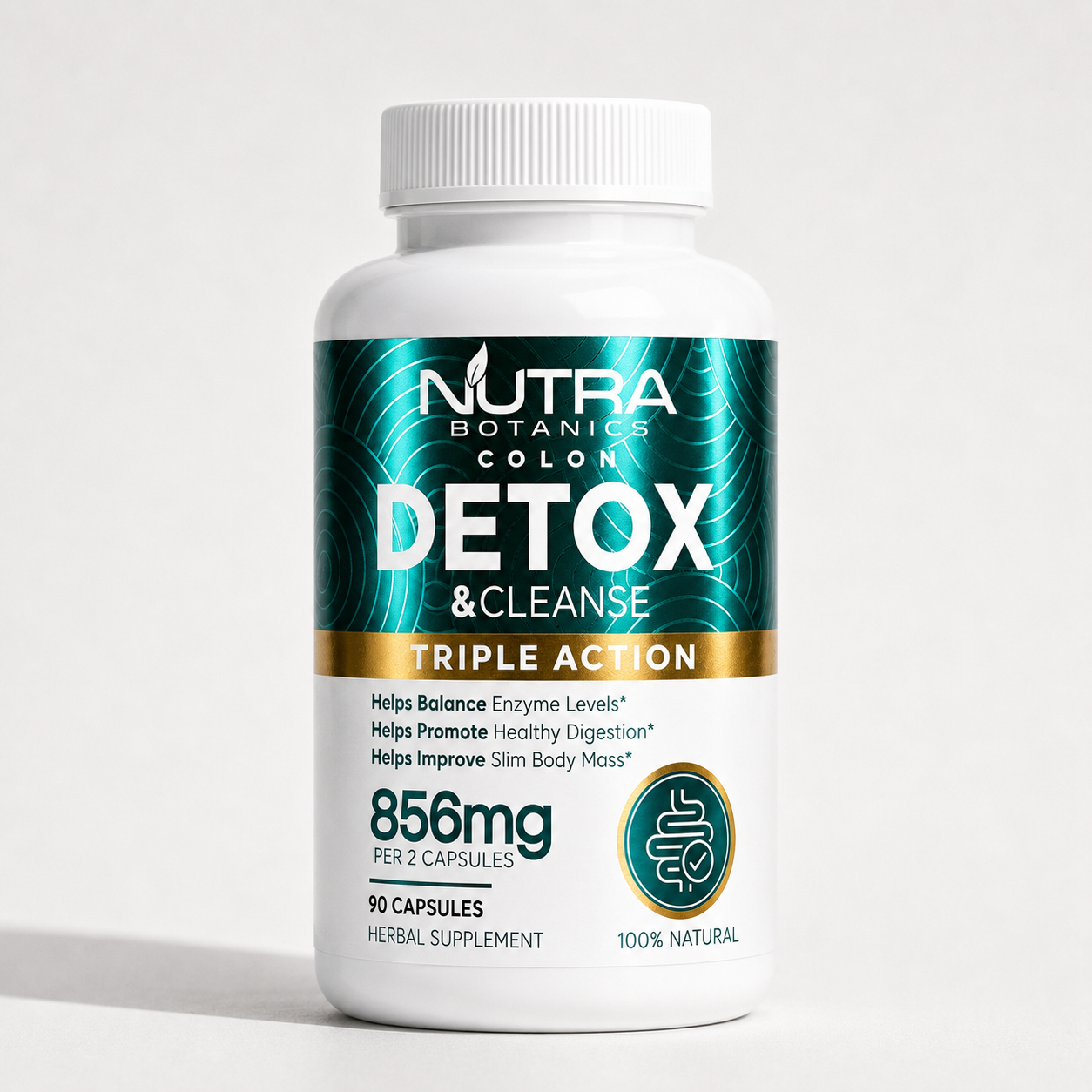
Colon Detox & Cleanse
14-ingredient herbal blend · fiber + probiotics
- 856mg proprietary blend with traditional botanicals
- Fiber and probiotic support for digestive balance
- Gentle daily use · no harsh laxatives
- GMP & NSF certified · PhD-supervised testing
See pricingFree shipping over $75
Shop Colon Detox & Cleanse
Explore Detox & Cleanse
Browse the Nutra Botanics detox range
- Colon cleanse, liver support, and daily digestion options
- Compare formats, dosing, and stack partners
- Gentle daily-use formulations
- GMP & NSF certified · PhD-supervised testing
Shop the rangeSubscribe & save 20%
Browse Detox