Key Takeaways
- Stress eating is driven by elevated cortisol activating dopamine-reward circuits — not willpower failure
- Protein-rich, high-fiber meals blunt the cortisol-to-craving cascade
- Sleep of 7–9 hours is the single highest-impact lever for cortisol regulation
- Movement, breathwork, and brief cognitive distraction break the craving cycle more effectively than willpower
- Addressing the stressor directly is more sustainable than managing the eating response downstream
Related reading: Appetite Control for Weight Loss, How to Control Food Cravings, Natural Appetite Suppressants, Glucomannan for Appetite Control.
The Biology of Stress Eating
When you experience stress, the hypothalamic-pituitary-adrenal (HPA) axis triggers cortisol release from the adrenal glands. Cortisol has several effects that directly drive eating: it increases appetite (particularly for calorie-dense foods), activates dopamine reward pathways in the brain that make food more rewarding, and promotes fat storage — especially in the abdominal region — after eating.
Simultaneously, chronic stress elevates ghrelin, the primary hunger hormone. A study in Psychoneuroendocrinology found that people under chronic psychosocial stress showed elevated ghrelin even in the fed state — meaning the hunger signal was on even when energy stores were adequate. High-calorie foods temporarily suppress cortisol and activate the brain's reward system, creating a biological reinforcement loop: stress → eat → feel better → eat more under stress.
Cortisol's Effect on Food Choice
Cortisol doesn't just increase overall appetite — it specifically shifts food preferences toward high-fat, high-sugar, energy-dense foods. Neuroimaging research shows that cortisol activates the nucleus accumbens (the brain's primary reward center) in response to images of calorie-dense food more strongly than in the non-stressed state. This is why you reach for chips or ice cream under stress, not celery.
This mechanism evolved for acute survival situations where extra calories were needed quickly. In modern life, where stress is psychological and chronic rather than physical and acute, the same mechanism drives consistent overconsumption of foods the prefrontal cortex (the rational planning center) knows aren't serving your goals. The key insight: this isn't a willpower failure — it's the cortisol-dopamine system operating exactly as designed, in the wrong context.
Mindfulness-Based Eating Interventions
Mindfulness-based interventions have the most consistent behavioral evidence for reducing stress eating. A 2014 randomized trial published in the Journal of Obesity found that a 4-month mindfulness program significantly reduced emotional eating, uncontrolled eating, and eating in response to external cues — all components of stress eating — compared to a control group.
The mechanism: mindfulness increases interoceptive awareness (the ability to distinguish physical hunger from emotional hunger) and strengthens prefrontal cortex regulation of the limbic reward system. Practically, mindful eating means eating without screens, chewing slowly, checking in with hunger and fullness cues before and during meals, and pausing when a craving hits to ask: 'Am I physically hungry or emotionally triggered?' This skill takes 4–8 weeks of consistent practice to develop.
Cortisol Reduction: The Upstream Fix
The most direct way to reduce stress eating is to reduce cortisol — the upstream driver. Sleep (7–9 hours consistently) is the single most powerful cortisol regulator. Exercise (particularly 20–40 minutes of moderate aerobic activity) reduces cortisol acutely and improves HPA axis resilience over time. Social connection reduces cortisol through oxytocin release.
Adaptogenic herbs provide targeted targeted support for HPA axis regulation. Ashwagandha (KSM-66 extract, 300–600mg/day) has multiple RCTs showing 14–27% reductions in serum cortisol over 8 weeks. In one trial, ashwagandha-supplemented participants also reported significantly reduced scores on 'food cravings' compared to placebo. Rhodiola rosea and L-theanine also have evidence for reducing cortisol and perceived stress at standard doses.
In one trial, ashwagandha-supplemented participants also reported significantly reduced scores on 'food cravings' compared to placebo.
Building Alternative Stress Response Behaviors
Relying on willpower to resist stress-eating urges at the moment they occur is the least effective strategy — the cortisol-activated reward system is neurologically stronger than prefrontal willpower in acute stress states. The most effective alternative is pre-deciding specific behaviors to perform when stressed (implementation intentions).
Pre-identify 3–5 specific behaviors that work as stress outlets for you and have them genuinely accessible: a specific walk route, a breathing exercise, a call to a specific person, a playlist, a task that absorbs your attention. Having a concrete, specific plan for what to do when stressed — practiced in low-stress moments — is significantly more effective than relying on in-the-moment decision-making under cortisol elevation.
What to Keep (and Not Keep) in the Environment
Environmental design is a powerful, low-effort strategy for reducing stress eating. Research consistently shows that people eat what is most visible and accessible — not what they consciously prefer when calm. Making high-calorie trigger foods less visible (in opaque containers, in the back of the fridge or cupboard) and making lower-calorie options highly visible and convenient reduces stress-eating consumption significantly without conscious effort.
Satisfying, protein-rich snacks that genuinely provide relief from hunger (Greek yogurt, hard-boiled eggs, nuts, protein bars) should replace the trigger foods that drive the cortisol-reward loop. The goal isn't to have nothing to eat — it's to ensure that what's available when the stress-eating urge strikes is something that satisfies hunger without triggering the overconsumption cycle.
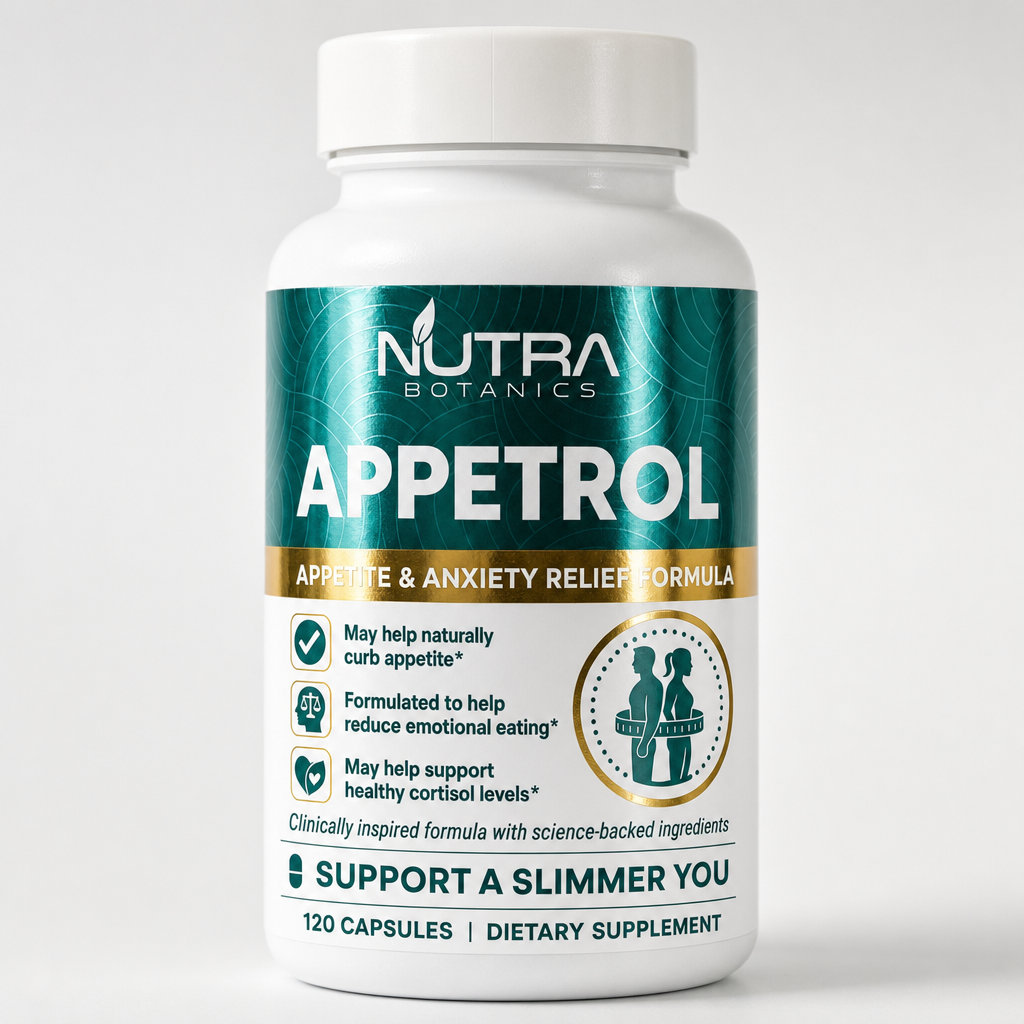
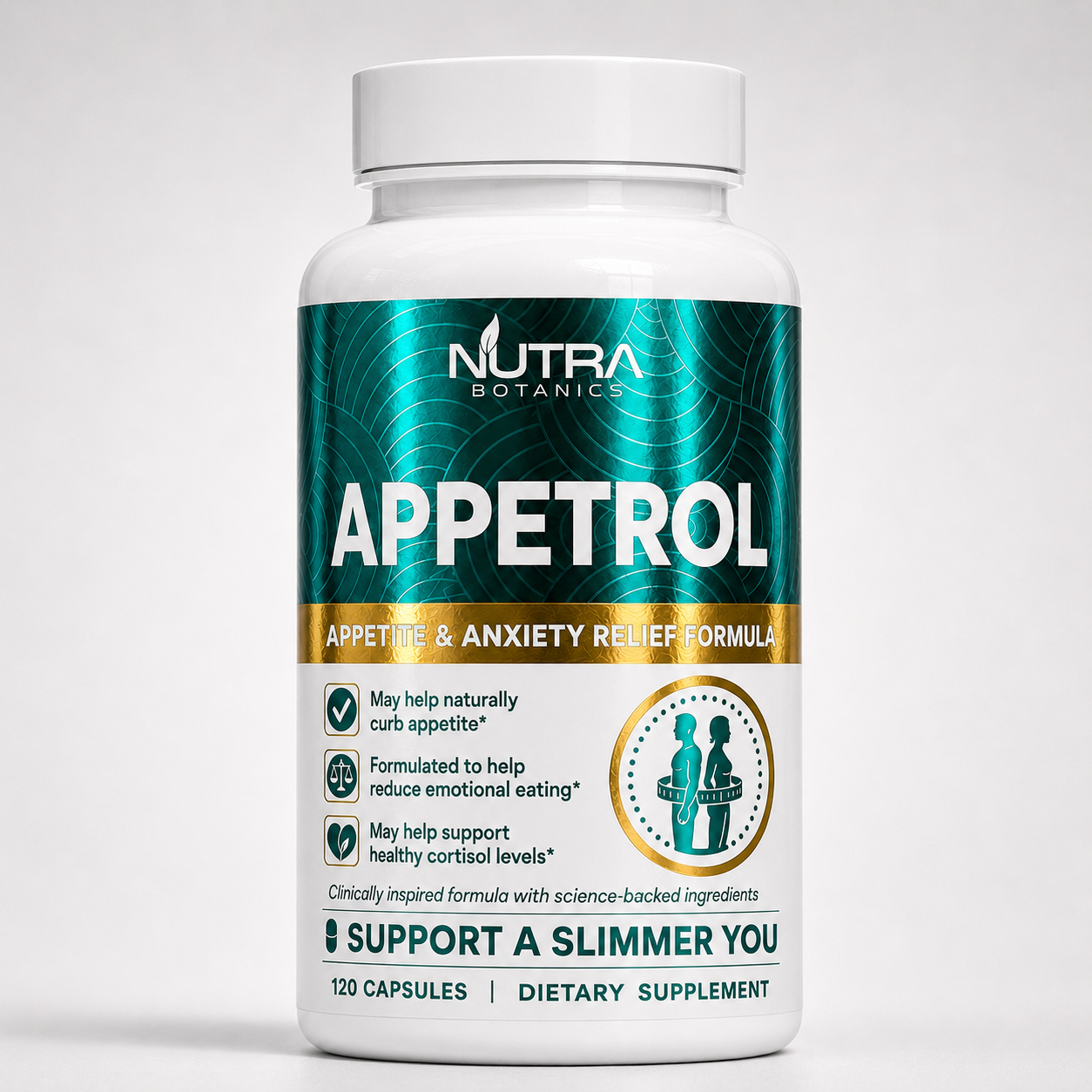
NutraBotanics Appetrol
Cortisol and craving control support with ashwagandha, rhodiola, L-theanine, and adaptogenic botanicals for stress-related appetite management.
Shop Appetrol →Frequently Asked Questions
Why do I eat when I'm stressed?
How do I stop stress eating?
Does ashwagandha help with stress eating?
Is stress eating an eating disorder?
What can I eat to reduce stress?
How long does it take to break stress eating habits?
Appetrol Appetite Support
Adaptogen-based · 40 servings
- Ashwagandha, rhodiola, and L-theanine for stress-pathway support
- Garcinia cambogia and green tea in a daily-use formula
- Designed for stress-linked and emotional eating patterns
- GMP & NSF certified · PhD-supervised testing
See pricingFree shipping over $75
Shop Appetrol
Explore Weight Management
Browse the Nutra Botanics weight management range
- Appetite, metabolism, and body-composition options
- Compare formats, dosing, and stack partners
- Adaptogen and non-stimulant pathways
- GMP & NSF certified · PhD-supervised testing
Shop the rangeSubscribe & save 20%
Browse Weight Management