

Key Takeaway
Key Takeaways
- Estrogen, progesterone, and cortisol form the core hormonal triad that drives most women's hormonal health concerns
- Estrogen dominance (high estrogen relative to progesterone) is the most common hormonal pattern affecting women of reproductive age
- Cortisol dysregulation from chronic stress suppresses progesterone production and disrupts the entire sex hormone cascade
- The liver and gut are the primary estrogen processing and elimination organs — their health directly impacts hormonal balance
- A hormonal support protocol addresses all three: reduce cortisol burden, support liver estrogen clearance, and provide direct hormonal cofactors
Understanding your hormones is one of the most empowering things you can do for your health. Estrogen, progesterone, testosterone, cortisol, and thyroid hormones all interact in complex ways — and when the balance shifts, the effects show up everywhere from your mood and energy to your skin, sleep, and weight. This guide covers the essential framework for women's hormonal health.
Key Takeaways
- Estrogen, progesterone, and cortisol are the three primary hormones to understand — their ratio and rhythm matter more than individual levels
- Liver detoxification runs in two phases — supporting phase II clears metabolized estrogens
- Ashwagandha (300–600mg KSM-66 daily) supports cortisol regulation, which downstream supports reproductive-hormone balance
- Sleep, strength training, and adequate protein are the non-negotiable foundations — supplements support them, not replace them
- Persistent dysregulation warrants a proper hormone panel; self-treatment without testing is not recommended
Related reading: Hormonal Balance for Women, Perimenopause Support, Best Supplements for Women Over 40, Maca Root for Women.
The Three Core Hormones and How They Interact
Estrogen (primarily estradiol in reproductive years) drives the first half of the menstrual cycle, supporting tissue growth, mood elevation, energy, and libido. Progesterone rises after ovulation, producing calming, sleep-supportive effects and counterbalancing estrogen's proliferative influence. Testosterone, present in smaller amounts in women, drives libido, assertiveness, and muscle development.
Cortisol, produced by the adrenal glands in response to stress, sits at the top of the hormonal hierarchy. When cortisol production is chronically elevated, it competes with sex hormones for production resources (both are made from the precursor pregnenolone) and directly suppresses the hypothalamic-pituitary-ovarian axis that regulates the menstrual cycle. Understanding this hierarchy explains why stress management is foundational to hormonal health — not optional.
Estrogen Dominance: The Most Common Hormonal Pattern
Estrogen dominance doesn't necessarily mean estrogen is too high in absolute terms — it means estrogen is high relative to progesterone. This imbalance can result from low progesterone (the more common cause), impaired estrogen clearance by the liver, environmental estrogen exposure (xenoestrogens from plastics, pesticides, personal care products), or the natural progesterone decline that begins in the late 30s and accelerates in perimenopause.
Signs of estrogen dominance include heavy or irregular periods, PMS with breast tenderness and bloating, weight gain around hips and thighs, fibrocystic breasts, low thyroid function (estrogen inhibits thyroid hormone transport), and mood symptoms including anxiety and irritability. Treatment focuses on reducing xenoestrogen exposure, supporting liver estrogen metabolism, and (where appropriate) supplementing progesterone-supportive nutrients.
The Liver's Role in Hormonal Balance
The liver is responsible for processing and clearing used estrogens from the body through a two-phase detoxification process. Phase I converts estrogen into intermediate metabolites; Phase II conjugates these metabolites for excretion through bile and ultimately through the gut. If either phase is impaired — by nutrient deficiencies, alcohol, medications, or genetic variants — used estrogens can be reactivated and reabsorbed, adding to the total estrogen burden.
Cruciferous vegetables support Phase I and II estrogen metabolism through indole-3-carbinol and DIM (diindolylmethane). B vitamins (particularly B12, B6, and folate) support methylation — a critical Phase II pathway. The gut microbiome also plays a key role: certain bacteria produce beta-glucuronidase, an enzyme that deconjugates estrogens in the gut and allows their reabsorption. High-fiber diets reduce beta-glucuronidase activity and support healthier estrogen clearance.
The Gut-Hormone Connection
The gut microbiome's relationship with estrogen has been formalized with a name: the estrobolome — the collection of gut bacteria that metabolize estrogen. A dysbiotic gut (reduced diversity, overgrowth of harmful strains) disrupts estrogen metabolism in ways that can contribute to both estrogen excess and estrogen deficiency depending on the specific imbalance.
Women with PCOS, endometriosis, and estrogen dominance consistently show altered gut microbiome profiles. Supporting the microbiome through dietary fiber, fermented foods, and targeted probiotics is increasingly recognized as an important component of hormonal health — not a peripheral concern.
Supporting the HPA Axis: Why Stress Management Isn't Optional
The hypothalamic-pituitary-adrenal (HPA) axis governs cortisol production in response to stress — physical, psychological, or inflammatory. Chronic HPA activation leads to sustained cortisol elevation, which disrupts sleep (cortisol suppresses melatonin), promotes insulin resistance, and competes with sex hormone production.
Adaptogenic herbs — ashwagandha, rhodiola, and holy basil — are the most evidence-backed interventions for HPA axis normalization. Ashwagandha (KSM-66, 300–600mg/day) has the most robust RCT evidence, showing significant reductions in cortisol, improved sleep, and reduced anxiety scores across multiple trials. These effects make adaptogens foundational to any women's hormonal support protocol.
Ashwagandha (KSM-66, 300–600mg/day) has the most robust RCT evidence, showing significant reductions in cortisol, improved sleep, and reduced anxiety scores across multiple trials.
Research Snapshot
Interventions That Shift Hormonal Markers
Average effects vs. placebo or baseline across published RCTs and meta-analyses.
Effects strongest when layered with sleep, nutrition, and stress-management fundamentals. Not medical advice.
Building a Comprehensive Hormonal Support Protocol
An effective women's hormonal support protocol addresses multiple layers simultaneously: reducing cortisol burden (sleep optimization, stress management, adaptogens), supporting liver estrogen clearance (cruciferous vegetables, DIM, B vitamins, reduced alcohol), correcting nutritional deficiencies (magnesium, zinc, B6 are most commonly implicated), addressing gut health (fiber, probiotics), and using targeted botanical support (vitex for prolactin/progesterone balance, maca for hypothalamic-pituitary signaling).
The order matters: cortisol is the master regulator, so starting with adrenal support (sleep, stress management, ashwagandha) before adding hormone-specific botanicals often produces better results than jumping straight to vitex or phytoestrogens. A 90-day commitment to consistent multi-layer support is the minimum timeframe for meaningful assessment.
Frequently Asked Questions
What is the most important hormone for women?
How do I know if I have estrogen dominance?
How does stress affect hormones in women?
What foods support hormonal balance?
How long does it take to rebalance hormones?
Do I need hormone testing to get started?
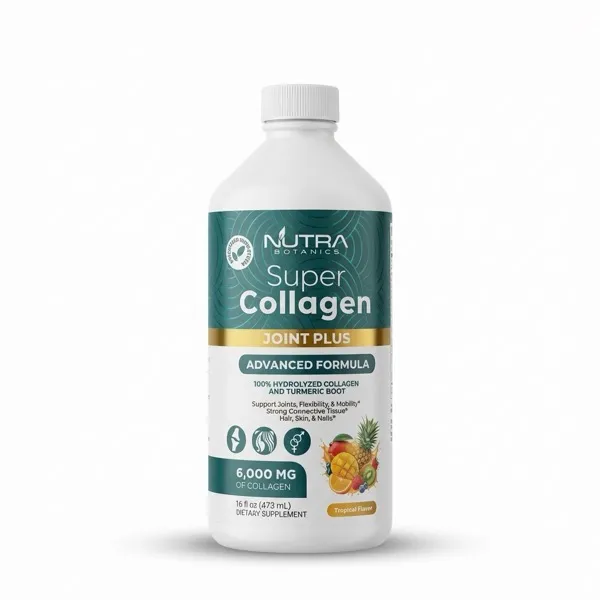
Super Collagen Joint Plus
Daily wellness · 16 fl oz
- A women-first daily formula many readers pair with the hormonal-wellness habits discussed here — collagen, joint, and skin support in one liquid.
$28.95Free shipping over $50
Shop Super Collagen Joint Plus
Explore the Full Catalog
Browse every Nutra Botanics formula
- Compare products, ingredients, and dosing across the full line
Shop the rangeSubscribe & save 20%
Shop All Products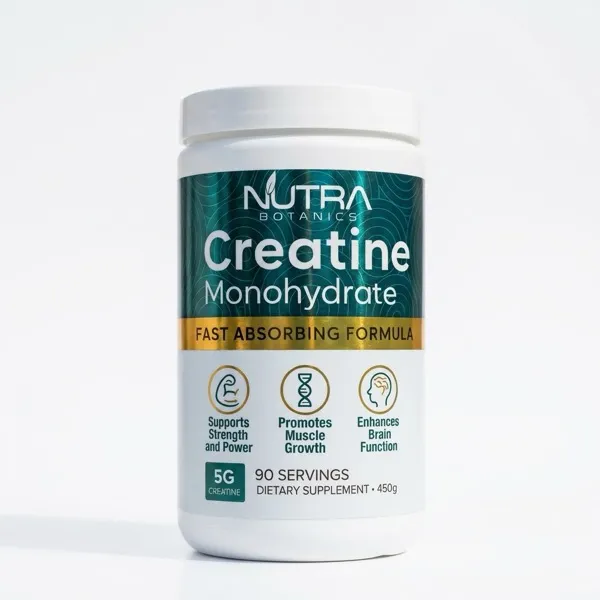
Creatine Monohydrate
Micronized · 60 servings
- 5g pure micronized monohydrate per serving
- Unflavored · mixes clean in any liquid
- Third-party tested for purity · GMP certified
- No fillers, stimulants, or artificial additives
$29.95Free shipping over $50
Shop Creatine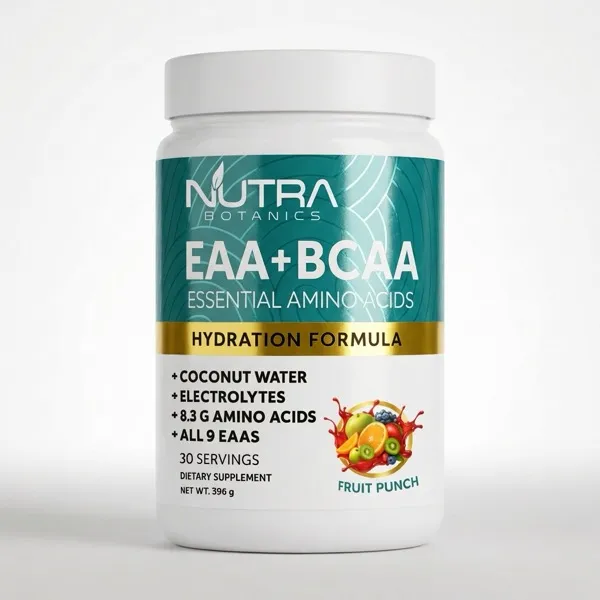
EAA Hydration
Recovery · 30 servings
- All 9 essential amino acids for muscle repair
- Electrolytes for sustained hydration
- Zero sugar · light citrus flavor
- Pairs with creatine for optimal training support
$34.95Subscribe & save 20%
Shop EAA Hydration