
Get research-backed answers about bcaa benefits: what they do for your body. This guide addresses the most common questions based on current evidence.
Key Takeaways
- BCAAs (leucine, isoleucine, valine) directly stimulate muscle protein synthesis via the mTOR pathway
- The 2:1:1 leucine:isoleucine:valine ratio is the most studied and best-validated formulation
- 5–10g taken 30 minutes pre-workout can reduce perceived exertion and post-workout soreness
- BCAAs are most valuable during caloric deficits or fasted training, when the body is most catabolic
- Total daily protein intake is still the primary driver — BCAAs are a targeted accent, not a protein replacement
Related reading: BCAA Dosage, BCAA for Women, Best Time to Take BCAAs, EAA vs BCAA.
What BCAAs Actually Are and Why They Matter
Branched-chain amino acids are three essential amino acids — leucine, isoleucine, and valine — that share a distinctive molecular structure with a branching side chain. Unlike most amino acids, BCAAs bypass initial processing in the liver and travel directly to muscle tissue, where they make up roughly 35% of the essential amino acids in skeletal muscle protein.
The body cannot synthesize them — they must come from diet or supplementation. Typical food sources include animal proteins (beef, chicken, fish, eggs, dairy) and plant sources like soy, legumes, and whey. The body uses BCAAs primarily for muscle building, energy during prolonged exercise, and as regulators of protein turnover.
Leucine is the standout of the three. It directly activates the mTORC1 signaling pathway — the cellular switch that initiates muscle protein synthesis. Isoleucine supports glucose uptake by muscle, and valine contributes structurally to muscle protein. This is why the majority of research uses a 2:1:1 leucine-to-isoleucine-to-valine ratio: leucine does the heaviest lifting, and the supporting ratios mirror what appears in natural protein sources.
How BCAAs Trigger Muscle Protein Synthesis
Muscle protein synthesis (MPS) is the process by which your body builds new muscle tissue to replace what breaks down during training and daily activity. The mTORC1 pathway is the primary regulator of MPS, and leucine is its most potent nutritional activator. Research by Norton and Layman (2006, The Journal of Nutrition) established what is now called the "leucine threshold" — the minimum leucine dose required to trigger a full MPS response, typically around 2.5–3g.
A 2017 study by Jackman and colleagues, published in Frontiers in Physiology, examined whether BCAAs alone (without other essential amino acids) could stimulate MPS after resistance exercise. They found that 5.6g of BCAAs raised MPS by 22% over a post-training window — a meaningful response, though lower than the response produced by a complete whey protein meal. The implication is practical: BCAAs work, but they work best as an accent on top of a complete protein diet, not as a replacement.
For most trained individuals, a 5–10g serving of BCAAs with a 2:1:1 ratio provides 2.5–5g of leucine, easily clearing the leucine threshold and producing a measurable MPS response.
BCAA Benefits for Performance and Endurance
Beyond muscle building, BCAAs influence exercise performance through a mechanism called central fatigue. During prolonged exercise, tryptophan crosses the blood-brain barrier and is converted to serotonin — a key driver of the "I'm done" feeling your brain generates during long sessions. BCAAs compete with tryptophan for the same transporter, reducing tryptophan uptake and, by extension, delaying the rise in serotonin.
Blomstrand and colleagues (2006, American Journal of Clinical Nutrition) demonstrated this effect in trained cyclists: BCAA supplementation during long-duration exercise reduced perceived exertion and improved time to exhaustion. The effect is most pronounced during sessions exceeding 60 minutes — shorter workouts do not produce enough fatigue accumulation to show the effect clearly.
Endurance athletes, CrossFit competitors, and high-volume training blocks benefit most. For a 30-minute lifting session, the endurance-related effect is negligible; for a 90-minute session of mixed-modal work, it is measurable and useful.
BCAAs, Muscle Soreness, and Recovery
Delayed-onset muscle soreness (DOMS) is the pain and stiffness that typically peaks 24–72 hours after unfamiliar or high-volume training. Shimomura and colleagues (2010, International Journal of Sport Nutrition and Exercise Metabolism) tested whether pre-workout BCAA supplementation could reduce this response.
Their trial found that 5g of BCAAs consumed 30 minutes before eccentric squat training reduced subjective soreness by roughly 30% and lowered markers of muscle damage (such as creatine kinase) over the following 48 hours. A follow-up meta-analysis by Rahimi and colleagues (2017) pooled data from multiple trials and confirmed the effect, with the strongest results in untrained participants and during novel training stimuli.
The practical implication: BCAAs taken before a hard session blunt the next-day soreness curve. This is particularly valuable when training multiple times per week or during high-volume blocks where recovery between sessions is the limiting factor.
BCAAs During Caloric Deficits and Fasted Training
When the body is in a caloric deficit or training fasted, it increases the breakdown of muscle protein to supply amino acids for energy and gluconeogenesis. This catabolic state is where BCAAs offer the most targeted benefit. A small, well-timed BCAA dose raises plasma BCAA concentrations enough to blunt the breakdown signal, particularly during the first 60–90 minutes of fasted training.
This is why BCAAs are commonly used by athletes cutting for competition, by individuals training before breakfast, and by anyone deliberately restricting calories while trying to preserve lean mass. A 5–10g serving before or during a fasted session covers the window when catabolism is most active.
Important context: if you are training fed, with a meal containing complete protein within 2–3 hours beforehand, the catabolic risk is already managed. BCAAs in that scenario offer a smaller marginal benefit. The effect scales with catabolic pressure — more deficit, more fasted training, more benefit.
Where BCAAs Fit Alongside Complete Protein
The honest framing: BCAAs are a targeted accent to a complete protein diet, not a substitute for one. Wolfe (2017, Journal of the International Society of Sports Nutrition) published a widely cited review arguing that BCAAs alone cannot sustain MPS long-term because they lack the other six essential amino acids needed to build complete muscle protein.
This is accurate — and it is why the best BCAA protocols sit on top of a strong protein baseline of 1.6–2.2g per kg bodyweight daily from whole foods and whey. With that baseline in place, BCAAs become useful for three specific windows: pre-workout (performance and soreness reduction), intra-workout for long sessions (central fatigue reduction), and during deliberate caloric deficits (catabolism buffer).
If your daily protein is under 1.2g per kg, BCAAs are the wrong intervention — fix the protein baseline first. If your daily protein is already solid and your training is demanding, BCAAs deliver measurable, if modest, benefits across performance, soreness, and lean-mass preservation.
Frequently Asked Questions
What do BCAAs do?
When should I take BCAAs?
Do BCAAs help with weight loss?
How much BCAA should I take?
Can I take BCAAs every day?
Do I need BCAAs if I eat enough protein?
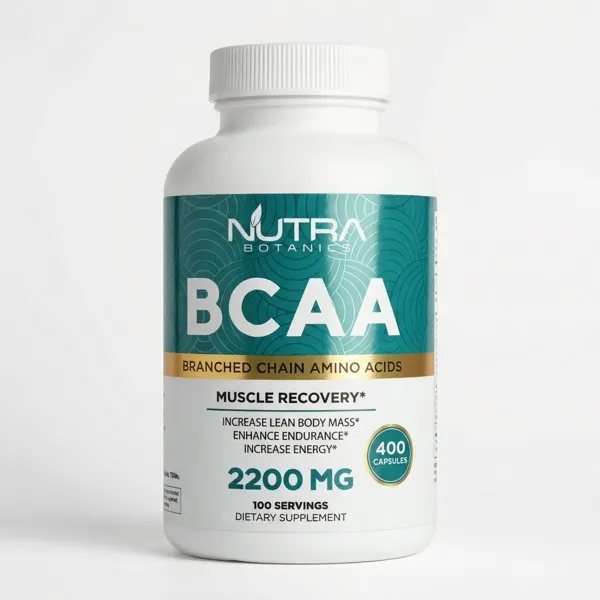
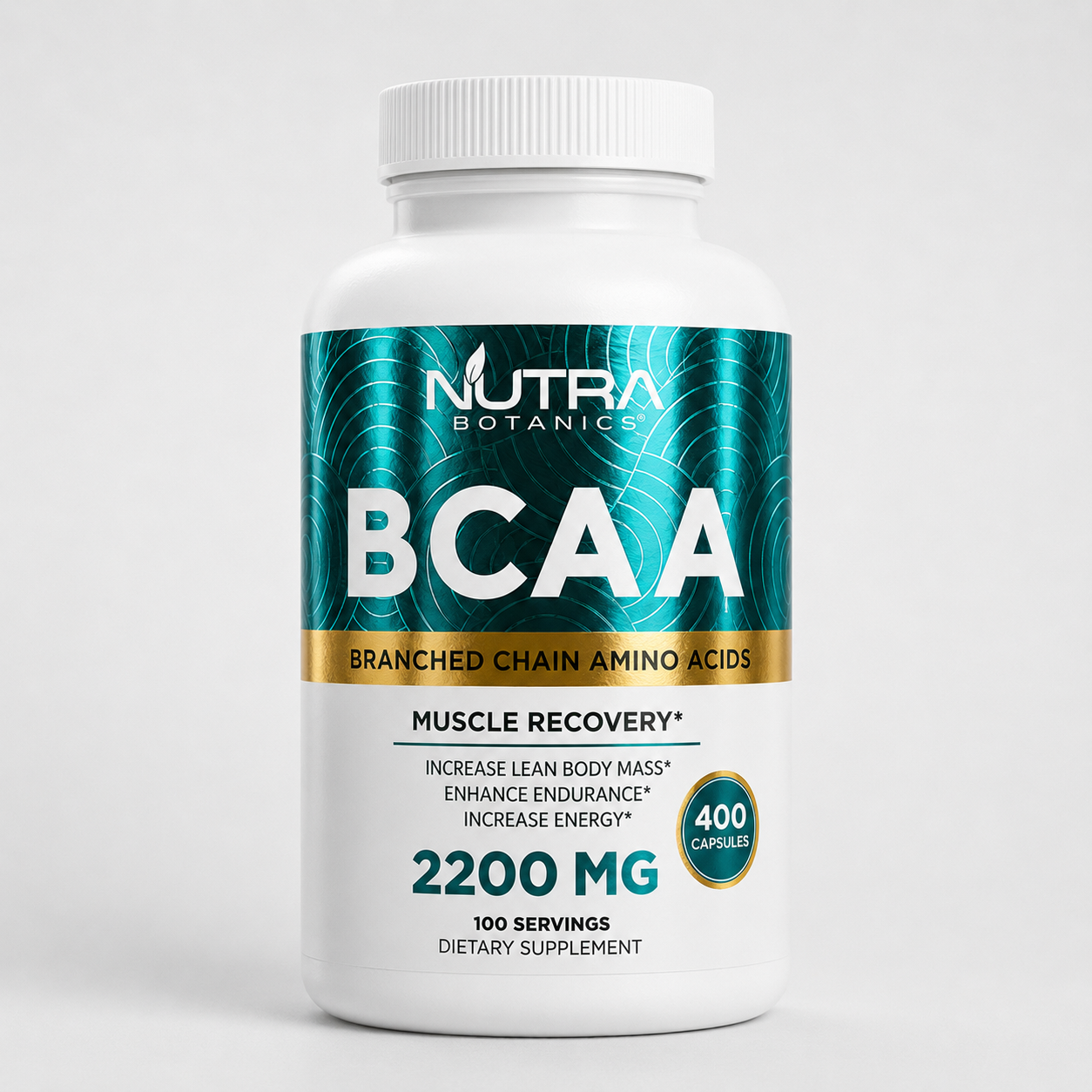
BCAA Plus
2:1:1 ratio · 30 servings
- 5g BCAAs per serving (leucine, isoleucine, valine)
- Clinically studied 2:1:1 ratio for muscle protein synthesis
- Supports endurance, recovery, and lean mass preservation
- GMP & NSF certified · PhD-supervised testing
$29.95Free shipping over $75
Shop BCAA Plus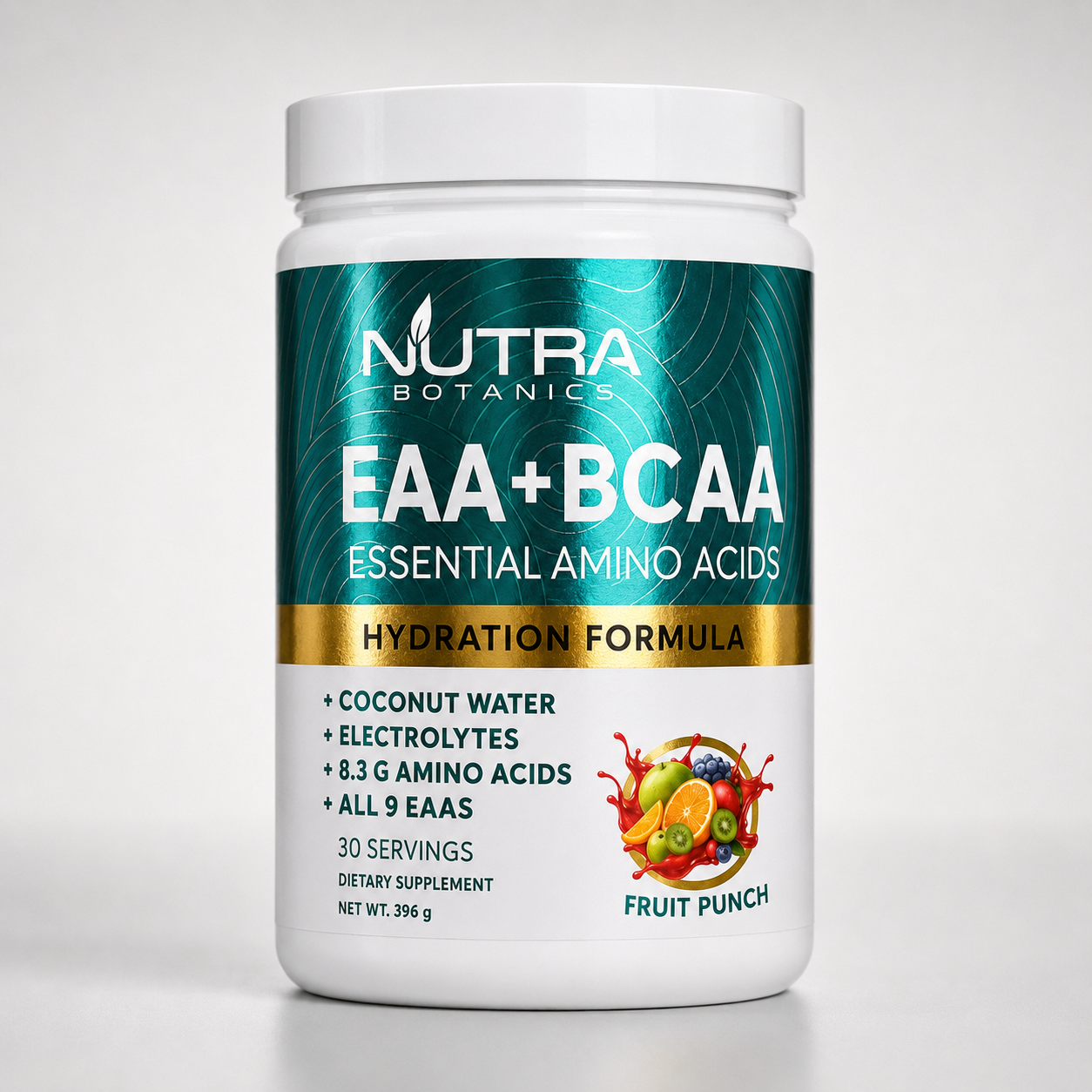
EAA Complex
All 9 essentials · 30 servings
- Complete essential amino acid profile (all 9 EAAs)
- Stronger MPS response vs. BCAAs alone in research
- Ideal for serious lifters, athletes, and fasted training
- GMP & NSF certified · PhD-supervised testing
$34.95Free shipping over $75
Shop EAA Complex