

Get research-backed answers about bcaa dosage: how much & when to take. This guide addresses the most common questions based on current evidence.
Key Takeaways
- 5–10g per workout is the clinically supported range; highly active athletes or those in a large deficit may benefit from up to 20g/day split across sessions
- Use a 2:1:1 leucine:isoleucine:valine ratio — the formulation used in the majority of peer-reviewed research
- Pre-workout dosing (30 minutes prior) produces the strongest acute benefit for endurance and reduced soreness
- Intra-workout BCAAs help sustain performance during sessions longer than 60 minutes or during fasted training
- Exact timing matters less if daily protein intake is already 1.6–2.2g per kg of bodyweight
Related reading: BCAA Benefits, BCAA for Women, Best Time to Take BCAAs, EAA vs BCAA.
The Research-Supported Dose Range
Across the majority of peer-reviewed BCAA research, the effective dose range sits between 5 and 10 grams per serving. Lower doses (under 3g) rarely clear the leucine threshold required to meaningfully stimulate muscle protein synthesis, while doses above 15g per serving plateau in terms of measurable benefit. Total daily intake in most studies falls between 10 and 20g, split across 1–3 servings.
Jackman and colleagues (2017, Frontiers in Physiology) used 5.6g of BCAAs post-exercise and observed a 22% rise in muscle protein synthesis. Shimomura and colleagues (2010, International Journal of Sport Nutrition and Exercise Metabolism) used 5g pre-exercise and observed reduced soreness. Blomstrand's endurance work (2006, American Journal of Clinical Nutrition) used 7g during prolonged cycling. The cluster of effective studies centers in the 5–10g range.
Going higher is rarely useful. A 2011 review by Zanchi and colleagues in Amino Acids found that beyond roughly 10g per serving, amino acid uptake saturates and additional intake is either oxidized for energy or excreted — providing no additional anabolic benefit.
The Leucine Threshold and Why It Matters
Not all BCAA doses are created equal. The active ingredient driving muscle protein synthesis is leucine, and the key number is the leucine threshold: the minimum leucine content required to maximally activate the mTORC1 pathway. Norton and Layman (2006, The Journal of Nutrition) established this threshold at approximately 2.5–3g of leucine per dose.
In a 2:1:1 BCAA formulation, 5g total provides 2.5g of leucine — right at the threshold. 10g provides 5g of leucine, comfortably above it. This is why the ratio matters as much as the dose. A 10g dose with a skewed ratio (for example, 4:1:1) may overshoot leucine requirements while under-delivering on isoleucine and valine, which contribute to glucose uptake and structural muscle protein.
The practical implication: when you see a label that says "BCAAs 5g," check the ratio. A 2:1:1 product at 5g clears the leucine threshold; a 2:1:1 product at 10g clears it with margin. Anything significantly outside 2:1:1 should be evaluated on its leucine content, not total BCAA weight.
Loading vs. Maintenance Dosing
Unlike creatine, BCAAs do not have a true loading phase. Plasma BCAA concentrations peak within 30–60 minutes of ingestion and return to baseline within 3–4 hours. There is no cumulative tissue reservoir to saturate, which is why single-day dosing does not compound in the way creatine does.
This has two implications. First, maintenance dosing is simply daily dosing at the 5–10g range — there is no need to take 20g for a week and then drop back. Second, missing a day does not set you back — you simply resume the next day. This makes BCAAs more forgiving than supplements with saturation dynamics.
The one scenario where higher total daily intake (15–20g) is supported by research is during deliberate caloric deficits or high-volume training blocks where catabolic pressure is elevated. In those contexts, splitting 15–20g across pre-workout, intra-workout, and post-workout servings covers more of the day's catabolic window.
Dosing for Different Training Contexts
The appropriate BCAA dose varies with training volume, duration, and fed state. For a fed, 45-minute strength training session with adequate daily protein, 5g pre-workout is sufficient — it clears the leucine threshold and provides the full MPS response.
For a 90-minute mixed session (strength plus conditioning), 10g split between pre-workout and intra-workout is more appropriate. The intra-workout dose contributes to central fatigue reduction during the back half of the session, supported by Blomstrand's endurance research. For fasted training, 10g pre-workout covers the catabolic window during the session's opening 60–90 minutes.
High-volume days (e.g., doubles, long hikes, combat-sport training camps) justify 15–20g total daily intake split across multiple servings. The rate-limiting factor in these contexts is not MPS activation but sustained amino acid availability during extended catabolic stress.
Timing — Pre, Intra, or Post-Workout
Pre-workout (30 minutes prior) is the most studied timing and produces the most reliable acute benefits for soreness and perceived exertion. Shimomura's 2010 trial, the Rahimi 2017 meta-analysis, and most performance-focused studies center on this window.
Intra-workout dosing is most useful for sessions longer than 60 minutes. The primary mechanism here is central fatigue reduction — BCAAs compete with tryptophan for blood-brain-barrier transport, delaying the serotonin rise that drives perceived effort. For short sessions, this effect is too small to notice.
Post-workout BCAAs are largely redundant if a complete protein meal (whey shake or whole food) follows within 60–90 minutes. Wolfe (2017, JISSN) emphasized that complete protein out-performs isolated BCAAs for post-workout recovery because it supplies all nine essential amino acids needed to rebuild muscle protein. BCAAs alone can initiate MPS but cannot sustain it.
When More Than 10g Makes Sense (and When It Doesn't)
Going beyond 10g per serving only makes sense in specific contexts. The first is deliberate caloric deficits — cutting phases for physique athletes, weight-cut protocols in combat sports, and any prolonged deficit where preserving lean mass is the priority. The second is high-volume training blocks with back-to-back sessions where recovery is the limiting factor.
For everyone else, more than 10g per serving is waste. The amino acids are either oxidized for energy or excreted, and high intake can contribute to GI discomfort. For most athletes training 4–6 days per week with adequate protein baseline, 5–10g pre-workout on training days — and nothing on rest days — covers the full evidence-backed benefit.
The simple rule: match the dose to the catabolic pressure of the day. Higher volume, deeper deficit, and fasted training argue for more; fed training at normal volume does not.
Frequently Asked Questions
How many grams of BCAA should I take per day?
What is the best BCAA ratio?
Can I take BCAAs twice a day?
Do I need BCAAs on rest days?
Can I take BCAAs without working out?
How quickly do BCAAs work?
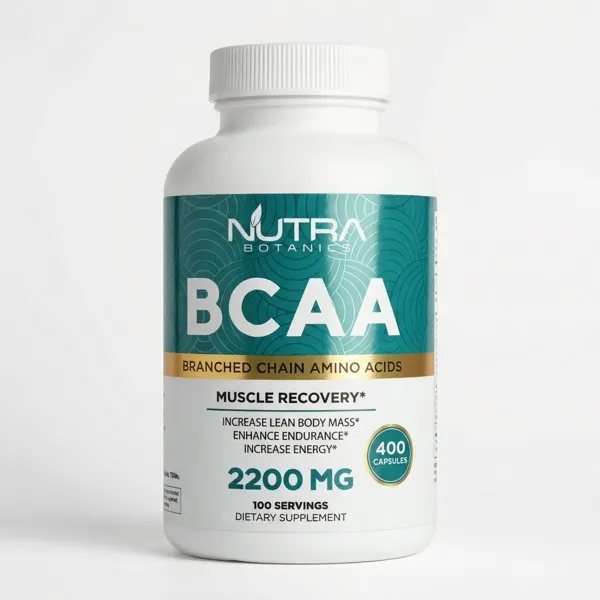
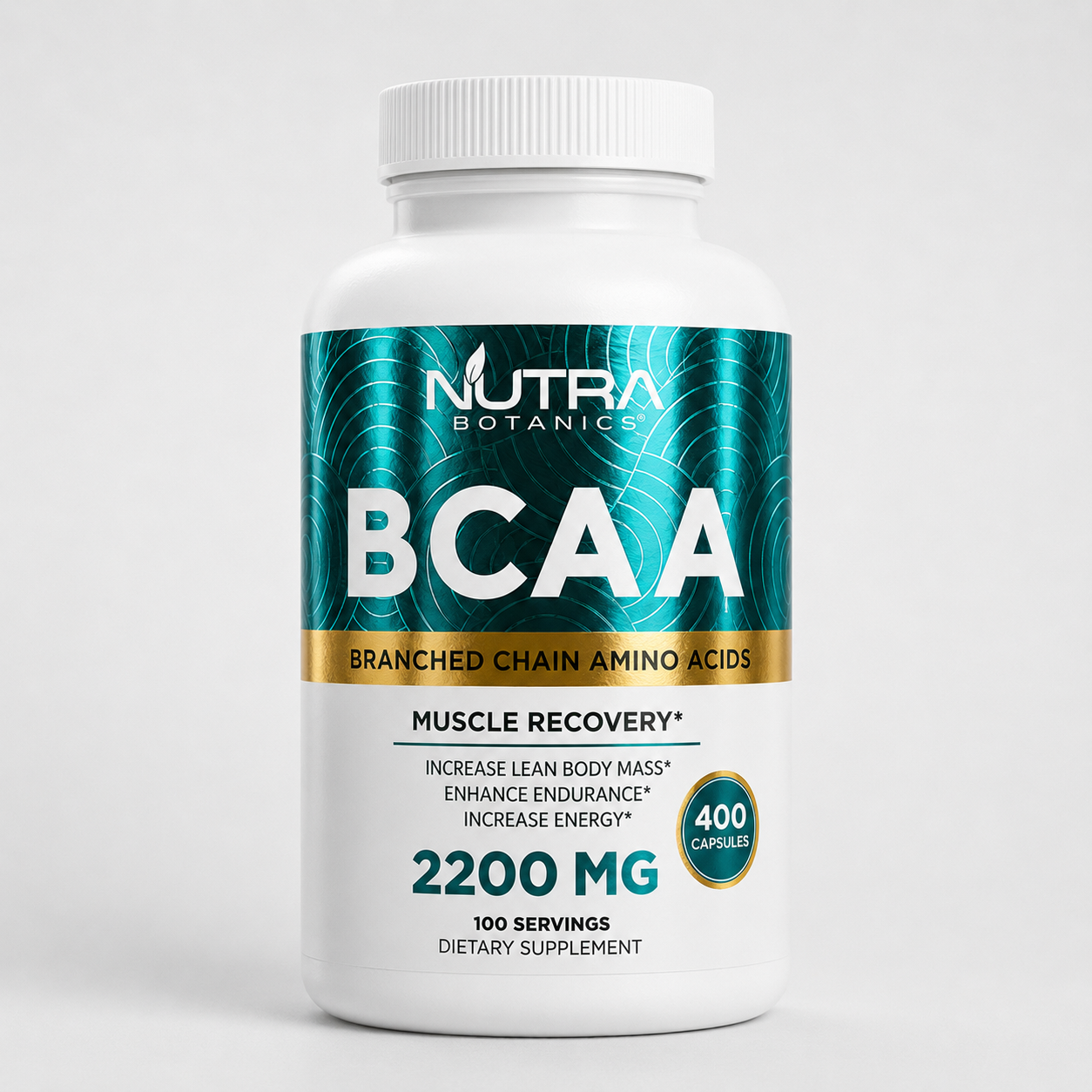
BCAA Plus
2:1:1 ratio · 30 servings
- 5g BCAAs per serving (leucine, isoleucine, valine)
- Clinically studied 2:1:1 ratio for muscle protein synthesis
- Supports endurance, recovery, and lean mass preservation
- GMP & NSF certified · PhD-supervised testing
$29.95Free shipping over $75
Shop BCAA Plus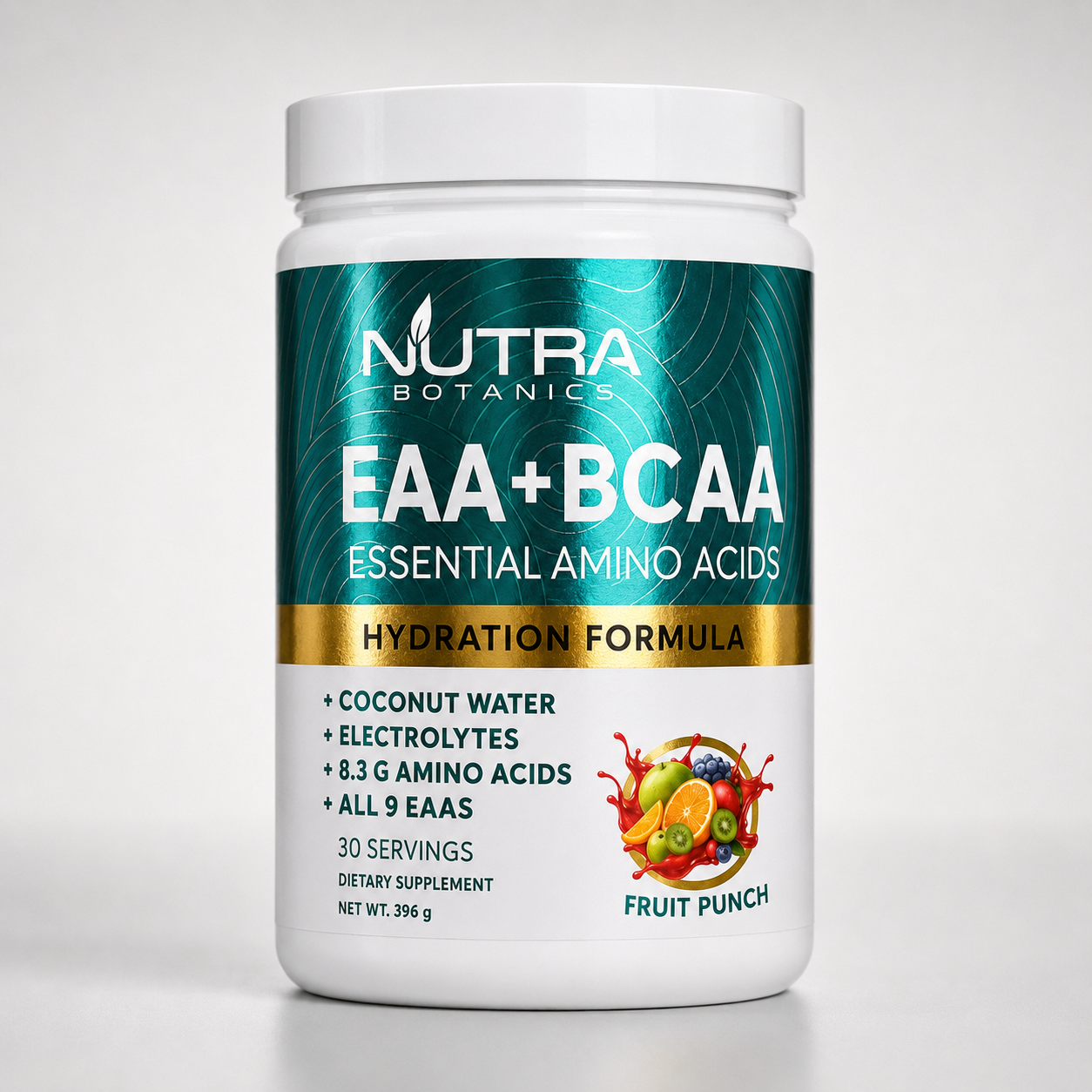
EAA Complex
All 9 essentials · 30 servings
- Complete essential amino acid profile (all 9 EAAs)
- Stronger MPS response vs. BCAAs alone in research
- Ideal for serious lifters, athletes, and fasted training
- GMP & NSF certified · PhD-supervised testing
$34.95Free shipping over $75
Shop EAA Complex