
Get research-backed answers about bcaas for women: benefits & dosage guide. This guide addresses the most common questions based on current evidence.
Key Takeaways
- Women generally have lower BCAA blood concentrations than men, which may make targeted supplementation particularly useful around training
- 5–10g pre-workout supports muscle protein synthesis, endurance, and reduced post-workout soreness
- The 2:1:1 leucine:isoleucine:valine ratio is the most extensively researched formulation
- BCAAs are most valuable during caloric deficits, fasted training, or high-volume resistance work
- Adequate daily protein (1.6–2.2g per kg bodyweight) remains the foundation — BCAAs are an accent
Related reading: BCAA Benefits, BCAA Dosage, Best Time to Take BCAAs, EAA vs BCAA.
Do Women Actually Need BCAAs?
Most BCAA research has been conducted in male subjects, which has led to the mistaken assumption that BCAAs are a "men's supplement." The evidence available on female athletes tells a more nuanced story. Women generally have lower plasma BCAA concentrations than men, and research suggests that women rely on amino acid oxidation slightly more during endurance exercise. The mechanisms that make BCAAs useful — muscle protein synthesis activation, central fatigue reduction, lean mass preservation — apply to women just as directly as to men.
That said, "need" is the wrong framing for any supplement. If daily protein intake is solid and training volume is moderate, BCAAs offer a small marginal benefit. The question is whether your specific training context makes BCAAs worth adding. For women cutting for physique goals, training fasted, lifting in high-volume blocks, or training during phases of the menstrual cycle where recovery is compromised, the evidence supports their use.
Hormonal and Metabolic Differences That Matter
Women's physiology differs from men's in ways that affect how supplementation interacts with training. Estrogen has a protective effect on muscle during exercise-induced damage — which is partly why women generally experience less DOMS than men at equivalent training volumes, but also means the window where BCAAs meaningfully reduce soreness is narrower in fed, normal-training contexts.
A 2019 review by Wackerhage and colleagues in Journal of Applied Physiology highlighted that women's muscle protein synthesis response is slightly less sensitive to leucine in the fed state, meaning the leucine threshold may sit at or slightly above the 2.5–3g benchmark established in mixed populations. A 10g dose of 2:1:1 BCAAs (delivering 5g leucine) provides a comfortable margin over this threshold for most women.
Body composition matters too. Women with higher lean-mass-to-body-fat ratios (athletes, dedicated lifters) tend to benefit more from targeted BCAA dosing than recreational exercisers with lower training volumes.
Dosage for Active Women
For active women, 5–10g of BCAAs with a 2:1:1 ratio is the research-supported range — the same window used across mixed-population studies. Splitting 10g into 5g pre-workout and 5g during the session is appropriate for workouts over 60 minutes. For shorter fed sessions, a single 5g pre-workout dose is sufficient.
Higher total daily intake (15–20g split across 2–3 servings) can be useful during cutting phases, high-volume training blocks, or for women training multiple times per day. For most women training 3–5 days per week at moderate volume, 5–10g on training days — and nothing on rest days — covers the evidence-backed benefit.
BCAAs During Caloric Deficits and Body Composition Goals
Caloric deficits are where BCAAs offer the most targeted benefit for women pursuing body composition goals. During a deficit, muscle protein breakdown increases as the body seeks amino acids for energy and gluconeogenesis. A well-timed BCAA dose raises plasma BCAA concentrations enough to blunt this breakdown, particularly during fasted or pre-breakfast training.
Shimomura and colleagues (2010, International Journal of Sport Nutrition and Exercise Metabolism) found that 5g of BCAAs pre-exercise reduced muscle soreness and lowered markers of muscle damage in a mostly female subject group. The practical takeaway: for women in a cutting phase, 10g of BCAAs split between pre-workout and intra-workout protects lean mass during the session's catabolic window.
For women not in a deficit, BCAAs still offer pre-workout and intra-workout benefits, but the marginal impact is smaller. The deficit scenario is where the investment most clearly pays off.
BCAAs Around Menstrual Cycles and Perimenopause
The menstrual cycle affects muscle recovery and energy demands. The luteal phase (the two weeks before menstruation) is associated with slightly higher baseline cortisol, increased amino acid oxidation during exercise, and greater feelings of fatigue. Women often notice that training feels harder and recovery takes longer during this phase.
While no trials have directly tested BCAA timing across cycle phases, the underlying mechanisms suggest that pre-workout and intra-workout BCAAs may be particularly useful during the luteal phase. Similarly, perimenopause — with its shifts in estrogen, increased cortisol sensitivity, and reduced recovery capacity — is a context where BCAAs can support training consistency alongside adequate protein and strength work.
This is an area where the evidence is largely mechanistic rather than directly tested in women-specific trials. The supporting logic is solid; the direct evidence is still developing.
Where BCAAs Fit in a Complete Supplement Stack
For active women, the evidence-backed foundation is complete protein (1.6–2.2g per kg bodyweight daily), creatine monohydrate (3–5g daily), and vitamin D and omega-3s as deficiency-corrective. BCAAs sit one tier below these — they are a targeted accent for training days, cutting phases, and long sessions.
If daily protein is already solid and training demands are moderate, BCAAs are optional. If daily protein is difficult to hit (which is common in women below 55kg) or training volume is high, BCAAs fill a specific gap with good evidence behind them.
The honest framing: BCAAs are not a must-have for every active woman, but they are a legitimate, research-supported tool for specific scenarios. The question is whether your training context creates one of those scenarios.
Frequently Asked Questions
Are BCAAs safe for women?
Will BCAAs make me bulky?
Can women take BCAAs while dieting?
Can I take BCAAs while pregnant or breastfeeding?
When should women take BCAAs?
Do BCAAs help with hormonal fluctuations and energy?
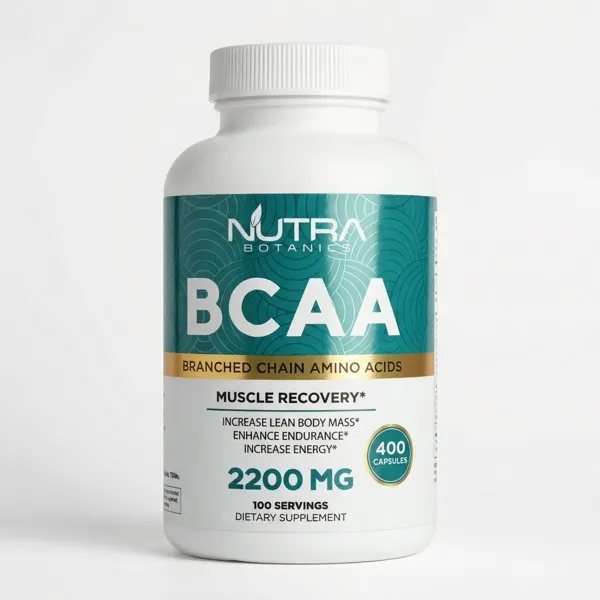
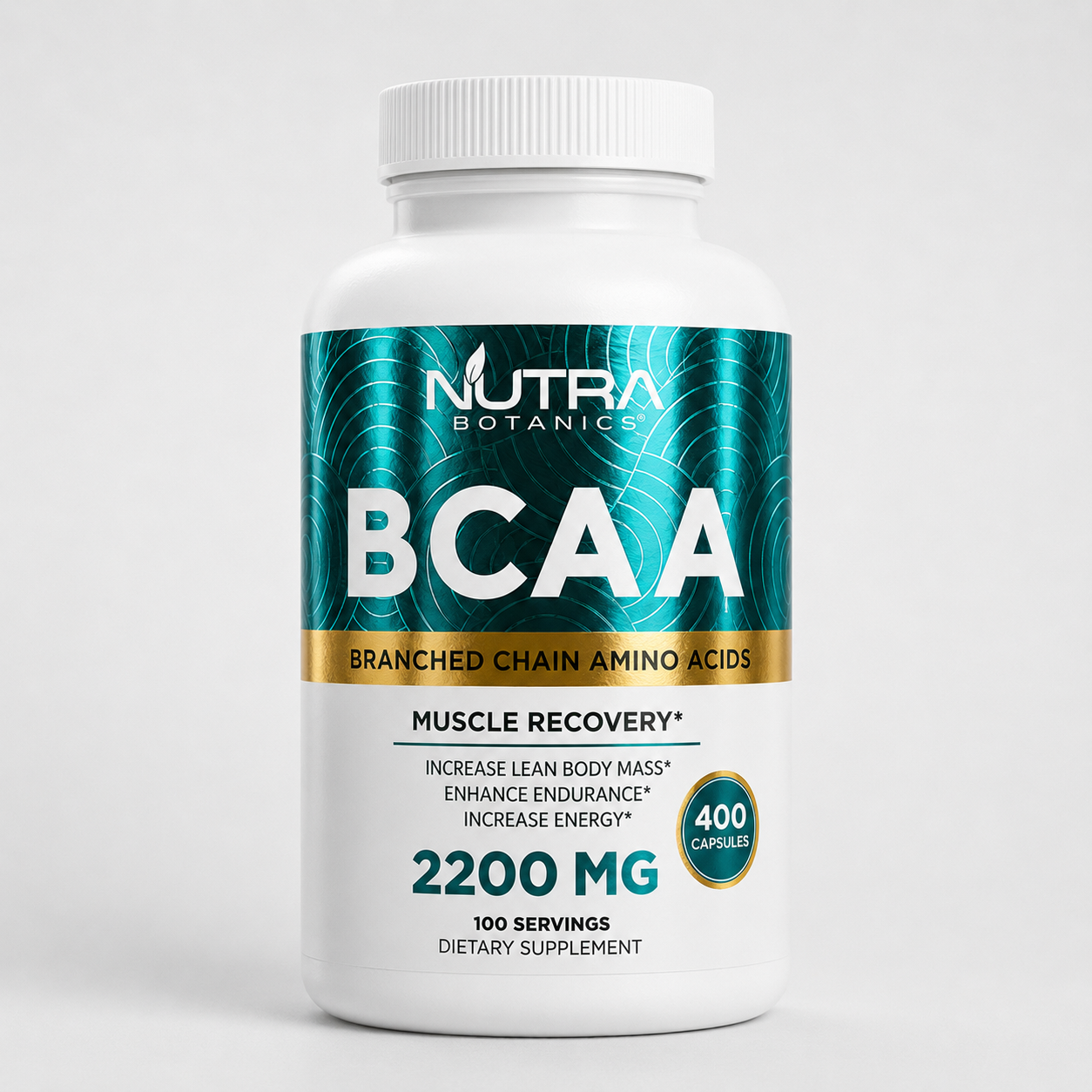
BCAA Plus
2:1:1 ratio · 30 servings
- 5g BCAAs per serving (leucine, isoleucine, valine)
- Clinically studied 2:1:1 ratio for muscle protein synthesis
- Supports endurance, recovery, and lean mass preservation
- GMP & NSF certified · PhD-supervised testing
$29.95Free shipping over $75
Shop BCAA Plus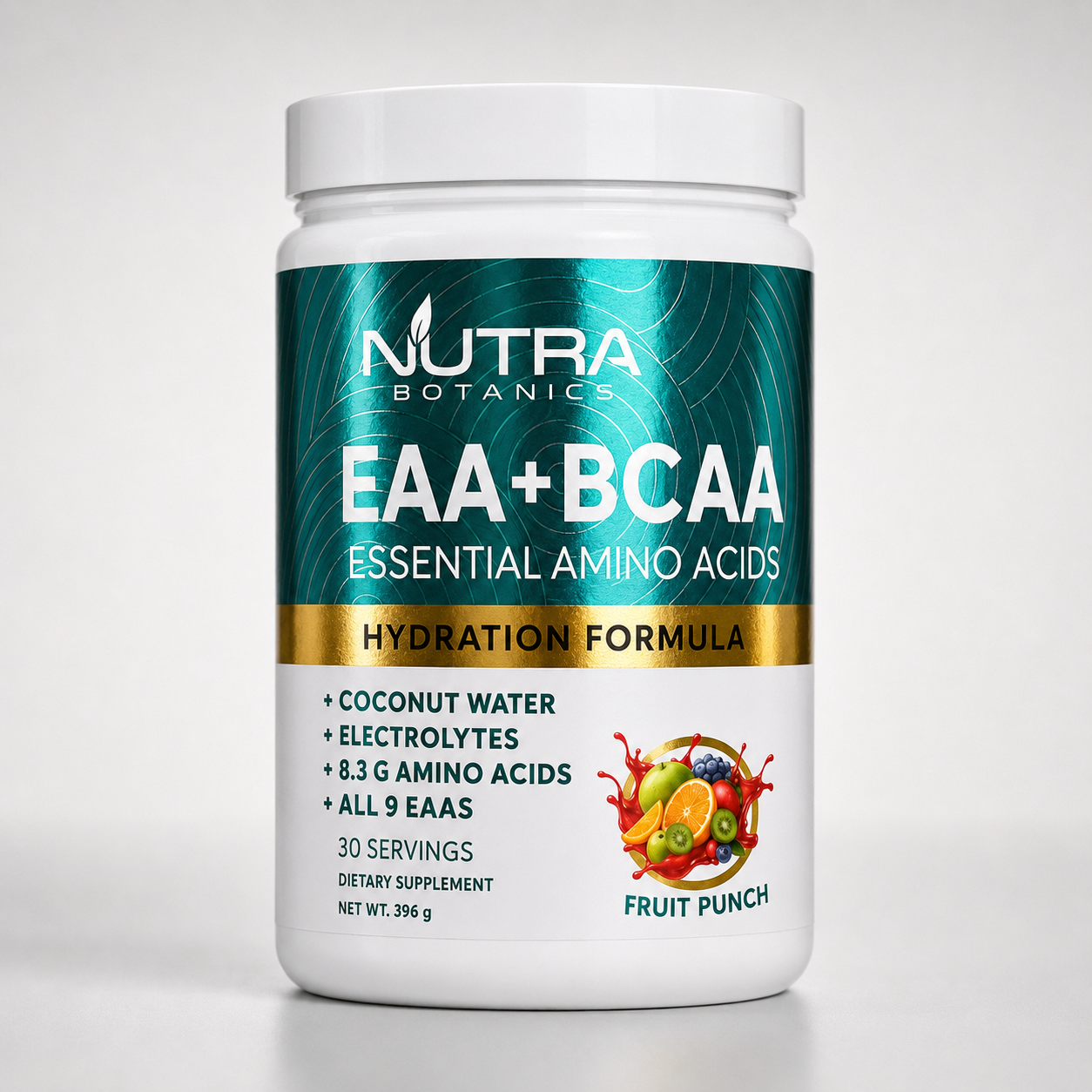
EAA Complex
All 9 essentials · 30 servings
- Complete essential amino acid profile (all 9 EAAs)
- Stronger MPS response vs. BCAAs alone in research
- Ideal for serious lifters, athletes, and fasted training
- GMP & NSF certified · PhD-supervised testing
$34.95Free shipping over $75
Shop EAA Complex