
Yes, creatine can increase scale weight, especially through added body water. That increase does not automatically mean you gained fat, and it does not prove that every extra pound is new muscle. The useful question is what changed, over what period, and how your training is progressing.
Read the scale alongside your routine.
- Early change: added body water can contribute when you start supplementing.
- Training change: lean-mass measurements can improve with resistance training, but include more than muscle alone.
- Fat change: a higher scale reading is not a body-fat measurement. Creatine is not a stand-alone fat-loss plan.
Related reading: Creatine for Women, Creatine for Beginners, How to Take Creatine, When to Take Creatine.
Why can weight rise after starting creatine?
Creatine supports the rapid energy supply used during repeated, intense efforts. As muscle creatine stores increase, body water can also change. NIH’s exercise fact sheet identifies water-related weight gain as a common effect and describes 1 to 2 kg, about 2 to 4 lb, in a month in some strength-training studies. That is study context, not your personal forecast.
The amount and timing vary. Starting a loading protocol can raise muscle stores faster than a gradual approach, but neither sets a guaranteed scale change. Do not add a loading phase just to copy a study. Follow the actual container’s directions and track your own response.
Where does the extra water go?
Water inside cells is called intracellular water. Water outside cells is extracellular water. Both are normal parts of the body. Describing all creatine-related water as “inside muscle” makes the evidence sound more definite than it is.
In a 2003 trial with sixteen men and sixteen women who trained with weights, creatine increased muscle creatine, body mass and total body water over a loading and maintenance protocol. The researchers did not find a changed distribution between water compartments. This does not establish a fixed percentage of water versus new muscle for everyone.
It also does not tell you how your face or stomach must look. Abdominal fullness, diarrhea and visible swelling are different from a water-related change on the scale. Persistent or unusual symptoms deserve individual advice rather than an automatic “that is just creatine” explanation.
Track progress without guessing from one weigh-in.
A scale measures total weight. It cannot separate water, muscle and fat. A fuller-looking muscle, a single photo or one high reading does not establish which tissue changed.
- Keep weigh-ins comparable. Use the same scale and similar conditions. Look at the trend rather than comparing an isolated reading with a different time of day.
- Record what changed. Note when you started, the serving on your label, training changes and other supplements or foods added to your routine.
- Use more than body weight. Review workout performance and consistent measurements alongside the scale. Each adds context; none guarantees a particular body-composition result.
If the number rises soon after starting, added water is one plausible contributor. If it keeps changing, review the whole routine. Do not dismiss unexplained swelling or ongoing digestive symptoms because an article says weight gain is harmless.
Water, lean mass and fat are different measurements.
“Lean mass” means the measured mass outside body fat. It includes water and other tissue, not just newly built muscle. This matters when a study reports a lean-mass increase: that number cannot be relabeled as pure muscle growth.
| What changed? | Research finding | For your routine |
|---|---|---|
| Body water | The 32-person water trial found increased total body water and weight, without a changed fluid distribution. | An early scale increase does not identify a new-muscle or fat percentage. |
| Lean mass with training | A 2024 review of twelve studies in adults under 50 found an average 1.14 kg more lean mass with creatine plus resistance training than training alone. | That pooled average includes the measured lean compartment. It is not a promised amount of new muscle or a personal deadline. |
| Body-fat percentage | A 2023 review of twelve trials found a small reduction in percentage, without a significant reduction in fat kilograms. | A percentage can change when the rest of body weight changes. Percentage and fat weight are not interchangeable. |
The 2024 review also found a small average reduction in fat mass, unlike the 2023 analysis. Reviews differ in included studies and methods. Neither result shows that creatine directly burns fat or that your body fat must fall. Training, food intake and the measurement method still matter.
For a broader explanation, read what creatine studies show about strength and body composition. For nutrient roles, see how creatine differs from protein.
Does the scale change fit your goal?
If your goal is stronger training, judge progress using your workout and overall routine, not scale weight alone. An early increase does not automatically mean the plan failed. It also does not prove the supplement is working better for you.
If you are trying to lose fat, creatine does not replace an appropriate eating and activity plan. A water-related increase can make scale progress harder to interpret. Avoid treating every stalled weigh-in as either fat gain or hidden fat loss.
If you compete at a weight limit, even a modest change can matter. Discuss supplement timing and competition requirements with your coach or a qualified sports professional. A blanket “everyone should ignore the extra weight” is not useful advice.
For goal-specific questions, see creatine for women or a beginner’s guide to creatine. Your suitability still depends on the label, health context and routine.
What changes when you stop taking it?
Muscle creatine stores can decline after supplementation stops. In Hultman’s 1996 study of thirty-one men, stores returned toward the starting level over about thirty days in the group that did not continue maintenance. The same research found that a lower daily amount raised stores more gradually than loading.
Those are muscle-creatine findings, not proof that every person loses a set number of pounds in one or two weeks. Body water may change as stores decline. Muscle gained through training is also a different outcome; its maintenance depends on the continuing training and nutrition context, rather than a guaranteed permanent effect from a supplement.
Choose with a clear label, then track your routine.
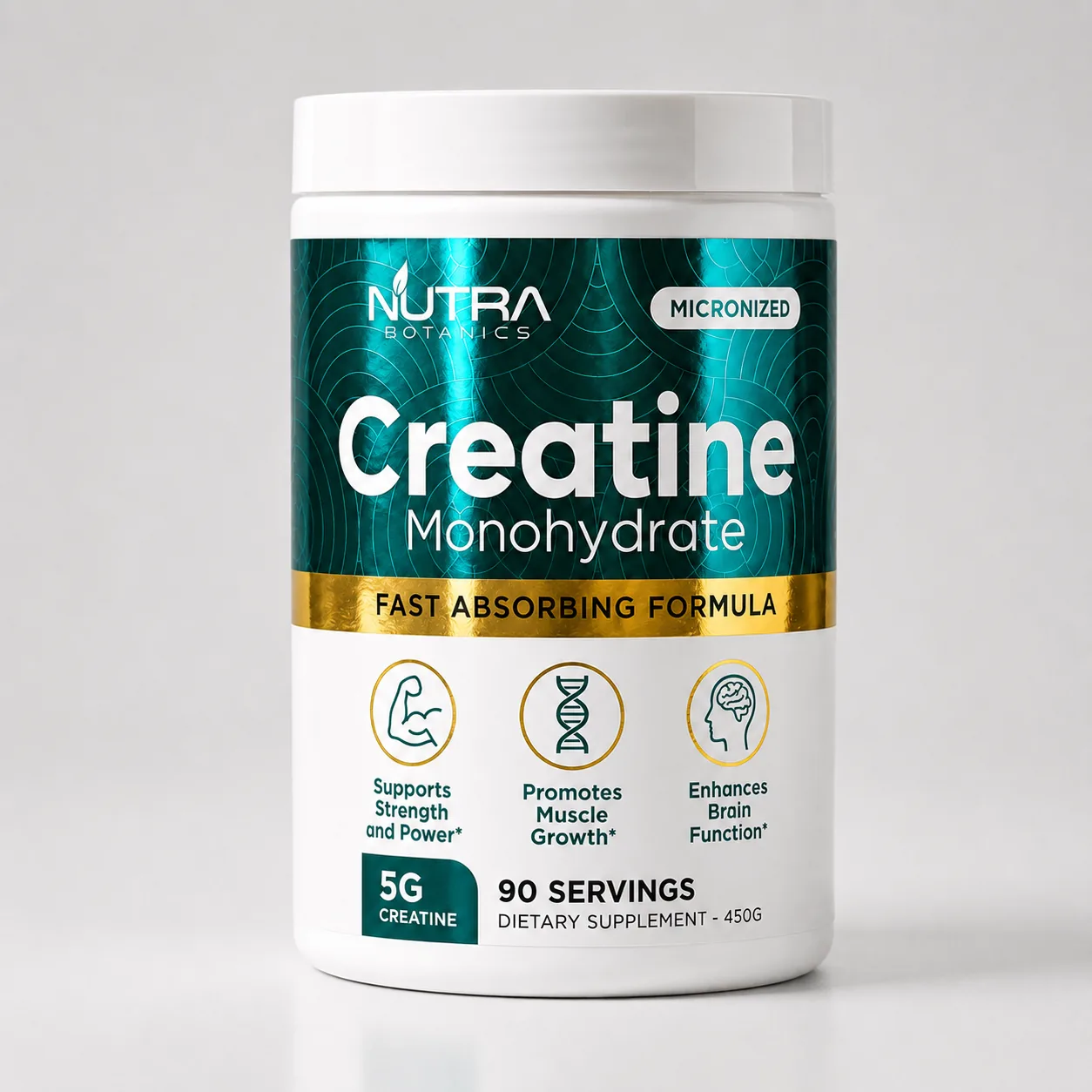
For a straightforward option, compare the listed form, serving, added ingredients and current price. “Micronized” describes smaller particles, not an assurance of less water weight. A claim about a different creatine form is not proof it avoids weight change.
Current Nutra Botanics creatine label check
- Form: micronized creatine monohydrate.
- Labeled serving: one scoop, 5 g.
- Container: 450 g, 90 labeled servings.
- Other ingredients: none listed; unflavored.
- One-time value: $29.99, about $0.33 per labeled serving before tax and shipping.
Checked October 12, 2026. Prices can change. These are label and value facts, not a promise of a particular weight or muscle result.
Inspect the creatine label and current priceFor a form comparison, read monohydrate versus HCl: evidence, mixing and value. For routine questions, use how to take creatine and when to take creatine, alongside your actual label.
Explore more creatine questions



Evidence and personal suitability
This guide separates water, lean mass and fat measurements. The cited studies use different participants, protocols and assessment methods. They do not establish a universal weight-change timeline or test this finished product. Follow the current container’s directions and warnings. Seek qualified advice before use if you have a health condition, take medication, or are pregnant or breastfeeding.
Questions about creatine and the scale
How much weight will I gain in the first week on creatine?
Will the weight gain from creatine go away?
Will creatine make me look bloated or puffy?
Is the weight gain from creatine permanent?
Does creatine cause fat gain?
Can I take creatine while cutting or trying to lose fat?