Meet your protein needs first. Consider creatine for the short, hard efforts in your training. Protein provides muscle-building materials; creatine supports rapid energy availability. You may use both, but you do not automatically need two supplements.
Choose the job before the supplement
- Check your meals: protein from food counts toward your daily intake.
- Check your training: creatine fits a different purpose from filling a protein gap.
- Check the label and value: compare actual servings, ingredients and suitability.
Related reading: Creatine for Women, Creatine for Beginners and When to Take Creatine.
Protein gives muscles the materials to rebuild
Your body breaks dietary protein into amino acids. It uses these building blocks to make and repair proteins, including those in muscle. Training and adequate nutrition work together. Whey powder is one convenient protein source, not a requirement for progress. NIH explains protein's role.
The ISSN protein position statement gives a general range of 1.4–2.0 g per kilogram of bodyweight daily for most healthy exercising people. That includes food and supplements. For a 70 kg adult, the arithmetic is 98–140 g a day. This is a worked example, not a personalized target.
More is not automatically better. A review of 49 resistance-training studies found that protein supplementation improved average muscle and strength gains, but extra protein beyond about 1.6 g/kg/day did not add further lean-mass gains overall. That average is not a precise ceiling for every person.
Creatine supports the energy for repeated hard efforts
Muscles use ATP for energy. Creatine helps them replenish it during brief, intense work, such as lifting sets and repeated sprints. Its role is different from supplying dietary protein. NIH summarizes the performance evidence.
Think about the sessions you want to support. A repeatable strength workout gives you a clearer goal than a promise to transform every part of fitness. Track the work you complete, how it feels and your consistency. No supplement replaces the training itself. The ISSN creatine review supports its role in high-intensity exercise; it does not establish a result for every user.
Creatine cannot fill a protein gap
A scoop of creatine does not count as a serving of protein. If meals regularly fall short of your needs, address that gap through food or a suitable protein supplement. Compare the protein grams on the food or powder label with the gap you actually need to fill.
With a limited budget, start there. Buying creatine because it costs less per scoop does not solve a shortage of dietary protein. Compare what each purchase helps you do, rather than the number of grams in its container.
A protein shake does not perform creatine's job
Protein and creatine are not interchangeable supplements. Protein powder supplies amino acids; a creatine supplement supplies creatine. Meat and fish contain some creatine, and your body also makes it. A high-protein diet is not the same thing as a measured creatine serving. NIH explains food and creatine sources.
If your meals already meet your protein needs, another shake may simply add convenience. Whether to add creatine depends on your training goal, suitability and the routine you are willing to keep.
Match the purchase to your current routine
| Your situation | What to prioritize | Before you buy |
|---|---|---|
| Meals leave a protein gap | Protein-rich food, or a suitable protein powder for convenience. | Count food and powder together. Check protein grams and allergens. |
| Protein needs are met | Consider creatine for repeated short, intense training. | Check the ingredient, directions and whether that goal fits your sessions. |
| You eat a plant-based diet | Plan adequate protein. Assess creatine separately. | A plant-based diet alone does not mean you must buy both supplements. |
| Budget is limited | Cover nutrition needs before adding an optional training supplement. | Compare the real serving cost and the job each purchase performs. |
Age or a fixed number such as 150 g of protein does not settle the choice for everyone. Body size, food intake, training and health matter. Avoid an automatic “both” recommendation based only on age or diet.
Keep a combined routine straightforward
You can use a protein shake to fill a food gap and add creatine if it suits your training. Mixing them is a convenience, not proof that you will build twice as much muscle. A particular combination's result cannot be predicted from two separate research summaries.
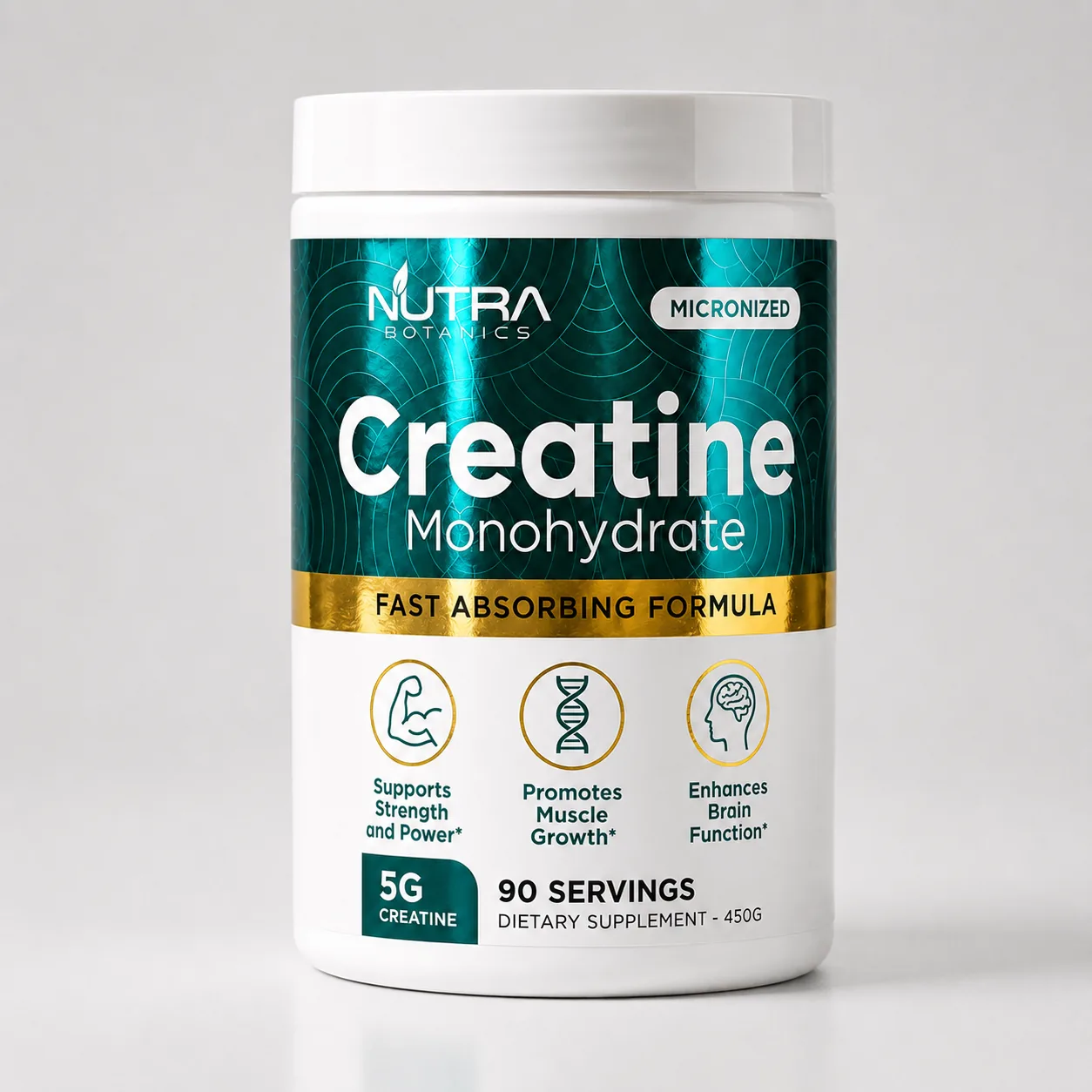
The current Nutra Botanics Creatine label lists one 5 g scoop of micronized creatine monohydrate daily, mixed with water or your preferred drink. The unflavored 450 g tub contains 90 servings. Check your shake's instructions too, and do not add extra creatine if another supplement already contains it.
Compare actual serving value
At the current $29.99 one-time price, 90 labeled servings cost about $0.33 per serving before tax and shipping. The $26.99 subscription price is about $0.30 per serving. These are current Nutra Botanics price calculations, not a market-wide daily cost. Check the current price and subscription terms.
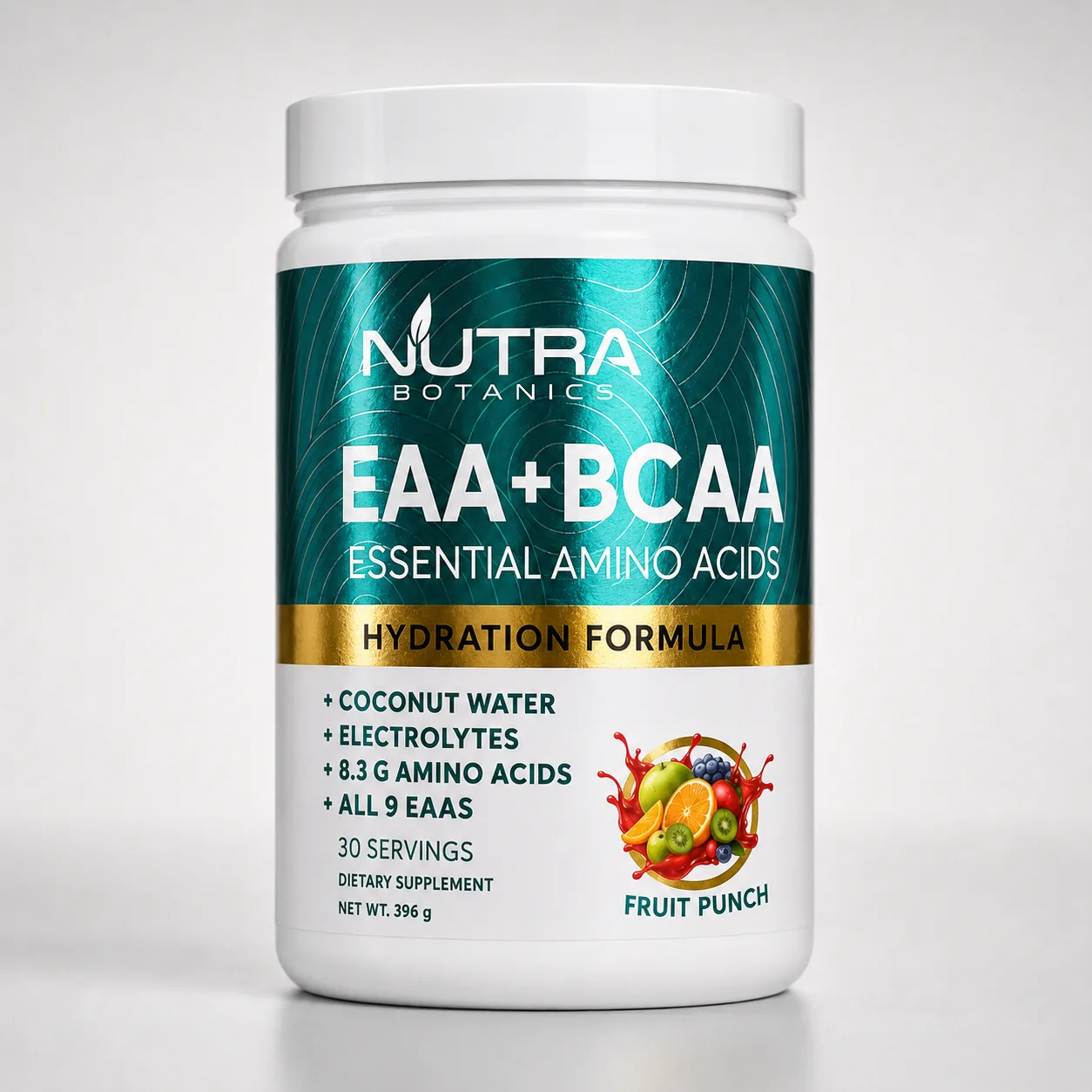
Choose a routine you can repeat. See the creatine starter guide for label-based daily use and the timing guide for practical scheduling. If you are also comparing amino acids, read EAAs vs. BCAAs. For common misconceptions, visit Creatine Myths and Facts.
Check suitability as well as convenience
This comparison discusses ingredient research, not a trial of the finished Nutra Botanics product. An improvement in average study results does not guarantee your outcome. Creatine can increase bodyweight through changes in body water; see Creatine and Weight Gain for context.
Read the full label, warnings and allergens. Ask a clinician before use if you are pregnant, nursing, taking medication or managing a medical condition, including kidney disease. NIH's consumer guide explains further safety checks.
Frequently Asked Questions
Should I take creatine or protein first if I can only afford one?
Does creatine count toward your daily protein intake?
Can I mix creatine with my protein shake?
Is creatine or whey protein better for building muscle?
Do natural athletes who don't use steroids need creatine?
Is creatine better than BCAAs?