No, a creatine loading phase is not required to raise muscle creatine stores. Loading can raise them faster. A lower daily approach can build them more gradually. The decision is about your schedule, comfort and actual product directions, rather than a promise of faster muscle growth.
A faster start, or a simpler routine?
- Loading: a concentrated starting phase used in research to increase muscle stores quickly.
- Gradual use: an alternative that avoids a separate high-amount starting phase.
- Your choice: compare the practical trade-offs, then follow your container's directions.
Related reading: Creatine for Women, Creatine for Beginners, How to Take Creatine, When to Take Creatine.
Loading changes how quickly muscle stores rise.
Creatine helps replenish the immediate energy supply used during repeated, intense efforts. Supplementing can increase the creatine stored in muscle. “Loading” means using a higher starting amount before moving to a lower ongoing amount.
NIH’s exercise fact sheet describes both loading and gradual protocols. It also emphasizes that responses vary. Building stores and noticing a training benefit are separate questions.
Think of this as choosing how to start a routine. A quick change in scale weight is not a test of whether you loaded correctly. Nor does a quiet first week prove that a gradual approach has failed.
Compare the approaches without a personal countdown.
In Hultman’s 1996 study of thirty-one men, 20 g per day for six days increased muscle creatine by about 20%. A 3 g daily protocol produced a similar, more gradual increase over twenty-eight days. Those are observed research protocols, not instructions for your tub or a guaranteed “fully saturated” date.
| What to compare | Loading in research | Gradual approach |
|---|---|---|
| Muscle-store change | The Hultman study measured an increase after six days at 20 g daily. | It measured a similar increase over twenty-eight days at 3 g daily. |
| Routine setup | A higher starting phase followed by a lower ongoing amount. Check both parts before deciding. | No separate higher starting phase. Keep the actual label and a consistent routine in view. |
| What to track | Record the starting phase, comfort, scale trend and training. A quick scale change does not identify new muscle. | Record the same measures over time. A single early workout or weigh-in cannot judge the whole approach. |
| Serving value | Higher daily amounts use more labeled servings. Compare the total routine, not just the number on the tub. | The container’s serving count applies to its listed serving size. Check that size when comparing value. |
A muscle-store measurement also cannot promise an extra rep next week. A small 1999 trial with fourteen participants found increased muscle creatine after loading, but no supplement-specific improvement in its maximal cycling test. This does not erase the broader training research. It shows why a store increase and a workout result need separate measurements.
Comfort matters as much as the schedule.
The amount taken at once can matter. In a 2008 trial with fifty-nine male soccer players, participants took 10 g daily as one portion, as two 5 g portions, or received placebo for twenty-eight days. Diarrhea was reported more often with the single 10 g portion than with the split portions or placebo.
This trial compared portion sizes at the same daily amount. It did not test a 20 g loading phase against a 3 g gradual routine, and it does not guarantee that splitting any amount prevents symptoms. Follow the label. Seek individual advice for persistent or unusual symptoms rather than pushing through a recipe from an article.
Water-related weight changes are another consideration. A 2003 trial in thirty-two resistance-trained adults found increased weight and total body water during a loading and maintenance protocol, without a changed fluid distribution. It does not establish a fixed pound gain or show that every added pound sits inside muscle.
For a practical explanation, see creatine, body water and how to track the scale. Weight gain, abdominal fullness and unusual swelling are different issues.
Make the choice fit your training and timeline.
A faster rise in stores may interest someone preparing for a specific training period. That is a reason to discuss timing, not a guarantee of a better competition result. If you compete at a weight limit, even a modest scale change may affect your plans.
A gradual approach may fit someone who values a simpler starting routine. Your decision should reflect the label, health context and comfort. Age or sex alone does not decide which approach suits you.
Ask two useful questions: “Do I have a real reason to change my starting schedule?” and “Can I follow the actual directions comfortably?” Training, food and recovery remain part of the plan whichever start you consider.
Keep a gradual routine easy to follow.
You can consider creatine without adding a higher starting phase. Read the label for the serving, mixing directions and warnings. Choose a repeatable place in your routine, and note other products that also contain creatine so you understand what you are using.
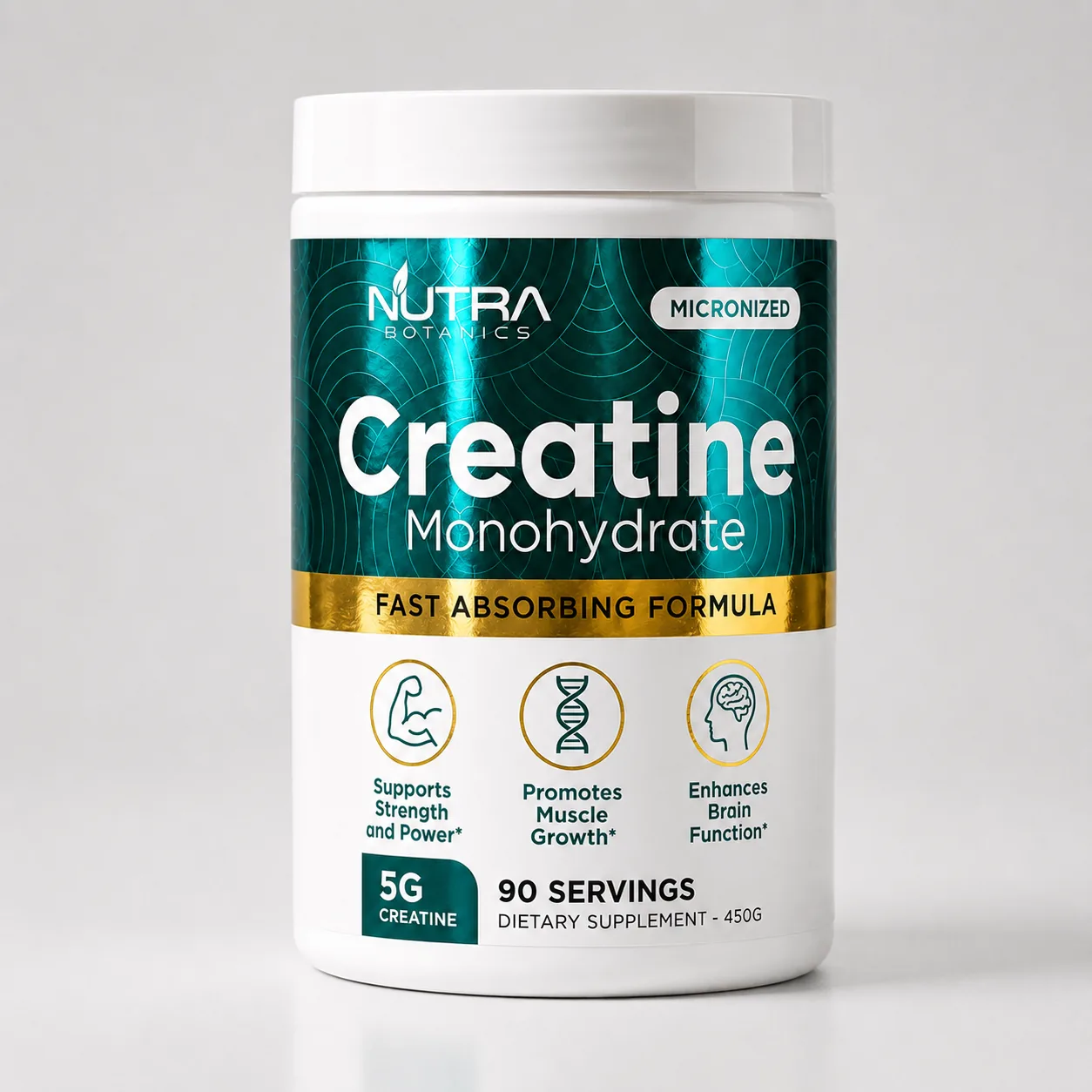
A research protocol does not authorize increasing your serving. For the current Nutra Botanics product, the listed serving is one scoop, 5 g. Its directions say not to add a loading phase or increase the serving without qualified guidance.
Use the creatine routine guide for related questions and the timing guide for scheduling context. Keep your own container as the source for product directions.
Track the first month without chasing weekly promises.
Rather than expecting a specific change in each week, make your records comparable. This gives you a more useful picture of the routine.
- Keep the starting point. Note when you began, the listed serving and your usual training.
- Track comparable workouts. Record repetitions, resistance and rest periods. One unusually good or poor session is not the whole trend.
- Give the scale context. Use similar weigh-in conditions, and note comfort or other routine changes. The scale cannot separate water, muscle and fat.
No chart can tell you that week two must deliver extra repetitions or week four must reveal your full result. Use your records to ask better questions about progress, rather than raising the serving to meet a calendar.
A clear formula makes the buying decision simpler.
Compare the form, listed serving and container value before choosing. Nutra Botanics Creatine Monohydrate keeps that check straightforward: one ingredient, an unflavored powder and a clearly listed serving.
Current Nutra Botanics label and value
- Form: micronized creatine monohydrate.
- Listed serving: one scoop, 5 g.
- Container: 450 g, 90 labeled servings.
- Other ingredients: none listed; unflavored.
- One-time price: $29.99, about $0.33 per labeled serving before tax and shipping.
Checked October 12, 2026. Prices can change. Ninety servings refers to the listed 5 g serving, not ninety days of any research loading protocol.
Inspect the creatine label and current priceFor a form comparison, read monohydrate versus HCl: evidence, mixing and value. For the wider research picture, see what creatine studies show about training outcomes.
Evidence and personal suitability
The linked trials studied particular participants and protocols, not this finished product. NIH describes safety evidence in healthy adults, but that does not establish suitability for every person or amount. Follow the current container’s warnings. Seek qualified advice before use if you have a health condition, take medication, or are pregnant or breastfeeding.
Questions about starting creatine
Is a creatine loading phase necessary?
What is the difference between loading and maintenance dosing?
How long should a creatine loading phase last?
What side effects can happen during loading?
Can I skip the loading phase entirely?
Is there a middle-ground loading protocol?