
Creatine may fit the hard-effort and strength parts of an endurance routine. That does not mean it will make every long run, ride or swim faster. Start with the sessions you want to support, then weigh that goal against changes in bodyweight and how you feel.
Three checks before you choose
- Your sessions: distinguish steady distance from repeated sprints and gym work.
- Your priorities: track training quality, bodyweight and comfort together.
- Your label: check the ingredient, serving and directions before adding it to your routine.
Related reading: Creatine for Women, Creatine for Beginners and When to Take Creatine.
Steady distance and hard efforts are different goals
Creatine helps muscles replenish ATP, the energy they use during short, intense efforts. A long endurance session relies mainly on other energy pathways. All of these systems work together; creatine is not a switch that turns endurance on or off. NIH explains its energy role.
A 2023 review of 13 trials in trained people found no clear overall endurance-performance advantage. A 2026 review of endurance and mixed-sport trials points more toward repeated hard efforts and selected sprint finishes, with results that vary by study. Neither finding supports a universal race-time promise.
Match creatine to the work in your week
| Your training | What creatine may offer | What to check |
|---|---|---|
| Long, steady sessions | A faster endurance performance is not established overall. | Keep fueling and training needs central to your plan. |
| Cycling sprints | Some trials support selected hard efforts; others find no advantage. | Compare similar sprint sessions, rather than assuming a faster whole ride. |
| Pool training | Swimming reviews reach different conclusions. | Check your own repeat times and comfort without a guaranteed result. |
| Strength work | Support for repeated high-intensity work is better established. | Judge your gym sessions separately from your endurance race time. |
Cycling: in one trained-cyclist trial, creatine groups improved the final four-kilometer sprint compared with their own baseline. Overall time-trial results did not differ significantly between groups. A short professional-cyclist trial found no consistent performance or recovery benefit. A better finish in one protocol is not proof of a faster ride for every cyclist.
Swimming: a 2024 swimming review found no clear overall improvement in sprint or repeated-interval swimming. A 2025 competitive-swimming review reported favorable creatine findings, while noting limited studies. Keep those different results in mind when judging claims.
Read the scale alongside your sessions
Creatine can increase bodyweight through changes in body water. A trial in trained men and women measured increased body mass and total body water. That does not establish the same number of pounds for everyone, or mean every change is new muscle.
For a runner or a cyclist focused on climbing, bodyweight may matter to the decision. Track it under similar conditions and compare it with your training notes. The idea that benefits always outweigh added weight is too broad. For a fuller explanation, read Creatine and Weight Gain.
Keep recovery expectations practical
Some research examines glycogen, the carbohydrate stored in muscle, and blood markers after exercise. Those measures are not the same as feeling less sore or being ready to race sooner. The 2026 endurance review found less consistent recovery results. Do not plan your next hard session around a fixed recovery percentage.
Make the comparison useful
Choose one repeatable session to track. Record the work completed, how hard it felt and any changes in comfort. Add bodyweight if it matters to your event. These notes help you make a personal decision; they do not prove that a supplement caused a change.
For triathlon, choose the session you want to support
A triathlon combines different demands. Supporting a gym session or repeated hard efforts does not establish an improvement across the swim, bike and run. Identify the part of your week you want to assess, rather than treating creatine as an all-purpose endurance upgrade.
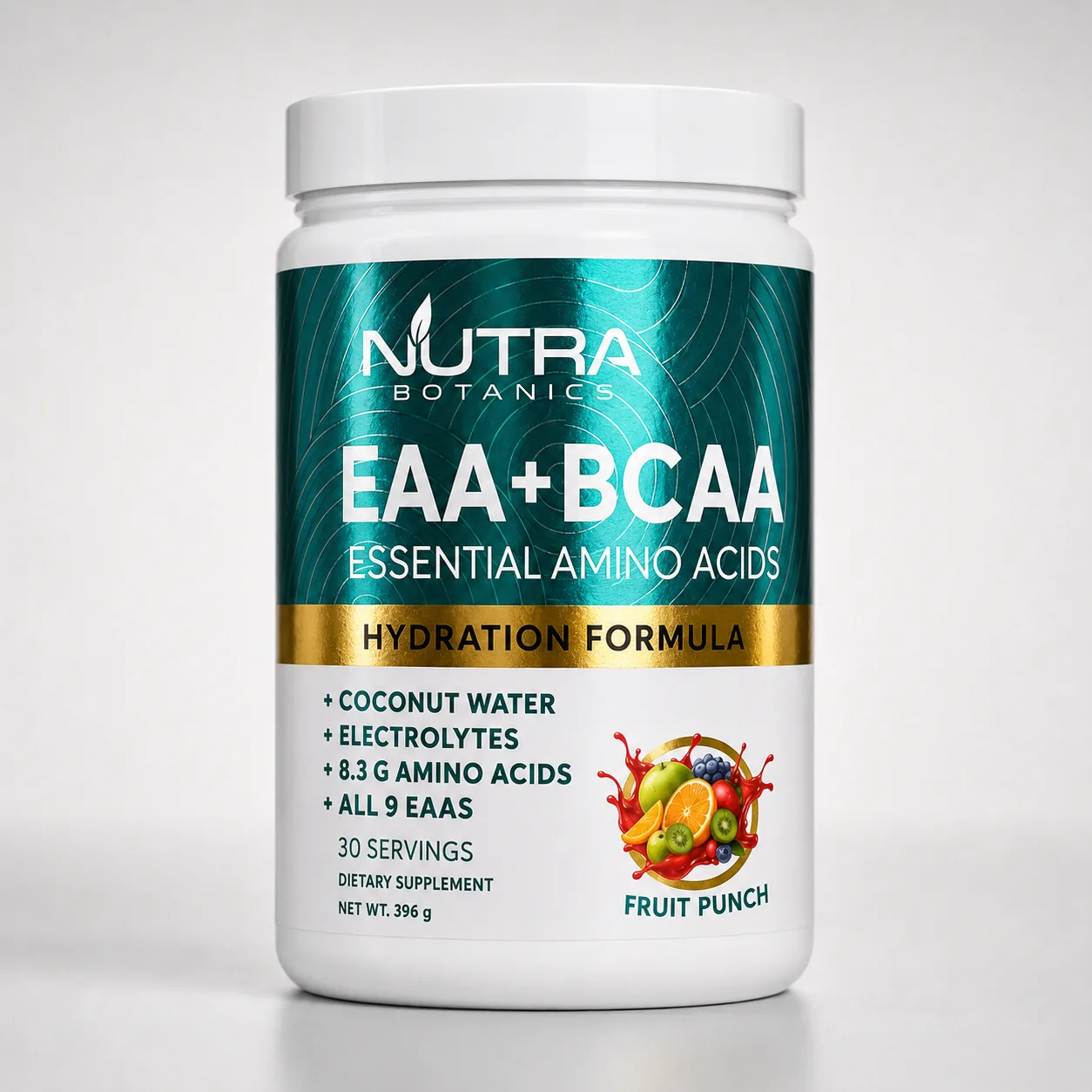
Creatine and amino acids have different jobs. Creatine supports rapid energy availability; amino acids are building blocks for proteins. If you are comparing options, read Creatine vs. Protein and inspect the EAA + BCAA ingredient details. Adding both is not automatically the right choice for every routine.
Use the current directions, not a race-week experiment
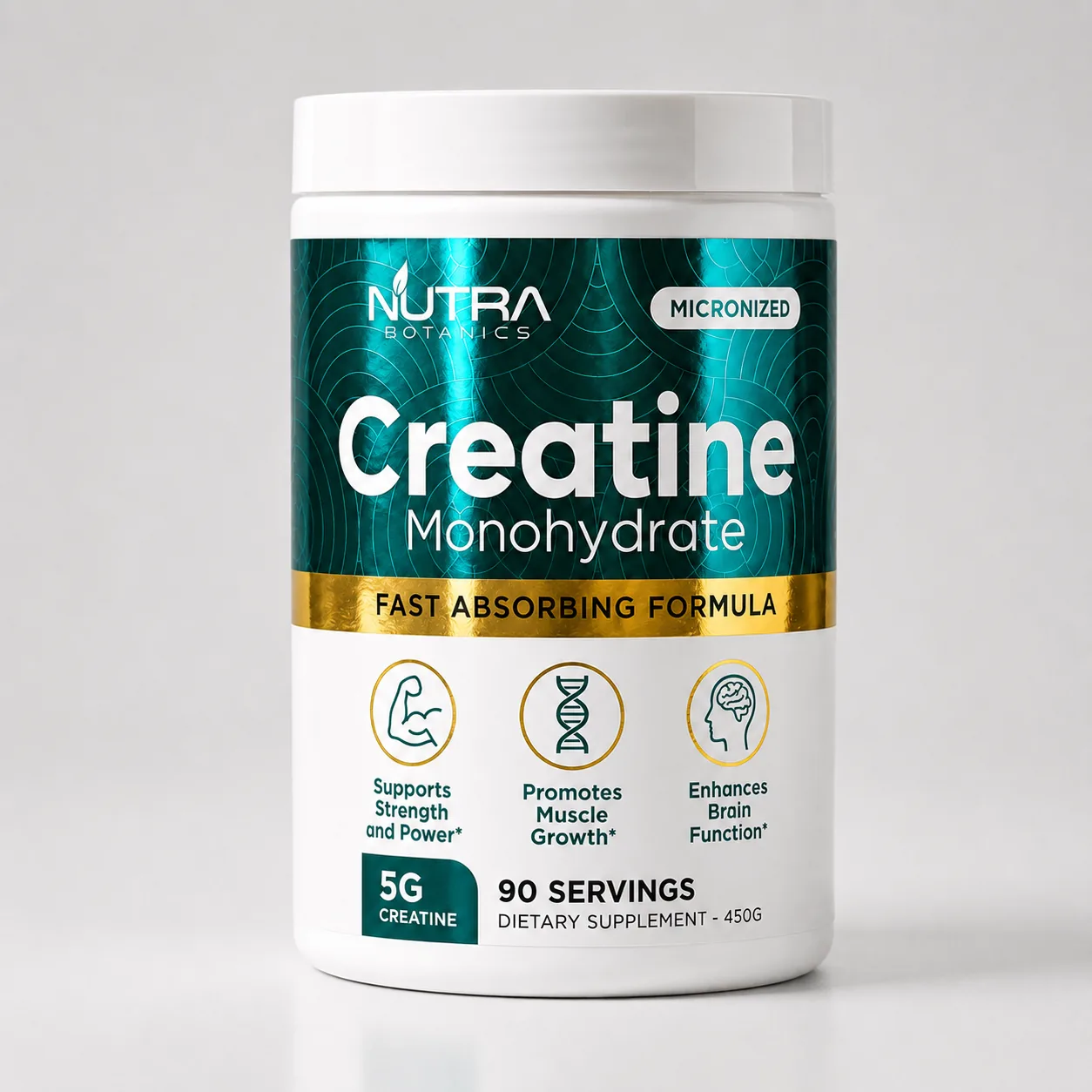
The current Nutra Botanics Creatine label lists a 5 g serving of micronized creatine monohydrate and daily use mixed with water or your preferred drink. The 450 g tub contains 90 servings and is unflavored. These details help you compare the ingredient, routine and format.
Research loading protocols are separate from those container directions. They should not be presented as a special endurance dose or a required way to start. The beginner routine explains that distinction.
Choose a normal training period to assess a new routine. Do not count on a last-minute start or a fixed stop date to improve race weight while preserving performance. Read common creatine misconceptions before relying on that kind of shortcut.
Check suitability as carefully as performance
NIH's safety summary describes reassuring creatine research in healthy adults. That is not an individual safety guarantee. Follow the full label and its warnings. Ask a clinician before use if you are pregnant, nursing, taking medication or managing a medical condition.
This guide discusses ingredient research. It does not report a trial of the finished Nutra Botanics product. If the ingredient, directions and format fit your needs, view the current Creatine formula before choosing.
Frequently Asked Questions
Does creatine help marathon runners?
Will creatine improve my VO2 max?
Will creatine slow me down as a runner because of the weight?
Is creatine useful for cyclists?
Can swimmers benefit from creatine?
When should endurance athletes take creatine relative to their training cycles?