Key Takeaways
- Protein and creatine solve different problems — protein provides raw materials for muscle repair, creatine powers the contraction itself
- Protein is foundational: 1.6–2.2g per kg bodyweight daily covers most training and aging goals
- Creatine is a targeted accent on top of adequate protein — not a substitute for it
- If budget forces a choice, protein comes first; creatine adds the most value after the protein baseline is met
- Most research-informed athletes use both — they are complementary, not competing
Related reading: Creatine for Women, Creatine for Beginners, How to Take Creatine, When to Take Creatine.
How Protein Builds Muscle
Muscle is made of protein. When you train, you create microscopic damage to muscle fibers. Recovery — the process that makes you stronger — requires assembling new muscle protein to repair and reinforce those fibers. This requires amino acids, the building blocks of protein, delivered through your diet.
Protein powder isn't magic: it's a concentrated, convenient source of amino acids. Whey protein is the most studied form — it's rich in leucine, the amino acid that most strongly activates muscle protein synthesis (MPS). Leucine essentially "flips the switch" that tells your body to start building muscle after training.
If you're not eating enough protein (target: ~0.7–1g per pound of bodyweight for active individuals), your muscle-building ceiling is lower regardless of how hard you train. No supplement can compensate for inadequate protein intake — muscle literally cannot be built without the raw materials.
How Creatine Improves Performance
Creatine doesn't provide building materials for muscle. Instead, it improves the quality of your training — which then creates a stronger stimulus for muscle protein synthesis to act upon.
Specifically, creatine replenishes phosphocreatine in muscle cells, which powers the ATP-PCr energy system. This system provides the immediate energy for explosive, high-intensity efforts — the last few reps of a heavy set, your sprint intervals, your max bench attempt. More phosphocreatine = you can push harder before you hit failure.
Supplies amino acids → activates mTOR/MPS pathway → rebuilds and grows muscle fibers → more mass over time
Replenishes phosphocreatine → enables more reps/intensity → creates stronger training stimulus → drives more MPS
Can Creatine Replace Protein?
No — and this is the clearest answer in this comparison. Creatine contains no amino acids and does not support muscle protein synthesis directly. If your protein intake is inadequate, creatine cannot compensate. You can have the world's highest phosphocreatine stores, but without sufficient dietary protein, your muscles don't have the raw materials to build.
If you're choosing between the two because of budget, and you're not hitting your protein targets from food, buy protein first. The foundation of muscle building is protein adequacy. Creatine optimizes from there.
Can Protein Replace Creatine?
Not in any meaningful way. Protein doesn't replenish phosphocreatine. High protein intake won't increase intramuscular creatine stores — only dietary creatine (from meat/fish) or supplemental creatine does that. These are separate systems.
The only scenario where protein "partially replaces" creatine is if someone eats large amounts of red meat (which contains about 4–5g creatine per kg) — but even then, cooking degrades a significant portion of creatine, and dietary sources don't reliably saturate muscle stores the way supplementation does.
Who Needs Which Supplement
| If you... | You likely need... | Why |
|---|---|---|
| Struggle to hit daily protein from food | Protein powder first | Foundation must be built first |
| Already eating 150g+ protein/day | Creatine offers more marginal gain | Protein ceiling is met; creatine adds new mechanism |
| Vegetarian or vegan | Both — creatine especially | Plant diets miss creatine from meat entirely |
| Over 50 | Both | Both support sarcopenia prevention |
| Focused on cognitive/mood benefits | Creatine specifically | Protein doesn't affect brain energy metabolism |
| Budget is tight | Creatine (more $/g value) | Creatine monohydrate is ~$0.15/day |
Practical Stacking Protocol
The research consensus is clear: combining adequate protein with creatine produces better outcomes than either alone. A 2020 meta-analysis found that the creatine + protein combination produced significantly greater increases in lean mass and strength over 12 weeks compared to protein alone or creatine alone.
Optimal Stack Protocol
Daily protein target: 0.7–1g per pound of bodyweight (prioritize whole foods first)
Protein powder: Use to fill gaps when whole-food intake falls short
Creatine: 3–5g/day, ideally post-workout with your protein shake
Combine them: Mix creatine directly into your protein shake — absorbed together
Rest days: Maintain creatine; protein targets remain the same
For more detail on creatine fundamentals, see our creatine beginner's guide. If you're also wondering about amino acid supplements, we break down the differences in our EAA vs. BCAA for muscle recovery guide. And for a broader look at supplement myths, see our article on why creatine is the most misunderstood supplement.
Creatine vs Protein · Head-to-Head
Where each shines
Effect size estimates from meta-analyses. Higher = bigger contribution.
Sources: ISSN position stands; Kreider et al.; Morton et al. meta-analysis.
Frequently Asked Questions
Should I take creatine or protein first if I can only afford one?
Does creatine count toward your daily protein intake?
Can I mix creatine with my protein shake?
Is creatine or whey protein better for building muscle?
Do natural athletes who don't use steroids need creatine?
Is creatine better than BCAAs?
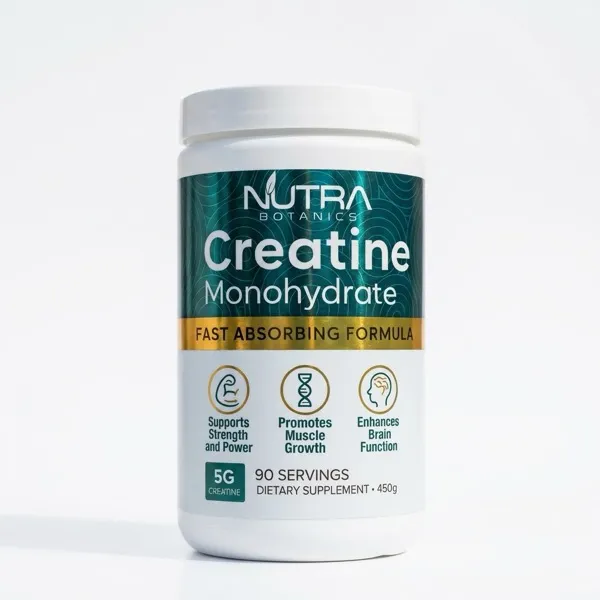
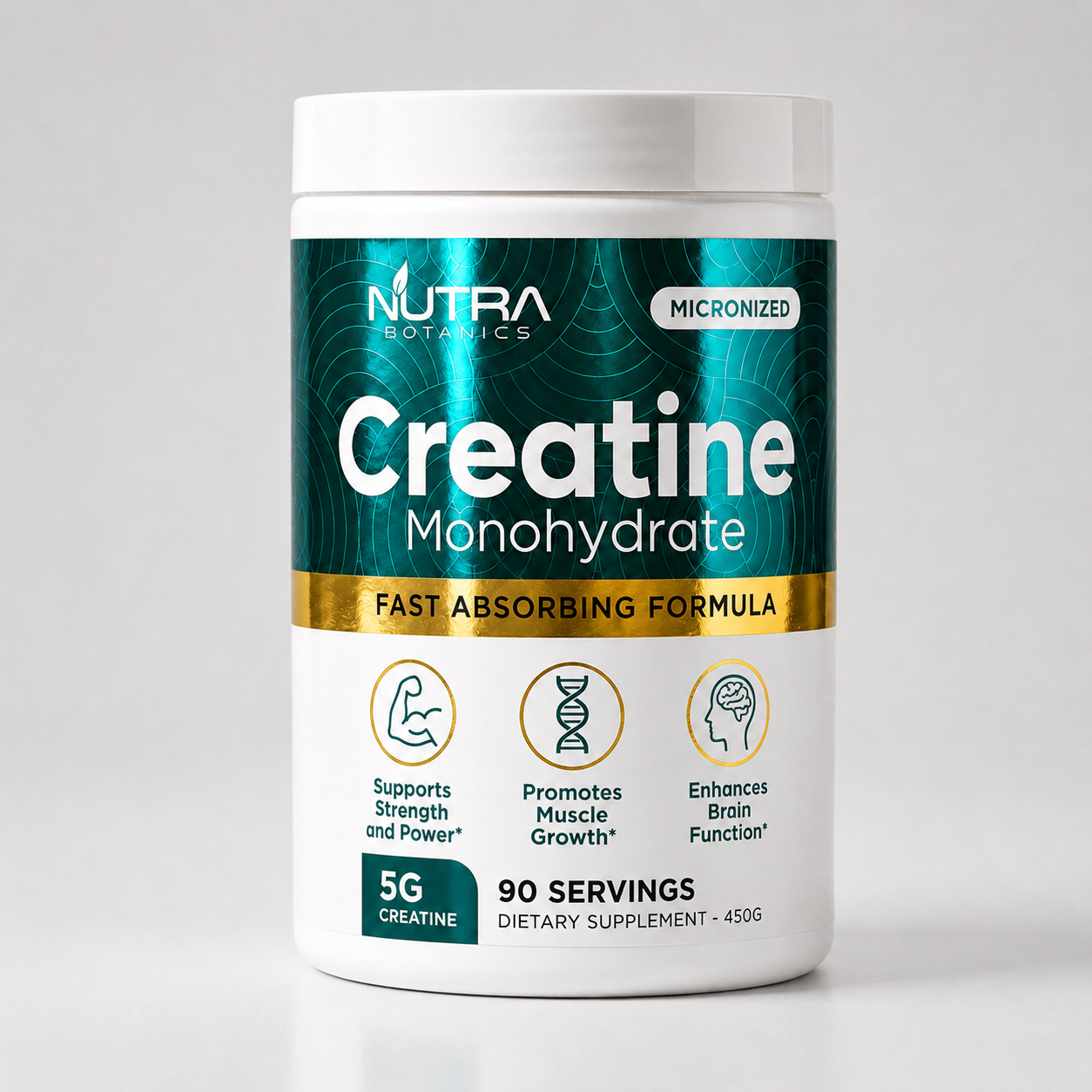
Creatine Monohydrate
Micronized · 60 servings
- 5g pure micronized monohydrate per serving
- Unflavored · mixes clean in any liquid
- GMP & NSF certified · PhD-supervised testing
- No fillers, stimulants, or artificial additives
$29.95Free shipping over $75
Shop Creatine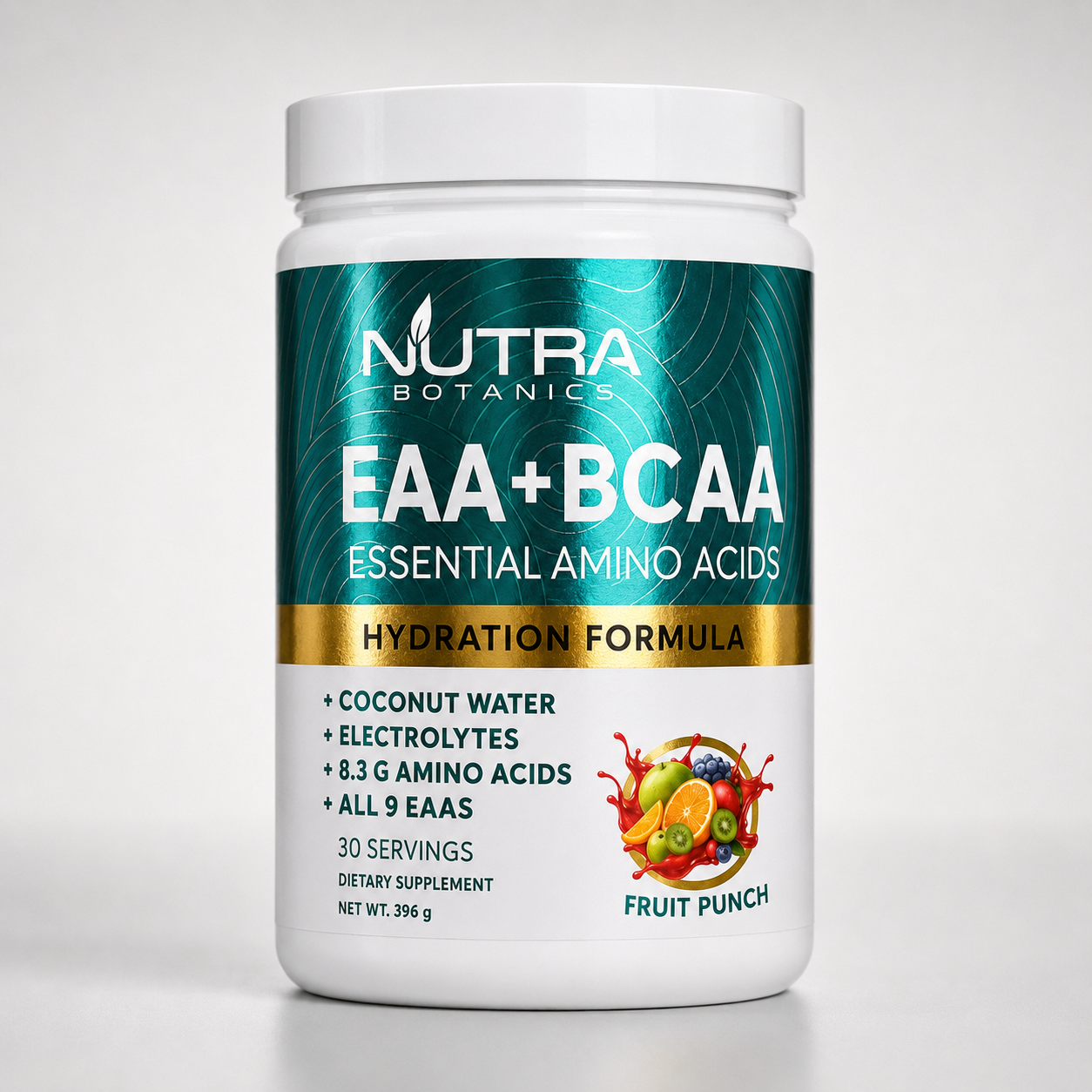
EAA Complex
Recovery · 30 servings
- All 9 essential amino acids for muscle repair
- Electrolytes for sustained hydration
- Zero sugar · light citrus flavor
- Pairs with creatine for optimal training support
$34.95Subscribe & save 20%
Shop EAA Complex