
Key Takeaways
- Your liver, kidneys, gut, lungs, and skin already perform the body's detoxification — supplements support these systems, they do not replace them
- Most benefit comes from supporting liver phase I and II enzymes with cruciferous vegetables, adequate protein, and hydration
- 64 oz of water daily and 3+ servings of greens provide the majority of the real-world detox support
- Extreme juice cleanses and colonics lack clinical evidence and can disrupt electrolytes
- Sustainable daily habits — sleep, fiber, movement, limited alcohol — outperform any short-term cleanse
Related reading: Detox vs Cleanse, Natural Detox Foods, 7 Signs Your Gut Needs a Detox, Best Supplements for Liver Health.
If you're considering a gut cleanse, the choice isn't really "cleanse vs no cleanse" — it's whether the specific approach in front of you actually supports the systems your body already uses to clear waste. This guide is a buying decision framework: what to look for in a fiber-based cleanse, where soluble fiber, magnesium, and herbal bitters fit, which juice-based protocols cause more harm than good, and the small set of red-flag claims that should make you put the bottle back on the shelf.
What Research-Supported Detox Support Looks Like
Effective detox support focuses on three things: reducing the toxic load coming in (processed foods, alcohol, environmental chemicals), providing nutrients that support liver enzyme function (N-acetyl cysteine, milk thistle, B vitamins, antioxidants), and ensuring elimination pathways are working optimally (adequate fiber, hydration, and bowel regularity).
Milk thistle (silymarin) has the most evidence for liver support (Saller et al. 2008 systematic review) — multiple studies show it protects liver cells from oxidative damage and supports regeneration. N-acetyl cysteine (NAC) is a precursor to glutathione, the body's master antioxidant and a key player in liver detoxification. Dandelion root has traditional use and some evidence for supporting bile flow, which helps clear fat-soluble toxins.
The Problem with "Juice Cleanse" Detoxes
Most commercial juice cleanses and extreme detox programs haven't been validated by clinical research. While reducing solid food temporarily may give the digestive system a rest and increase micronutrient intake, the core premise — that you need to "flush" toxins with juice — doesn't align with how detoxification actually works.
Extreme cleanses can also backfire: low protein intake can actually impair liver detoxification enzymes (which require amino acids), and very low calorie intake triggers the breakdown of fat cells, which can release stored fat-soluble compounds into circulation faster than the liver can process them. A supportive approach that keeps nutrition adequate while reducing processed food and alcohol is more sustainable and more effective.
Signs Your Detox Pathways May Need Support
Some common signs that your body's natural detox systems are under stress include persistent fatigue that doesn't improve with sleep, frequent bloating or irregular digestion, skin issues like breakouts or dullness, brain fog or difficulty concentrating, and sensitivity to caffeine or alcohol that seems to have worsened. These are not diagnostic criteria — they can have many causes — but they're signals worth paying attention to.
Lifestyle factors that strain detox systems include high alcohol consumption, heavily processed diet, chronic stress, poor sleep (the glymphatic system, which clears toxins from the brain (Xie et al. 2013, Science), operates primarily during deep sleep), and exposure to environmental chemicals (pesticides, plastics, household cleaners).
A Realistic Detox Support Protocol
The most evidence-backed approach to supporting detox includes: eliminating or significantly reducing alcohol for 2–4 weeks, cutting processed foods and added sugar (if this feels hard, see our guide to natural appetite suppressants), eating cruciferous vegetables daily (broccoli, cauliflower, Brussels sprouts — they contain sulforaphane which upregulates detox enzymes), staying well hydrated (at least 2–3 liters of water daily), getting 7–9 hours of sleep consistently, and using targeted supplements like milk thistle, NAC, and activated charcoal if appropriate.
This approach isn't dramatic — but it's what actually moves the needle on how your body processes and eliminates toxins over time.
How a Detox Supplement Can Help
A quality detox supplement can fill nutritional gaps that make it hard to get all liver-supportive nutrients from diet alone. Key ingredients to look for include milk thistle (standardized to 70–80% silymarin), NAC (N-acetyl cysteine), artichoke leaf extract (supports bile production), dandelion root, and antioxidants like vitamin C and selenium. These nutrients work synergistically to support glutathione production, liver enzyme activity, and the two-phase detoxification process that the liver uses to neutralize and eliminate toxins.
NutraBotanics Detox & Cleanse Support
Milk thistle, NAC, artichoke leaf, and dandelion root — the research-backed ingredients your liver actually needs.
Shop Detox Support →Frequently Asked Questions
Do detox cleanses actually work?
How long should a detox last?
What are signs I need a detox?
Can I detox without doing a juice cleanse?
What supplements support liver health?
Is it safe to do a detox cleanse?
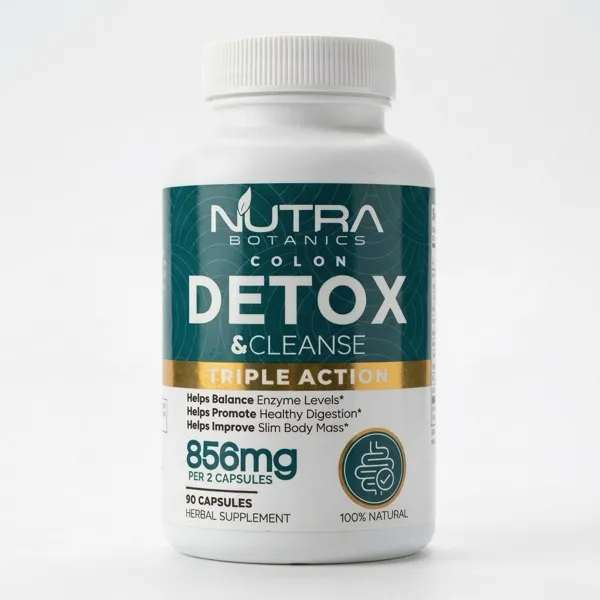
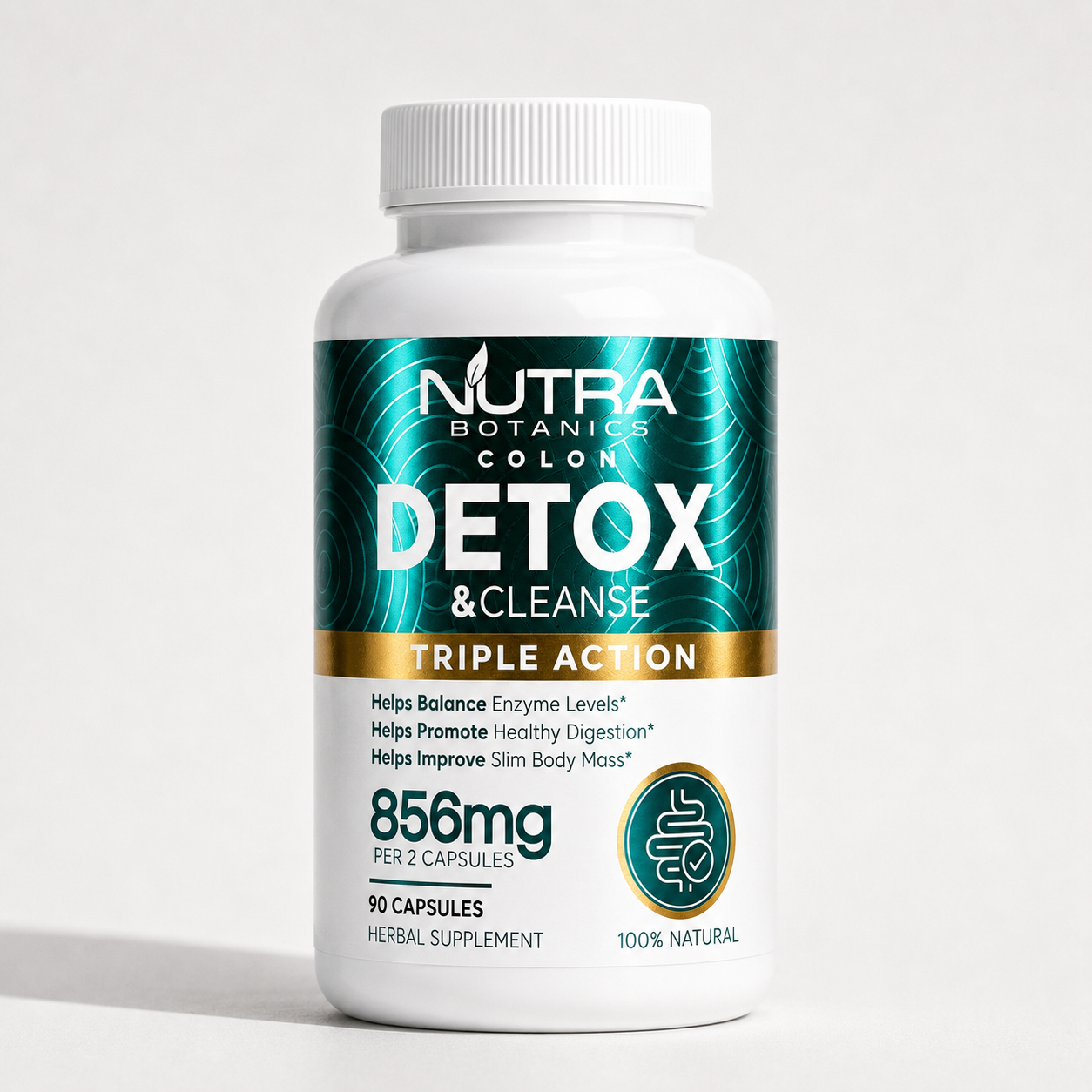
Colon Detox & Cleanse
14-ingredient herbal blend · fiber + probiotics
- 856mg proprietary blend with traditional botanicals
- Fiber and probiotic support for digestive balance
- Gentle daily use · no harsh laxatives
- GMP & NSF certified · PhD-supervised testing
See pricingFree shipping over $75
Shop Colon Detox & CleanseExplore Detox & Cleanse
Browse the Nutra Botanics detox range
- Colon, herbal, and digestive-support options
- Compare formats, dosing, and ingredient stacks
- Daily-use formulas · no harsh cleanses
- GMP & NSF certified · PhD-supervised testing
Shop the rangeSubscribe & save 20%
Browse Detox