

Key Takeaways
- "Detox" technically refers to supporting the body's metabolic clearance pathways; "cleanse" is a consumer term for short-term dietary resets
- The liver's two-phase detox system runs continuously and is supported by protein, cruciferous vegetables, and hydration
- A gut-focused cleanse (temporary elimination of irritants + fiber + fermented foods) has the best evidence for short-term benefit
- Extreme juice cleanses carry the same electrolyte-disruption risk as extreme diets — not recommended without supervision
- A realistic detox is a set of daily habits, not a 7-day protocol
Related reading: Choosing a Gut Cleanse, Natural Detox Foods, 7 Signs Your Gut Needs a Detox, Best Supplements for Liver Health.
What Is a Detox?
A detox, in the evidence-based sense, refers to supporting the body's natural detoxification systems — primarily the liver, kidneys, lymphatic system, and gut — through targeted nutrition, supplementation, and lifestyle changes. The goal is to reduce the toxic load coming in, enhance the function of detox enzymes and pathways, and ensure that waste products are efficiently eliminated.
A well-designed detox protocol typically includes reducing alcohol and processed food, adding liver-supportive supplements (milk thistle, NAC, artichoke leaf), eating more cruciferous vegetables, hydrating adequately, and supporting gut motility. It's a system-level approach focused on improving how your body processes and eliminates compounds over 2–4 weeks.
What Is a Cleanse?
A cleanse typically refers to a shorter-term, more radical dietary intervention — often a juice-only protocol, a fasting period, or an elimination diet. The goal is usually to "clean out" the digestive tract, break dietary habits, or jump-start weight loss. Cleanses are generally more restrictive and shorter in duration (1–7 days is typical).
Some cleanses target the colon specifically — using fiber, herbal laxatives, or enemas to accelerate gut transit and elimination. Others focus on the upper GI tract by eliminating solid food entirely. The science behind many commercial cleanse products is limited, but the concept of temporarily simplifying diet and reducing digestive burden has some legitimacy.
Key Differences: Detox vs Cleanse
The core differences between a detox and a cleanse come down to duration, mechanism, and nutritional adequacy. A detox is typically longer (2–4+ weeks), maintains nutritional adequacy while optimizing detox pathways, and uses supplements and specific foods to enhance enzyme function. A cleanse is typically shorter (1–7 days), may involve significant caloric restriction, and focuses more on gut transit and elimination than on liver enzyme support.
| Feature | Detox Protocol | Cleanse Protocol |
|---|---|---|
| Primary Goal | Support liver/kidney elimination pathways | Reset digestion, reduce bloating, GI comfort |
| Duration | 7–30 days (longer cycles) | 3–10 days (short reset) |
| Key Ingredients | Milk thistle, NAC, chlorella, glutathione precursors | Fiber, probiotics, digestive enzymes, herbal laxatives |
| Organs Targeted | Liver, kidneys, lymphatic system | Colon, small intestine, gut microbiome |
| Scientific Support | Moderate for specific compounds (e.g. milk thistle) | Good for fiber & probiotic components |
| Common Results | Improved energy, reduced brain fog | Reduced bloating, improved regularity |
| Red Flags | Extreme calorie restriction, laxative overuse | Harsh laxative blends, unrealistic weight claims |
| Best For | Post-excess period, ongoing liver support | Short-term GI reset, starting a health routine |
Another key difference: a detox supports phase I and phase II liver detoxification chemistry — the enzymatic processes that neutralize toxins. A cleanse typically doesn't address these mechanisms; it focuses on the elimination phase rather than the upstream processing that makes toxins safe to excrete.
Which One Is Right for You?
If your primary goal is reducing chronic toxic burden, supporting liver health, improving energy and cognitive clarity, or addressing symptoms of long-term lifestyle stress on your body, a detox protocol is the more appropriate choice. It's also better for people who need to maintain adequate nutrition and can't afford the performance hit of severe caloric restriction.
If your goal is to break a dietary pattern, reset your palate, give your digestive system a short rest, or use a structured short intervention to kick-start healthier habits, a moderate cleanse (ideally one that still provides adequate protein and micronutrients) can be useful. Many people benefit from combining a short cleanse to start, followed by a longer detox phase for sustained benefits.
Warning Signs of a Bad Cleanse or Detox Product
The supplement and wellness markets are full of products making extraordinary claims without evidence. Warning signs of a problematic detox or cleanse product include: promises of rapid, dramatic weight loss (which is mostly water loss); claims that you'll "feel amazing" after 3 days of extreme restriction; no disclosure of ingredients or amounts; proprietary blends that hide individual ingredient doses; and products claiming to remove "years of built-up toxins" from your colon (a myth — the colon continuously self-cleans).
The supplement and wellness markets are full of products making extraordinary claims without evidence.
A legitimate detox supplement clearly lists its ingredients and doses, uses research-backed compounds at clinically relevant amounts, and makes modest, verifiable claims about supporting liver health and elimination pathways — not miraculous transformations.
The Sustainable Middle Path
The most effective long-term approach combines the best of both: a 1–3 day dietary simplification (reducing processed food, alcohol, and gut-stressing foods) to begin, followed by a 3–4 week focused detox protocol using liver-supportive nutrition and targeted supplements. This gives you the psychological reset of a cleanse with the physiological depth of a proper detox.
Maintaining some detox-supportive habits — consistent cruciferous vegetable intake, adequate hydration, limited alcohol, and periodic use of liver-supportive supplements — provides ongoing protection against the cumulative buildup of lifestyle-related toxic burden.
NutraBotanics Detox & Cleanse Support
Milk thistle, NAC, artichoke leaf, and dandelion root — the research-backed ingredients your liver actually needs.
Shop Detox Support →Frequently Asked Questions
Is a detox or cleanse better for weight loss?
How often should you detox?
Can a cleanse be harmful?
Do I need to detox if I eat healthy?
What's the best detox supplement?
Should I do a detox or a cleanse first?
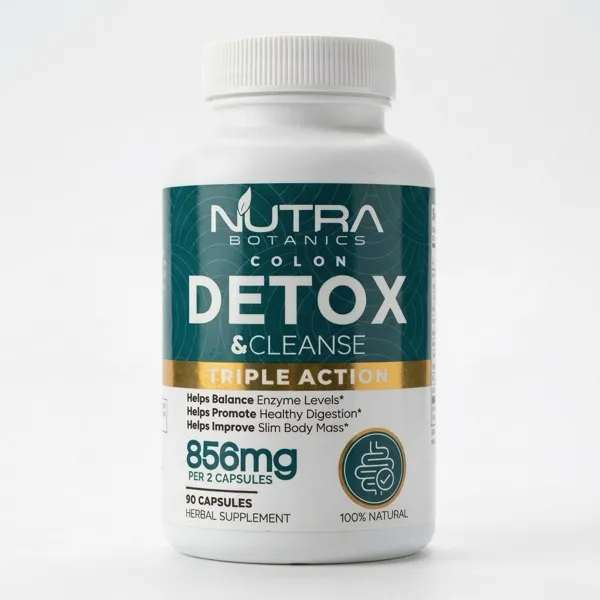
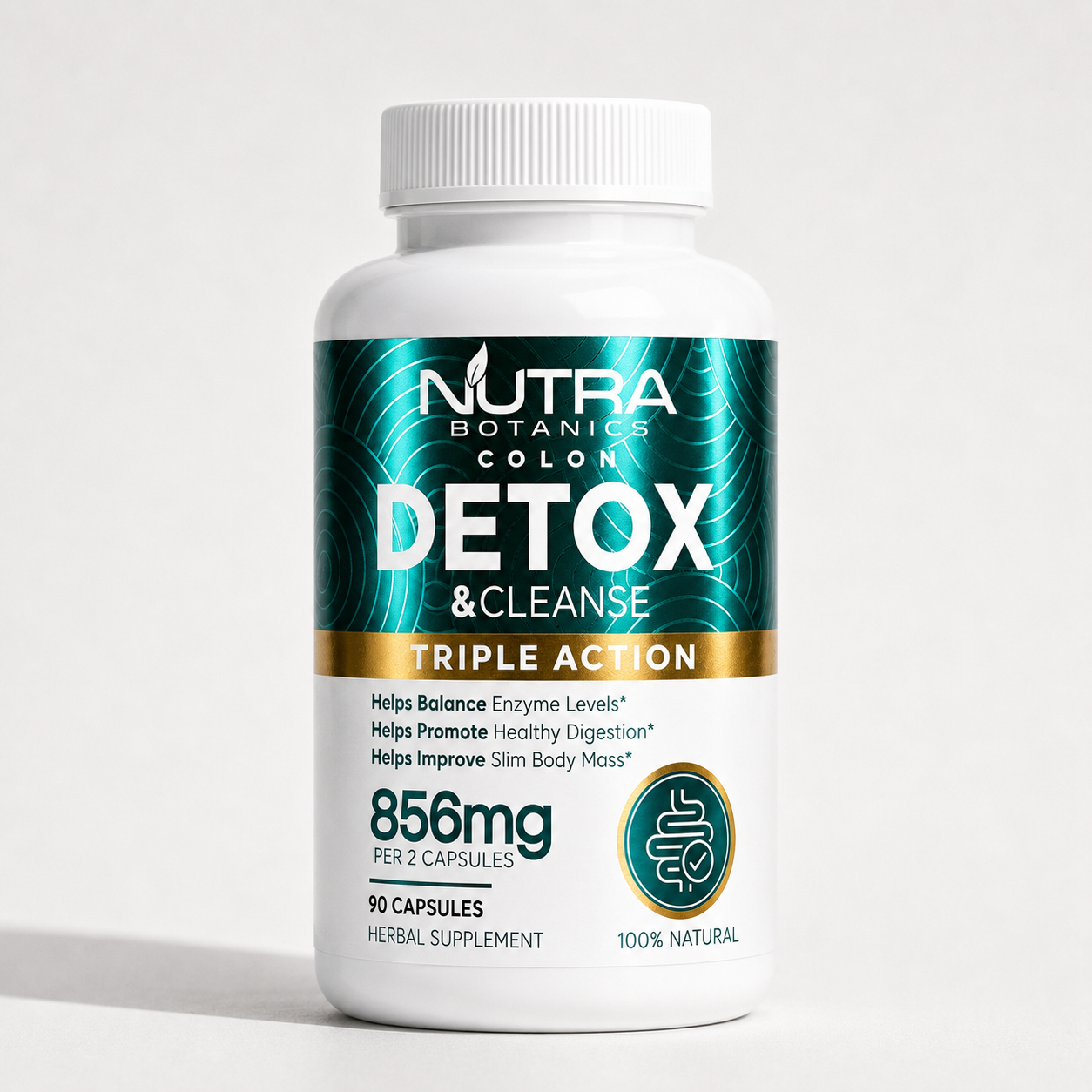
Colon Detox & Cleanse
14-ingredient herbal blend · fiber + probiotics
- 856mg proprietary blend with traditional botanicals
- Fiber and probiotic support for digestive balance
- Gentle daily use · no harsh laxatives
- GMP & NSF certified · PhD-supervised testing
See pricingFree shipping over $75
Shop Colon Detox & Cleanse
Explore Detox & Cleanse
Browse the Nutra Botanics detox range
- Colon, herbal, and digestive-support options
- Compare formats, dosing, and ingredient stacks
- Daily-use formulas · no harsh cleanses
- GMP & NSF certified · PhD-supervised testing
Shop the rangeSubscribe & save 20%
Browse Detox