"Metabolism booster" is one of the most-marketed and least-well-defined claims on a supplement label. What does it actually promise? A faster resting metabolic rate? More calories burned during exercise? Greater fatty-acid oxidation at rest? Meaningful fat loss without other changes? The peer-reviewed literature answers each of these differently, and the honest answer is almost never the one marketed.
This review summarizes what published trials and meta-analyses actually show about green tea extract, caffeine, capsaicin, L-carnitine, CLA, chromium, and forskolin as thermogenic and metabolic-support ingredients. Where the research is solid, we say so. Where it is weak, overstated, or misapplied, we say that too.
Key Takeaways
- Effective thermogenic doses of green tea extract (EGCG) and caffeine typically add 50 to 100 calories per day to 24-hour energy expenditure — real, measurable, but small relative to training and diet.
- Capsaicin / capsimax produces a similar-magnitude thermogenic response and supports modest appetite reduction in the better-controlled trials.
- L-carnitine supports fatty-acid transport rather than raising metabolic rate directly — it is a different mechanism than the thermogenic ingredients and pairs with exercise.
- Chromium, forskolin, raspberry ketones, and garcinia cambogia have weak, inconsistent, or null effects in well-controlled trials. Marketing typically outpaces the data here.
- Lifestyle levers (resistance training, protein intake, sleep, NEAT) have larger effects on metabolic rate than any ingredient. Supplements are a compounding lever, not a replacement.
Related reading: Metabolism Supplements Guide (how to choose), Green Tea Extract & Metabolism, How to Boost Metabolism, Does L-Carnitine Work?, Does CLA Work?.
What "Metabolism Boosters" Actually Do
Metabolism is a composite variable, not a single dial. Total daily energy expenditure is the sum of basal metabolic rate (roughly 60 to 70 percent of the total for most adults), the thermic effect of food (about 10 percent), activity expenditure from structured exercise, and non-exercise activity thermogenesis (NEAT). Most of that is set by lean mass, thyroid output, activity level, and dietary intake — not by a capsule.
What a "metabolism booster" can plausibly do — and what a narrow set of ingredients have shown in peer-reviewed trials — is acutely raise thermogenesis by a small, time-limited amount, and modestly shift fatty-acid oxidation at rest. The magnitude ceiling in the published literature is roughly 50 to 100 extra calories per day in the best-studied stacks. That is a meaningful compounding lever over months, but it is not drug-like, and it is not a substitute for the lifestyle inputs that dominate the equation.
Crucially, "metabolism booster" is not a defined regulatory or mechanistic category. Ingredients sold under that label range from thermogenic polyphenols (EGCG, capsaicin) to stimulants (caffeine, yohimbine) to mechanistically-distinct ingredients like L-carnitine and chromium. Their evidence bases are not comparable, and lumping them together is a marketing artifact, not a scientific one.
The Research on Green Tea Extract and Caffeine
Green tea extract is the most-studied single ingredient in the thermogenic category, and its combination with caffeine is the most replicated stack. The active polyphenol epigallocatechin gallate (EGCG) inhibits catechol-O-methyltransferase (COMT), prolonging the action of norepinephrine on adipose tissue. Combined with caffeine (which raises cAMP and sympathetic tone), the two produce a measurable shift in 24-hour energy expenditure.
Dulloo et al. (1999) was the foundational trial, reporting roughly 4 percent increases in 24-hour energy expenditure and greater fat oxidation with a green tea extract delivering about 270 mg EGCG plus 150 mg caffeine. Hursel's 2011 meta-analysis (n=374) reported a pooled effect of roughly 1.3 kg of additional body weight loss favoring catechin-plus-caffeine over control across 12-week trials.
The effective dose window across positive trials clusters at 250 to 500 mg EGCG per day plus moderate caffeine. Trials using lower doses or caffeine-free catechin-only protocols frequently report null effects — the caffeine-catechin interaction appears important for the thermogenic signal in adults who are not caffeine-habituated.
The Research on Capsaicin and Thermogenics
Capsaicin, and the non-pungent capsinoid family sold under the Capsimax trademark, have built a consistent if smaller evidence base. Trials measuring 24-hour energy expenditure with standardized capsinoid doses (2 to 10 mg/day) have reported increases in fat oxidation and small but measurable thermogenic effects, especially post-meal. Whiting et al. (2014) pooled capsaicin trials and reported a modest but significant increase in energy expenditure and reduction in ad-libitum food intake compared with placebo.
Mechanistically, capsaicin activates transient receptor potential vanilloid-1 (TRPV1) receptors, which trigger sympathetic activation and brown-adipose-tissue thermogenesis. The non-pungent capsinoids deliver a similar signal without the GI burn associated with chili-pepper capsaicin, which is why most commercial thermogenic products use capsimax-style standardized extracts.
Effect sizes are in the same approximate range as green tea extract — single-digit percentage increases in 24-hour expenditure in the better-controlled trials. Stacking capsinoids with EGCG and caffeine is common in formulation, though head-to-head evidence that the combined stack outperforms the pair has been limited.
L-Carnitine, CLA, and Adjacent Mechanisms
Two ingredients frequently sold as "metabolism boosters" work on mechanisms distinct from thermogenesis, and both are more accurately classified as body-composition support ingredients.
L-Carnitine transports long-chain fatty acids across the mitochondrial membrane for oxidation. Its peer-reviewed evidence base concentrates on exercise recovery, muscle oxygenation, and modest body-composition effects in longer trials, not on raising resting metabolic rate. Uptake into muscle is insulin-dependent, which is why dosing with a carbohydrate-containing meal materially changes outcomes. For the full evidence review, see Does L-Carnitine Work? 20+ Studies Reviewed.
CLA (Conjugated Linoleic Acid) has a modest meta-analytic signal for fat-mass reduction over 6 to 12 months at 3.2 to 6 g/day, without raising metabolic rate directly. The mechanism is closer to enzymatic modulation of lipogenesis than to thermogenesis. For the full evidence review, see Does CLA Work? Research Review.
Grouping these with thermogenics under a "metabolism" umbrella obscures the mechanistic difference and makes comparison unhelpful — a thermogenic stack that adds 80 calories per day and a CLA protocol that drives a 1 to 2 lb fat-mass shift over 6 months are doing different things, and the right ingredient depends on the goal.
Where the Evidence Is Mixed or Weak
Four claims deserve honest skepticism:
- "Chromium picolinate for metabolism." A 2013 meta-analysis (Onakpoya et al. 2013) concluded chromium's effect on body weight was small and of uncertain clinical relevance. It has a role in insulin-sensitivity research, but positioning it as a metabolic-rate booster overstates the data.
- Forskolin, raspberry ketones, garcinia cambogia. These ingredients are marketing staples with thin peer-reviewed evidence. Raspberry ketone trials in humans are small and short; garcinia's hydroxycitric acid has produced inconsistent results; forskolin's body-composition evidence rests on a handful of small trials. None have the replicated trial base of EGCG or caffeine.
- "Boost your metabolism by 30 percent." No ingredient or stack in peer-reviewed research produces metabolic-rate increases of that magnitude in healthy adults. Headline numbers like that typically come from measurements that confound thermic effect of food, exercise expenditure, or short-window post-dose spikes with 24-hour rates.
- Stimulant-heavy "fat burners". Bitter-orange extracts (synephrine), yohimbine, and high-dose caffeine blends produce detectable acute thermogenic effects, but carry cardiovascular cautions. Sustained-use trials on stacked stimulant products are limited, and the risk-benefit ratio is less favorable than the single-ingredient thermogenics with cleaner safety data.
Who Sees the Best Results in the Research
Pooled across the thermogenic literature, the adults most likely to show measurable outcomes are:
- Overweight and obese adults in a structured caloric approach, for whom a 50 to 100 kcal/day thermogenic lever compounds over 8 to 12 weeks into meaningful body-composition shifts.
- Non-caffeine-habituated users, who get the full catecholamine response from moderate caffeine doses that habituated users do not.
- Adults with resistance training in the mix, where the thermogenic additive effect pairs with muscle-mass preservation.
- Pre- or early-menopausal women in trials examining EGCG and catechin-caffeine stacks, where response rates are typically comparable to or modestly larger than those in men.
Lean, already-trained, caffeine-habituated adults show smaller responses. That does not mean zero effect — it means the margin available from an 80 kcal/day shift is smaller relative to their overall energy equation.
The Bottom Line
Do metabolism boosters work? Some of them, modestly, for specific endpoints. Green tea extract, caffeine, and capsaicin have replicated thermogenic effects in the 50 to 100 kcal/day range. L-carnitine and CLA operate on different mechanisms and have separate, narrower evidence bases for body-composition outcomes. Chromium, forskolin, raspberry ketones, and most garcinia formulations do not have the data to back the marketing.
What none of them are: drug-like metabolic-rate amplifiers, replacements for training and caloric awareness, or explanations for weight-loss plateaus that are actually rooted in sleep, activity, or adherence. Use thermogenic ingredients as a compounding lever on top of the fundamentals, pick the ingredients with real evidence, dose in the studied range, and set expectations to match the trial effect sizes rather than the label copy.
These statements have not been evaluated by the Food and Drug Administration. This product is not intended to diagnose, treat, cure, or prevent any disease.
Frequently Asked Questions
Do metabolism boosters actually raise metabolic rate?
How much of a metabolic boost can I actually expect from supplements?
How long do metabolism supplements take to work?
Which metabolism-boosting ingredients have the strongest evidence?
Are metabolism boosters safe for long-term use?
Can metabolism supplements replace exercise or dieting?
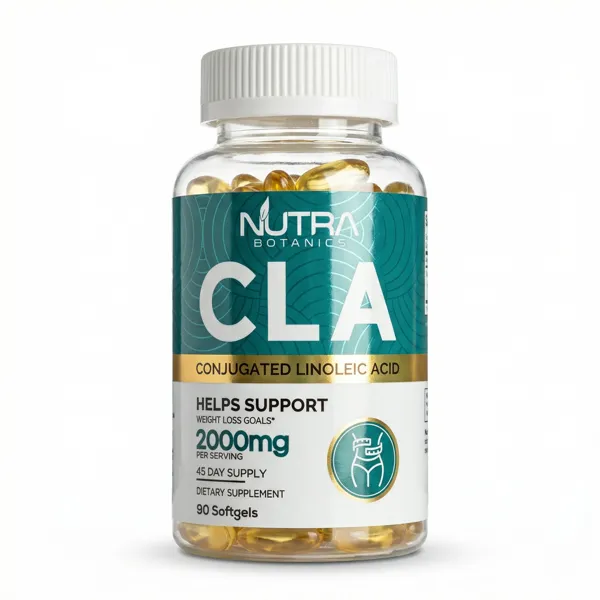
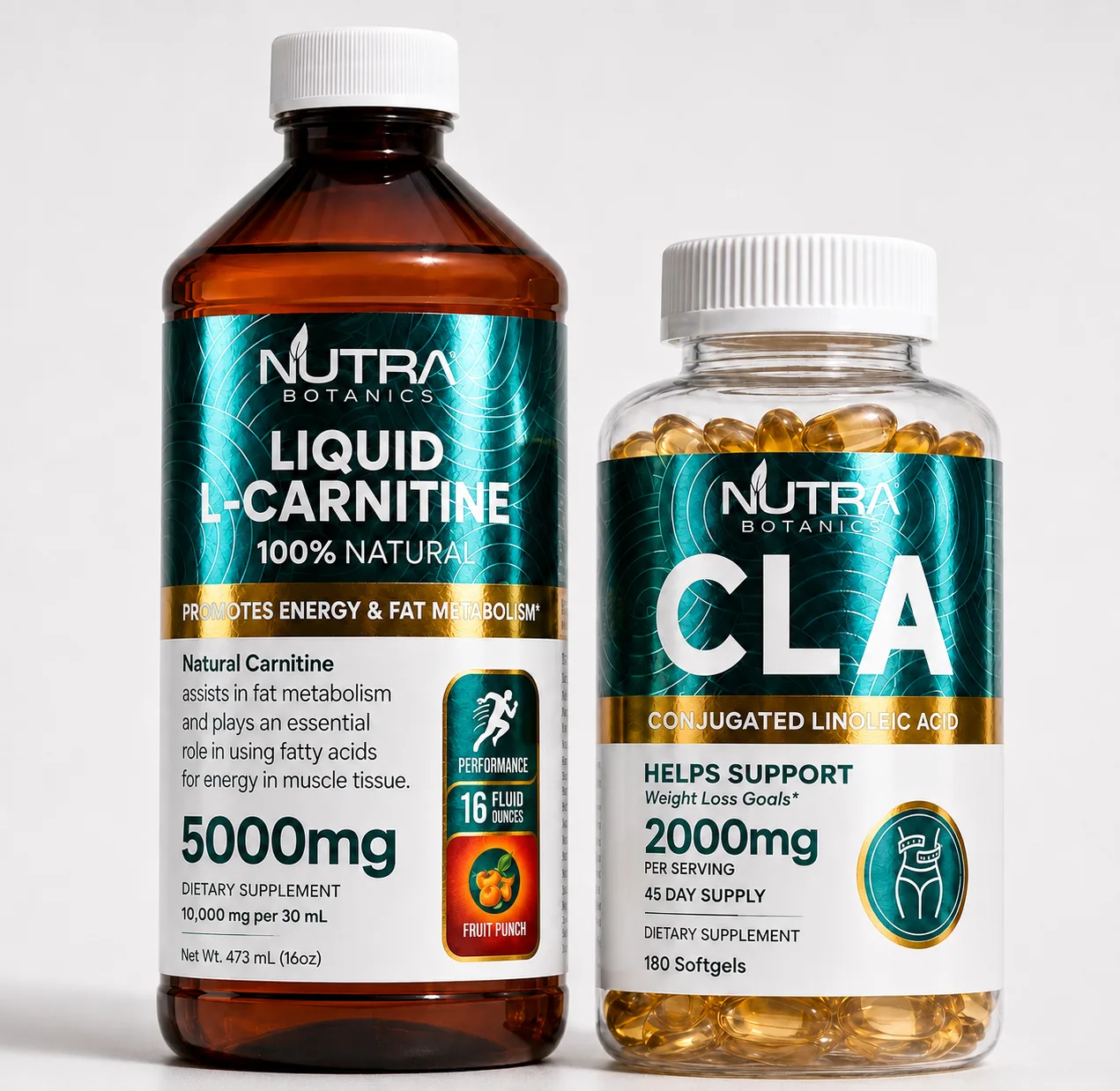
Metabolism Bundle
Thermogenic stack · 30-day supply
- Green tea extract standardized for EGCG · in the studied 400–500 mg range
- Paired with caffeine in the thermogenic additive window
- Capsaicin / capsinoid support for sustained energy expenditure
- Transparent labels · no proprietary blends
$34.95Subscribe & save 20%
Shop Metabolism Bundle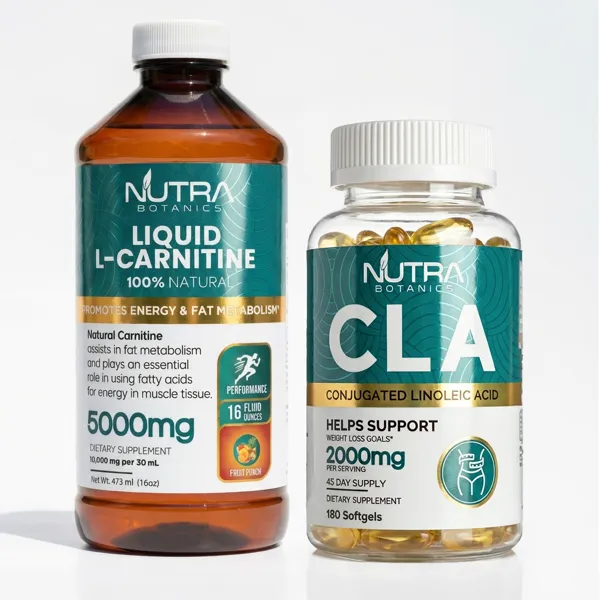
Explore Weight Management
Browse the Nutra Botanics weight-management range
- Thermogenics, L-carnitine, CLA, and appetite-support options
- Compare mechanisms and studied dosing ranges side-by-side
- Find the right fit for your body-composition goals
- Transparent labels · research-informed formulations
Shop the rangeSubscribe & save 20%
Browse Weight Management