"Recovery" is one of the most overused words in the supplement industry. For amino acid products specifically, the question worth asking is concrete: which one — EAAs or BCAAs — actually shortens the time between training sessions and reduces the soreness that comes with hard work?
The research has a clear answer, but it requires understanding what muscle recovery actually is at the tissue level.
Key Takeaways
- Muscle recovery requires repair of damaged fibers — which requires all 9 essential amino acids, not just 3
- Multiple studies show EAAs reduce delayed-onset muscle soreness (DOMS) more effectively than BCAAs*
- EAAs better preserve force production and training capacity in 24–72 hour recovery windows
- For high-volume programs or two-a-day training, EAAs are the more reliable recovery tool
Related reading: BCAA Benefits, BCAA Dosage, BCAA for Women, Best Time to Take BCAAs.
How Recovery Actually Works
When you train, you create microscopic damage to muscle fibers. The body repairs that damage by recruiting amino acids to rebuild and reinforce the tissue — that's how muscle grows and adapts. The completeness of this repair process depends entirely on amino acid availability.
If only 3 of the 9 needed amino acids are supplied (BCAAs), the body either delays repair or pulls the missing 6 from existing tissue. Either path slows recovery and limits adaptation.
The BCAA Recovery Story
BCAAs do show modest recovery benefits in some studies — particularly for reducing exercise-induced muscle damage markers (creatine kinase) and subjective soreness ratings. The effect is real but limited, since BCAAs supply only the trigger, not the building blocks.
Why EAAs Win for Recovery
Studies comparing equal-gram doses consistently show EAAs producing greater reductions in DOMS, faster restoration of peak power output, and better preservation of training quality during heavy programming blocks.* In one study tracking soccer players through a competition cycle, EAA supplementation maintained sprint performance significantly better than BCAAs over a 5-day high-load period.
Practical Recovery Stack
The most evidence-supported recovery protocol: 8–12g of EAAs immediately post-training, paired with carbohydrates and adequate fluid. Add a whole-food protein meal within 2–3 hours. Total daily protein intake remains the single biggest recovery lever — EAAs are an accelerant, not a replacement.
The Bottom Line
For recovery specifically, EAAs are the more complete tool. If you're doing high-volume work, two-a-day training, or competing in tournament-style events, the EAA advantage compounds across sessions. BCAAs work, but EAAs work better.
Frequently Asked Questions
Will EAAs reduce muscle soreness?
When should I take EAAs for recovery?
Can EAAs replace a post-workout protein shake?
Are EAAs better than BCAAs after a hard workout?
How long does it take EAAs to help recovery?
Can I take EAAs every day?
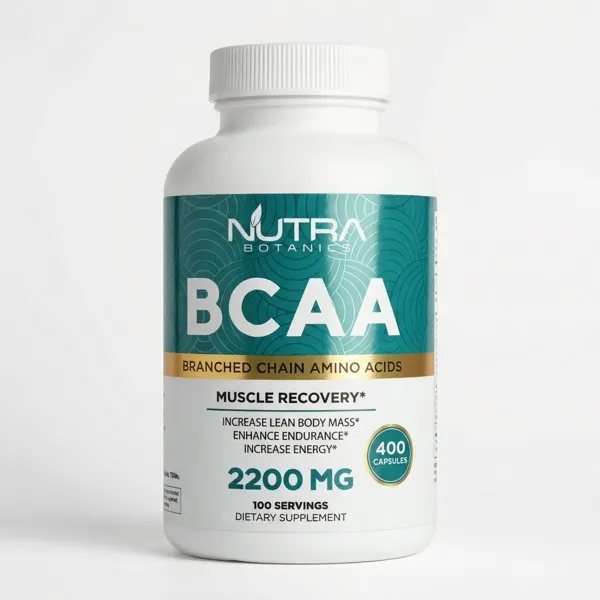
BCAA Plus
2:1:1 ratio · 30 servings
- 5g BCAAs per serving (leucine, isoleucine, valine)
- Clinically studied 2:1:1 ratio for muscle protein synthesis
- Supports endurance, recovery, and lean mass preservation
- Third-party tested · GMP certified
$29.95Free shipping over $50
Shop BCAA Plus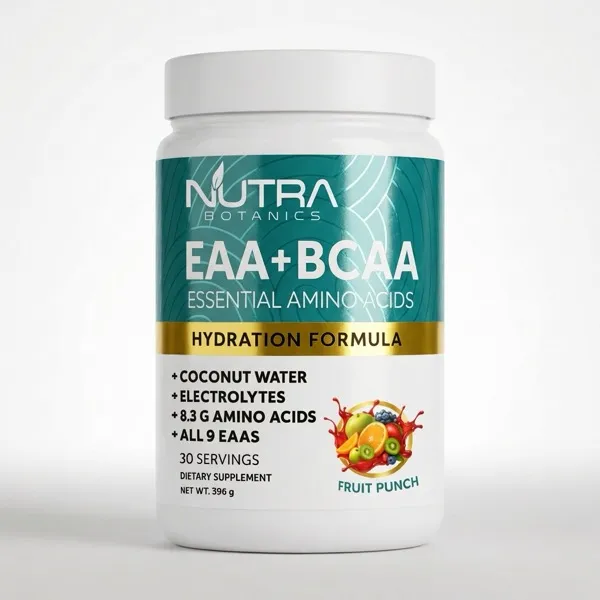
EAA Complex
All 9 essentials · 30 servings
- Complete essential amino acid profile (all 9 EAAs)
- Stronger MPS response vs. BCAAs alone in research
- Ideal for serious lifters, athletes, and fasted training
- Third-party tested · GMP certified
$34.95Free shipping over $50
Shop EAA Complex