
Key Takeaways
- The three primary hormones to track: estrogen, progesterone, and cortisol — imbalances between them drive most symptoms
- Common signals: irregular cycles, mood swings, sleep disruption, fatigue, weight shifts, and skin changes
- Sleep, stress management, and protein intake have the highest upstream impact on hormonal balance
- Seed cycling, magnesium, B6, and vitex have moderate research support for cyclical symptoms
- Persistent symptoms warrant a proper hormone panel — self-treatment without testing is not recommended
Related reading: Perimenopause Support, Best Supplements for Women Over 40, Perimenopause, PMS & Menopause Guide, Maca Root for Women.
What Hormonal Imbalance Actually Means
Hormonal balance refers to the proper ratio and rhythm of your body's key hormones — primarily estrogen, progesterone, testosterone, cortisol, thyroid hormones, and insulin. These don't operate in isolation; they form an interconnected network where dysregulation in one often cascades into others.
The most common pattern in women of reproductive age is estrogen dominance — a state where estrogen is high relative to progesterone. This doesn't necessarily mean total estrogen is elevated; it can occur when progesterone is low (common in the luteal phase of the cycle), when the liver isn't clearing estrogen efficiently, or when xenoestrogens from plastics, pesticides, or personal care products add to the total estrogen burden.
Common Signs Your Hormones Are Off
Symptoms of hormonal imbalance vary widely depending on which hormones are affected and to what degree. Common signs include: PMS that significantly impacts quality of life (cramps, bloating, mood swings, breast tenderness), irregular or missed periods, weight gain concentrated around the abdomen and hips, persistent fatigue that sleep doesn't fix, disrupted sleep (particularly waking between 2–4 am, associated with cortisol dysregulation), low libido, acne along the jawline and chin (driven by androgens), and hair thinning.
In perimenopause and menopause, hormonal shifts accelerate — estrogen and progesterone decline in an often uneven pattern, producing hot flashes, night sweats, mood instability, vaginal dryness, and bone density loss. These changes are normal but manageable with targeted support.
The Cortisol-Hormone Connection
Cortisol — the primary stress hormone produced by the adrenal glands — has a direct and often underappreciated effect on reproductive hormones. When cortisol is chronically elevated (from psychological stress, poor sleep, overtraining, or blood sugar instability), the body prioritizes cortisol production over sex hormone production in a phenomenon sometimes called 'cortisol steal' or 'pregnenolone steal.'
Practically, this means chronic stress can suppress progesterone, worsen PMS, disrupt cycle regularity, and lower libido. Addressing cortisol — through stress management, sleep optimization, and adaptogenic herbs like ashwagandha — is often the highest-leverage intervention for women struggling with hormonal imbalance.
Nutritional Foundations for Hormonal Health
Several nutrients are directly involved in hormonal synthesis and metabolism. Zinc is required for progesterone production and suppresses excess androgens — low zinc is associated with PMS and acne. Magnesium supports over 300 enzymatic reactions including those involved in estrogen metabolism and plays a key role in reducing PMS symptoms (studies show 360mg/day reduces mood-related PMS significantly). Vitamin B6 is a cofactor for progesterone synthesis and is involved in serotonin production — low B6 is associated with premenstrual depression and irritability.
DIM (diindolylmethane), derived from cruciferous vegetables, supports healthy estrogen metabolism by promoting the 2-hydroxy estrogen pathway over the more proliferative 16-hydroxy pathway. Adequate fiber (25–35g/day) supports excretion of used estrogens through the gut — without sufficient fiber, estrogens can be reabsorbed from the intestine via beta-glucuronidase activity.
Vitex (Chasteberry): The Most Studied Herb for Female Hormonal Balance
Vitex agnus-castus (chasteberry) is the most clinically researched botanical for women's hormonal health. It works primarily at the pituitary level, where it influences dopamine receptors to suppress excess prolactin — elevated prolactin is associated with PMS, breast tenderness, and luteal phase defects. It also appears to support progesterone production indirectly by normalizing the LH/FSH ratio.
Vitex agnus-castus (chasteberry) is the most clinically researched botanical for women's hormonal health.
A 2017 systematic review of 8 randomized controlled trials found vitex significantly superior to placebo for PMS symptoms including mood disturbances, breast discomfort, and headache. A dose of 20–40mg of a standardized vitex extract daily is the most commonly studied amount. It typically takes 3 menstrual cycles to see full effect.
Adaptogens and Hormonal Resilience
Adaptogenic herbs — ashwagandha, rhodiola, maca, and holy basil — help normalize the stress response axis (the HPA axis) and can indirectly support hormonal balance by reducing cortisol's suppressive effect on reproductive hormones. Ashwagandha has the most robust evidence, with multiple RCTs showing significant reductions in cortisol, improvements in perceived stress, and (in women) improvements in sexual function and hormonal markers.
Maca root (Lepidium meyenii) has been studied specifically in perimenopausal and postmenopausal women, with research showing reductions in hot flashes, night sweats, and mood disturbance compared to placebo. It doesn't contain hormones or phytoestrogens — it appears to act on the hypothalamic-pituitary axis to normalize endocrine signaling.
Frequently Asked Questions
What are the signs of hormonal imbalance in women?
What causes hormonal imbalance?
How long does it take to balance hormones naturally?
Does vitex really work for PMS?
Can supplements replace hormone therapy?
Is maca root safe for women?
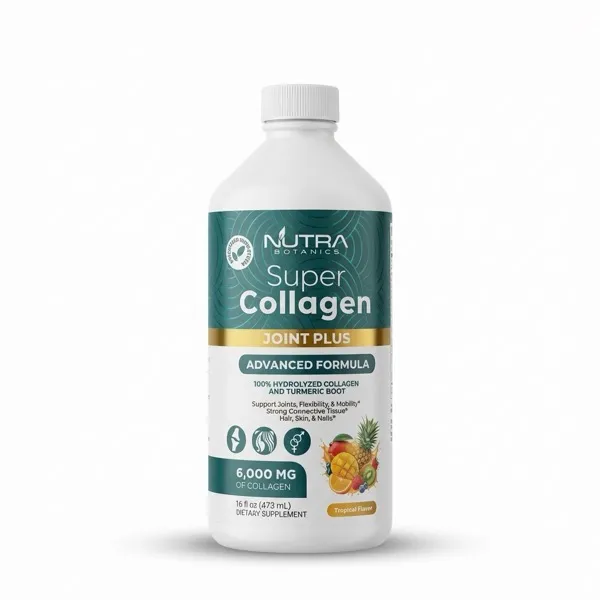
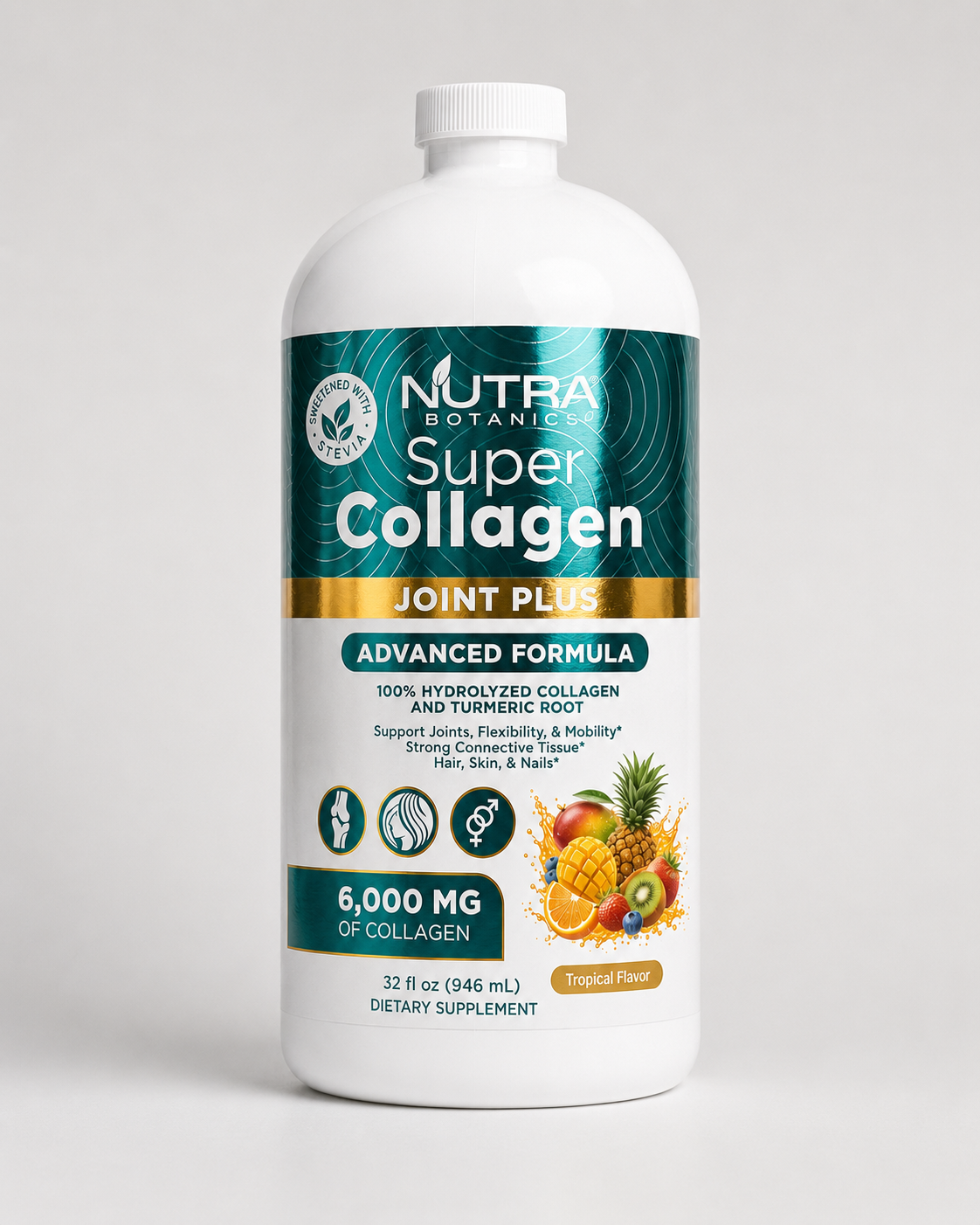
Super Collagen Joint Plus
Daily wellness · 16 fl oz
- A women-first daily formula many readers pair with the hormonal-wellness habits discussed here — collagen, joint, and skin support in one liquid.
$28.95Free shipping over $75
Shop Super Collagen Joint Plus
Explore the Full Catalog
Browse every Nutra Botanics formula
- Compare products, ingredients, and dosing across the full line
Shop the rangeSubscribe & save 20%
Shop All Products