

Key Takeaways
- Most chronic bloating is driven by fermentable carbohydrates (FODMAPs), gas-producing bacteria, or delayed transit
- Slow eating, smaller meal volumes, and reduced carbonated-beverage intake produce immediate improvements for many
- Fiber needs to ramp up gradually — sudden jumps from 10g to 35g daily cause worse bloating, not less
- Probiotics and digestive enzymes help a subset of people — results are individualized
- Persistent bloating lasting more than 2–4 weeks warrants evaluation by a healthcare provider
Related reading: Signs Your Gut Needs a Reset.
The Real Causes of Chronic Bloating
Chronic bloating isn't just "too much gas" — it's a pattern that points to specific underlying issues. The most common causes include gut dysbiosis (imbalance of intestinal bacteria), small intestinal bacterial overgrowth (SIBO), low stomach acid (hypochlorhydria), impaired digestive enzyme output, food sensitivities (especially to gluten, dairy, or high-FODMAP foods), sluggish gut motility, and hormonal fluctuations (particularly in women before menstruation).
Understanding which cause applies to you guides the solution. If bloating occurs mainly after specific foods, a food sensitivity or enzyme deficiency is likely. If bloating is nearly constant regardless of diet, dysbiosis or SIBO is more probable.
Gut Bacteria and Bloating: The Microbiome Connection
Your gut bacteria produce gas as a byproduct of fermenting carbohydrates and fiber. This is normal. Problems arise when the wrong bacteria overpopulate — particularly gas-producing strains that ferment foods more aggressively or in the wrong part of the digestive tract. SIBO, where bacteria typically found in the colon migrate into the small intestine, is an increasingly recognized cause of severe, persistent bloating.
Addressing dysbiosis involves reducing the fuel supply for harmful bacteria (limiting refined sugars and fermentable carbs temporarily), introducing beneficial bacteria through probiotics, and feeding those bacteria with prebiotic fiber from vegetables and legumes. This reshapes the microbiome over 4–12 weeks.
Digestive Enzymes: The Overlooked Fix
Many people are chronically short on digestive enzymes — the proteins that break down carbohydrates, fats, and proteins in the small intestine. When food isn't properly broken down before reaching the large intestine, gut bacteria have more substrate to ferment, producing more gas and triggering more bloating.
Lactase deficiency (causing dairy bloating), amylase insufficiency (causing carbohydrate bloating), and lipase insufficiency (causing fat-related bloating and loose stools) are all common and underdiagnosed. A broad-spectrum digestive enzyme supplement taken with meals directly addresses this cause. Many people report significant bloating reduction within the first few days of enzyme supplementation.
The FODMAP Connection
FODMAPs (fermentable oligosaccharides, disaccharides, monosaccharides, and polyols) are a category of carbohydrates that are poorly absorbed in the small intestine and highly fermentable by gut bacteria. High-FODMAP foods include garlic, onions, apples, legumes, wheat, and certain dairy products. For people with IBS or significant gut dysbiosis, temporarily reducing FODMAPs dramatically reduces bloating.
A low-FODMAP diet isn't meant to be permanent — it's a diagnostic and therapeutic tool used over 4–8 weeks to identify trigger foods, followed by a systematic reintroduction phase. Research shows a 70–75% reduction in bloating symptoms in IBS patients on a low-FODMAP protocol.
Lifestyle and Timing Fixes
Beyond diet, several behavioral patterns dramatically affect bloating. Eating too fast increases air swallowing (aerophagia), which directly causes bloating. Lying down immediately after meals slows gastric emptying. Chronic stress activates the sympathetic nervous system, which suppresses digestive enzyme output and slows gut motility — a direct cause of bloating and constipation.
Eating slowly, staying upright for 30–45 minutes after meals, managing stress through regular exercise and sleep, and building in 12–14 hour overnight fasting windows (which allow the gut's "housekeeping" wave, the migrating motor complex, to clear debris) all reduce chronic bloating meaningfully.
When to Seek Medical Evaluation
Most bloating is functional and responds to dietary and lifestyle changes. However, certain patterns warrant medical evaluation: bloating accompanied by unintentional weight loss, blood in stool, severe or worsening abdominal pain, bloating that began suddenly without clear dietary cause, or bloating in the context of family history of colorectal cancer or celiac disease.
Conditions like celiac disease, inflammatory bowel disease, ovarian cysts, and gastroparesis all present with bloating and require specific diagnosis and treatment. If your bloating doesn't improve with consistent dietary and supplement interventions over 4–6 weeks, working with a gastroenterologist is the appropriate next step.
NutraBotanics Detox & Cleanse Support
Milk thistle, NAC, artichoke leaf, and dandelion root — the research-backed ingredients your liver actually needs.
Shop Detox Support →Frequently Asked Questions
Why am I so bloated all the time?
What foods cause the most bloating?
Do probiotics help with bloating?
Can digestive enzymes reduce bloating?
How quickly can I reduce bloating?
Is bloating related to detox?

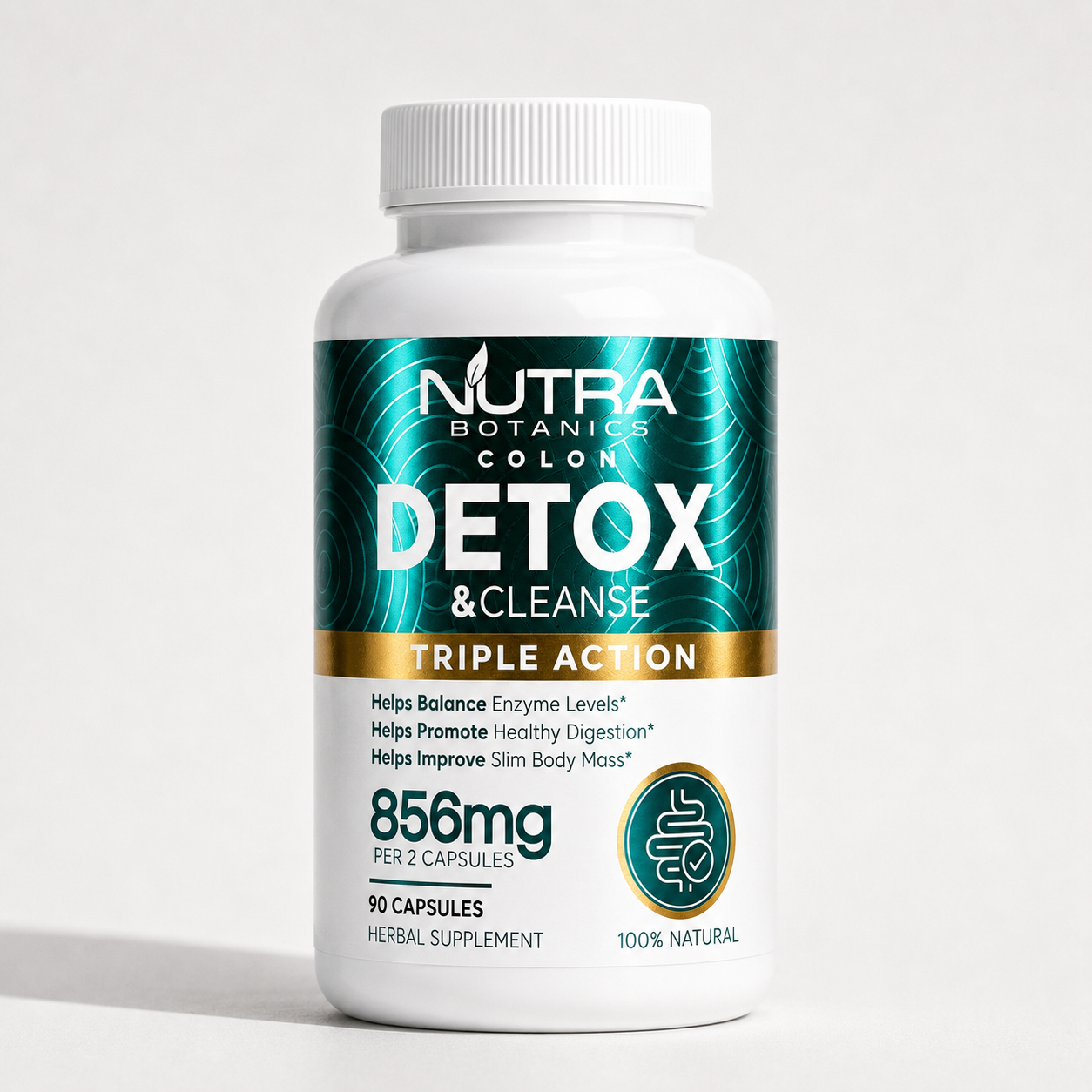
Colon Detox & Cleanse
14-ingredient herbal blend · fiber + probiotics
- 856mg proprietary blend with traditional botanicals
- Fiber and probiotic support for digestive balance
- Gentle daily use · no harsh laxatives
- GMP & NSF certified · PhD-supervised testing
See pricingFree shipping over $75
Shop Colon Detox & Cleanse
Explore Detox & Cleanse
Browse the Nutra Botanics detox range
- Colon cleanse, liver support, and daily digestion options
- Compare formats, dosing, and stack partners
- Gentle daily-use formulations
- GMP & NSF certified · PhD-supervised testing
Shop the rangeSubscribe & save 20%
Browse Detox