Key Takeaways
- L-carnitine supports fat mobilization but does not produce weight loss without a caloric deficit
- Meta-analyses show modest average weight loss (1–2 kg) over 8–12 weeks of daily use combined with a deficit
- 1–3g per day is the clinically supported dose; higher doses have not shown additional benefit
- Taking with a carbohydrate-containing meal supports muscle tissue uptake via insulin
- Effects are additive to training and nutrition, not replacement for them
Related reading: L-Carnitine Benefits, L-Carnitine Dosage, L-Carnitine for Women, L-Carnitine and Exercise.
The Mechanism: How L-Carnitine Could Support Fat Loss
To understand why L-carnitine may support weight loss, you need to understand how fat is actually burned. Dietary fat is broken down into fatty acids, which must be transported into the mitochondria (the cell's energy factories) to undergo oxidation and produce ATP — your body's energy currency.
L-carnitine is the shuttle. Without sufficient carnitine, long-chain fatty acids cannot cross the inner mitochondrial membrane. They pile up outside the mitochondria and cannot be efficiently converted to energy. Supplementing carnitine — in theory — makes this process more efficient.*
The key word is "in theory." The research shows this mechanism works, but the magnitude of the effect depends heavily on your baseline carnitine levels and whether you are exercising regularly.
What the Research Shows
The most comprehensive review of L-carnitine and body composition comes from a 2016 meta-analysis in Obesity Reviews. Researchers analyzed 9 randomized controlled trials involving 911 participants and found that L-carnitine supplementation produced significantly greater reductions in body weight (−1.33 kg), BMI (−0.47 kg/m²), and fat mass compared to placebo.
Importantly, these were not dramatic transformations. L-carnitine is not a replacement for a calorie deficit — it is a metabolic support tool that may make fat oxidation more efficient within the context of an active lifestyle.*
A 2011 study in the Journal of Physiology found that combining L-carnitine supplementation with carbohydrate (to spike insulin and drive carnitine into muscle tissue) over 24 weeks led to significantly less fat gain compared to carbohydrate alone, without any loss in exercise performance.
Who Gets the Best Results
The research is clearest for three groups: vegetarians and vegans, who have substantially lower baseline plasma carnitine levels than meat eaters; older adults over 50, in whom carnitine synthesis naturally declines; and people who exercise regularly, because muscle carnitine uptake is directly stimulated by physical activity.
If you are a regular meat eater with normal metabolic function, your carnitine levels may already be adequate, and supplementation will have a smaller effect on fat oxidation — though it can still support exercise recovery and performance.*
L-Carnitine vs. Stimulant Fat Burners
Unlike caffeine-based thermogenics, L-carnitine contains no stimulants. It does not raise heart rate, increase body temperature, or suppress appetite through stimulant pathways. It works by supporting the underlying biochemistry of fat metabolism — a fundamentally different mechanism.
This makes L-carnitine a good option for people who are sensitive to caffeine, those who train in the evening, or anyone who wants metabolic support without the jitteriness, sleep disruption, or dependency risk associated with stimulant fat burners.
How to Use L-Carnitine for Best Results
The short version: 2g/day minimum (the efficacy floor in the dose-response literature), split into two 1g doses, taken pre-workout with carbs so insulin drives carnitine uptake into muscle. Liquid forms reach peak plasma levels in roughly 30 minutes vs. 2–3 hours for capsules. For the complete evidence-based protocol — split-dosing rationale, form selection (L-tartrate vs free-form vs ALCAR), the 12-week weight-loss timeline, and the TMAO safety caveat — see our complete L-carnitine dosing protocol for weight loss.
Realistic Expectations
L-carnitine is not a shortcut. The research-supported benefits are real but require consistency — most studies showing meaningful body composition changes run 8–24 weeks. Think of it as optimizing your fat-burning machinery, not bypassing the need for a healthy diet and regular exercise.*
Used correctly — as part of a consistent exercise routine, with adequate protein, in a modest caloric deficit — L-carnitine is one of the more evidence-backed supplements in the metabolic support category.
Frequently Asked Questions
How much L-carnitine should I take for weight loss?
Does L-carnitine work without exercise?
How long before I see results from L-carnitine?
Will L-carnitine help me lose belly fat specifically?
Is L-carnitine safe for daily use?
Can I take L-carnitine on an empty stomach?
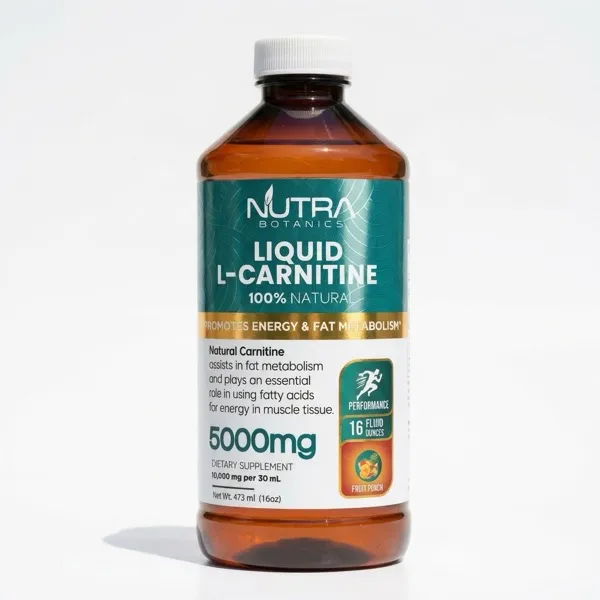
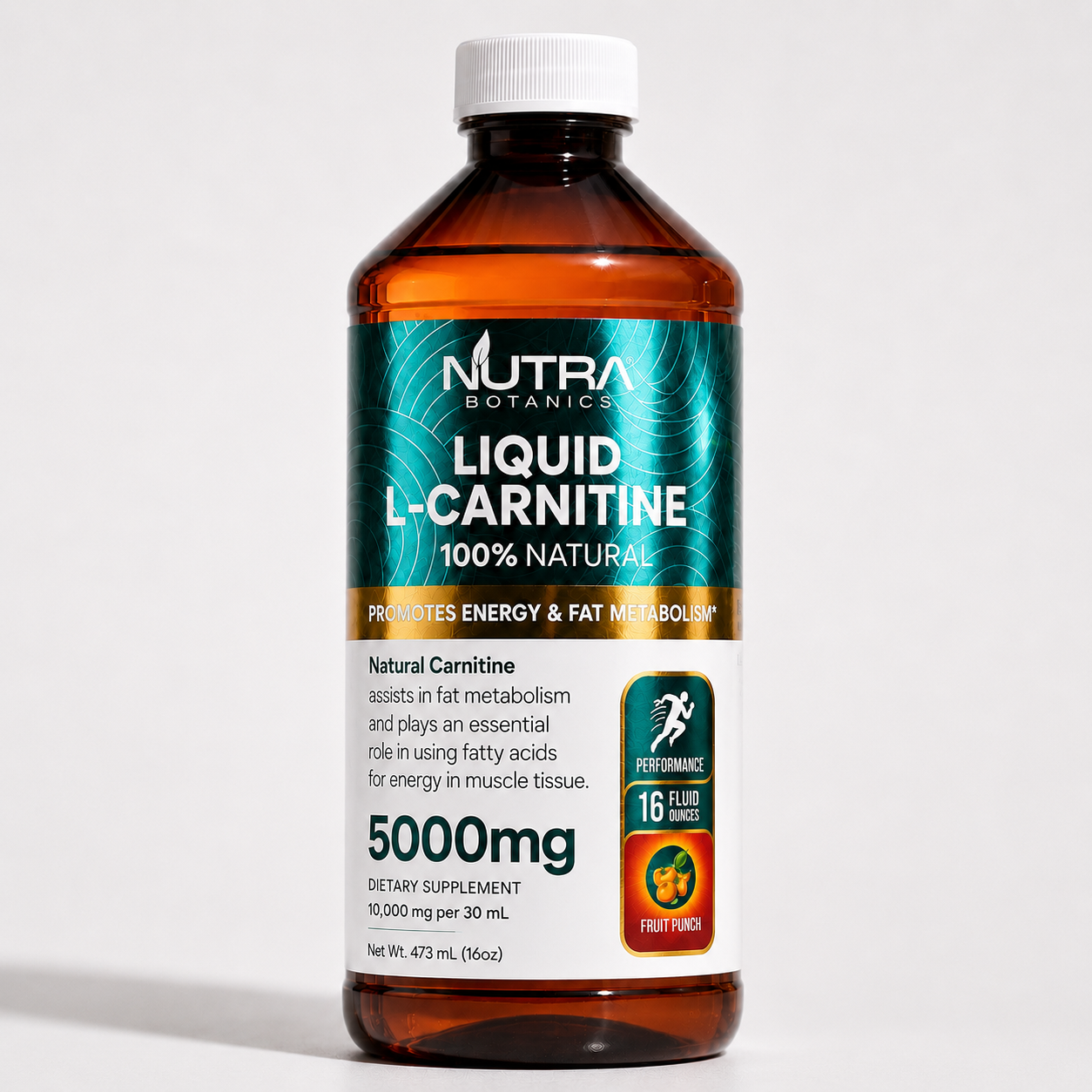
Liquid L-Carnitine 5000
5000mg per serving · 32 servings
- 5,000mg L-Carnitine per 1-tablespoon serving
- Supports fat transport into mitochondria for energy use
- Non-stimulant · pairs well with training days
- GMP & NSF certified · PhD-supervised testing
$22.95Free shipping over $75
Shop Liquid L-Carnitine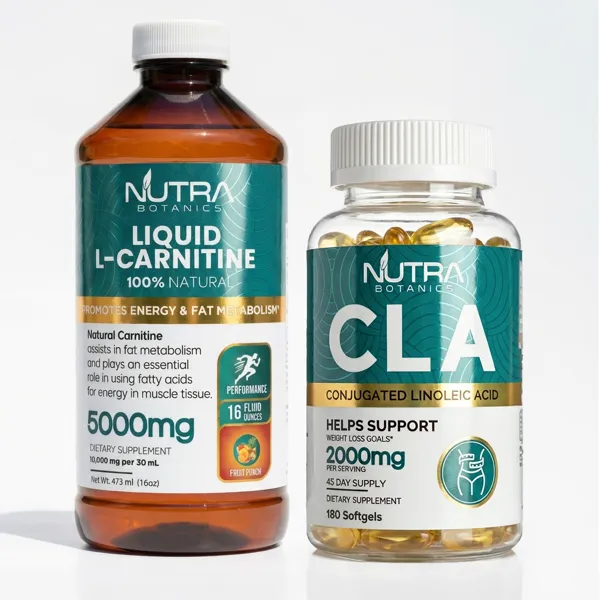
Explore Weight Management
Browse the Nutra Botanics weight management range
- CLA, L-carnitine, appetite support, and bundles
- Compare formats, dosing, and stack partners
- Find the right fit for your composition goals
- GMP & NSF certified · PhD-supervised testing
Shop the rangeSubscribe & save 20%
Browse Weight Management