
If you’ve decided to try L-Carnitine, the practical questions are: which form (tartrate vs acetyl vs free vs propionyl), liquid or capsule, what daily dose, when in the day to take it, what to stack it with, and how long before tissue concentrations actually rise enough to do anything. This Hub walks through each decision so the product you buy matches what the research used — not what the label art implies.
For the underlying biology (what L-Carnitine is, how fatty-acid transport into the mitochondria actually works, where your body makes its own), see What Is L-Carnitine?. For a research review (what the RCTs and meta-analyses actually found for exercise, weight management, and cognition), see Does L-Carnitine Work?. This page is the buyer-decision middle: choose and use a product if you’ve decided to try one.
Key Takeaways
- The studied daily dose across most RCTs is 2–3g of total L-Carnitine per day, split across meals, taken consistently for at least 12 weeks.
- L-Carnitine L-Tartrate is the form most used in exercise and recovery research; Acetyl-L-Carnitine is the form most used in cognitive research. They are not interchangeable in outcome.
- L-Carnitine absorbs better when taken with a meal containing carbohydrate — the insulin response improves muscle uptake.
- Tissue saturation is slow. Subjective effects are rare before 8–12 weeks; measured tissue concentrations continue climbing for longer.
- The most useful stack pairings are CLA (different point in fat-oxidation pathway), creatine (complementary energy system), and a structured training program.
Start here: L-Carnitine Dosage, Liquid vs Capsules, L-Carnitine & Exercise, What Is L-Carnitine? (biology).
Who L-Carnitine Is (and Isn’t) For
L-Carnitine is a transport molecule, not a stimulant. It moves long-chain fatty acids across the mitochondrial membrane so they can be oxidized for energy. That role dictates where it fits and where it doesn’t.
Where L-Carnitine tends to fit
- Adults doing consistent training who want a non-caffeine addition focused on recovery, fatigue resistance, and cellular energy substrate.
- Vegetarians and vegans, who tend to have lower baseline L-Carnitine intake (the best dietary sources are red meat).
- Adults over 40 looking for fatigue, mitochondrial, or recovery support as baseline levels and turnover slow with age. See L-Carnitine for women for context.
- People already running a structured body-composition program who want a low-stimulant adjunct layered onto training and nutrition.
Where L-Carnitine is the wrong tool
- You want something you feel in 20 minutes. L-Carnitine is a slow tissue-saturation compound, not an acute stimulant.
- You eat a lot of red meat already and have no specific training or recovery goal — your baseline is likely fine without supplementation.
- You’re looking for a standalone fat-loss solution. L-Carnitine supports the fat-oxidation pathway; it doesn’t create a caloric deficit for you.
- You have a known carnitine-processing disorder, kidney disease, or are on seizure medications — talk to your physician before starting.
What L-Carnitine Has Been Studied For
L-Carnitine’s research base is broad but uneven — strong in specific exercise-recovery outcomes, mixed in weight-loss outcomes, promising-but-early in cognitive outcomes.
Exercise recovery and soreness
The strongest findings in the sport-science literature. Multiple RCTs (Volek et al. 2002, AJP-Endocrinol Metab) using L-Carnitine L-Tartrate at 2g/day have shown reductions in markers of muscle damage (creatine kinase, myoglobin) and subjective soreness after intense resistance work. The effect is real and replicates. See L-Carnitine and exercise for the study walkthrough.
Fatigue resistance and perceived exertion
Several studies have shown reduced perceived exertion during sustained exercise with daily L-Carnitine supplementation, particularly after 12+ weeks of consistent use. The mechanism plausibly traces to improved fatty-acid utilization during sub-maximal work, sparing muscle glycogen.
Body composition and weight management
A mixed literature. Some meta-analyses (Talenezhad et al. 2020, Clin Nutr ESPEN) report modest reductions in body mass and fat mass with daily L-Carnitine over 8–16 weeks; other trials report no effect. The pattern: effect sizes are small, and the signal is stronger when supplementation is paired with training and caloric structure than when it’s taken alone. See L-Carnitine for weight loss for the detailed view, or jump straight to the weight-loss-specific dosage guide for the exact gram-per-day protocols used in the trials that did show fat-mass changes.
Cognitive function (Acetyl-L-Carnitine)
Acetyl-L-Carnitine (ALCAR), which crosses the blood-brain barrier more efficiently than standard L-Carnitine, has been studied for cognitive support in older adults and in specific neurological conditions. Findings are promising for fatigue and cognitive-fatigue outcomes, less settled for general cognition in healthy adults.
Heart health markers (emerging)
A subset of trials has examined L-Carnitine in patients with cardiovascular concerns, with some benefit signals. This is an area where physician oversight matters; we frame it as “clinically relevant but out of scope for a general Hub.”
For the full literature review — effect sizes, study quality, and where claims overshoot the data — see our research review: Does L-Carnitine Work?
Forms of L-Carnitine Compared
L-Carnitine is sold in four common forms. Each has distinct absorption, tissue preference, and research context.
L-Carnitine L-Tartrate (LCLT)
The form most used in exercise-recovery research. L-Tartrate is a stable salt that delivers standard L-Carnitine with faster absorption than the free-acid form. When the goal is training recovery, soreness reduction, or workout-adjacent fatigue resistance, this is the research-backed default. Typical dose: 2g/day.
Acetyl-L-Carnitine (ALCAR)
L-Carnitine with an acetyl group attached, which improves blood-brain barrier crossing. This is the form used in cognitive and mitochondrial-fatigue research. Choose ALCAR if the goal leans toward mental energy, cognitive-fatigue support, or age-related neurological support. Typical dose: 1–2g/day.
Free L-Carnitine (base form)
Straight L-Carnitine, often sold as liquid. Absorption is slower than tartrate for equivalent dosing, but the molecule itself is the same once absorbed. Useful if you prefer a liquid-dose format or want the base form without a salt pairing.
Propionyl-L-Carnitine (PLCAR)
Less common in the general supplement market. Studied primarily in cardiovascular and vascular-function contexts. Not the form most consumers are looking for; mention it mainly to avoid confusion on product labels.
The cross-form summary
If you’re buying for training/recovery: L-Carnitine L-Tartrate. If you’re buying for cognitive or mitochondrial-fatigue support: Acetyl-L-Carnitine. Liquid free-form is a convenient alternative if you prefer dosing by ounce rather than capsule. Propionyl is specialty and rarely the answer.
Liquid vs Capsule: What Actually Matters
The liquid-vs-capsule debate is one of the most marketing-driven decisions in this category. The reality is narrower than either camp suggests.
Absorption: Once the L-Carnitine molecule clears the stomach, what reaches the bloodstream is identical regardless of form. The only real absorption difference is timing: liquid passes through the stomach faster, so blood levels peak slightly earlier. Total area under the absorption curve is comparable.
Dosing precision: Capsules win. A 500 mg capsule is 500 mg every time. A teaspoon of liquid depends on how level the measurement is, whether the oil has separated, and whether the bottle has been stored at consistent temperature.
Taste and convenience: Liquid often has a strong, slightly salty or sour taste — some people love it (fast to dose, easy to mix into a pre-workout drink), others find it unpleasant. Capsules are tasteless but slower to consume at higher doses (4–6 capsules for 2g).
Shelf life and stability: Capsules edge ahead. Liquid L-Carnitine in an opened bottle is more sensitive to light, heat, and contamination. If you’re slow to finish a bottle, capsules are safer.
The honest recommendation: pick the form you’ll actually take consistently. Research outcomes come from 12+ weeks of daily use; the best form is the one that survives 12 weeks of your routine. For the side-by-side, see liquid L-Carnitine vs capsules.
How to Take L-Carnitine: Dose & Timing
L-Carnitine has one dosing detail that most other supplements don’t: co-ingestion with carbohydrate meaningfully improves muscle uptake. The insulin response drives more L-Carnitine into muscle tissue. Ignore this and you’re absorbing it into the bloodstream but not optimally storing it where it does its job.
L-Carnitine Standard Protocol
Daily dose (L-Tartrate for training/recovery): 2g/day total, split into two 1g doses.
Daily dose (Acetyl-L-Carnitine for cognitive): 1–2g/day, typically taken in the morning or early afternoon.
Timing with food: Take with a meal containing carbohydrate — a breakfast with oatmeal or fruit, a post-workout meal with rice or potatoes. The insulin response improves muscle uptake substantially.
Training days: If you take one dose near training, take it roughly 60–90 minutes before the session, with a small carb-containing snack.
Cognitive dosing (ALCAR): Morning with breakfast is the typical protocol. Avoid taking ALCAR late in the day if you’re sensitive — some users report mild alertness effects.
Consistency: Daily. Tissue concentrations build over 8–12 weeks. Skipping several days resets part of that work.
Cycling: No research basis. Daily continuous use is the standard.
For deeper dose context, see L-Carnitine Dosage.
What to Stack L-Carnitine With
L-Carnitine pairs sensibly with several other supplements — and poorly with a few. The rationale should be mechanistic, not marketing.
CLA (conjugated linoleic acid)
CLA influences how fats are partitioned between storage and use; L-Carnitine handles the transport of those fats into the mitochondria for oxidation. Two different points in the same pathway. This is the stack most directly relevant to body-composition goals. See CLA Supplement Guide.
Creatine
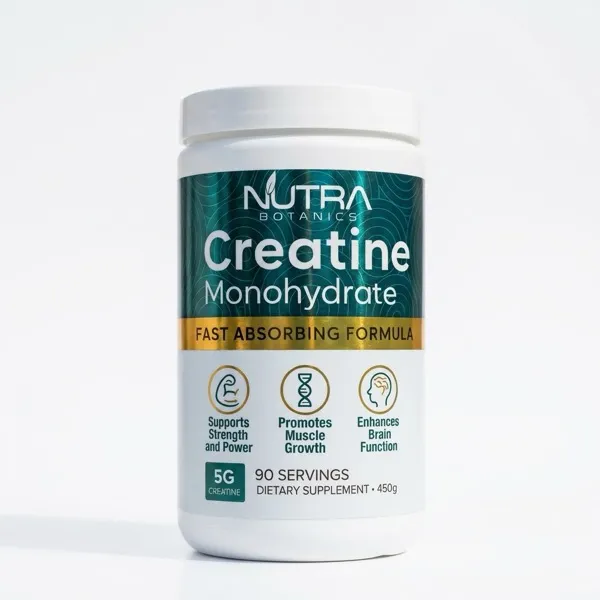
Completely different energy system (phosphocreatine / ATP regeneration vs fatty-acid oxidation), zero overlap, no interference. Common stack for adults doing mixed training. See Creatine Hub.
Green tea extract / caffeine
Green tea extract layers thermogenic and fat-oxidation support on top of the transport role L-Carnitine plays. Caffeine separately improves exercise output. Just don’t stack L-Carnitine with multiple high-dose caffeine sources — the caffeine load is the limit, not the L-Carnitine.
Carbohydrate at the dose window (critical)
The single most overlooked “stack” is just eating some carbohydrate with each L-Carnitine dose. This is where insulin-driven muscle uptake actually happens. Fasted dosing absorbs into blood but stores less efficiently into muscle tissue — meaning less of the dose ends up where you want it.
What not to stack
Avoid stacking with thyroid-hormone medications or certain seizure medications without physician clearance — L-Carnitine can interact with both classes.
Timeline: What to Expect
Tissue-saturation supplements are slow. L-Carnitine is slower than most. Here is the realistic curve:
- Days 1–14: Blood concentrations rise quickly; tissue concentrations barely move. You will not feel anything yet. This is expected.
- Weeks 2–6: Muscle L-Carnitine content starts to rise with consistent carb-co-ingested dosing. Still rarely anything subjectively felt.
- Weeks 8–12: The window where exercise-recovery and fatigue-resistance studies typically see measurable change. If training and dosing have been consistent, this is where you’d expect the first training-level effects (reduced soreness after hard sessions, slightly better late-workout endurance).
- Weeks 12–24: Tissue concentrations continue to climb in most research. Body-composition effects (if present for you) become more measurable in this window alongside training and nutrition structure.
If you stop at 4 weeks because “nothing is happening,” you’ve stopped before the research window opens. If you’re 12 weeks in with consistent protocol and see no change on any outcome you care about, L-Carnitine is likely not adding meaningful value for your situation.
Safety & Common Concerns
L-Carnitine has a generally strong safety profile in healthy adults at studied doses (up to 3g/day for extended periods). A few notes worth knowing:
GI side effects
The most common issue, usually mild: gas, loose stool, occasional nausea — especially at higher doses taken on an empty stomach. Splitting the dose across meals resolves most cases. Very high single doses (>3g at once) are the most likely trigger.
“Fishy” body odor (rare, dose-dependent)
At very high daily doses, some users report a mild fishy odor due to TMAO-related metabolism. This is uncommon at standard 2g/day dosing and resolves on dose reduction.
Interactions with medications
L-Carnitine can interact with thyroid hormone replacement (may blunt thyroid hormone action) and certain seizure medications. Anyone on these classes should discuss L-Carnitine with their prescribing physician before starting.
Kidney and cardiovascular context
Individuals with kidney disease or a history of serious cardiovascular conditions should talk to their physician — not because L-Carnitine is dangerous at standard doses, but because monitoring may matter in these contexts.
Pregnancy and breastfeeding
Limited safety data at supplemental doses. Standard guidance: avoid during pregnancy and breastfeeding unless specifically cleared by your physician.
Choosing an L-Carnitine Supplement
L-Carnitine is a commodity molecule — what varies across products is form (which dictates use case), dose per serving, and manufacturing quality. A good L-Carnitine product meets five criteria:
- Form matches your goal. L-Tartrate (training/recovery) or Acetyl-L-Carnitine (cognitive/mitochondrial). Avoid “proprietary blend” products that hide which form you’re actually getting.
- Dose per serving stated clearly. For LCLT, look for 1,000 mg of L-Carnitine per capsule (not per serving of L-Tartrate) so you know what you’re taking. For liquid, look for mg per measured dose, not per bottle.
- Third-party tested for heavy metals and contaminants. L-Carnitine is frequently manufactured overseas; third-party testing matters more than in domestic commodity ingredients.
- No unnecessary stimulants bundled in. Some products pile caffeine, yohimbine, or synephrine into an L-Carnitine product for “fat-burner” positioning. Those are different categories with different risk profiles. Buy L-Carnitine separately.
- Storage and freshness. Liquid products: check the “best by” date and store cool. Capsule products: keep in a dry, cool place — LCLT is mildly hygroscopic.
Price is a reasonable secondary filter. Expect $0.35–$0.80 per 2g daily serving for a quality L-Tartrate product; ALCAR tends to run 15–30% higher. Significantly more than that is usually branding, not better L-Carnitine.
Frequently Asked Questions
L-Carnitine L-Tartrate vs Acetyl-L-Carnitine — which form should I pick?
Pick by goal. L-Carnitine L-Tartrate (LCLT) is the form used in most exercise-recovery and muscle-oxygenation research — that is the default for training, performance, and body-composition goals. Acetyl-L-Carnitine (ALCAR) crosses the blood-brain barrier more readily and is the form studied for cognitive and mood-related outcomes. Both are valid; they are studied for different endpoints. If you want a single product that covers exercise use, L-Tartrate is the safer default.
Do I really need to take L-Carnitine with carbohydrates?
Yes, if your goal is to raise muscle carnitine content. L-Carnitine uptake into muscle is insulin-dependent in the peer-reviewed uptake literature, and the protocols that successfully raised muscle carnitine paired each dose with a carbohydrate-containing meal large enough to trigger an insulin response. A plain glass of water does not do this. Taking L-Carnitine on an empty stomach still absorbs into the bloodstream, but far less of it is partitioned into muscle tissue where it actually does work.
Is liquid L-Carnitine better absorbed than capsules?
No — there is no documented absorption advantage for liquid L-Carnitine over capsules or tablets at equivalent doses. Liquid formats can be more convenient for measuring non-standard doses and may absorb marginally faster, but the plasma and muscle carnitine outcomes are comparable when dose and timing match. Pick the format you will actually take every day with a carb-containing meal. See Liquid L-Carnitine vs Capsules for the side-by-side breakdown.
How long before I notice anything from L-Carnitine?
Tissue saturation takes time. The studies that measured muscle carnitine content saw meaningful increases over 12 to 24 weeks of consistent daily dosing paired with carbohydrates. Recovery and soreness endpoints can show up earlier — some trials reported reduced exercise-induced muscle damage within 3 to 4 weeks. If you are stopping at week 4 with no visible body-composition change, you have stopped before the tissue-saturation window the research actually measures.
Can I stack L-Carnitine with creatine and CLA at the same time?
Yes. These three supplements act on different energy and metabolic pathways and are commonly stacked together without documented interference. Creatine handles short-burst ATP regeneration, CLA is studied for fat partitioning, and L-Carnitine is studied for fatty-acid transport into mitochondria. Take L-Carnitine and creatine with the same carbohydrate-containing meal for shared insulin-mediated uptake.
Do vegetarians and vegans benefit more from L-Carnitine supplementation?
They tend to have lower baseline L-Carnitine stores, because dietary carnitine comes primarily from red meat. Vegetarians and vegans can still synthesize carnitine endogenously from lysine and methionine, but tissue concentrations are generally lower than in meat-eaters. For plant-based individuals, supplementation is the most direct way to raise muscle carnitine content to the levels studied in the exercise literature.
Will L-Carnitine give me fishy body odor, and how do I prevent it?
Fishy body odor is a known dose-dependent side effect at the high end of the dosing range (typically above 3 grams per day). It is caused by gut bacteria converting excess L-Carnitine into trimethylamine. The fix is straightforward: stay in the 2 to 3 gram daily range, split the dose across two meals instead of taking it all at once, and take it with food. Reducing the dose resolves the odor in most reported cases.
Is L-Carnitine safe to take with medications or during pregnancy?
Check with a qualified healthcare provider before combining L-Carnitine with thyroid medication, certain seizure medications (like valproic acid), or blood-thinning medication — the documented interaction literature is focused on these categories. Pregnant and breastfeeding women, and anyone with kidney impairment, should specifically consult a provider rather than self-dosing. These statements have not been evaluated by the Food and Drug Administration. This product is not intended to diagnose, treat, cure, or prevent any disease.
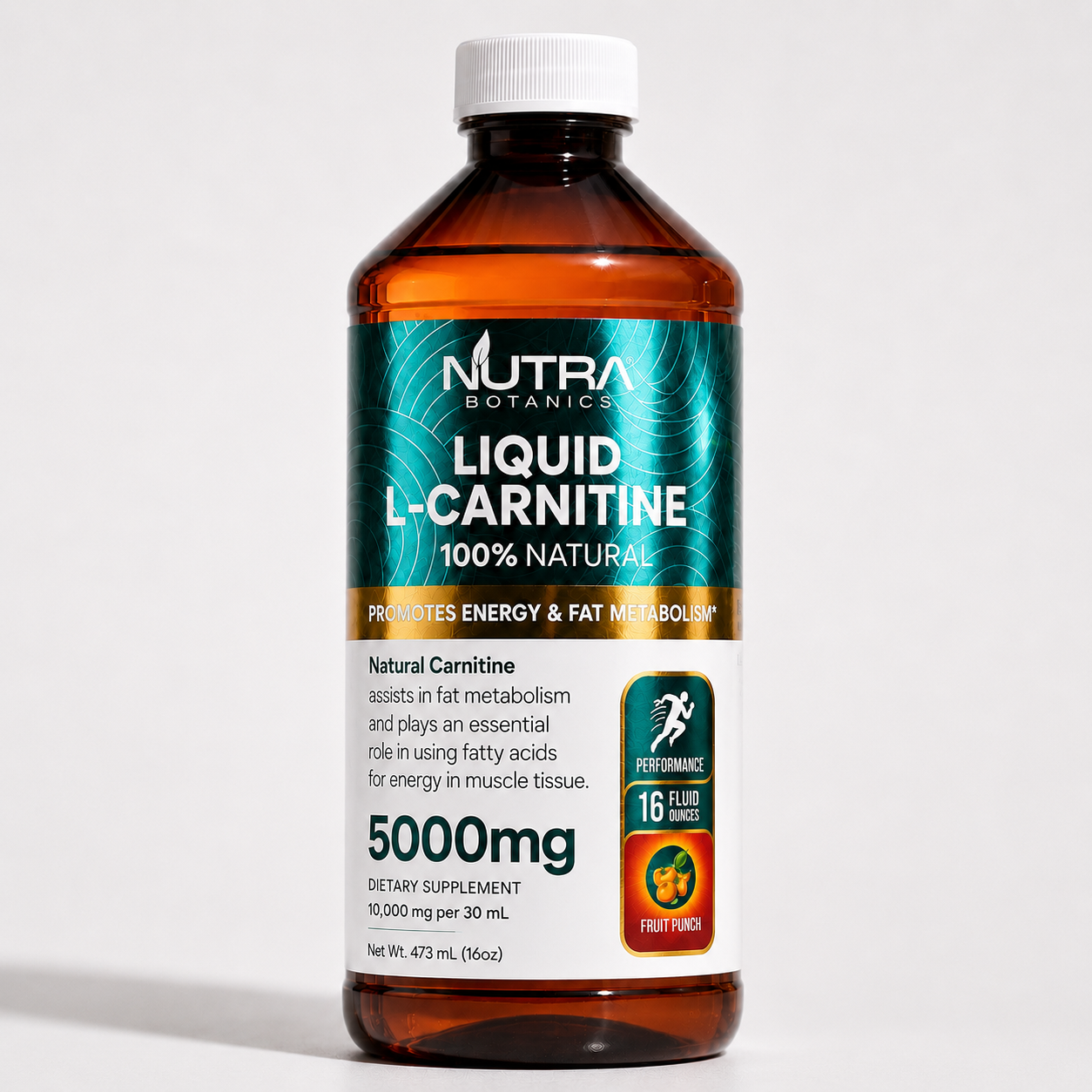
L-Carnitine
Liquid · 30 servings
- Researched-dose L-Carnitine per serving · matches studied range
- Liquid format · pair with a carb-containing meal for insulin-mediated uptake
- GMP & NSF certified · PhD-supervised testing facility
- Stimulant-free · no caffeine, no artificial colors or fillers
$29.95Subscribe & save 20%
Shop L-Carnitine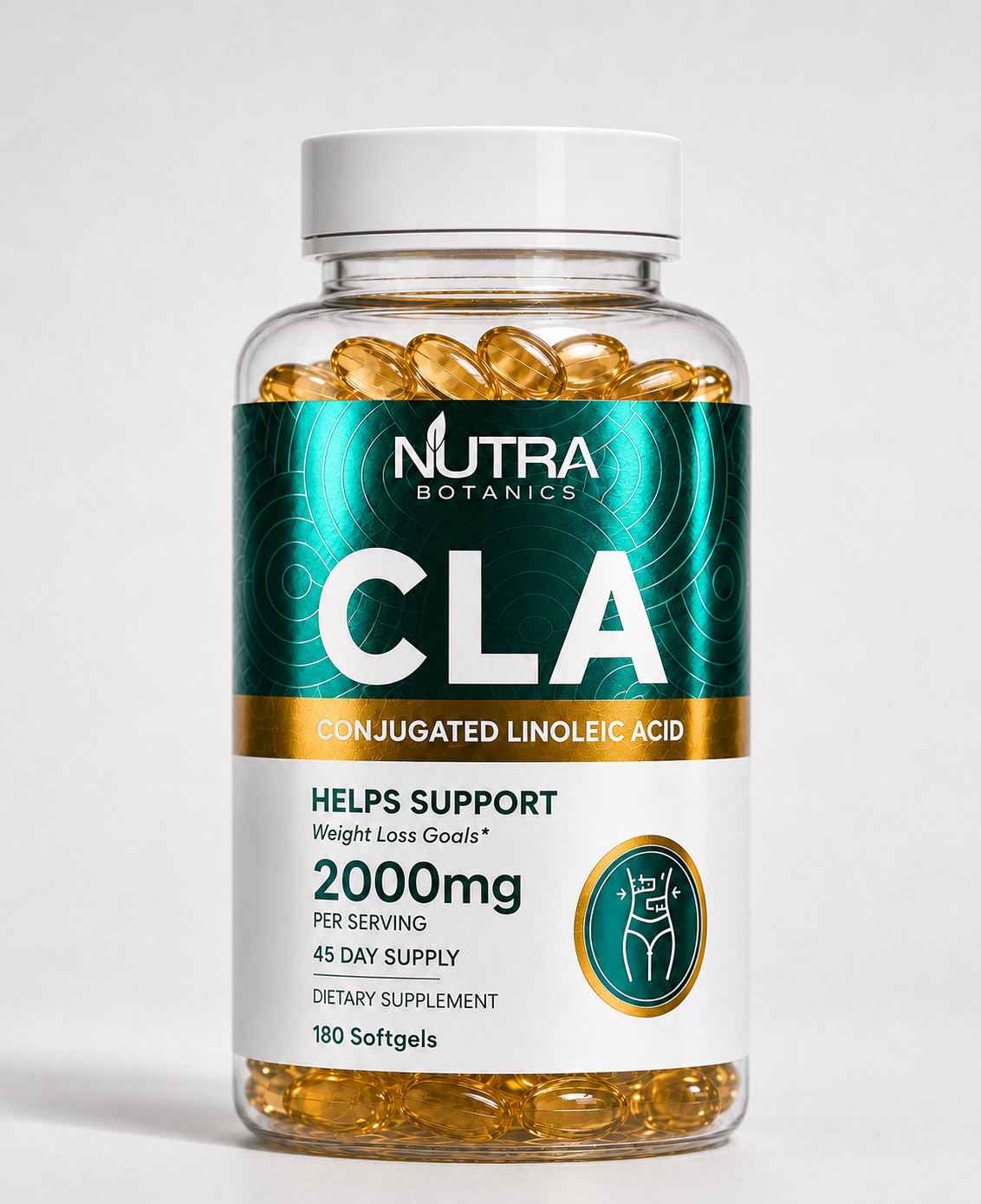
CLA 1000
Softgels · 90 count
- 1,000 mg CLA isomers per softgel · standard 50:50 blend
- Stacks with L-Carnitine at different points in the fat-oxidation pathway
- PhD-supervised in-house testing
- No artificial colors, fillers, or added stimulants
$24.95Free shipping over $75
Shop CLA 1000