Key Takeaways
- Stack 4 compounds with non-overlapping pathways: L-carnitine (transport), CLA (storage inhibition), EGCG + caffeine (thermogenesis) — additive effects, not redundant
- L-carnitine 2g/day — 1.33 kg additional weight loss vs placebo per Pooyandjoo 2016 meta-analysis of 9 RCTs
- CLA 3.2g/day — 0.09 kg/week additional fat loss per Whigham 2007 meta-analysis of 18 RCTs
- Green tea EGCG ~270mg + caffeine ~150mg — 1.31 kg average weight reduction per Hursel 2009 meta-analysis of 11 trials
- Caffeine doubling = 22% greater weight reduction, 28% greater fat-mass reduction per Tabrizi 2019 meta-analysis
- Plan an 8–12 week evaluation window with a 300–500 kcal/day deficit and resistance training — supplements amplify a deficit, they don't replace it
Related reading: Metabolism Supplements Guide, L-Carnitine Dosage for Weight Loss, CLA Supplements Guide, How to Boost Metabolism.
Why Stack at All: The Pathway Logic
Most "metabolism booster" stacks fail because they pile multiple compounds working through the same mechanism — three different stimulants, four different thermogenics — and produce diminishing returns plus stacked side effects. A research-backed stack does the opposite: it combines compounds that hit different pathways, so the effects are additive rather than redundant.
The four pathways that matter for fat loss are: (1) fat transport into the mitochondria where oxidation happens; (2) fat storage inhibition at the adipocyte level; (3) thermogenesis — increasing the body's resting energy expenditure; and (4) fat-oxidation upregulation during exercise. Hit all four with one compound each, at the dose backed by independent meta-analyses, and you've built the maximally non-overlapping fat-loss stack the literature actually supports.
The four sections below walk through each component, with the dose, mechanism, and the meta-analysis behind it. The protocol section then assembles them into a single daily schedule.
Component 1: L-Carnitine — Mitochondrial Fat Transport
Dose: 2g/day, split into two 1g doses (morning + pre-workout). Use L-tartrate or free-form L-carnitine — not acetyl-L-carnitine, which targets brain function rather than body composition.
L-carnitine is the molecular shuttle that ferries long-chain fatty acids across the inner mitochondrial membrane. Without enough carnitine in muscle tissue, fatty acids pile up outside the mitochondria and don't get oxidized into ATP — they get re-stored. Supplementing carnitine, when paired with insulin from carbohydrate to drive muscle uptake, increases muscle carnitine content by ~21% over 24 weeks (Wall 2011).
The 2020 dose-response meta-analysis of 37 RCTs identified a clear efficacy floor at ~1.8g/day with diminishing returns above 4g (Talenezhad 2020). The 2016 Pooyandjoo meta-analysis of 9 RCTs across 911 participants pinned the average effect at 1.33 kg additional weight loss vs placebo, with a 0.47 kg/m² BMI reduction (Pooyandjoo 2016).
Full breakdown of dosing, timing, and form selection: L-Carnitine Dosage for Weight Loss.
Component 2: CLA — Adipocyte Lipid Storage Inhibition
Dose: 3.2g/day, split into 3 doses (1.0–1.2g) with meals containing fat. Use a CLA product standardized to roughly equal parts t10c12 and c9t11 isomers.
CLA (conjugated linoleic acid) works at the adipocyte rather than the mitochondrion. The trans-10, cis-12 isomer inhibits lipoprotein lipase (LPL), the enzyme that pulls fatty acids out of bloodstream triglycerides into fat cells for storage, and upregulates carnitine palmitoyltransferase-1 (CPT-1) — driving more fatty acids toward oxidation rather than storage. Different mechanism than L-carnitine, which is why they stack additively.
The Whigham 2007 meta-analysis of 18 RCTs established the dose-effect relationship: 3.2g/day produced approximately 0.09 kg/week of additional fat loss vs placebo over 6 months — modest weekly but compounding to ~2 kg over a 12-week protocol (Whigham 2007). The Risérus 2001 trial in metabolic syndrome men showed CLA produced significant reductions in sagittal abdominal diameter, suggesting visceral-fat-preferential effects (Risérus 2001).
Important caveat: the t10c12 isomer has shown mild insulin sensitivity reduction in metabolic syndrome and pre-diabetic populations (Risérus 2002). If you have insulin resistance or type 2 diabetes, discuss with your physician before adding CLA. Full discussion: CLA for Belly Fat.
Component 3: Green Tea EGCG + Caffeine — Thermogenesis
Dose: 270mg EGCG + 150–200mg caffeine, taken together 30–60 minutes pre-workout.
EGCG (epigallocatechin gallate) is the dominant catechin in green tea and inhibits catechol-O-methyltransferase (COMT), the enzyme that breaks down norepinephrine. Higher norepinephrine signaling = more sustained thermogenesis and lipolysis. Caffeine compounds the effect by blocking adenosine receptors and further amplifying catecholamine activity. Combined, they produce a measurable acute increase in resting energy expenditure that doesn't occur with either compound alone in the same magnitude.
The Hursel 2009 meta-analysis of 11 trials of green tea catechin + caffeine combinations found 1.31 kg average weight reduction over study durations of 12 weeks or longer (Hursel 2009). The Tabrizi 2019 dose-response meta-analysis of 13 caffeine RCTs (606 participants) showed every doubling in caffeine intake increased weight reduction by 22%, BMI reduction by 17%, and fat-mass reduction by 28% (Tabrizi 2019).
Note that the meta-analysis-supported dose of caffeine is moderate — 150 to 200mg, roughly the equivalent of one cup of strong coffee. Higher doses don't produce proportionally greater fat loss and substantially raise tolerability issues (jitters, sleep disruption, anxiety). If you're already drinking 2–3 cups of coffee per day, you may not need to add caffeine to the stack at all — your baseline intake covers the dose.
The Full Stack: Daily Protocol & Timing
Metabolism Booster Stack — 12-Week Protocol
Morning (with breakfast carbs): 1g L-carnitine · 1.0g CLA
Pre-workout (30–60 min before, with carbs): 1g L-carnitine · 270mg green tea EGCG · 150–200mg caffeine
Lunch + dinner (with meals containing fat): 1.0–1.2g CLA each
Total daily: 2g L-carnitine · 3.2g CLA · 270mg EGCG · 150–200mg caffeine
Caloric context (required, not optional): 300–500 kcal/day deficit · protein at 0.8–1g/lb bodyweight · resistance training 3×/week minimum · sleep 7+ hours
Evaluation point: Week 8 minimum. Track waist circumference and progress photos in addition to scale weight — body recomposition often shows up in measurements before scale weight moves significantly.
Expected outcome: Stack effects from independent meta-analyses suggest ~3–5 kg additional fat loss vs the same diet + training protocol without supplementation over 12 weeks. Individual response varies; supplements amplify a deficit, they don't create one.
If you're stack-curious but stack-cautious, the cleanest "starter" subset is L-carnitine + CLA (the two non-stimulant components). You can add the green tea + caffeine pre-workout component once you've established tolerability and baseline routine. Don't try to start all four at once if you're new to supplementation — you'll have no signal on what's causing what if anything goes off.
Safety, Stacking Caveats & Who Should Skip
The stack is well tolerated in healthy adults at the doses listed. The contraindications are specific and worth taking seriously rather than skimming:
- Cardiovascular disease: Chronic high-dose L-carnitine elevates plasma TMAO, a metabolite associated with cardiovascular event risk in observational studies. If you have established CVD, kidney disease, or strong family history, discuss with your cardiologist.
- Insulin resistance / type 2 diabetes: The t10c12 CLA isomer has shown insulin sensitivity reduction in metabolic syndrome trials. Skip CLA or substitute with the metabolism stack minus CLA.
- Anxiety, hypertension, sleep disorders: Reduce or eliminate the caffeine + EGCG component. The L-carnitine + CLA subset still provides meaningful pathway coverage without stimulant load.
- Pregnancy and breastfeeding: Skip the entire stack. Insufficient safety data for these populations on most of these compounds.
- Medication interactions: If you're on blood thinners, blood pressure medication, antidepressants (especially MAOIs), thyroid medication, or beta blockers, talk to your prescribing physician before starting any of these compounds.
The honest top-line: supplements amplify a calorie deficit, they don't replace one. If you're not in a deficit and not training, no stack on earth — including this one — will produce meaningful fat loss. The protocol works because it's layered onto a working foundation, not in place of one.*
Average weight-loss effect per component (vs placebo, meta-analyses)
Effects are individual meta-analysis averages; stacking effects are additive but not strictly summable. Real-world stack outcomes depend on caloric deficit, training, and adherence.
Frequently Asked Questions
What is the best metabolism booster stack backed by research?
Can I stack L-carnitine and CLA together safely?
When should I take each component of the metabolism stack?
How long does the metabolism stack take to work?
Do I still need a calorie deficit if I am taking the stack?
Are there populations who should avoid the metabolism stack?
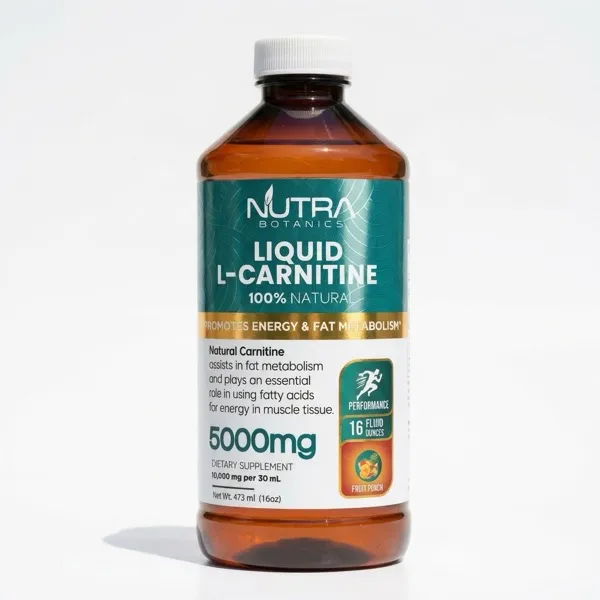
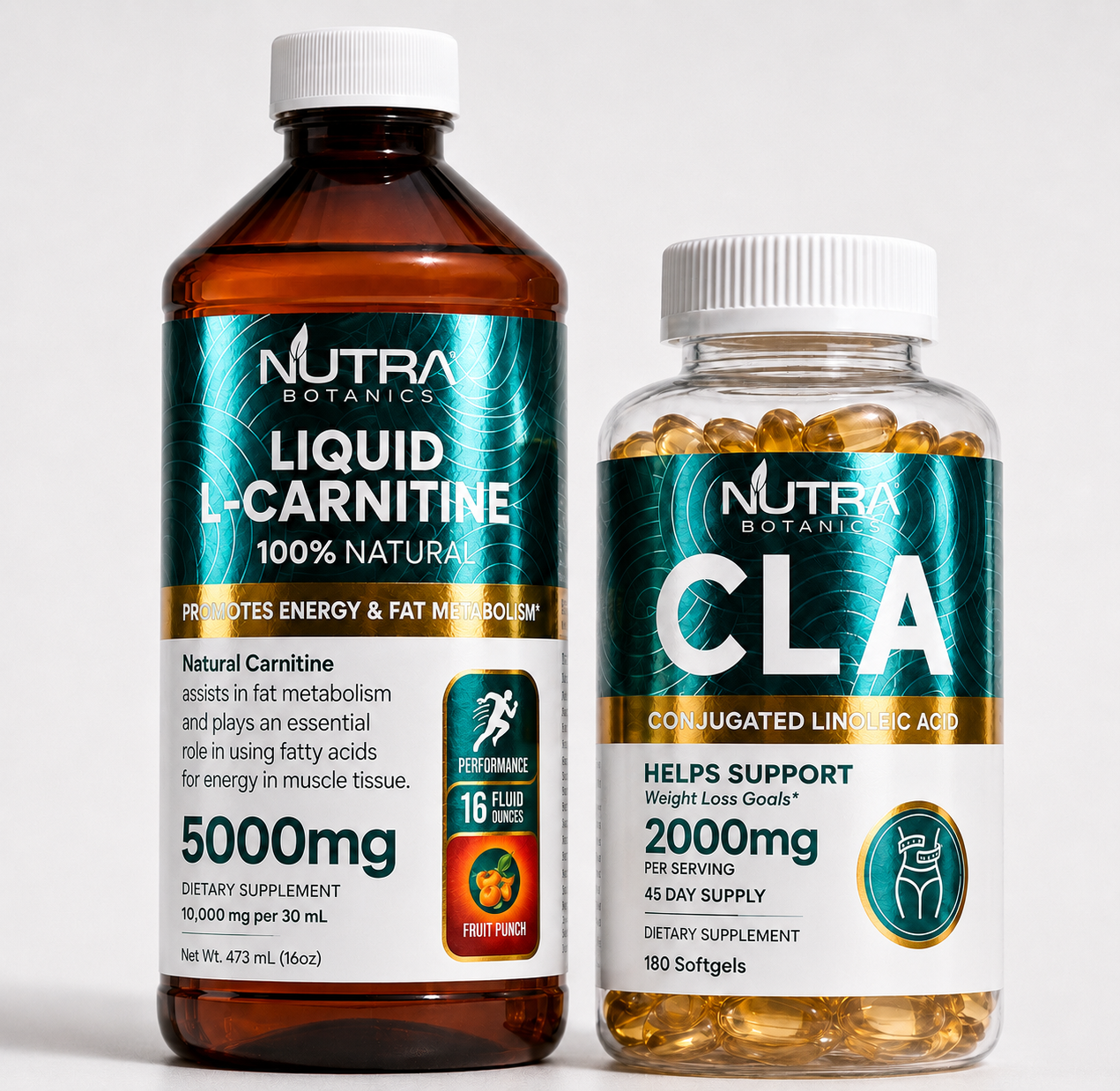
Metabolism Booster Bundle
L-Carnitine + CLA stack · the non-stimulant core of the protocol
- Liquid L-Carnitine 5000 + CLA Softgels in one bundle
- Covers two of the four pathways: mitochondrial transport + storage inhibition
- Non-stimulant · safe to layer with your existing coffee + green tea
- GMP & NSF certified · PhD-supervised testing
Bundle savingsSubscribe & save 20%
Shop the Metabolism Bundle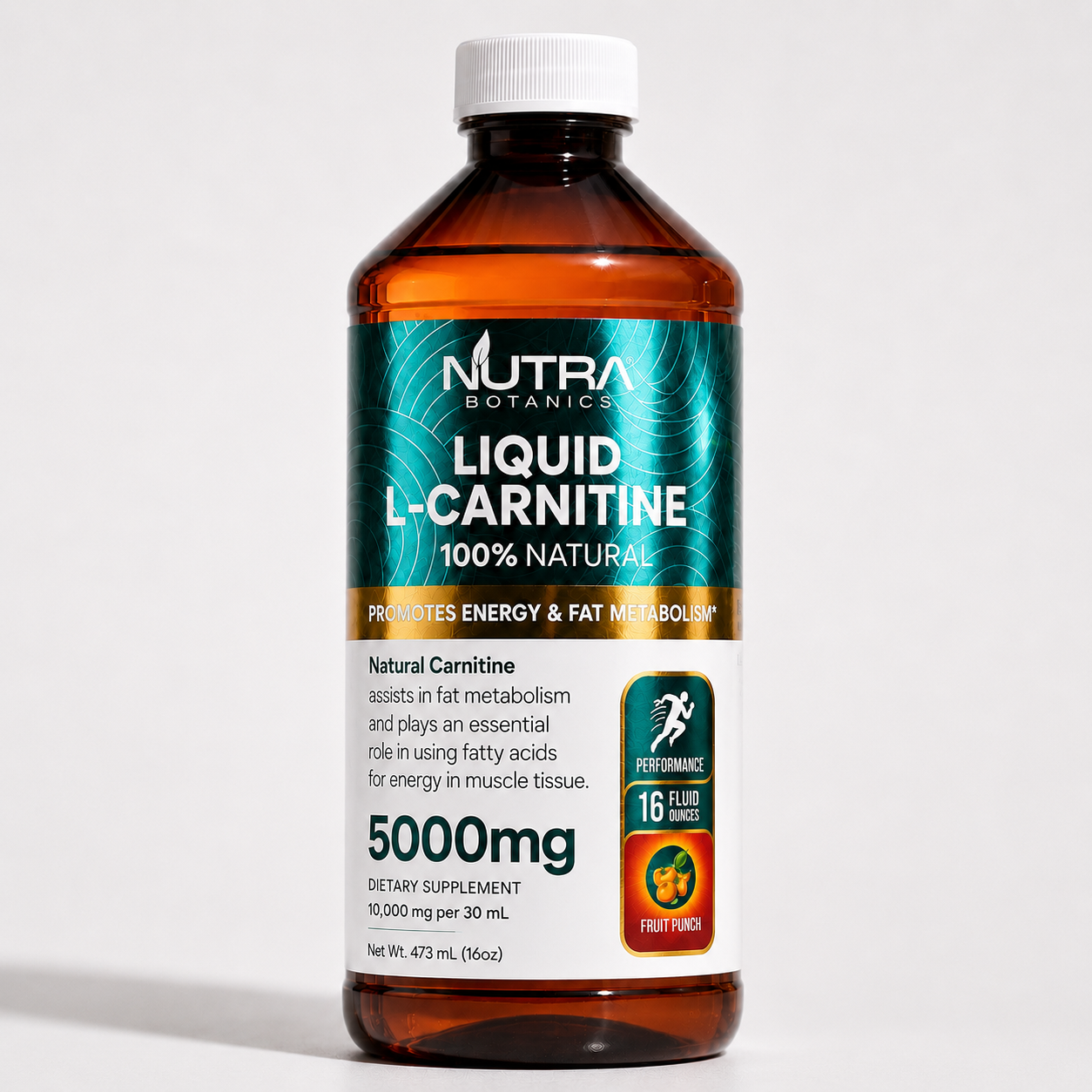
Liquid L-Carnitine 5000
5,000mg per serving · 32 servings
- 5,000mg L-Carnitine per 1-tablespoon serving
- Liquid form reaches peak plasma in ~30 min vs 2–3 hr for capsules
- Pre-workout timing aligns with carb-driven muscle uptake
- GMP & NSF certified · PhD-supervised testing
$22.95Free shipping over $75
Shop Liquid L-Carnitine